
2026 Winners – Undergraduate Student Research Award
Grand Prize: Upper Division, Thesis
Thomas William Boyd
Advisor: Ileana Rodriguez-Silva
Big Brother has Lost its Interest: US involvement in the militarization of the Brazilian Police
This thesis focuses on the militarization of the Brazilian Police force, specifically a point of structural convergence between the interests of the country’s upper class and military, and US foreign policy interests regarding the Cold War in Latin America during Brazil’s Military Dictatorship. During the dictatorship, the police was restructured and underwent a process of militarization to better utilize tools of oppression, such as deadly force and torture, for social disciplining of the population. The United States would act as a catalyst to this process, providing both funding and training to Brazil’s police, as well as the required structures for the military’s exercise on authoritarianism. As structural violence became an intrinsic tool of policing in the country, its use continued after Brazil’s return to democracy. Justified under the language of the War on Drugs, these tools of oppression are used to purge drug dealers and common criminals in Favelas.

Frankie Jurkowski
Advisor: Meg Spratt
From Dispossession to Disconnection: Indigenous Land Loss, Social Space, and the Remaking of Relational Care in the United States
This paper examines how collective care practices in the United States, particularly intergenerational living and folk medical knowledge, were reshaped through changes in social space, institutional authority, and political economy. Rather than treating the erosion of these practices as a natural outcome of modernization or individual choice, I argue that care was reorganized through historically produced arrangements that prioritized privacy, institutionalization, and radical individualism. Drawing on social theory, feminist ethics of care, political economy, and trauma studies, I trace how land ownership, housing policy, medical authority, and neoliberal governance interacted to disassemble care from everyday life and reframe health as a personal responsibility. Beginning my analysis in the nineteenth century, I examine Indigenous land dispossession as the foundation of fracture, where space and care became possessions. It is here we are able to situate twentieth-century transformations within a longer history of colonial disruption.
Methodologically, I use relational and historical analysis to examine how space, institutions, and care were co-constituted over time. Instead of isolating single causes, I identify recurring patterns across policy, spatial design, and cultural narratives that reshaped the conditions under which collective care could be sustained. This paper contributes to social science discussions of health and wellness, relational and elder care, and resilience by reframing burnout, loneliness, and distress as structural outcomes rather than individual failures.
Kim Nguyen
Advisor: Michelle Koutnik
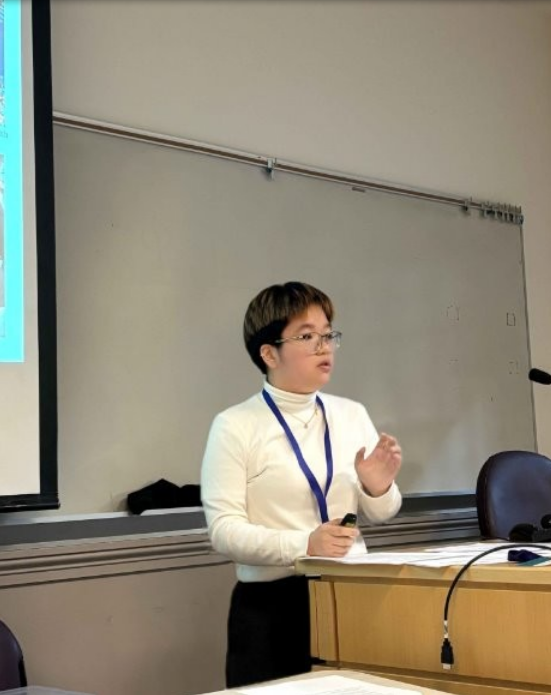
Reforming Arctic Council Working Group Funding to Advance Co-Production of Knowledge (Full Report Title: Indigenous Rights and International Relations in a Warming Arctic: “Nothing About Us Without Us”)
Arctic governance frameworks consistently prioritize state-led resource extraction over human dimensions. While the Arctic Council’s Sustainable Development Working Group (SDWG) and the Kingdom of Denmark’s Chairship (2025–2027) champion economic empowerment and the co-production of knowledge, these policy aspirations are fundamentally constrained by a colonial financial architecture. This chapter investigates the structural paradox of Arctic governance: Indigenous Permanent Participants have a political voice but are systemically denied the authority to decide how funds are allocated and distributed to Arctic Council initiatives. By analyzing the Council’s Project Support Instrument, which operates on a voluntary-contribution system and restricts voting power to state financial contributors, this chapter demonstrates how Indigenous Peoples are relegated to advisory roles while donor states retain ultimate authority over the research agenda. To navigate this disparity, Indigenous organizations employ adaptive strategies ranging from adopting Western bureaucratic structures to secure state funding to establishing fully independent funding frameworks. Ultimately, true co-production of knowledge within the Arctic Council working groups is seriously limited without structural financial reform. The chapter concludes by recommending the reform of Project Support Instrument voting procedures and the establishment of an Indigenous-Led Research Eligibility Framework within the SDWG, transitioning Indigenous Peoples from sub-contractors to sovereign architects of shared Arctic Council work.
Note: This research is an independently authored chapter that contributes to a larger, 200-page collaborative Task Force report.
Grand Prize: Upper Division, Non-Thesis

Avery Jensen
Advisor: Becca Thorpe
Diversity, Equity, and Exclusion: The Role of a Changing Racial Demographics on Modern Book Bans Book bans in the U.S. have risen sharply since the 2020 election, with the topics of books being banned exhibiting a clear pattern. Books addressing diverse racial, ethnic, and queer identities are banned at disproportionately high rates. Bans have been a predominantly partisan issue supported by the republican party, the rate of banned books has varied considerably across states with similar partisanship in their legislatures. Considering the concern book bans have taken with ideas like diversity, it is worth asking how local demographic differences, particularly levels of diversity, may influence the frequency of bans. Drawing on theories of censorship incentives and political actors’ perceptions of non-white voting behavior, I attempt to answer the question of what is causing this variation in the rates of book bans across conservative states and counties.

Annika Johnson
Advisor: Jesse Oak Taylor
Scorched Earth, Shifting Memory: Walking Through the Wounded Landscapes of the Anthropocene, a Memoir of Mt. St. Helens
Scorched Earth, Shifting Memory is a digital photo essay that explores Mount St. Helens as a living archive of ecological and cultural memory in the Anthropocene. Blending environmental humanities, geology, and personal narrative, the project examines how landscapes record both sudden catastrophe and slow, ongoing transformation. Through fieldwork on the Hummocks Trail, including walking, photography, and observational journaling, the project engages the land as both subject and method of inquiry. Scholarly frameworks, such as Rob Nixon’s concept of “slow violence” and Donna Haraway’s call to “stay with the trouble,” inform an analysis of how destruction and renewal coexist over time. By integrating archival materials, scientific research, and embodied experience, the project challenges static narratives of disaster, emphasizing instead the dynamic, layered processes through which landscapes, and our understanding of them, continue to evolve.
Ren Roesler
Advisor: Purnima Dhavan
How European and Mughal State Policies shaped the South Asian Textile Industry
Textile production has been one of South Asia’s most important industries throughout history. For this research paper, I did a comparative analysis of how the industry was impacted by policies from the domestic Mughal government and European powers in the sixteenth and seventeenth centuries. By using a combination of visual and textual primary sources, as well as demographic data from the time period, I make the case that some scholars who studied the South Asian economy under Mughal rule overemphasized the extent to which early trade with European powers shaped the textile industry, and the South Asian economy as a whole.
Grand Prize: Lower Division

Kanako Miyazaki
Advisor: Geoffrey Turnovsky
Creativity in the Age of AI
This paper examines how the definition of creativity changes in response to AI and what that change reveals about our understanding of creativity. The definition of creativity shifts from a product-based definition to a more process-based definition in the short span of 13 years. This shift can be attributed to the products of artificial creativity of AI reaching comparable levels to human creativity in terms of output assessment, and thus meeting the existing criteria of creativity. The change of the concept of creativity itself to preserve creativity as a feature uniquely human, reveals the importance we assign to creativity as a hallmark of our existence.

Saisha Sehrawat
Advisor: Emily George
Exploring how genetic mutations in the SCN5A gene influence the development and progression of cardiac disease: mechanisms, variability and emerging perspectives
This literature review examines how mutations in the SCN5A gene contribute to the development and progression of cardiac disease by altering the function of the NaV1.5 sodium channel, a key regulator of cardiac electrical signalling. Mutations in SCN5A are broadly classified as gain-of-function or loss-of-function, each producing distinct disruptions in sodium ion flow, electrical conduction, and cellular homeostasis. These changes are associated with a range of cardiac disorders, including Long QT Syndrome type 3, Brugada Syndrome, atrial fibrillation, and progressive conduction disease. Over time, sustained electrical instability can promote arrhythmias, fibrosis, and heart failure. This review also considers current therapeutic approaches, including targeted drug therapy and genetic testing, highlighting the importance of understanding mutation-specific mechanisms to improve diagnosis, treatment, and long-term cardiovascular outcomes
Ritika Surana
Advisor: Joyce Chen
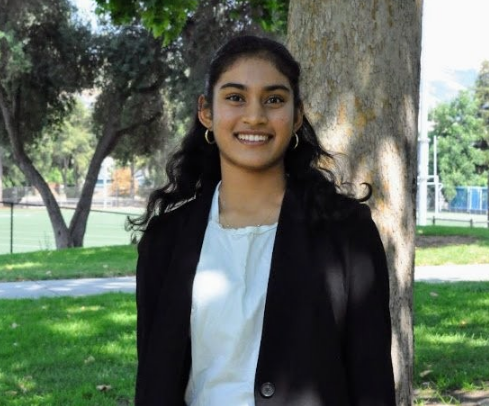
From Infection to Intervention: What Viral Transport Reveals About Drug Delivery in the Female Reproductive Tract
This review explores how viruses move through the female reproductive tract (FRT) and how those strategies can improve drug delivery. The FRT has strong immune defenses and changing conditions driven by hormones, which can block or alter the way medicines are internalized. Researchers can determine how viruses cross mucosal barriers, enter cells, and avoid immune detection by studying viral mechanisms. These insights reveal why many current therapies fail. The review highlights the need to design treatments that account for immune responses and physical changes associated with the menstrual cycle. Learning from viral behavior could lead to more effective and empathetic therapies for infections, contraception, and chronic conditions like endometriosis.
Honorable Mention: Upper Division, Thesis

Ven Lala
Advisor: Charles LaPorte
The Right to Hope: Narrative Similarities between Jibril and Iblis in the Islamic Canon
Narrative has been of little concern in Islamic studies by both Western and Islamic scholars, despite its role in the conception of religious ethics. Applying principles of narrative theology draws out a tradition between morality and the ending of a narrative arc – one where obedient protagonists and rewarded and disbelieving antagonists punished. The figures Jibril and Iblis, Islamic counterparts to the angel Gabriel and Satan, challenge this narrative tradition. Despite occupying opposing sides on the spectrum of obedience, both characters share similar narrative arcs ending in amorphous tragedy. This study builds a “plot line” based on instances where either is seen as a “character” rather than an “actor” to define where, how, and why these figures contradict the Islamic narrative tradition. With further textual study, this discrepancy can provide insight into the ethical foundations of Islam and press the following question: who reserves the “right to hope?”

Harshita Raghavan Vithyaa
Advisor: Wooyoung Kim
Machine Learning–Based Prediction of Immune-Related Inflammatory Arthritis in Cancer Patients Receiving Immunotherapy
Immune checkpoint inhibitors (ICIs) improve cancer outcomes but can induce immune-related adverse events (irAEs), including inflammatory arthritis. Existing studies identify individual risk factors but lack clinically usable risk prediction models that integrate electronic health record data into a unified, temporally structured framework. This ongoing study develops a supervised machine-learning-based risk prediction for inflammatory arthritis in ICI-treated cancer patients. A 90-patient cohort is undergoing structured review to extract longitudinal variables, including laboratory trends, treatment exposures, and autoimmune history. Model evaluation includes logistic regression, random forests, and gradient boosting, trained using a defined observation window following ICI initiation to predict arthritis onset within a subsequent prediction window. To address the small sample size, the study uses cross-validation and regularization. Model interpretability is quantified using SHAP-based feature importance, mapping non-linear relationships within autoimmune and longitudinal datasets. This work aims to enable early, clinically actionable risk stratification for irAEs.
Honorable Mention: Upper Division, Non-Thesis
Arianna Abalos
Advisor: Simon Sandh
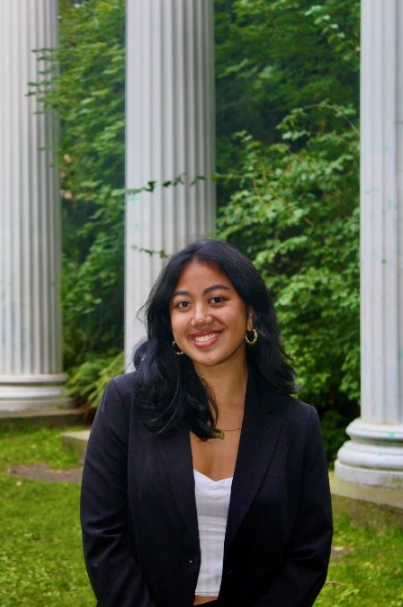
A Rapid Review of the Use of Medical Translation/being Limited English Proficiency and Adverse Cardiovascular Health Outcomes
Language barriers significantly impact healthcare access to Limited English Proficiency (LEP) patients, affecting patient-physician concordance and trust in the healthcare system. Cardiovascular (CV) health outcomes are the most common cause of death, disproportionately affecting minorities, who are more likely to speak languages other than English. This rapid review conducted in October 2025 identified peer-reviewed literature from PubMed, exploring the impact of LEP on CV disease outcomes. After finalizing the search strategy with the health sciences librarian, 51 articles were screened, and 10 were determined relevant for data synthesis. Data extraction included patient demographics and reported measures of association. Key findings indicate LEP patients are more at risk for adverse cardiovascular outcomes, including heart attack and death. We intend to submit our manuscript to a public health journal and hope to highlight factors contributing to LEP patients’ lack of effective translation and advocate for accurate and culturally relevant interpretation.
Samuel Abraham
Advisor: Charles LaPorte
An Update to the Oxford Bibliography Entry for “The Oxford Movement”: Trajectories and Trends in Tractarian Scholarship
The Oxford Movement was a historical event during which a group of nineteenth-century Anglican clergy sought to reform the Church of England’s understanding of theology, worship, ecclesiology, and much more. This movement has been the object of much scholarship, and in order to aid researchers who are studying the movement, my project is to update the existing 2009 Oxford Bibliography, reflecting the new research. Updated versions of these bibliographies are indispensable to scholars, giving them both the major works on a given topic as well as scholarly trends. The necessity of this is obvious with certain figures like John Henry Newman who have seen an astonishing surge of interest—the date range 2012-2025 reveals 716 articles and 79 print books produced in the time period regarding this man alone. To produce the bibliography, I first survey the existing body of research produced between 2009-2026 using the UW Library system and then ascertain the articles and books of note—those relating to various subsections of the existing article. Next, I cull these materials, determining which are of importance, and create annotations for each text. I found various trends in recent scholarship, which required me to change some of the structure of the article; there has been much interest in the international reception of Tractarianism, as well as in Christina Rossetti. The bibliography is now reorganized and up-to-date, with the new sources summarized and embedded appropriately in the article.
Honorable Mention: Lower Division

Sophie Biemacki
Advisor: Ileana Marin
Artist Book: Le Grand Bureau
Le Grand Bureau is a French-language artist’s book that reimagines the structure of a children’s book to explore the dystopian theme of “corporate hell.” Created in a flag book format, the project emphasizes interactivity, allowing readers to navigate the text in multiple directions and physically engage with its unfolding narrative. The book presents a playful and visually engaging surface while embedding more complex, adult themes through color, tone, and underlying message. It depicts a world in which children are subtly conditioned for future participation in rigid, corporate environments, offering both a preview and critique of this reality. By combining childlike design with unsettling subject matter, the project challenges readers to reflect on the relationship between innocence, socialization, and the structures that shape modern working life.

Praveena Mahendran
Advisor: Emily C. George
The Real Story of Wisdom Teeth: What Our Third Molars Reveal About Evolution, Genetics, and the Future of the Human Mouth
Wisdom teeth represent a complex case study in evolutionary mismatch and genetic variation. This paper examines why third molars frequently cause complications, highlighting how cultural shifts, like dietary softening, reduced jaw size without erasing the genetic programming for these teeth. By discussing variants such as PAX9 and MSX1, the analysis explains population-level differences and tooth agenesis. Furthermore, it contrasts mainstream evolutionary explanations with alternative interpretations, illustrating how science communication shapes public understanding. Integrating scientific data with personal reflection, this work argues that wisdom teeth are not anatomical errors but living proof of ongoing human evolution. Understanding this biological narrative empowers individuals to make informed health decisions while revealing the continuous interaction between biology, culture, and genetics.
Population Health Award Winners ($250)

Shivani Jayaprakasam
Advisor: Tommy Wood
Short-term Neuropathological Effects of Azithromycin Treatment in a Ferret Model of Extremely Preterm Brain Injury
Preterm birth is the leading cause of under‑5 mortality worldwide and a major driver of lifelong neurodevelopmental disability, yet there are no approved therapies to prevent or mitigate preterm brain injury. Extremely preterm infants are uniquely vulnerable to hypoxic‑ischemic injury and inflammation, disproportionately affecting marginalized communities with limited access to advanced neonatal care. My thesis evaluates the short‑term neuropathological effects of azithromycin, an FDA‑approved macrolide antibiotic with anti‑inflammatory properties, in a postnatal day 14 ferret HI injury model. Our study found that azithromycin did not confer global neuroprotection across composite, immunohistochemical, or morphometric measures. These findings contrast with rodent studies reporting strong neuroprotection with azithromycin, underscoring the importance of gyrencephalic models for translational relevance. This shaped the next phase of our study, which includes long‑term behavioral testing and advanced imaging, to assess if azithromycin can serve as an accessible neuroprotective strategy for extremely preterm infants.

Praveena Mahendran
Advisor: Emily C. George
The Interplay Between Genes and Environment in the Expression of Genetic Disorders
“Traditional models often view genetic disorders as deterministic outcomes of inherited DNA. However, emerging research indicates that disease expression is a dynamic product of genotype and environmental interaction. This review synthesizes behavioral genetics, molecular epidemiology, and clinical studies to examine how these interactions influence disease manifestation.
Key themes include gene-environment correlation, where genetic traits guide individuals into specific environments, and the role of environmental factors in modulating gene expression through epigenetic pathways. Clinical evidence, particularly in autoimmune neuropathies, demonstrates that genetic susceptibility provides the framework, but environmental triggers, such as toxins or infections, determine clinical outcomes. While identifying these interactions presents methodological challenges, integrating environmental data is essential for accurate risk modeling. Ultimately, moving beyond deterministic models toward personalized medicine allows for targeted interventions that address both inherited predispositions and modifiable environmental factors.”

Saisha Sehrawat
Advisor: Emily C. George
Exploring how genetic mutations in the SCN5A gene influence the development and progression of cardiac disease: mechanisms, variability, and emerging perspectives
This literature review examines how mutations in the SCN5A gene contribute to the development and progression of cardiac disease by altering the function of the NaV1.5 sodium channel, a key regulator of cardiac electrical signalling. Mutations in SCN5A are broadly classified as gain-of-function or loss-of-function, each producing distinct disruptions in sodium ion flow, electrical conduction, and cellular homeostasis. These changes are associated with a range of cardiac disorders, including Long QT Syndrome type 3, Brugada Syndrome, atrial fibrillation, and progressive conduction disease. Over time, sustained electrical instability can promote arrhythmias, fibrosis, and heart failure. This review also considers current therapeutic approaches, including targeted drug therapy and genetic testing, highlighting the importance of understanding mutation-specific mechanisms to improve diagnosis, treatment, and long-term cardiovascular outcomes

Harshita Raghavan Vithyaa
Advisor: Wooyoung Kim
Machine Machine Learning–Based Prediction of Immune-Related Inflammatory Arthritis in Cancer Patients Receiving Immunotherapy
Immune checkpoint inhibitors (ICIs) improve cancer outcomes but can induce immune-related adverse events (irAEs), including inflammatory arthritis. Existing studies identify individual risk factors but lack clinically usable risk prediction models that integrate electronic health record data into a unified, temporally structured framework. This ongoing study develops a supervised machine-learning-based risk prediction for inflammatory arthritis in ICI-treated cancer patients. A 90-patient cohort is undergoing structured review to extract longitudinal variables, including laboratory trends, treatment exposures, and autoimmune history. Model evaluation includes logistic regression, random forests, and gradient boosting, trained using a defined observation window following ICI initiation to predict arthritis onset within a subsequent prediction window. To address the small sample size, the study uses cross-validation and regularization. Model interpretability is quantified using SHAP-based feature importance, mapping non-linear relationships within autoimmune and longitudinal datasets. This work aims to enable early, clinically actionable risk stratification for irAEs.