The UW Libraries calendar is packed with continuing summer events, exhibits and workshops. Registration is open for the Graduate Student Research Institute, and our “Greatest Hits” Summer Workshop Series features a popular August line-up including sessions on Federal requirements for data management and open access. Take advantage of weekly office hours for the Recording Studio, and don’t miss fascinating exhibits on America’s 250 as well as author events and public lectures. As always, if you have any questions about resources, services or events, ASK US!
For authors who are planning to publish in a Wiley journal, manuscripts for Wiley fully Open Access (gold) journals must be submitted by Aug. 31, 2026 to avoid article processing charges(APCs). After that deadline, authors will be required to pay APCs. Details and FAQ on Wiley deadlines.
Explore highlights of progress and collaboration at the Tateuchi East Asia Library including special research projects, acquisitions, community events, student programs and more.
If you missed the news last month, be sure to read the announcement to learn about a major renovation on the third floor that will greatly improve accessibility and student experience.
Coming Soon – Suzzallo Library: 100 Years of Learning and Discovery
The start of fall quarter in late September will kick off the 2026-2027 academic year and the celebration of Suzzallo Library’s 100th Anniversary! Brush up on your Suzzallo history, follow our socials and stay tuned to this blog to learn about events and activities as they are announced.
Get familiar with the new UW Libraries Search! LibGuides on the New UW Libraries Search highlight the new features and details on the changes, with the full launch planned for Fall 2026:
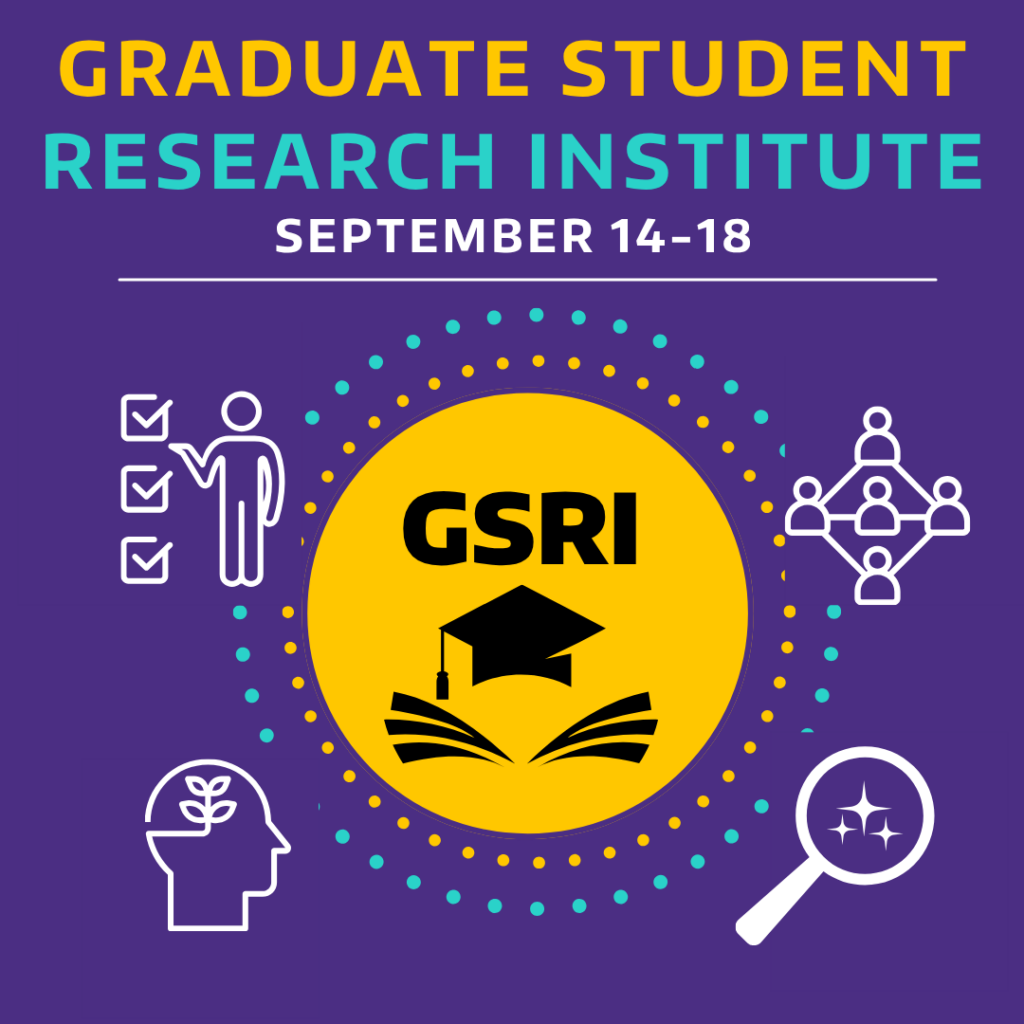
September, 14-18 (Registration open through September 11)
GSRI is a free and asynchronous multi-day online workshop designed to motivate new and returning UW graduate students to explore tools and strategies to research smarter, not harder. Students who register receive five days of online guidance and support as they work through key content and activities from the openly available GSRI website. There are no required meeting times and learning can take place anytime within the span of the workshop session. Registration and information for GSRI
Learn to manage and organize your citations and research with Zotero! Zotero is a powerful tool that can collect citation information, organize and annotate PDFs, and create bibliographies in any style to do the hard work or citing for you!
Expand your skills this summer just-in-time for the start of the next academic year! This summer workshop series focuses on the tools and topics from some of our most popular learning workshops. We welcome all members of the research community, including graduate students, postdocs, research staff, clinicians, and faculty members. Workshop Home Page
Sign-Up for Thursday sessions @10AM, August 13, August 20, August 27
Beginner-friendly support for students, faculty and staff who have quick questions or need and troubleshooting support with audio or video projects, such as help with microphone setup, audio input issues, background noise, recording quality, or basic equipment use. The office hours also include short skill-building sessions, such as introductions to Adobe Audition, Audacity, or Microsoft Clipchamp and basic audio and video editing workflows.
Community Events and Exhibits
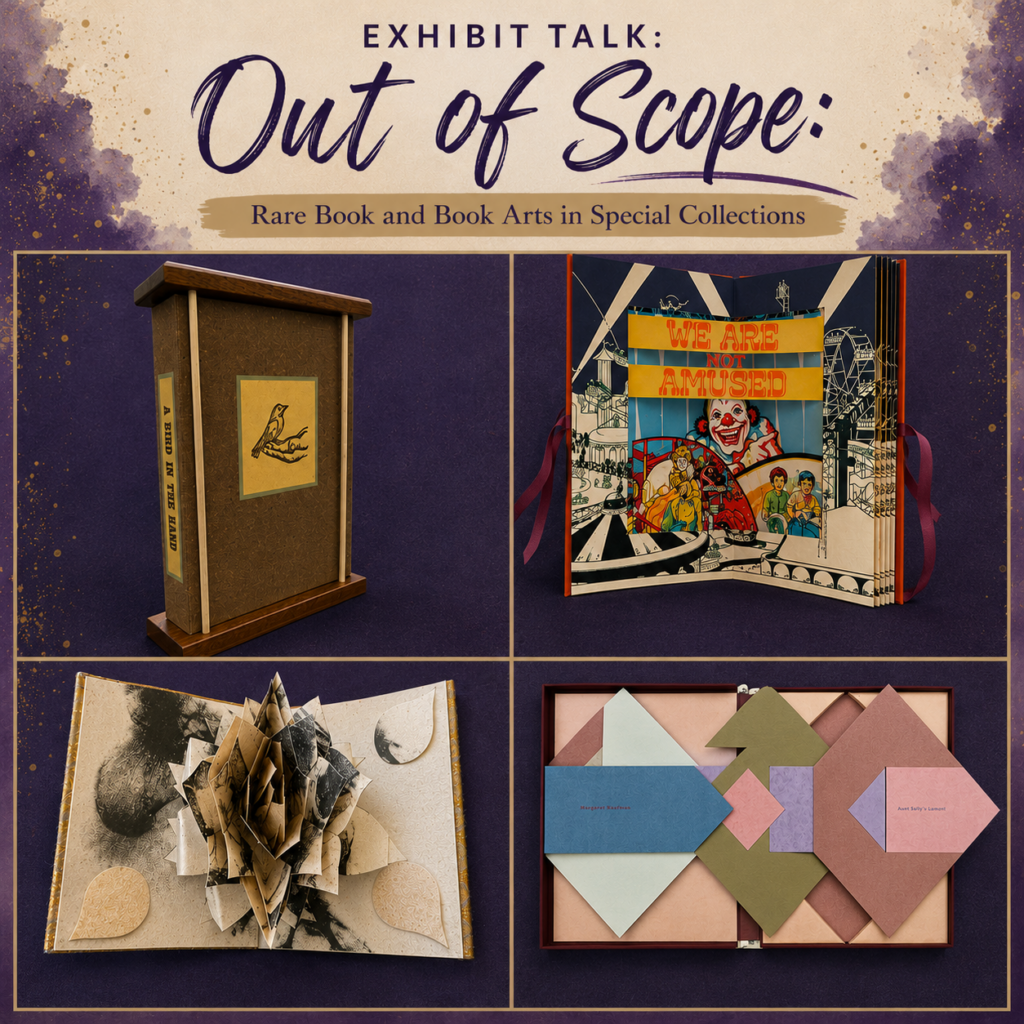
EXHIBIT TALK: Out of Scope, Rare Book and Book Arts in Special Collections
Tuesday, Aug 11, 2026, 10 – 11 a.m., Special Collections Reading Room
Join us for an exhibit talk with Julie Tanaka, Associate Dean for Distinctive Collections, who will discuss some of the rare books and book art pieces on display and additional items not included in the exhibit like an 1858 edition of Longfellow’s Hyperion: A Romance, We are Not Amused by Julie Chen and many other treasures!
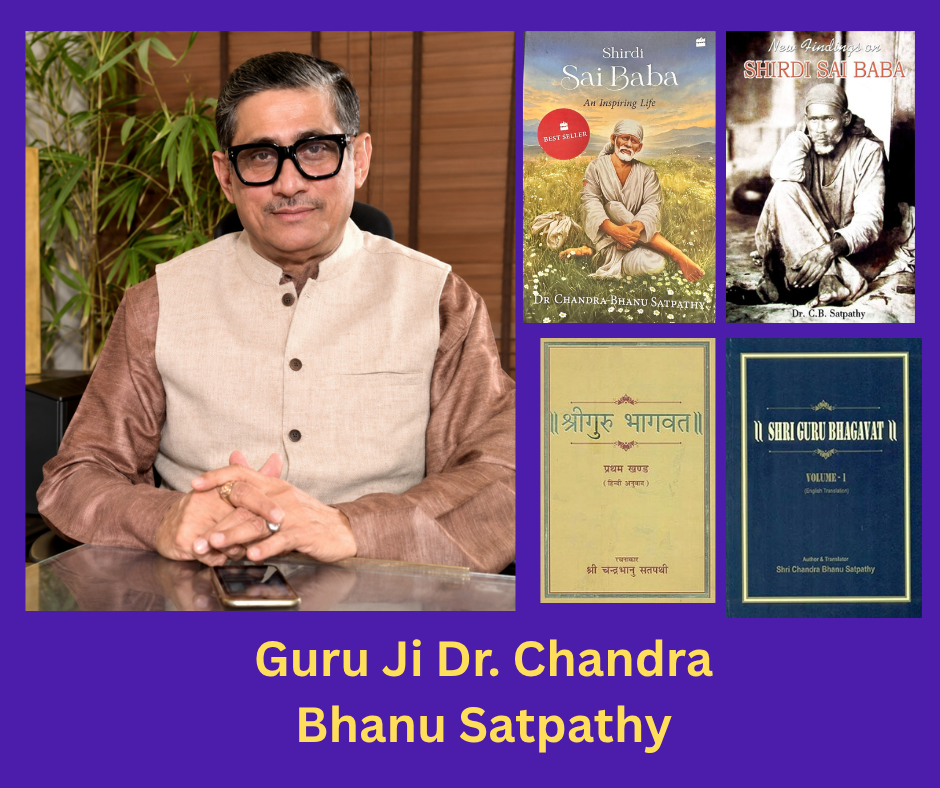
SPECIAL EVENT: Guru Ji Dr. Satpathy–The Relevance of Ancient Indian Wisdom and The Relevance of Ancient Indian Wisdom and the Guru Tradition in the Modern World
Friday, Aug 14, 2026, 11:30 a.m. – 2 p.m.- The Petersen Room, 485 Allen Library North, 4th Floor
Guru Ji Dr. Satpathy is an internationally renowned scholar, humanitarian, author, and spiritual leader whose lifelong dedication to service, education, and human values has inspired communities around the world. This lecture explores how the timeless principles of Indian philosophy especially the Guru–Shishya (mentor–disciple) tradition and selfless compassion offer practical guidance for modern life. RSVP, space is limited.
This exhibit in the Allen North Lobby explores America’s founding ideals through pivotal turning points in history. The exhibition explores five themes drawn directly from the Declaration of Independence: Created Equal; Life, Liberty, and the Pursuit of Happiness; Free and Independent States; Consent of the Governed; and We Mutually Pledge. The featured national and regional moments remind us that our story was never inevitable; we, the people, have shaped it at every turn.
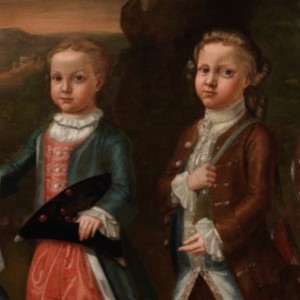
This display on the Allen North Mezzanine explores childhood in early America. Many factors influenced children’s lives, including whether they were free, enslaved, or Indigenous; their family’s status; where they lived; their level of education; their religion; and more. Children grew up quickly and were expected to emulate adults from an early age. Despite the hazards and restrictions of their childhood, these kids were the future for a new nation on the cusp of independence.
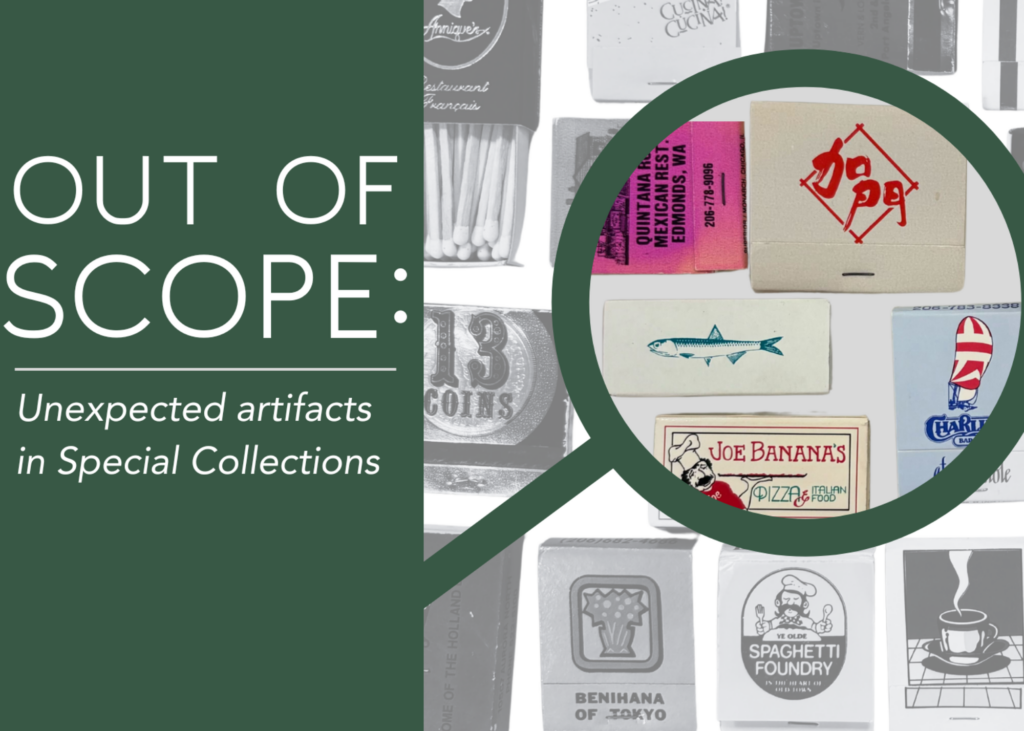
Learn how archivists define the scope of their collections, and see some of the fascinating, unexpected artifacts have made their way into Special Collections! Read more about the exhibit and check the calendar for curator talks and tours. Through Sep 18, 2026 Location: Allen Library (ALB), Special Collections (Basement level)
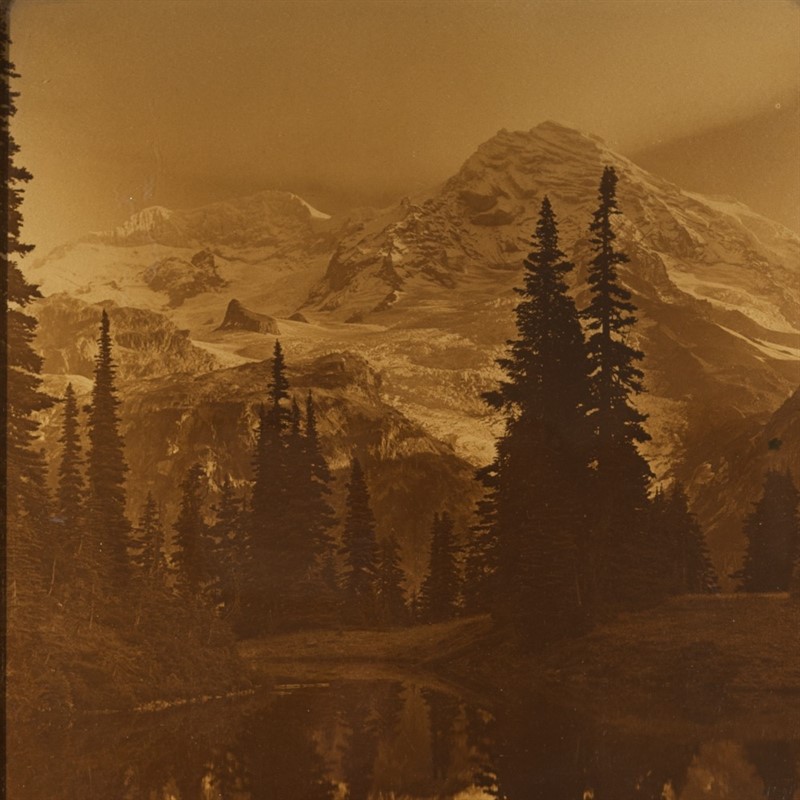
Special Collections’ material related to Mount Rainier will be displayed throughout the year. Through Friday, Aug 28, 2026, Allen Library (ALB), Special Collections (Basement level)
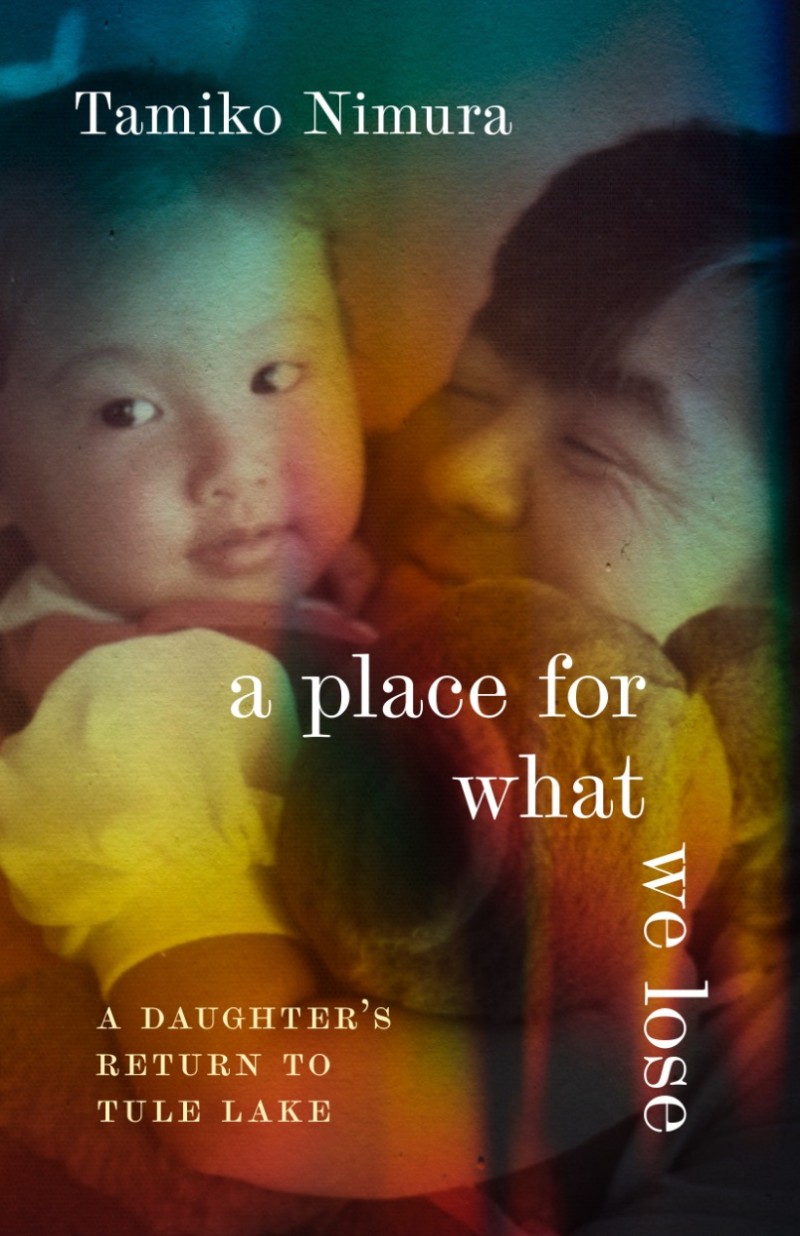
Join author Tamiko Nimura at Edmonds Bookshop during Art Walk Edmonds for a discussion of her book, A Place for What We Lose: A Daughter’s Return to Tule Lake. In a moving conversation with the past, Tamiko Nimura explores her late father’s life and her Japanese American family’s wartime history at Tule Lake. The typewritten pages of her father’s unpublished memoir—written decades earlier about his childhood behind barbed wire—spark a reckoning with the long shadow of parental loss and the unresolved legacy of incarceration.
UW Libraries are so much more than study space and books! Students often tell us they wish they had known more about Libraries’ services at the start of their UW journey. So check out these tips and remember, we’re here to help–just ASK US!
1.Librarians (humans) can help you find things that Google can’t. Really! Also, Research Consultants, often peer-led, can save you a lot of time by offering guidance on how best to navigate the Libraries’ vast resources and services.
“I didn’t know that libraries and librarians are so resourceful and that it could be a good idea to have a chat with a librarian and go through library resources instead of struggling to find information on your own online. If I knew this earlier I would have made good use of it.” – undergrad survey response
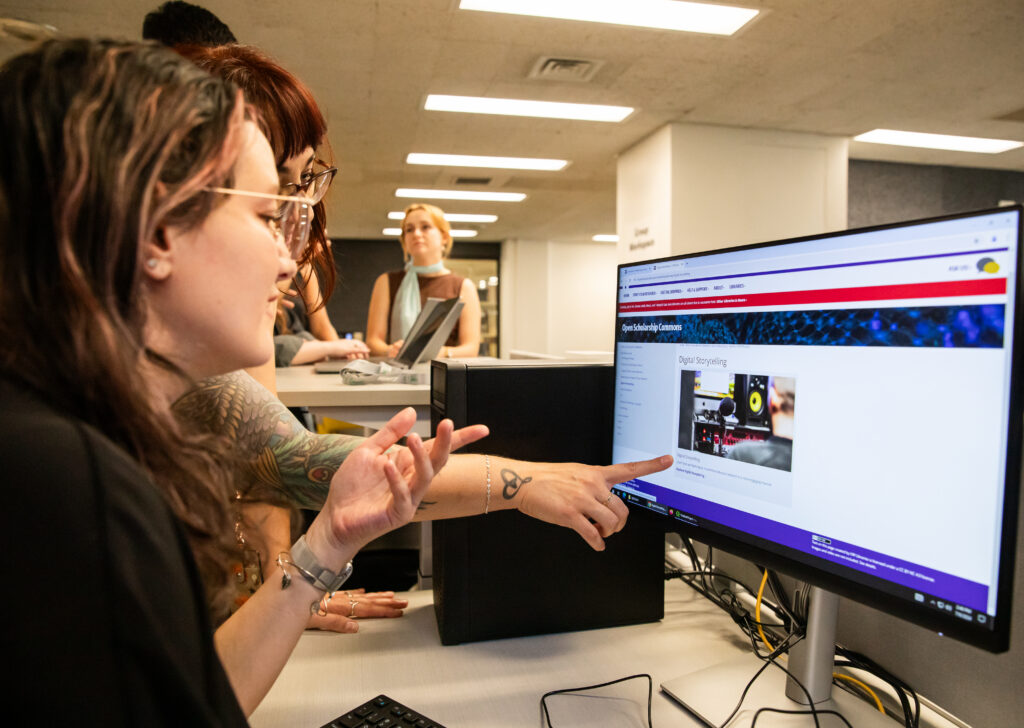
2. You can create digital research projects! With the tools, support and resources from UW Libraries, you can turn your research paper or project into a dynamic, interactive experience by creating web-based projects like a podcast, online exhibit, interactive maps, data charts, and more. UW Libraries Digital Project Support
3. Connect Google Scholar with your UW Libraries account to see which results can be accessed through UW Libraries with a direct link to the resource in the catalog!
4. Students never need to pay for an article. UW Libraries provides access to thousands journals — online and through Interlibrary Loan.
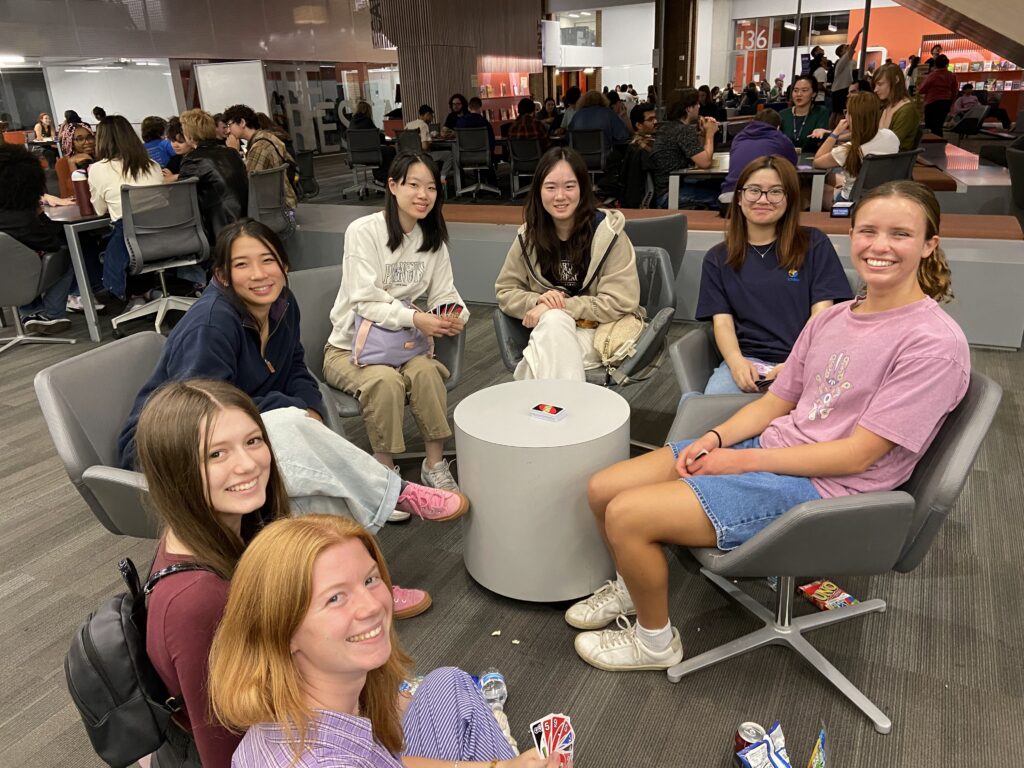
10.There are 15 UW Libraries including at UW Bothell, UW Tacoma and Friday Harbor Labs on San Juan Island! Learn about different types of study and collaboration spaces:
Quick Zoom? Check out the Zoom pods, available on a first-come basis in many libraries.
Need to record? Check out the Recording and Audio Studios in Suzzallo’s Open Scholarship Commons and in Odegaard Library– free to use for all students, faculty, and staff of the University of Washington. Reservations on a first come, first serve basis.
BONUS TIP: The Libraries hosts free learning events on a wide range of topics each month as well as fun, community-oriented events for students and public exhibits. View the calendar.
To find out about Libraries events, Follow us andsubscribeto weekly calendar alerts.
Tateuchi East Asia Library: 2025-2026 Year in Review
June 30, 2026
Director’s Message
by Hyokyoung Yi
As we reflect on academic year 2025-2026 (AY25-26), I am proud of the many ways the Tateuchi East Asia Library continued to advance its mission of supporting research, teaching, learning and community engagement, despite ongoing financial and operational challenges. This year’s accomplishments demonstrate the dedication, creativity and resilience of our librarians, staff, students and partners.
The highlights shared in this report represent only a portion of Tateuchi East Asia Library’s work during the year. I encourage readers to explore the individual reports from all contributors, including Tateuchi East Asia Library librarians, Branch Operations Services, and student employees. In these reports, you will learn more about subject-specific collection development, instructional and outreach activities, digital scholarship initiatives, special collections projects, operational improvements, student-led programming, and the many collaborative efforts that support Tateuchi East Asia Library’s mission. Together, these contributions provide a fuller picture of the Library’s impact across research, teaching, learning and community engagement.
At the heart of Tateuchi East Asia Library’s work remains the development of world-class East Asian collections. Through state funding, grants, gifts and the generous support of the Tateuchi Endowment, our librarians continued to build and sustain collections that meet the evolving needs of researchers and students across disciplines and formats. We also strengthened our international collaborations with the National Central Library of Taiwan, Keio University, the National Library of Korea, and the Korea Foundation. These partnerships helped to expand opportunities for access to East Asian print and digital resources, reinforcing Tateuchi East Asia Library’s role as a global partner in East Asian librarianship.
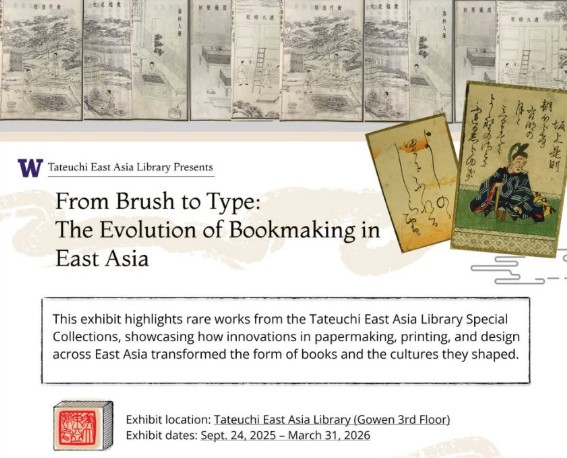
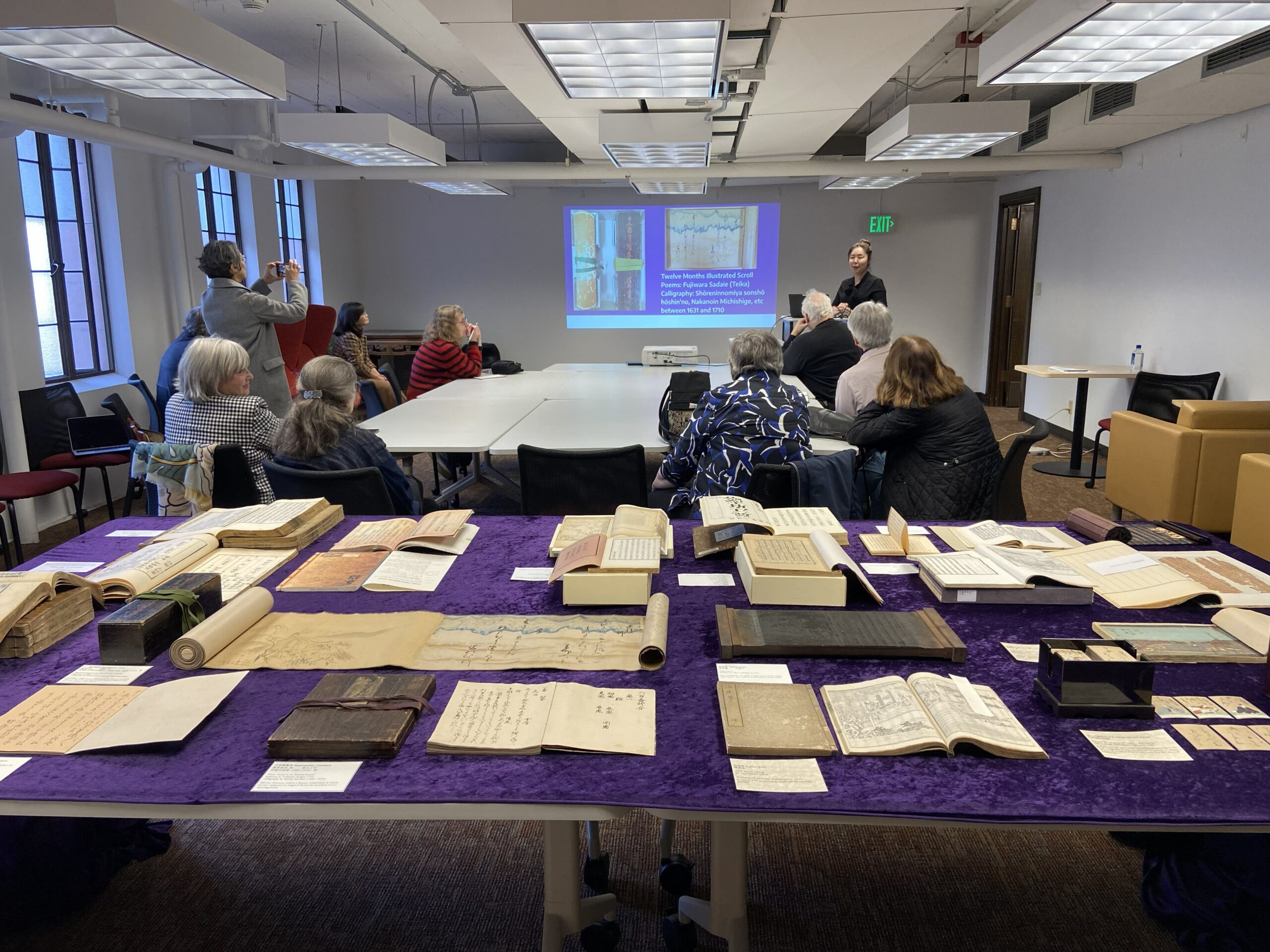
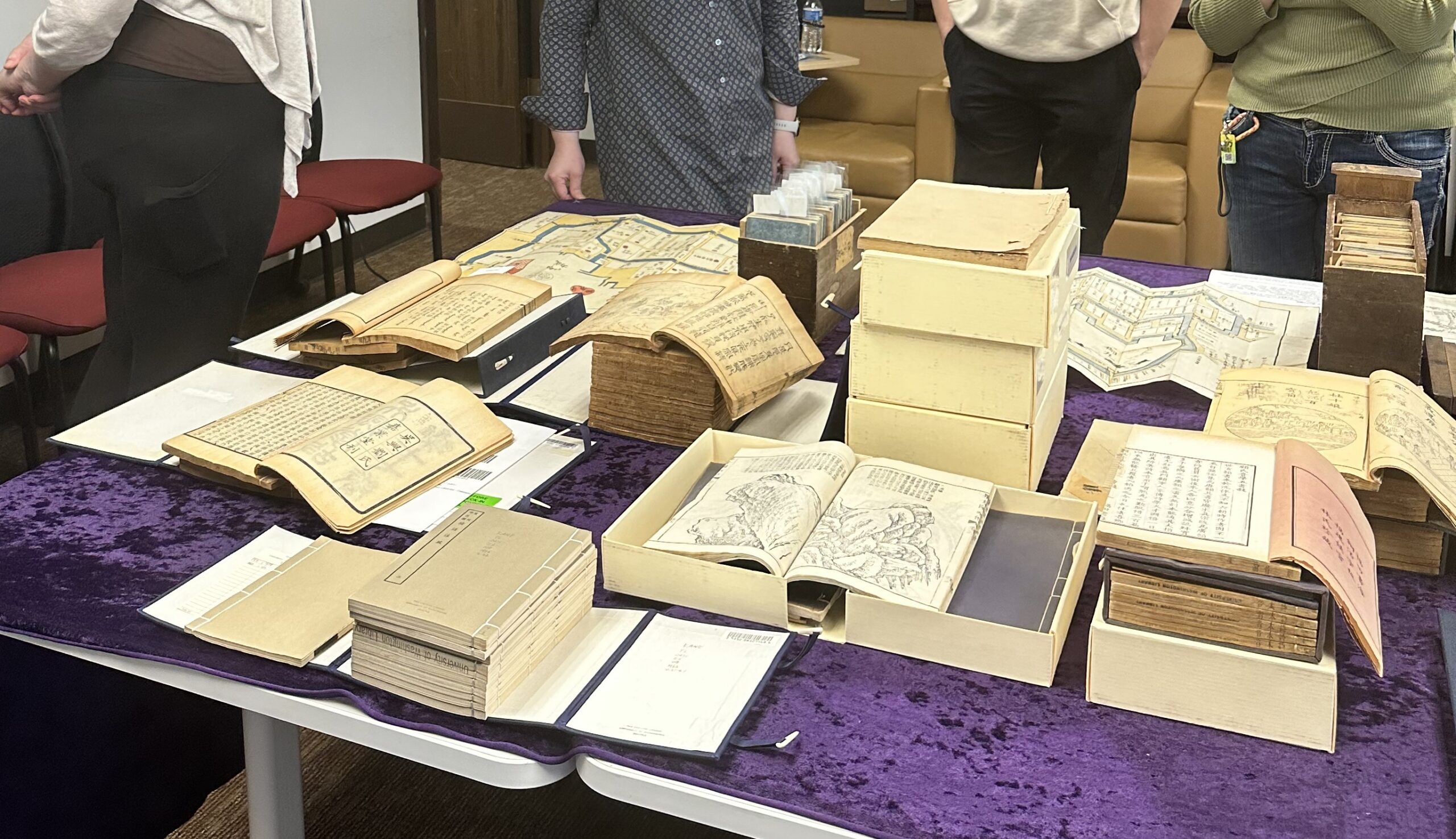
Our Special Collections program continued to serve as a bridge between collections, teaching, and public engagement. The major exhibition, From Brush to Type: The Evolution of Bookmaking in East Asia, highlighted rare materials from Tateuchi East Asia Library’s collections and attracted broad interest from faculty, students, and the wider community. Accompanying workshops provided participants with hands-on experiences examining manuscripts, woodblock prints, and movable-type books. The success of these programs inspired additional collaborations, including a customized instructional session for a new Asian Languages and Literature course on manuscript culture in East Asia and a special workshop for members of the Book Club of Washington.
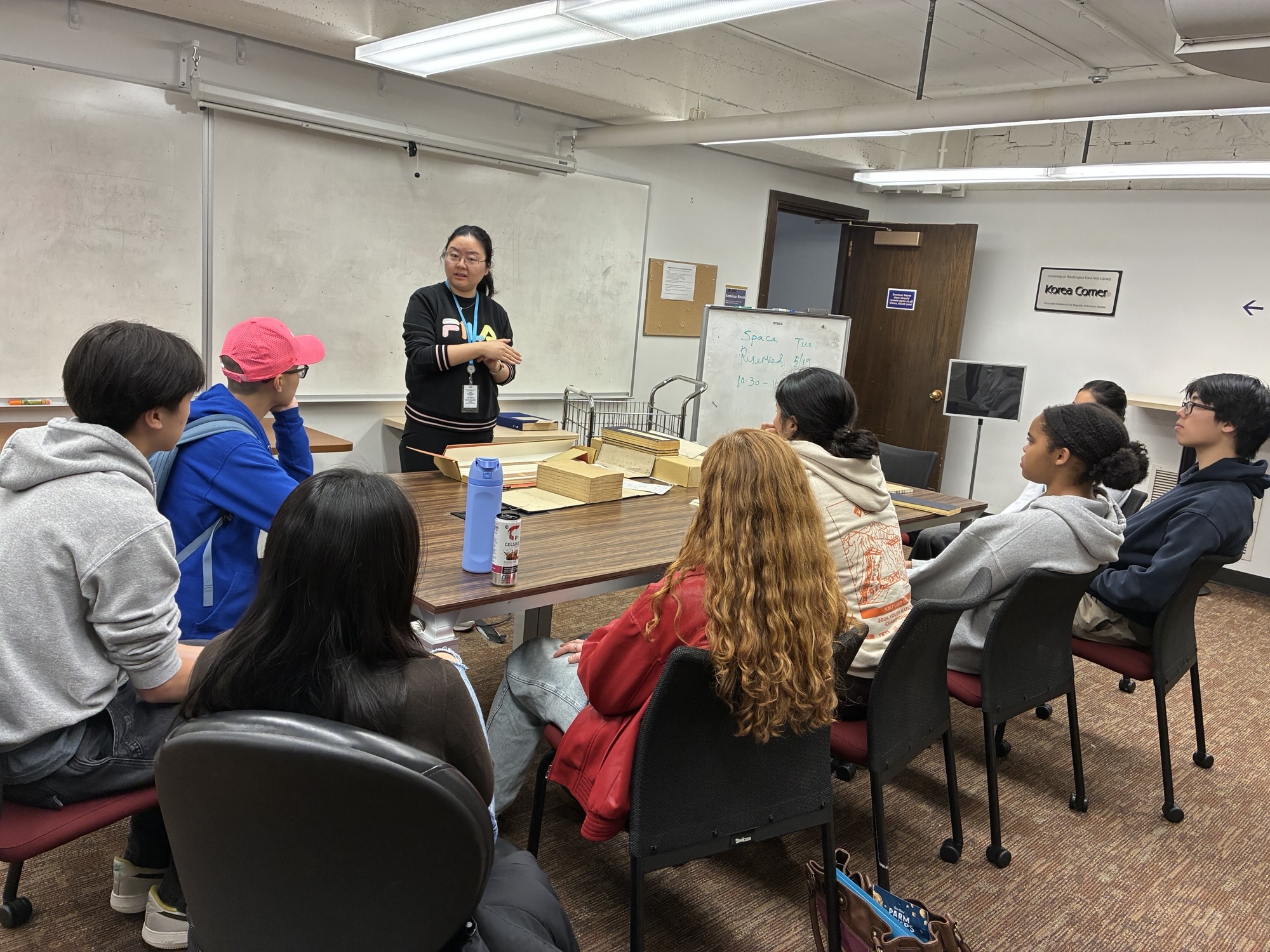
Poster for From Brush to Type: The Evolution of Bookmaking in East Asia exhibition Special Collections materials from the From Brush to Type exhibition, displayed during a hands-on workshop for members of the Book Club of Washington, offering participants an opportunity to closely examine rare manuscripts, woodblock prints, and early printed books from Tateuchi East Asia Library’s collections.
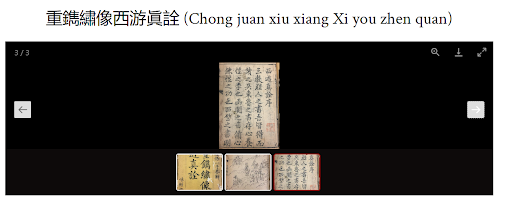
We also collaborated with an Information School graduate student to establish a new Omeka platform for preserving and sharing Tateuchi East Asia Library exhibition archives digitally, laying the groundwork for future student projects and expanded access to our collections. These initiatives reflect our commitment to experiential learning and meaningful student collaboration.
Example of a collection item featured in a Tateuchi East Asia Library online exhibition on the Omeka platform, providing digital access to exhibition materials beyond the physical display.
A major accomplishment this year was the completion of Tateuchi East Asia Library’s Special Collections storage shift and reorganization, led and carried by Branch Operations Services. This significant year-long project involved relocating and inventorying approximately 5,000 items, improving catalog records, and moving materials into a more secure and environmentally-controlled storage. The project strengthened preservation, improved discoverability and positioned the collections for future growth and access.
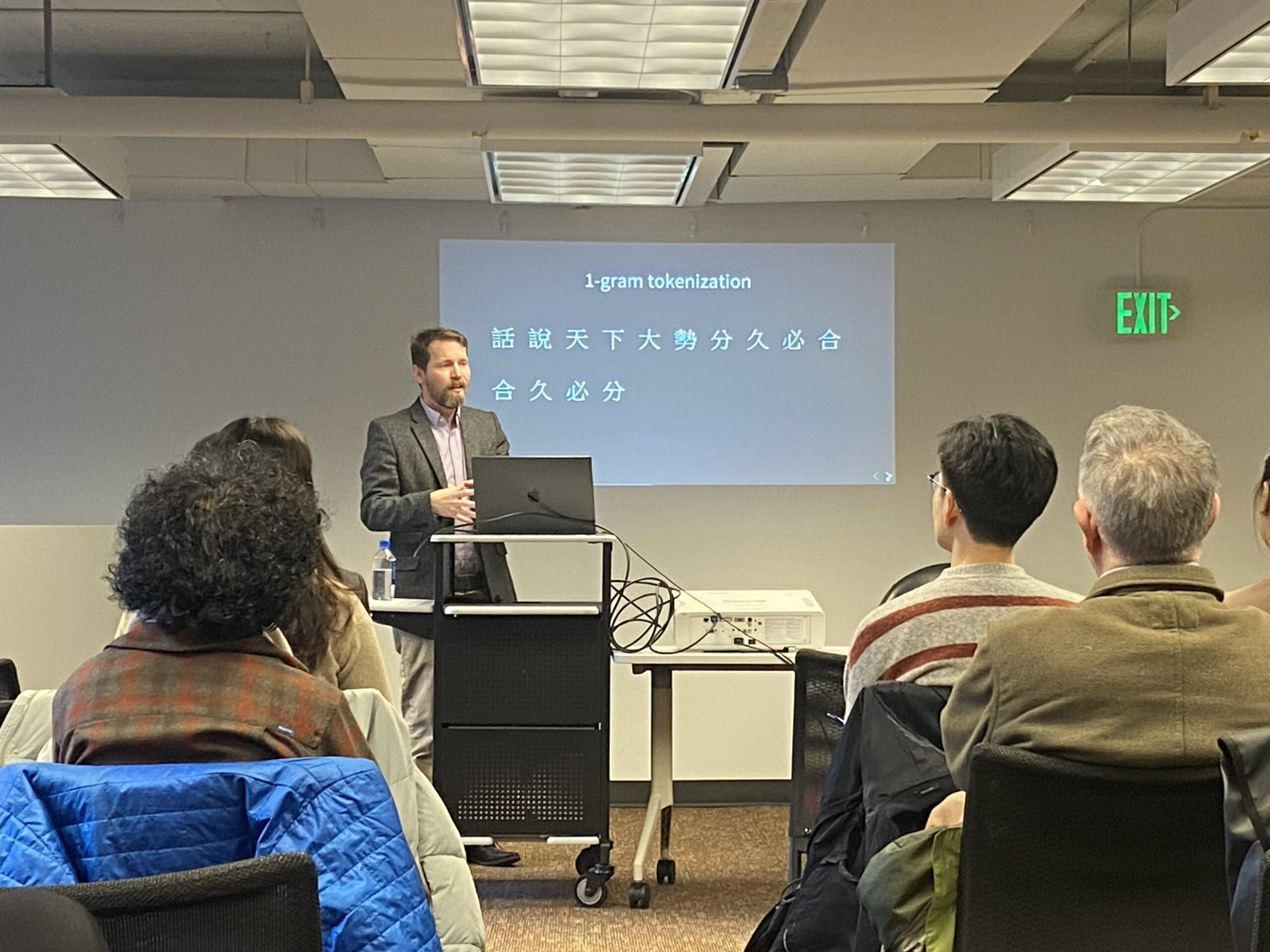
Tateuchi East Asia Library also continued to strengthen its role in digital scholarship. The 2026 Digital Scholarship Series brought together scholars and practitioners to explore innovative research methods involving artificial intelligence, digital humanities, computational linguistics and natural language processing. Through partnerships with the Department of Asian Languages and Literature, the Simpson Center for the Humanities, Textual Studies, and UW Libraries’ Open Scholarship Commons (OSC), the series fostered interdisciplinary conversations and strengthened connections among faculty, students and librarians.
Professor Paul Viathaler at Princeton University was an invited guest speaker for the Digital Scholarship Series.
Student engagement remained a central priority throughout the year. Tateuchi East Asia Library launched its first Textual Studies (TXTDS) undergraduate capstone partnership project, resulting in a student-curated exhibition focused on East Asian bookbinding traditions.
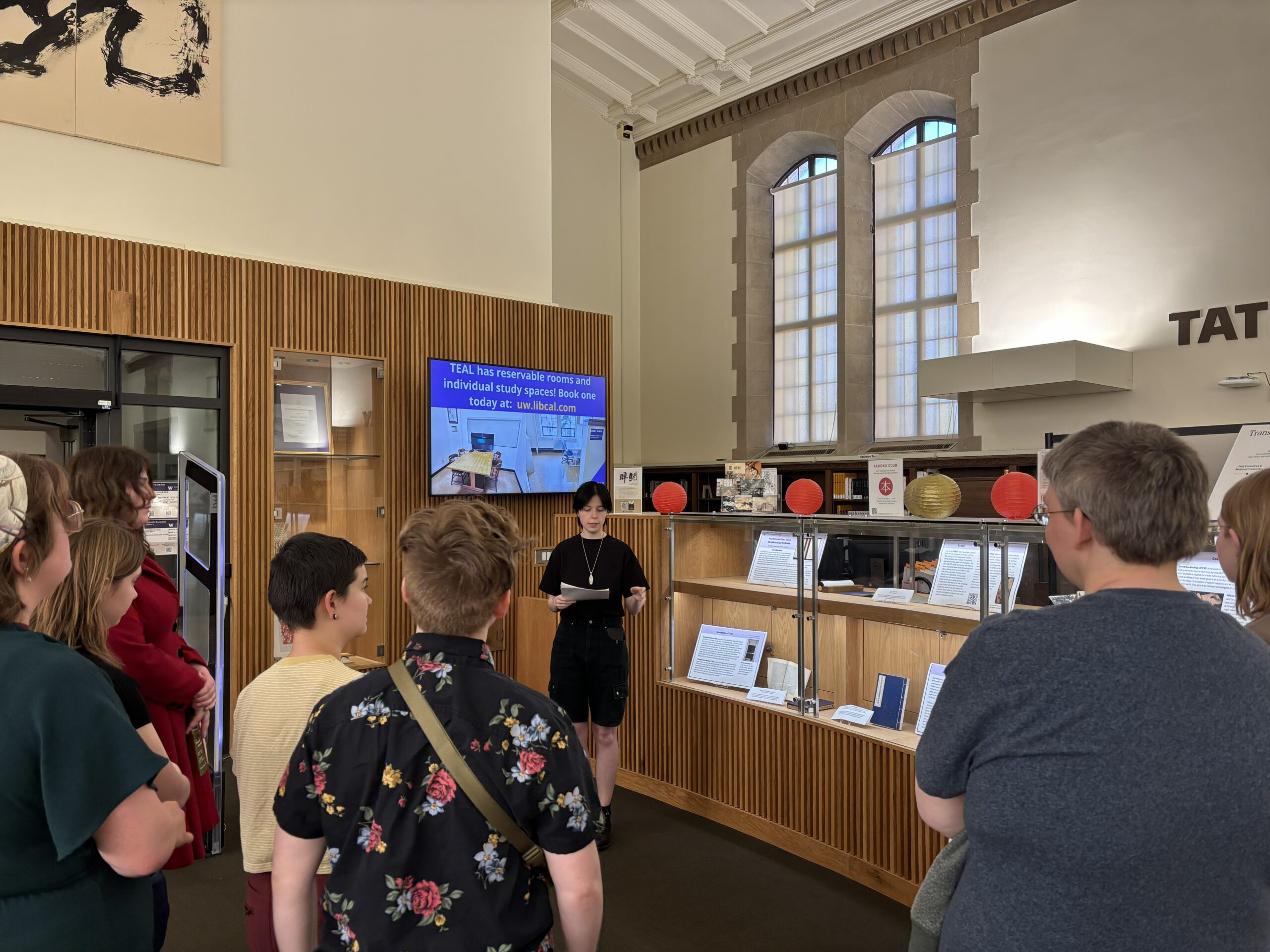
TXTDS capstone student Rowan Herron leads a guided tour of her exhibition on East Asian traditional bookbinding, sharing the research and creative work behind her capstone project.
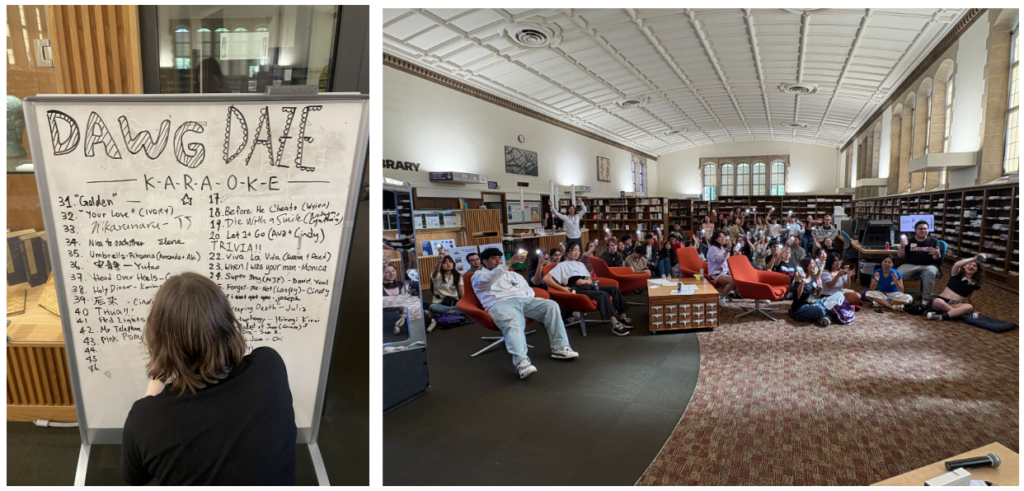
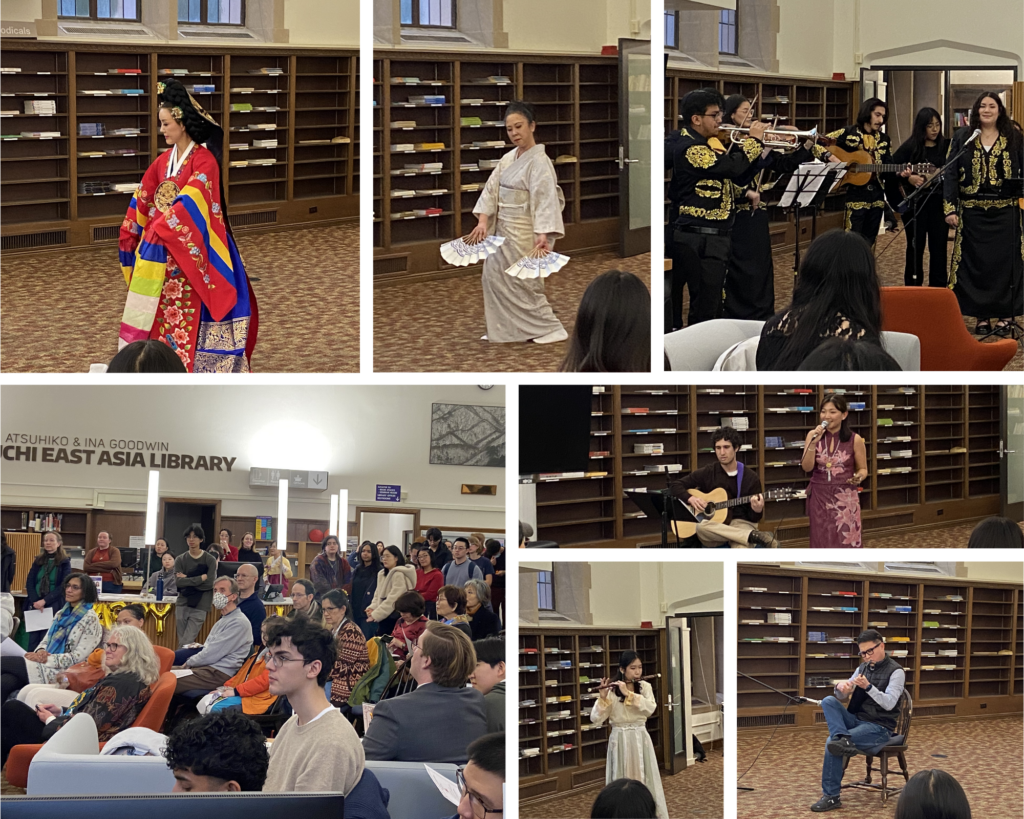
Our library continued to serve as a vibrant gathering place for learning, creativity and community. The annual New Year Celebration expanded to include cultural performances representing a broader range of communities, while student-led programs such as Cherry Blossom Bookmark Making and Dawg Daze Karaoke welcomed hundreds of participants and introduced new audiences to Tateuchi East Asia Library. At the same time, our study spaces, seminar room and reading room remained in high demand for classes, workshops, lectures, meetings and individual study.
Dawg Daze Karaoke at Tateuchi East Asia Library welcomed new students to the library, providing a fun and informal opportunity to connect with library resources, spaces, and the Tateuchi East Asia Library community. 2026 New Year Celebration at Tateuchi East Asia Library. Counterclockwise from top left: Traditional Korean Dance performance by Jin Um from Jin Korean Dance Company, Nihon Buyo by Mari Ikeda-Wilson from Kine-Fuji Kai, Quito Sol de UW Mariachi Band, Singing by Elene Liu, Qazaq Dombra by Yerjasyn “Jason”, Chinese flute by Hancheng UW, and audience.
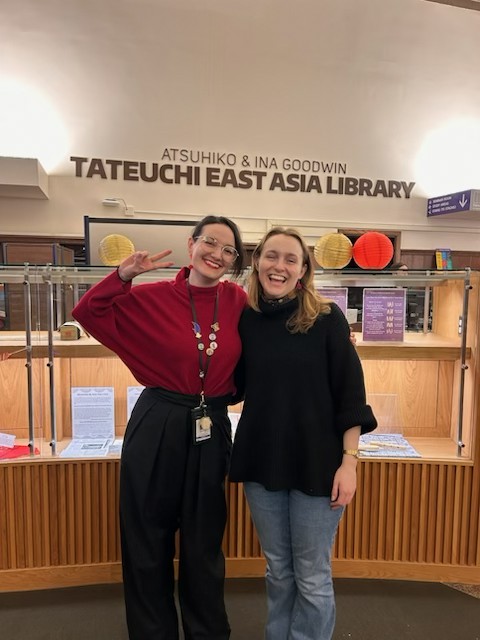
AY25–26 also brought important progress in organizational stability and sustainability. We successfully appointed Lucy Li as China and Taiwan Studies Librarian following a national search and welcomed back Japan Studies Librarian Azusa Tanaka from research leave. We also held Tateuchi East Asia Library’s first retreat bringing together librarians and student employees to reflect on the year’s accomplishments, review student-led initiatives, welcome new team members, and plan for the year ahead, further strengthening collaboration and workplace culture. We continued to improve accessibility for East Asian electronic resources and databases while strategically using endowment and gift funds to support collections, digital scholarship, student programming, and facility improvements. These efforts helped offset budget reductions and strengthen Tateuchi East Asia Library’s long-term sustainability.
These accomplishments reflect the dedication and teamwork of Tateuchi East Asia Library librarians, staff, and student employees, as well as the generous support of our donors, campus partners, faculty collaborators, students and community members. Together, they continue to make Tateuchi East Asia Library an exceptional place for discovery, learning and connection.
Thank you for your continued support of the Tateuchi East Asia Library. We look forward to building on these successes in the coming year.
China & Taiwan
by Lucy Li
Collection Building
The Chinese collection continued to expand this academic year to support China and Chinese language studies. Over 500 print and electronic monographs in Chinese and English were ordered with Tateuchi East Asia Library funds. More than 100 print titles were received as gifts from the National Central Library in Taiwan. Most of this year’s major acquisitions were made with recommendations from our faculty to add currency of topic to our collections, including several large sets of publications on bamboo and silk manuscripts, language learning materials, and databases.
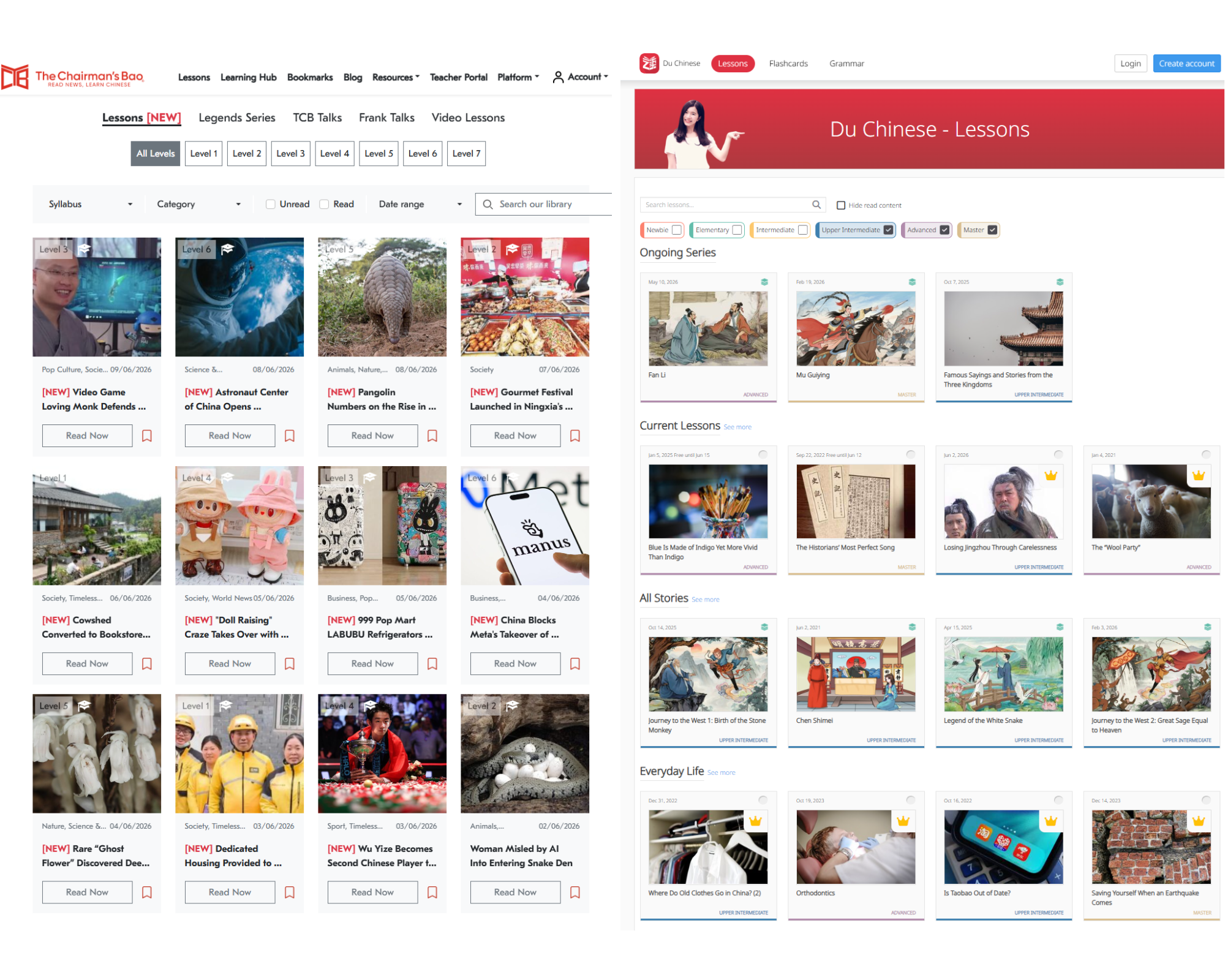
To support Chinese language learning, Tateuchi East Asia Library provided access to the Du Chinese platform to 180 Chinese class students, adding daily conversations, folk stories, and cultural readings to news reading in The Chairman’s Bao, a Chinese learning platform also provided by the library. Furthermore, Tateuchi East Asia Library updated its Chinese language learning shelf with faculty-recommended leveled reading series, Chinese Breeze 汉语风 and Home China 家园中国 that supported the Chinese Reading Club every Thursday in our seminar room.
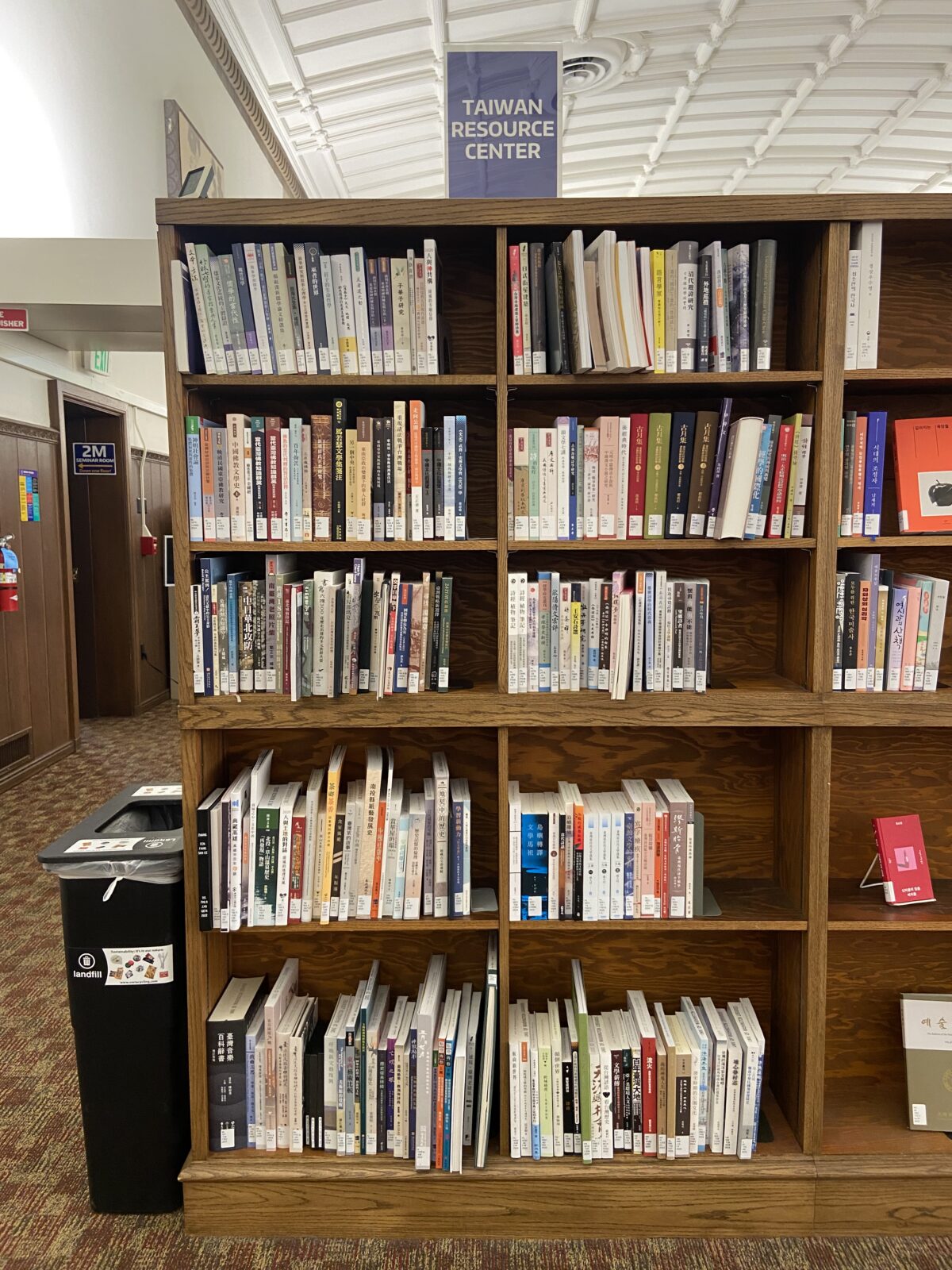
Access to Chinese language learning platforms Du Chinese and The Chairman’s Bao enrich reading for all Chinese classes in levels 1-4 offered by AL&L. Taiwan Resource Center for Chinese Studies new book shelf full with this year’s incoming titles from the National Central Library.
The Chinese collection is also increasing investment in digital resources to enhance access, improve accessibility and relieve space constraints. We expanded access to all published titles in the National Population Census of China (NPCC) 中国人口普查数据库 with funding from the UW Libraries Allen Endowment Funding for Collections & Information Resources.. We also increased subscriptions from 20,000 to more than 65,000 volumes of Chinese local gazetteers in Wanfang Data New Gazetteer (post-1949)万方 – 新方志. We acquired two archives, The Chinese Soviet Republic and South China Sea Island Disputes: 1877-1988 with more historical primary sources. We are continuing license negotiations and digital accessibility testing on additional Chinese digital resources that will be available starting next academic year.
Liaison and Community Outreach
It was a lot of team work for this year’s orientation and instruction sessions. At the beginning of the academic year, I joined Tateuchi East Asia Library and international studies librarians to co-instruct orientation sessions to Jackson School and Asian Literature and Languages programs. As Tateuchi East Asia Library’s special collection exhibit opened, Tateuchi East Asia Library librarians offered in-class sessions and library workshops connecting users with these unique items. From the Chinese collection, I brought large sets of excavated bamboo and silk manuscripts, and traditionally bound and printed ancient texts to make the connection between students’ reading and learning with materials.
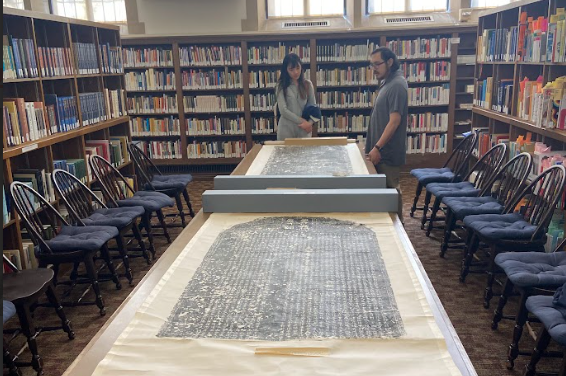
Display of Chinese special collection items in one special collection instruction session. Butterfly-style stitch-bound books in Chinese, one of a few in the Tateuchi East Asia Library collection. Visitors from Kaifeng, China and the Sino-Judiac Institute visited the library to see the stele rubbing scrolls on the history of Kaifeng synagogues from the Ming dynasty.
I also led library tours for on-campus and community groups. It was the second year the senior Chinese class from Lakeside Upper School visited our library. I presented items from East Asia printing history sessions and offered a brief history on Chinese bookmaking. I have also shown the library to international students from Japan and Taiwan who were in UW’s Language and Culture Short Term English Program in the summer and advanced learners in UW Transition School in the spring. Students were surprised to find large collections of non-English language books in their library.
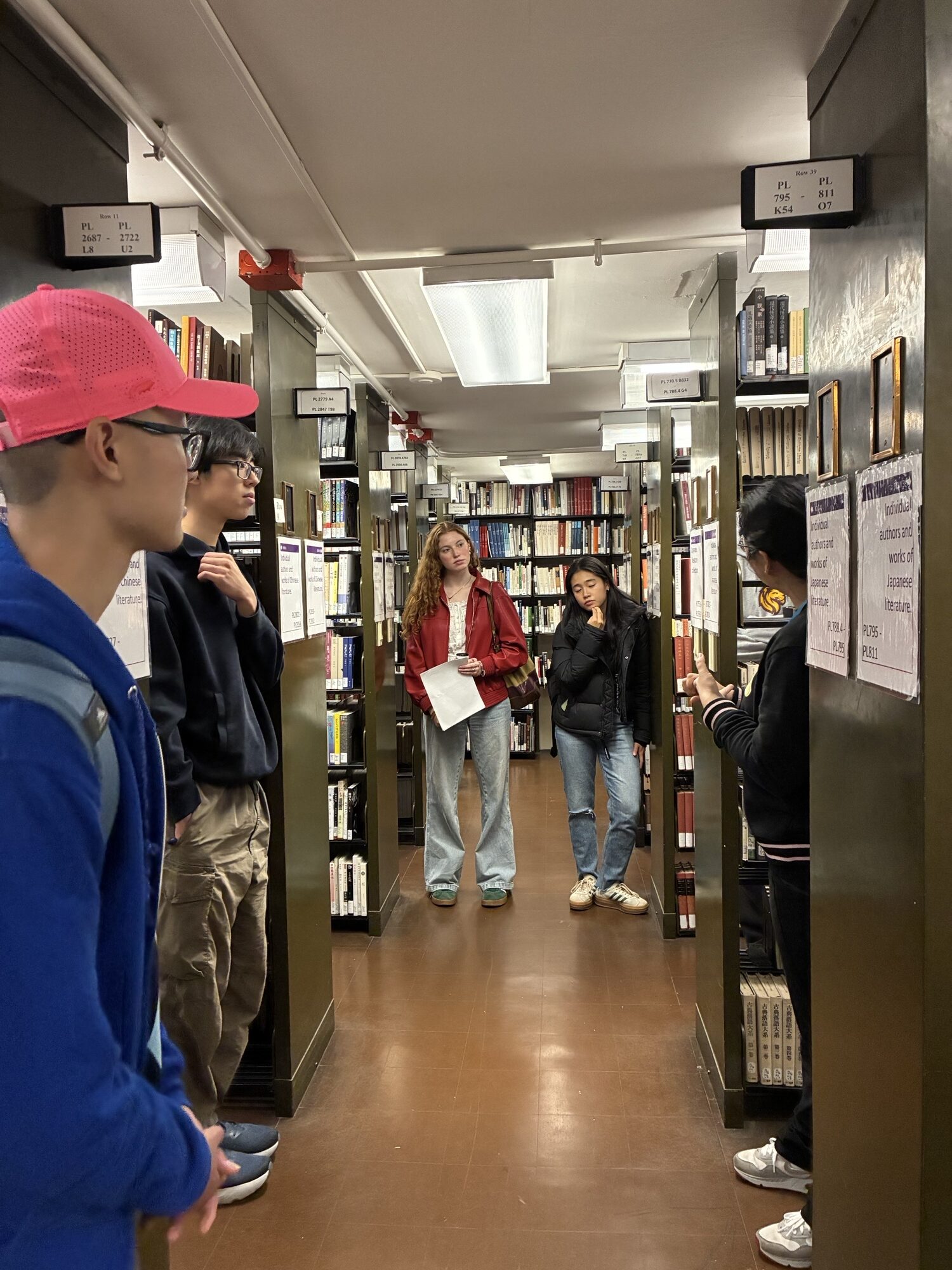
Lakeside Upper School senior Chinese class students visiting Tateuchi East Asia Library stacks.
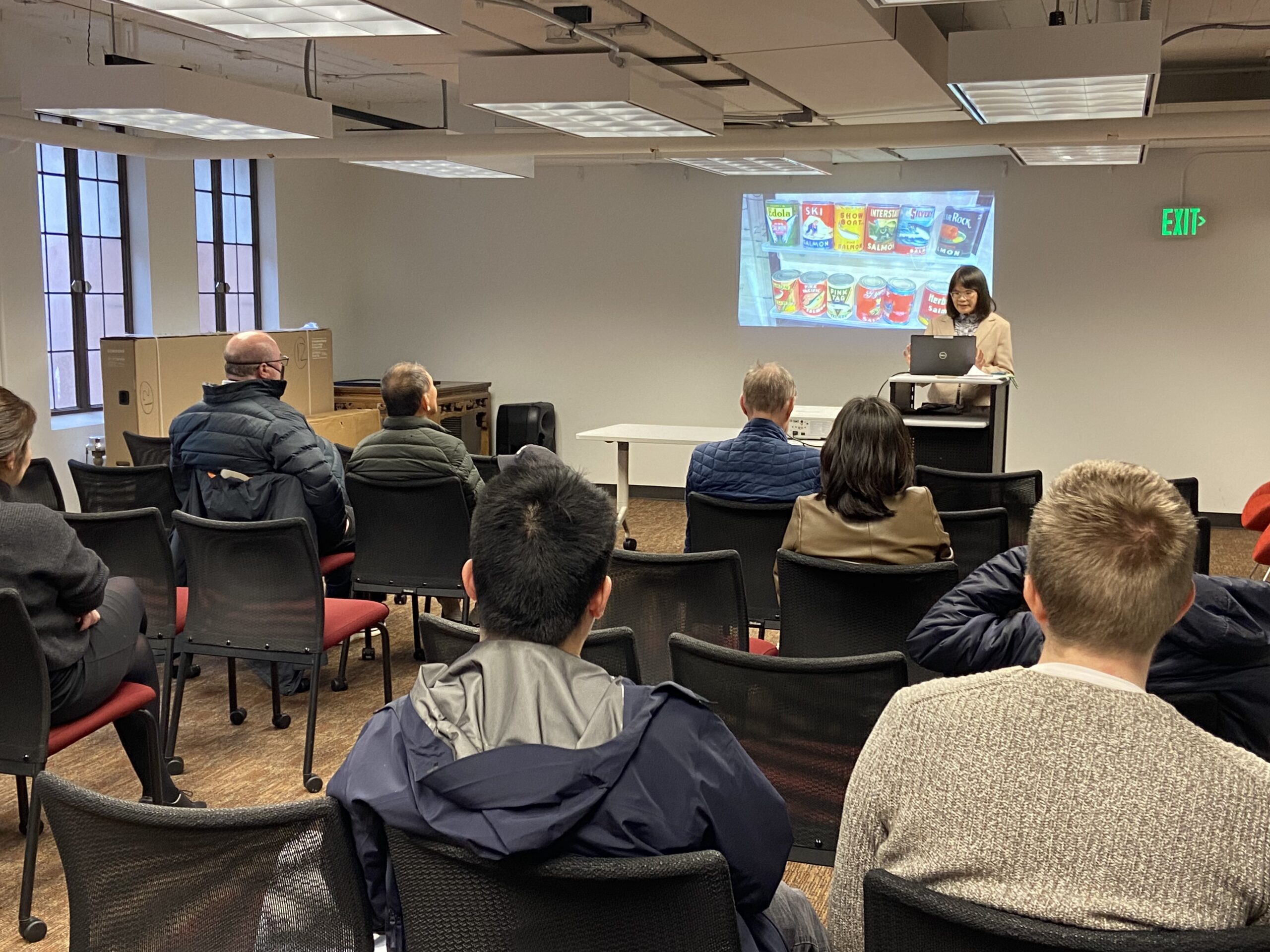
Lucy gave a presentation on the history of Chinese bookmaking to local high school students.
Scholarly and Professional Exchange
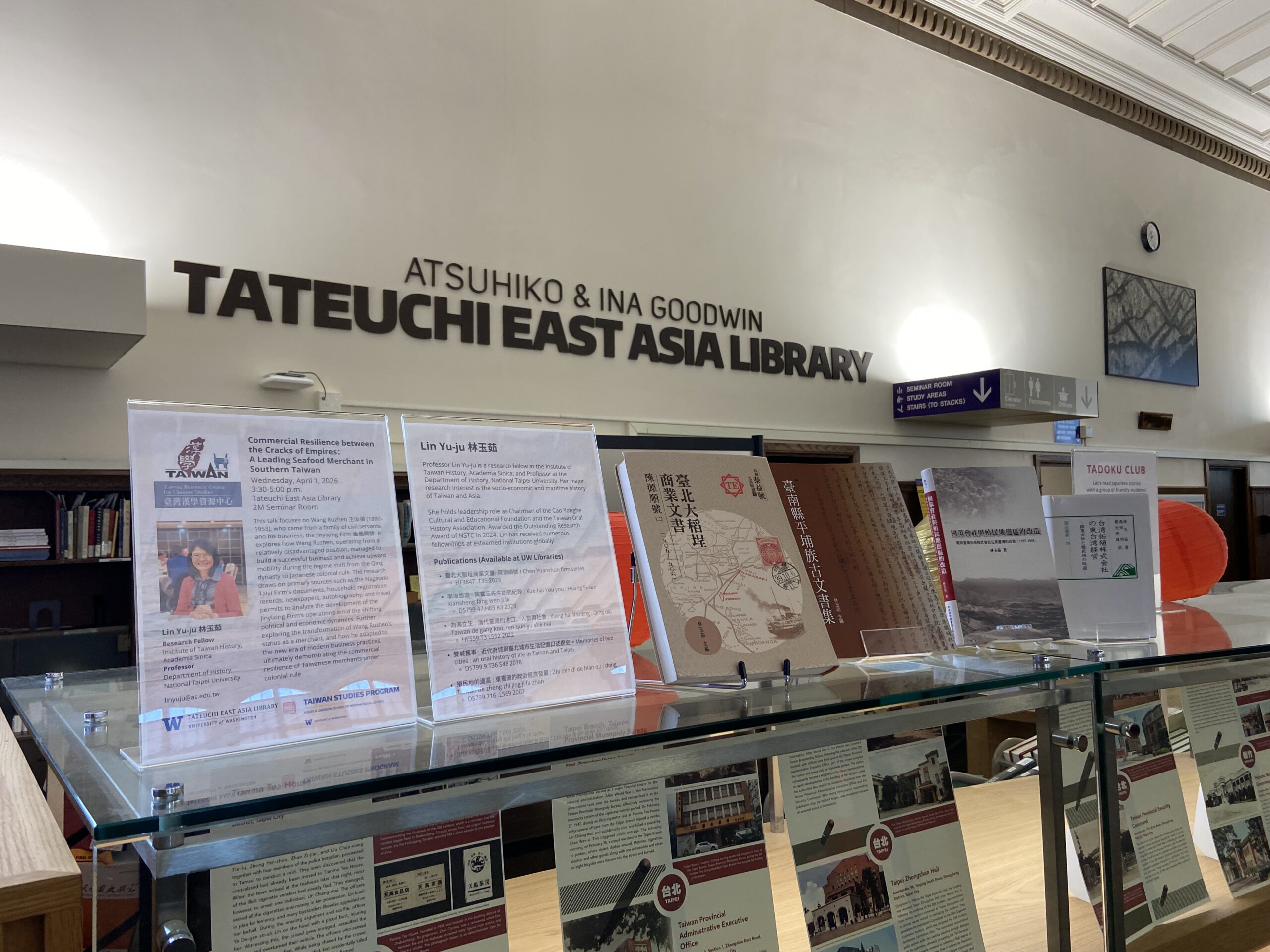
We hosted Professor Lin Yu-ju 林玉茹 from Academia Sinica for a week of scholarly exchange this year. The National Central Library sponsored Lin’s visit to Tateuchi East Asia Library as part of Taiwan Resource Center for Chinese Studies academic programs. During her visit, Professor Lin met with UW Taiwan and China Studies programs faculty and PhD students. Lin and I also examined UW Special Collections materials, faculty papers, news clippings, and photos of Taiwan together. On April 1, Professor Lin gave a talk on the history of Jinyixing Firm ⾦義興號, a leading seafood merchant in Southern Taiwan during Qing and Japanese colonial rules.
Professor Lin Yu-ju from Academia Sinica gave a talk on Qing and Japanese-ruled Taiwan business.
Promotion of Professor Lin’s talk. Displayed underneath is the exhibit Seeing Beyond the Island: A Lens into the 228 Sites 島內之外鏡行事 — 二二八遺址展 created by the Memorial Foundation of 228 and Taiwan Studies Program.
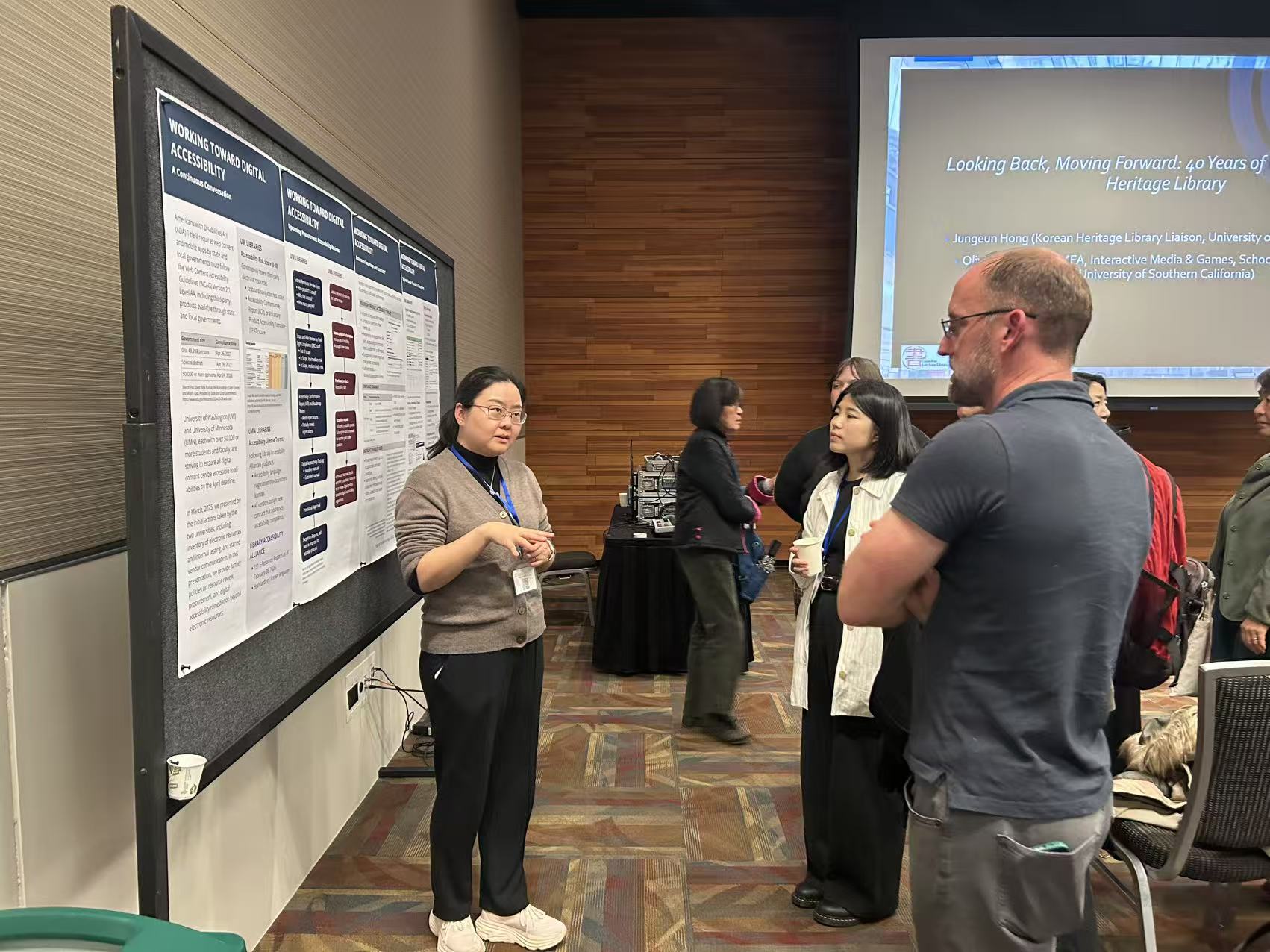
I attended this year’s Council of East Asia Libraries conference in Vancouver and learned about unique collections, projects and exhibits at different institutions; also trends in East Asia librarianship, especially the applicable and ethical use of AI in cataloging and public service. Partnering again with University of Minnesota Asian Studies Librarian, Shuqi Ye, we continued to present each institute’s effort in curating digitally accessible electronic resources from East Asian vendors. My part showed more extensive test and evaluation standards UW Libraries will adopt in the upcoming years. In the following Society of Chinese Studies Librarians meeting at University of British Columbia, I was elected one of the board members to chair the general affairs committee for the next two-year term.
Lucy presented electronic resource digital accessibility requirements at CEAL conference in March, 2026.
Japan
by Azusa Tanaka
Collection Building
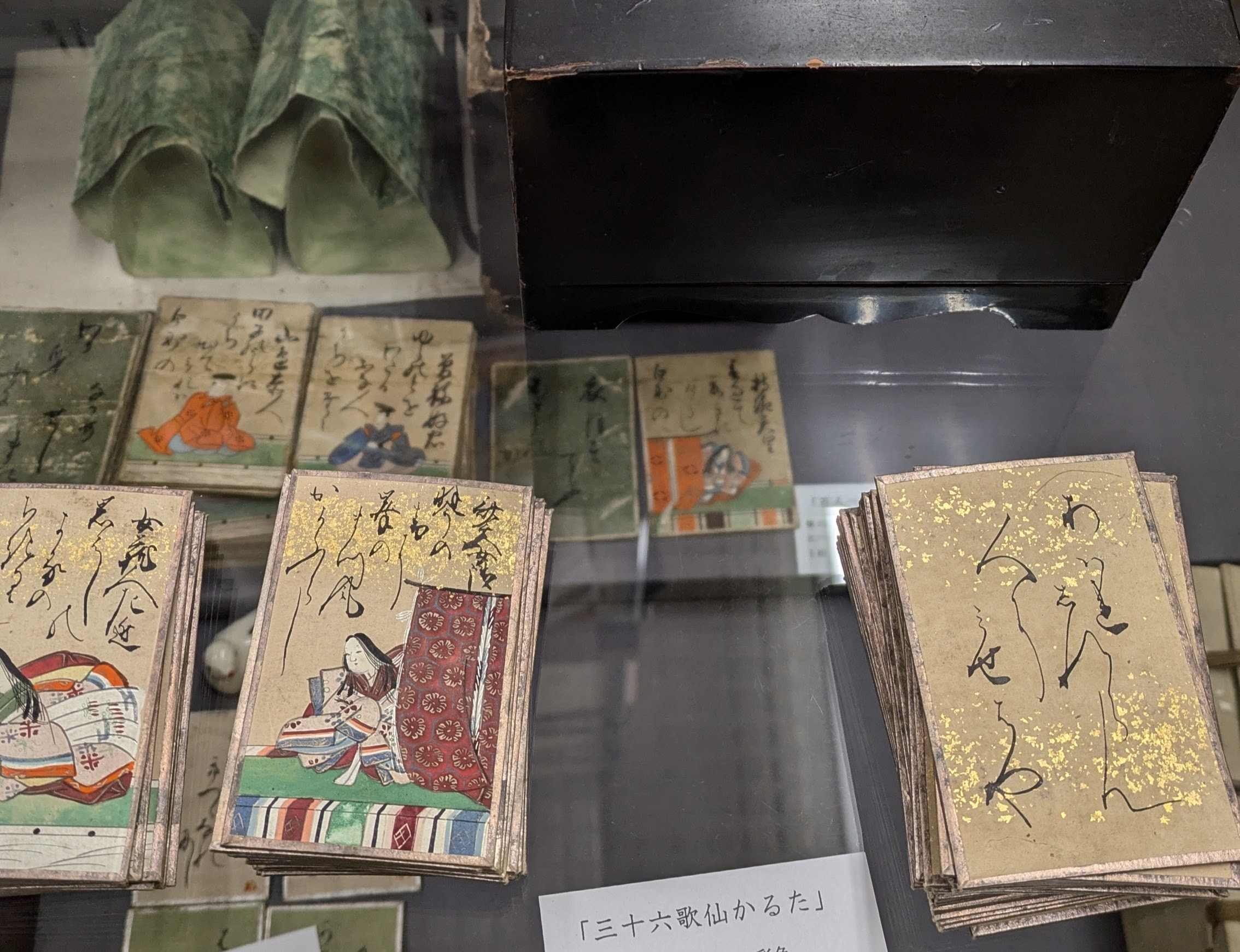
Over the year, I continued to strengthen the Japanese Studies collection by acquiring materials across premodern books, reference works, politics and economics, literature, history, and performing arts and cultural studies. Notably, I acquired several sets of karuta, traditional Japanese playing cards, often based on classical poetry, literary works, or historical and cultural themes, including Sanjūrokkasen karuta (三十六歌仙かるた), Ise monogatari karuta (伊勢物語かるた) and Hyakunin isshu karuta (百人一首かるた). These were purchased in person from antiquarian bookstores in Jinbōchō, Tokyo, with guidance from Professor Takahiro Sasaki of Keio University. They show how Japanese classical literature was received through play and visual culture, while also conveying traditions of poetry, calligraphy, printing and illustration. They have already been used multiple times this year in exhibitions and instruction.
Sanjūrokkasen karuta (三十六歌仙かるた), taken out of a glass display case for viewing at an antiquarian bookstore in Jinbōchō, Tokyo
I also acquired updated editions and newly published reference works, including biographical dictionaries, bibliographies, statistical yearbooks, and subject-specific reference books, strengthening the foundational research environment for Japanese Studies. Additional acquisitions on Okinawa, diplomacy, war and occupation, colonial rule, social welfare, migration, contemporary politics, economic history, literature, film, theater, manga, and journalism further expanded the collection’s support for teaching and research from traditional culture to contemporary society.
In addition, I evaluated Japanese-language eBooks, newspaper and magazine databases, and other digital resources, with attention to usability, accessibility, and off-campus access. In line with UW Libraries’ broader accessibility efforts, our student specialist, Ricky, and I investigated access issues affecting Japanese-language electronic resources, and worked with vendors and campus partners to improve platform functionality.
Finally, I began conversations with vendors and Japanese library professionals about corpus-based datasets and other resources that could support emerging research needs in Japanese Studies, East Asian Studies, digital humanities, and text and data mining. Examples include machine-readable newspaper archives, article-level metadata, historical text corpora, and bibliographic datasets that could support computational analysis, language research, and large-scale text mining.
Liaison and Community Outreach
Throughout the year, I connected students, faculty, and community members with Japanese and East Asian Studies collections through orientations, course-integrated instruction, and special collections sessions. These included graduate orientations for the Jackson School and Asian Languages and Literature, JSIS 555: Introduction to Japanese Studies, JSIS A/HSTAS 432: History of the Japanese Empire, and sessions introducing rare books and primary sources for premodern Japanese classes.
I also brought my sabbatical research into the classroom through ASIAN 498/TXTDS 403B: Archives, Data, and Databases, where I discussed how AI and microscopic imaging can support the study of premodern Japanese publications and digital methods in East Asian Studies.
Scholarly and Professional Exchange
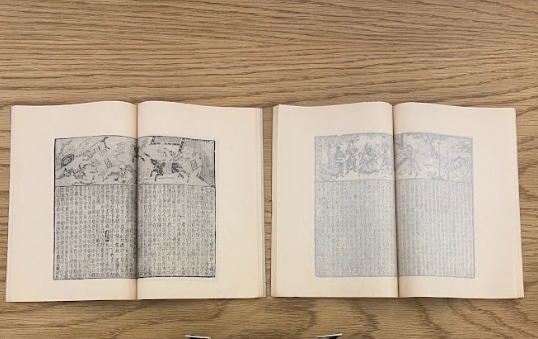
This year, I shared the outcomes of my sabbatical research on AI-assisted dating of premodern Japanese publications through presentations and publications. This project analyzes the fiber structure of premodern Japanese paper through microscopic imaging and machine learning to explore the possibility of estimating publication years for undated materials.
I presented this research at the Washi Bunka Kenkyūkai [Japanese Washi Paper Culture Study] in July 2025 and at the Pacific Rim Research Libraries Alliance Annual Meeting in October 2025. In November, I shared the project through Tateuchi East Asia Library’s Digital Scholarship for East Asian Studies Series. I also submitted an article based on this research for publication in the June 2026 issue of Washi Bunka Kenkyū [Japanese Washi Paper Culture Study].
In addition, I traveled to Japan to continue my sabbatical research, meet with vendors, and discuss licensing for corpus-based data products. This visit connected my research with electronic resource evaluation, vendor engagement, and future collection development, and helped explore support for AI-enabled Japanese Studies, East Asian Studies, digital humanities, and text and data mining.
Korea
by Hyokyoung Yi
Collection Building
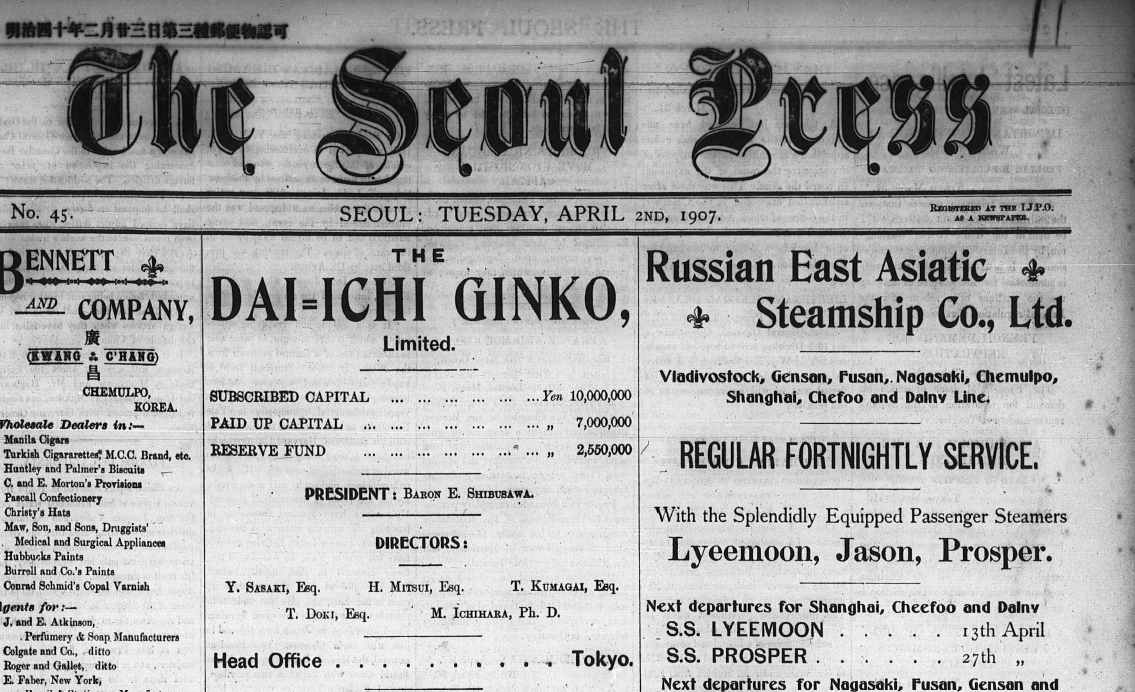
This year saw significant growth in Korean Studies collections, strengthening access to primary sources and contemporary materials for research and teaching. Through Allen Endowment funding, the library acquired The Seoul Press Online, an important digital archive of the English-language newspaper published between 1907 and 1937. As Japan’s principal news outlet representing colonial Korea to international audiences, The Seoul Press offers critical insight into Japanese imperial discourse, colonial governance, and modern East Asian history. The resource significantly expands opportunities for scholarship in Korean history, media studies, and colonial studies, with additional missing issues to be incorporated as they become available.
Digital edition of The Seoul Press, April 2, 1907
Access to Korean-language materials also expanded substantially through the growth of Kyobo e-book holdings, which now include more than 3,300 titles, broadening support for language learning, teaching, and interdisciplinary research.
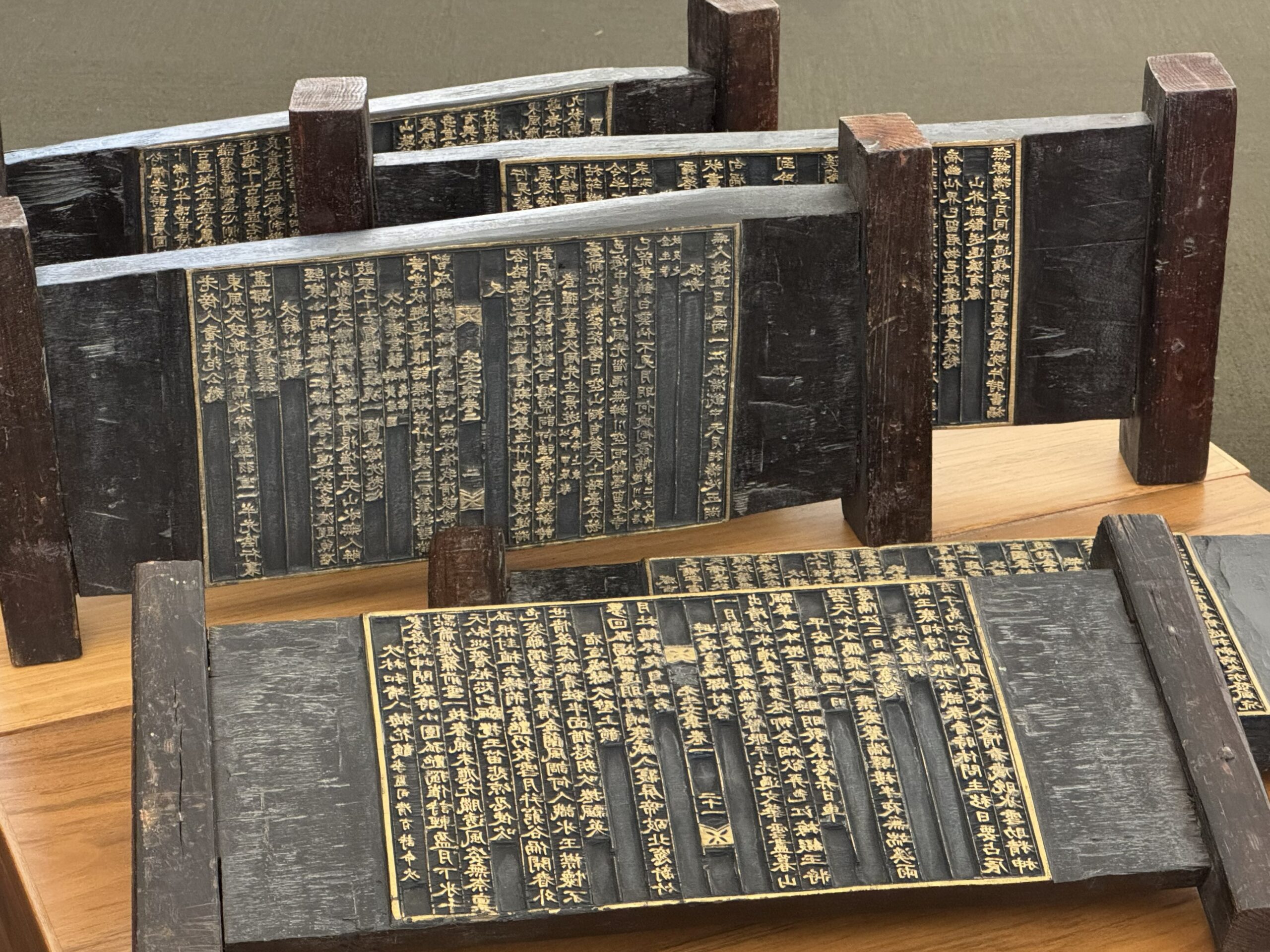
One of the most significant acquisitions this year was a set of five original woodblocks for Kumgye chip (錦溪集), presumed to have been produced by Ugyang Sowon (郁陽書院) in 1755. Kumgye chip is an anthology of writings by Hwang Jun-ryang (黃俊良, 1517-1563), a prominent scholar and disciple of Yi Hwang (李滉) during the early Joseon dynasty. Painted black with the engraved text highlighted in gold gilt for display purposes, the woodblocks are both visually striking and historically significant. As a unique and rare addition to the Korean special collections, they will serve as an important resource for teaching, learning, and research for students and faculty.
The woodblocks were also introduced during a special “Books Unbound” class session in the Textual Studies course, where they provided students with a rare opportunity for hands-on engagement with original historical materials.
Original woodblocks for the Kumgye Chip
Instruction and Research Support
Instructional collaboration continued to connect students directly with rare and meaningful primary sources. In support of a Modern Korean History course, special collections materials—including U.S. Army Korean War leaflets—were incorporated into classroom learning, allowing students to engage firsthand with historical artifacts and deepen their understanding of war, propaganda, and historical memory.
Public Programming and Exhibits
Public programming and exhibitions brought Korean culture, history, and artistic expression to wider campus and community audiences through collaborative and visually engaging installations.
In the Allen Library Lobby, artist Lucia Hwang’s Perpetuate invited viewers to reflect on the persistence of human history and memory through discarded media, such as DVDs and film reels, alongside ancient symbolism. The installation explored how fragments of the past—both material and cultural—continue to shape collective memory, transforming overlooked objects into a meditation on continuity, remembrance, and resilience.
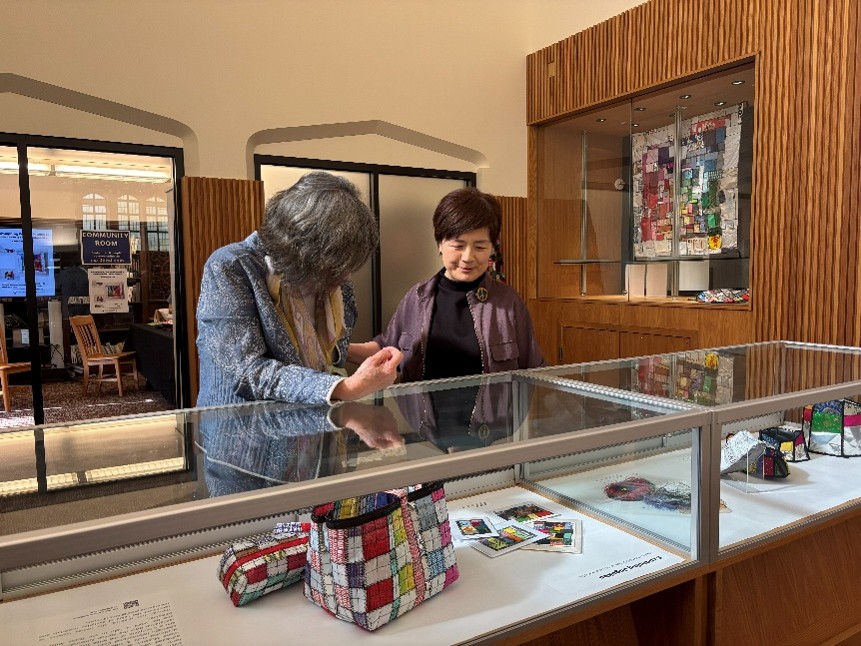
In the Tateuchi East Asia Library Reading Room, artist Bella Yongok Kim’s Reimagining Korean Jogakbo: From Tradition to Sustainability introduced jogakbo, a traditional Korean wrapping cloth created from small fabric remnants by women in the household. Rooted in resourcefulness, care, and the beauty of everyday materials, jogakbo reflects a long-standing tradition of sustainability in Korean culture. Inspired by this practice, Kim reinterpreted jogakbo through contemporary art using recycled plastic packaging and fabric, stitching together discarded materials to transform what was once overlooked into new patterns and forms.
Artist Bella Young Kim (right) at the display in the George Beckmann Reading Room, Tateuchi East Asia Library
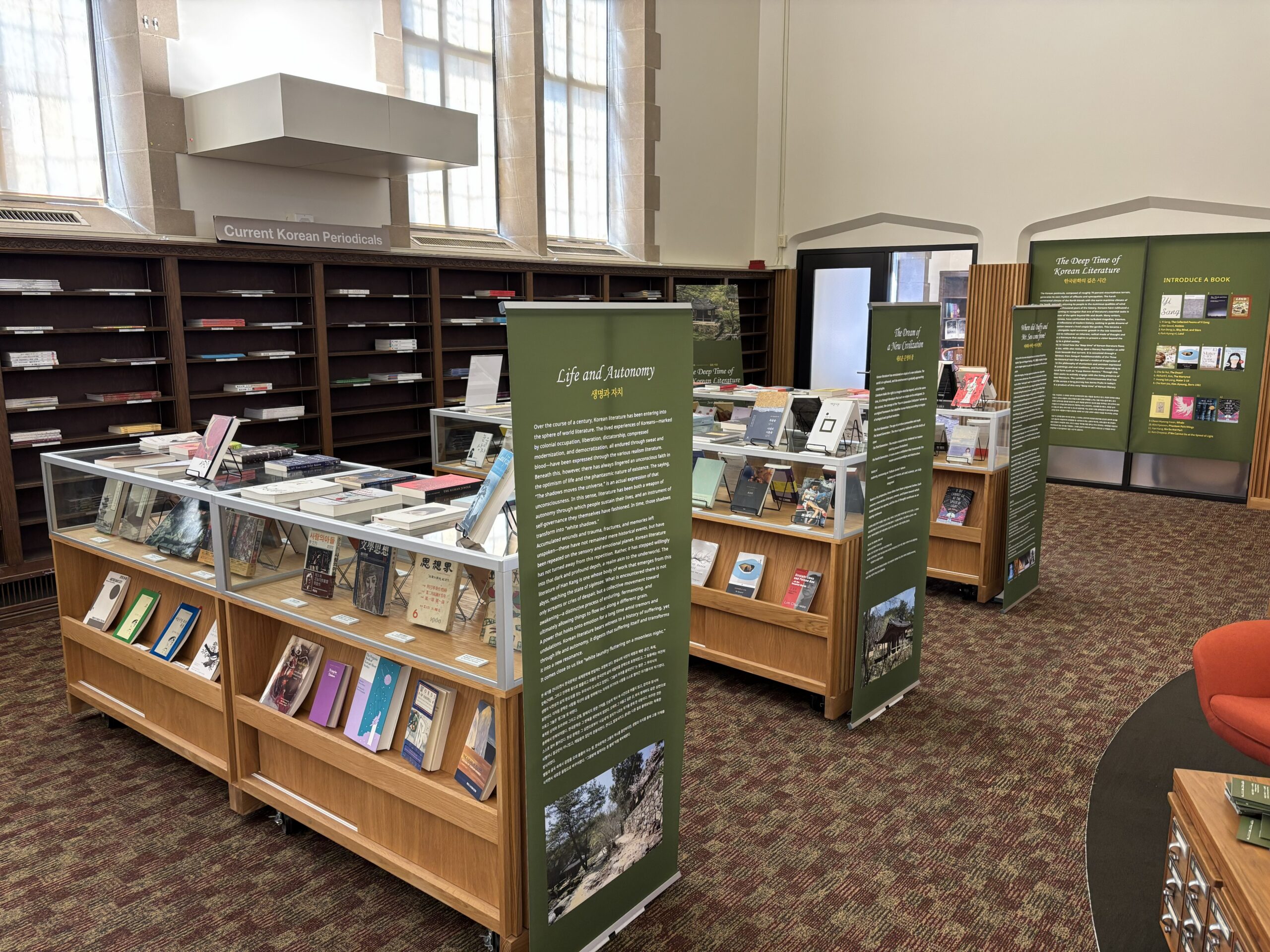
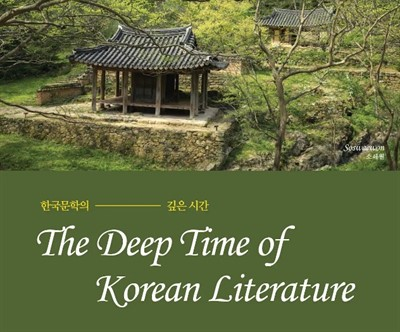
In collaboration with the Korean Cultural Center in Los Angeles, the library also hosted The Deep Time of Korean Literature, an exhibition celebrating the breadth and continuity of Korean literary traditions. The exhibit highlighted literary works across historical periods, including contemporary writings by Nobel laureate Han Kang, underscoring the global significance and enduring vitality of Korean literature.
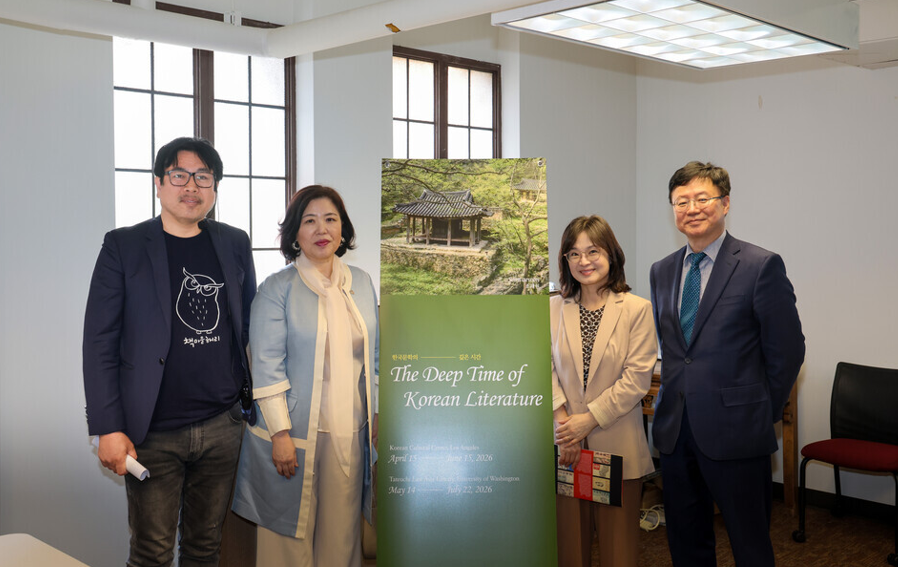
(From Left to Right) Opening reception of The Deep Time of Korean Literature with exhibit curator Nam-su Kim, the Consul General of the Republic of Korea in Seattle Eunji Seo, Tateuchi East Asia Library Director Hyokyoung Yi, and Director Haedon Lee of the Korean Cultural Center in Los Angeles.
Professional Engagement
Professional engagement focused on strengthening Korean collections collaboration across North America and advancing access to Korean literary scholarship. As chair of the Korean Collections Consortium of North America (KCCNA), a successful grant renewal proposal secured the consortium’s final funding cycle of $10,000 annually for FY26–29, supporting all fourteen member institutions. The annual business meeting, hosted during the Council on East Asia Libraries conference in Vancouver, BC, also provided an opportunity to discuss long-term strategies and possible paths forward for collaborative Korean collections work beyond FY29.
Supported by a travel grant from the Center for Korea Studies, a research visit to the Literature Translation Institute of Korea (LTI Korea) in Seoul contributed to the continued expansion of the English Translation Database of Korean Literature. Additional entries were added to strengthen access to translated Korean literary works and support research, discovery, and teaching in Korean literary studies.
Access and Public Services
By Melissa, Rebecca, Sarah, and everyone from Branch Operations Services
The Branch Operations Services team supports circulation, public services, and collection maintenance across eight libraries on the Seattle campus, including the Tateuchi East Asia Library. Rebecca Cavanaugh and Melissa Fallon are the two Public Services Technicians on the Branch Operations team who primarily support the Tateuchi East Asia Library, alongside several other staff members and over 25 student employees.
This year, in addition to daily operations supporting circulation and collection maintenance, highlights included supporting visiting researchers with Special Collections materials, relocating the Manhwa/Manga Cafe to the third floor, and preparing hundreds of library items for displays and events.
While Branch Operations Services provides support for public-facing library projects and events, there have also been big things happening behind the scenes in the library. Rebecca and Melissa have been running an ongoing reintegration project, to make better use of the space available in the stacks for items that are currently in our storage location.
Furthermore, the shift in Tateuchi East Asia Library’s Special Collections storage location is almost complete. In this space, these items are secure and protected in a more temperature-controlled environment. The project has been a huge undertaking and has involved integrating around 5,000 items into the Special Collections stacks, inventorying all of the material in Special Collections item by item, and completing record cleanup so that the Tateuchi East Asia Special Collections are more discoverable in the catalog.
This reorganization has taken almost a year. Rebecca, Melissa, and Emily Klemkow, the Public Services Technician primarily based at the Drama Library, have managed the project, but it is thanks to the entire Branch Operations Services Team that this project has been a success – each of the nine technicians in Branch Operations has put in many hours to make this project a reality. This shift also creates further room to redistribute items in the public stacks in the near future.
Branch Operations Services Team during the Tateuchi East Asia Library Special Collections reorganization project
Dan Halligan, Daily Operations Supervisor, has contributed a lot of work towards updating the space, making study spaces and zoom pods available for users in addition to updating signage. Furthermore, the Branch Operations student supervisors have collaborated with Tateuchi East Asia Library Librarians to run several reference trainings so that student staff on desk are better equipped to connect users with the resources they need. The student staff provide invaluable support in daily operations and in project work around the library.
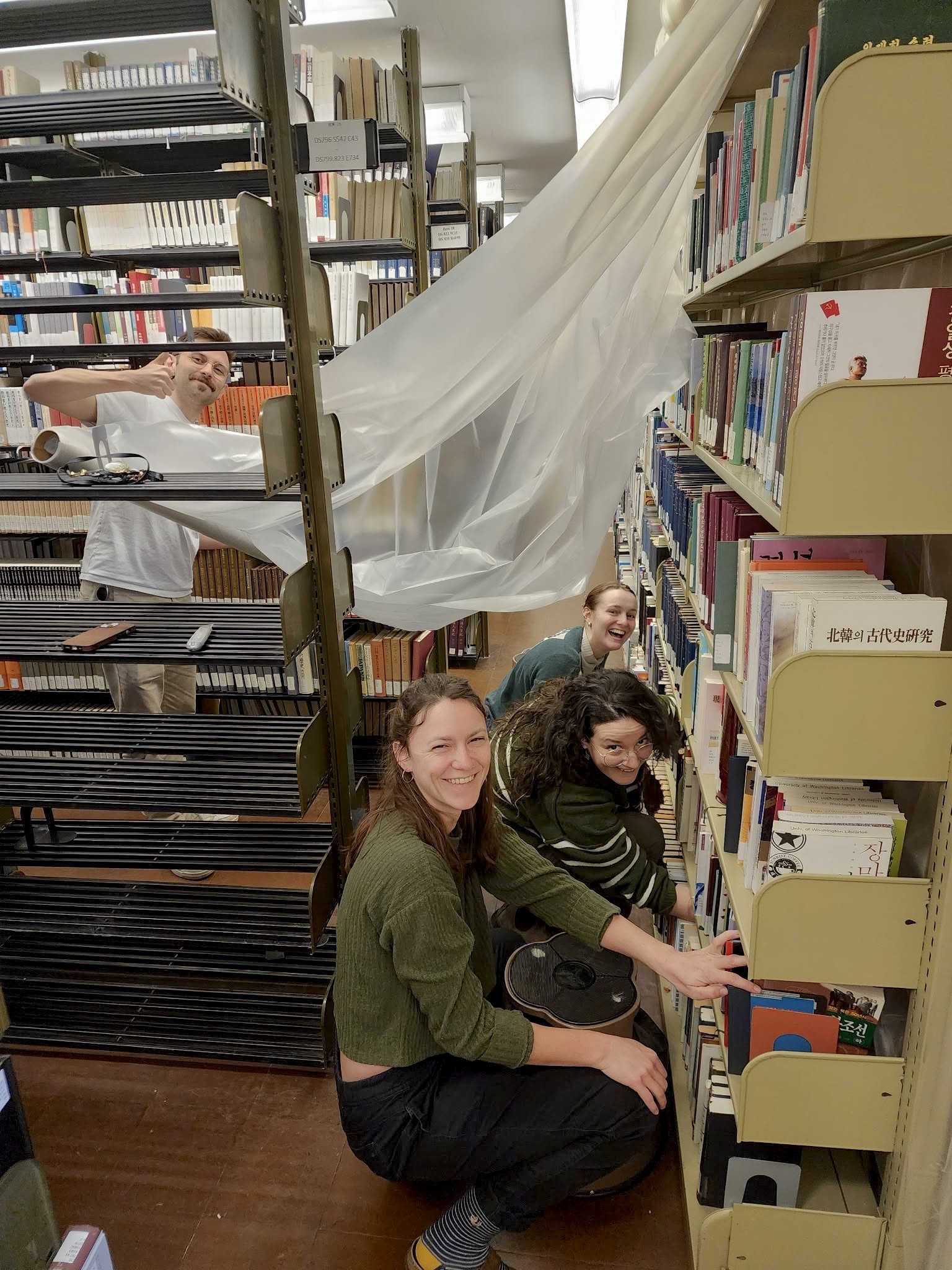
Branch Operations Team safeguarding library collections from water leaks in the stacks
The Branch Operations Services team is delighted to be able to work with Hyokyoung, Azusa, Lucy, and all the other library staff who work tirelessly to connect users with the invaluable resources in this beautiful space. We value our positive collaboration across departments to support the Tateuchi East Asia Library and the community who uses it.
Melissa: I have been a branch technician primarily based at the Tateuchi East Asia Library for over two years now and it is truly a joy to be involved in the work for this space. As a technician my job involves ensuring public access to the library and the collections housed here. The Tateuchi East Asia Library always has an endless supply of interesting puzzles and pieces to parse out. There is truly never a dull moment. In addition to the work, the opportunity to engage with the knowledge housed here, from the collection materials, the events, and the people, cannot be understated. It is such a privilege to work with the wonderful librarians, students, and staff that make this library a fulfilling place to be everyday.
Rebecca: As Melissa’s branch technician counterpart, I assist in all the same ways she does and we often collaborate to ensure our work is consistent across this collection. In the two and a half years I’ve worked here, I have broadened my understanding of East Asian history and academics and developed a deep respect for this collection I help to maintain. I love participating in the many events the Tateuchi East Asia Library hosts throughout the year and highly value the opportunity to work so closely with these incredible librarians.
From Student Supervisors (Carissa, Cody, and Charlie): Hyokyoung, Azusa, and Lucy are endlessly supportive of our student workers, working with them to serve the UW and beyond. The events happening at Tateuchi East Asia Library make it one of the most vibrant spaces on campus, and we are so happy to do our part to support that! We look forward to continuing to work with the librarians to make the Tateuchi East Asia Library a cherished place for students, staff, and the community.
Melissa Fallon and Rebecca Cavanaugh, Public Services Technicians
Student Employees
From Stacks to Stages: 2023-2026 Working At Tateuchi East Asia Library
By Elene Liu
When I first began working at the Tateuchi East Asia Library as the Chinese Language Collection Student Specialist, I did not anticipate how a part-time role would become a space where my academic interests took on tangible forms. As I write my third and last year-in-review as a graduating senior, I came to realize how working at Tateuchi East Asia Library shaped my professional development, concluding my college experience on an unforgettable note.
My Tateuchi East Asia Library journey started by closely working with the China Studies Librarian on the collection, such as rearranging over 2,000 books in Tateuchi East Asia Library’s closed stacks, reviewing our collection of the Cantonese lyric books Mu Yu Shu 木鱼书 against online copies, and helping with curating exhibitions with Tateuchi East Asia Library’s special collection items. As a student of ethnomusicology and linguistics, my academic focus centers on intangible cultural heritage and cultural sustainability, fields that often remain theoretical within coursework. At Tateuchi East Asia Library, however, student-led initiatives are encouraged, allowing me to explore these interests through practice. The first library activity I led independently was the Dawg Daze Karaoke in 2024, where I oversaw every stage of execution, designing physical flyers and online promotions to facilitate the event and energizing the crowd. This experience marked my first step into leadership in event coordination at Tateuchi East Asia Library, inspired me to draw directly on my knowledge of language, culture, and music to create genuine connections within an official campus setting.
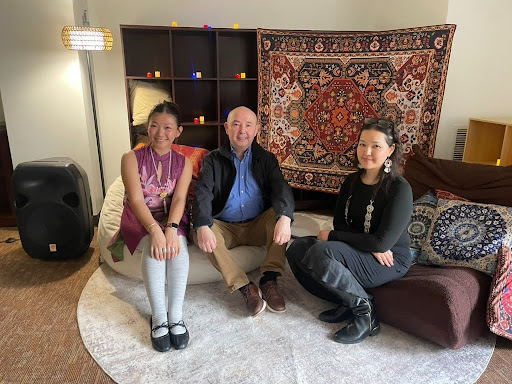
Elene with Professor Talant Mawkanuli, Teaching Professor and Director of Turkic and Central Eurasian Studies Program, and Aliya Nupbay, President of the Central Asian Student Association at the Silk Road Music Concert on March 5, 2026 in Tateuchi East Asia Library 2M Seminar Room.
Encouraged by the positive responses received from activities I led with my fellow student workers in the past two academic years (2024 & 2025 Tateuchi East Asia Library Dawg Daze Karaoke, the 2025 New Year’s Celebration, and the 2025 Cherry Blossom Bookmark DIY Sessions), I was trusted with an expanded role in library programming. As Tateuchi East Asia Library’s signature event, the New Year Celebration showcases East Asian values through both traditional and contemporary cultural performances. This year, I was entrusted with fully planning and leading the event, from recruiting student organization performers and the broader community, structuring and promoting the two-hour program, and actively emceeing the event. Through this experience, I saw how my academic training and event planning mutually reinforced one another: I had designed a public program that actively practiced cultural sustainability rather than merely discussing it. Over time, the programming work at Tateuchi East Asia Library inspired me to develop an interest in arts administration—a field that would allow me to continue this work professionally.
To enhance my knowledge in this area, I practiced through initiating and leading more events at or sponsored by Tateuchi East Asia Library, such as the 2026 Silk Road Music Concert and 2026 Cherryblossom Bookmark DIY. Since promoting these events are equally important as hosting them, I further developed my social media marketing skills through learning to edit short-videos, one of which gained 159k views and 6.7k likes. This process also led me to keep up with the Tateuchi East Asia Library instagram account I started two years ago, gaining a total of 565 followers.
By trusting me with meaningful responsibilities, Tateuchi East Asia Library truly supported my growth at UW, built my confidence as a leader, and revealed a viable career path I had never previously considered. As I graduate this June and begin my career in Arts Administration, I am deeply grateful to this library, for it is where I first discovered my passion and learned to lead with purpose.
Mapping Memory: My Time at Tateuchi East Asia Library
By Ricky Chen
Working as a student assistant at the Tateuchi East Asia Library (Tateuchi East Asia Library) has been a formative chapter in my time at UW, one that has deepened my understanding of East Asian history, library science, and community engagement in ways I could not have anticipated.
At the heart of my work was the Naikokuzu and Guihozu (domestic and imperial territories Japanese military captured maps) Collection Inventory Project. It is a painstaking but profoundly meaningful effort to verify and document one of the library’s most historically significant holdings. These maps, produced by the imperial Japanese Army from the Meiji era through the end of World War II, bear silent witness to the imperial military’s ambitions across Asia, from Taiwan and Korea to Manchuria and the South Pacific Islands. Working through each entry, cross-referencing details, and ensuring the accuracy of the inventory gave me a deep appreciation for the weight that archival work carries. Behind every map and every data point lies a layered history of colonialism, cartographic power, and contested territory. This project taught me that careful, methodical scholarship is itself a form of historical stewardship.
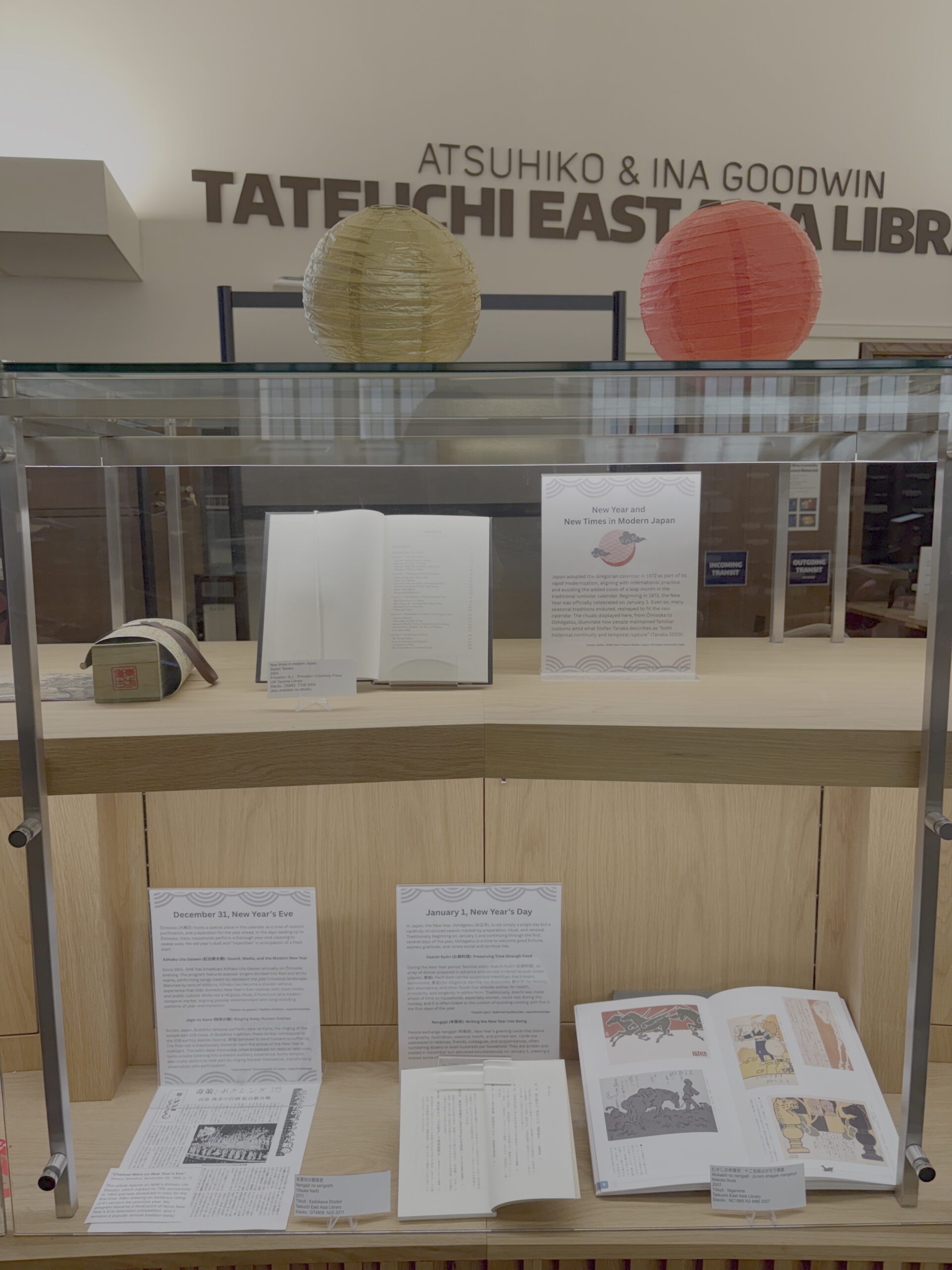
Alongside this work, I had the privilege of collaborating with our Japanese librarian Azusa Tanaka on the accessibility check of the UW Japan Studies Research Guides pages. This experience introduced me to a dimension of library work I had not previously considered. Together, we try our best to ensure that knowledge resources are genuinely usable and equitable for all patrons. It was a reminder that access to information is not only an intellectual value but an ethical one. Meanwhile, with Azusa’s guidance, I also contributed to the curation of the exhibition New Year and New Times in Modern Japan, which explored how Japan’s adoption of the Gregorian calendar in 1872 reshaped the country’s relationship with time and tradition. Curating content around seasonal rituals, from Ōmisoka (Japanese New Year’s Eve) to Oshōgatsu (first month of the New Year), and grounding them in Stefan Tanaka’s scholarship. This was a rare opportunity to bring together my scholarly sensibilities and a public-facing curatorial voice. Seeing abstract academic concepts translated into an accessible, visually engaging exhibition was one of the most rewarding moments of my time here.
Beyond research and curation, I also supported the library’s community life through event preparation, including the Tateuchi East Asia Library New Year Celebration and a DIY Cherry Blossom Bookmark event. These moments of gathering reminded me that a library is not merely a repository of materials but a living space for connection and cultural celebration. As I continue my work at Tateuchi East Asia Library, I look forward to deepening my contributions to both the library and the broader UW community. There is still much to learn, and much to give, and I am grateful for the opportunity to do both.
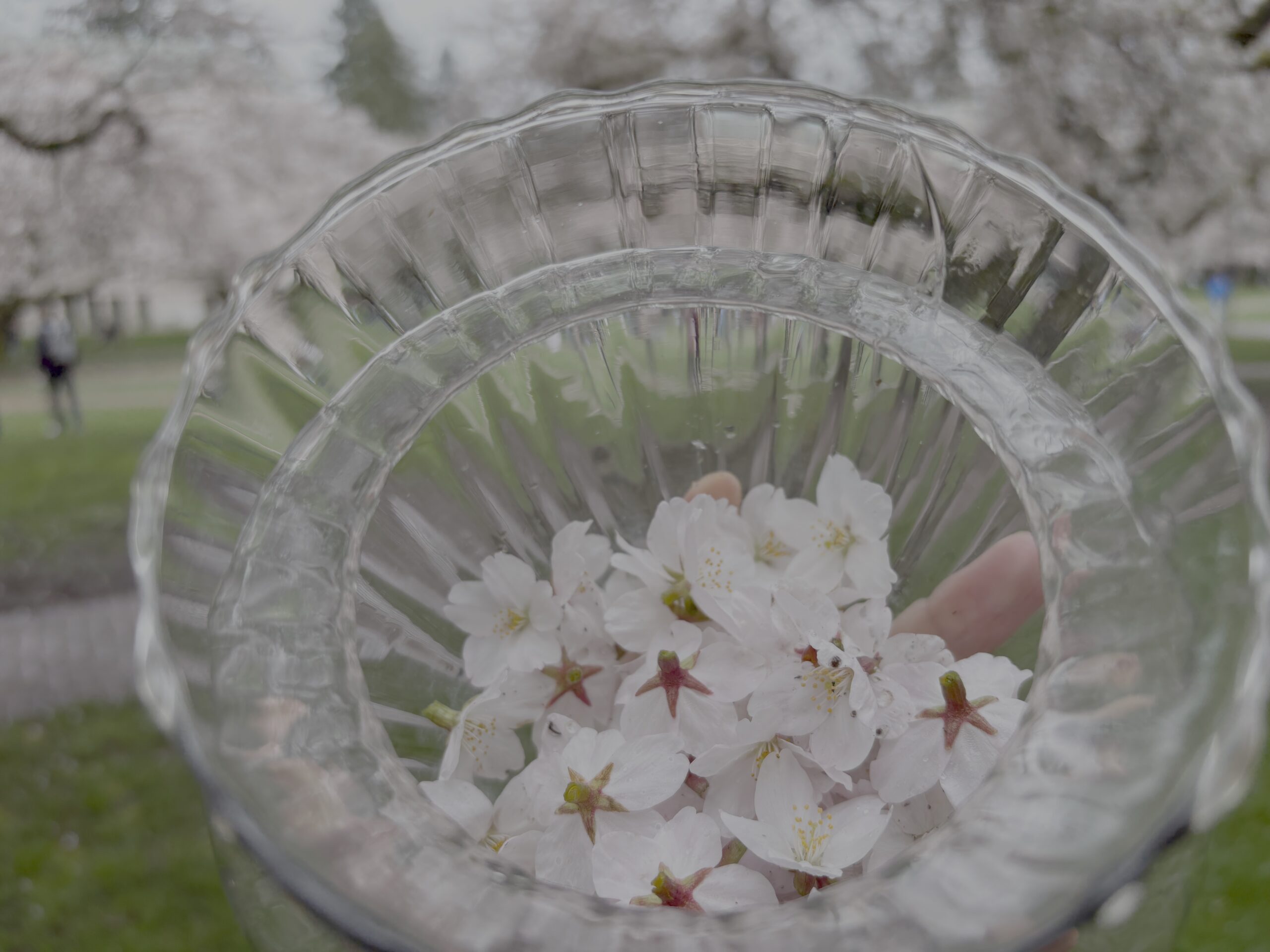
Tateuchi East Asia Library “New Year and New Time in Modern Japan” Mini-Exhibition Cherry petals Ricky collected for the DIY Bookmark Making event
Between Beginning and End: My Journey at Tateuchi East Asia Library
By Seo Young Bai
Looking back on my six months at the Tateuchi East Asia Library, the time passed quickly, yet it was filled with meaningful and memorable experiences. As a Library and Information Science graduate student, my work here, assisting the Korean Studies librarian and director, Hyokyoung Yi, provided me with valuable hands-on experiences and practical skills. I gained a deeper understanding of how librarians manage information and support patrons.
Learning about the special collections already at Tateuchi East Asia Library was especially fascinating. Before joining the LIS program and working at Tateuchi East Asia Library, I had little knowledge of special collections. This position gave me the opportunity to work directly with unique and rare Korean materials. Many of these collections date back to before the 1910s and consist largely of texts written in Hanja (Chinese characters) and printed with different tools such as woodblocks, and metal movable types. Not only the physical books, but also the printing tools, such as Kŭmgye chip ch’aekp’an (금계 집 책판), a set of woodblocks deepened my understanding of Korea’s history of book printing. In addition to the printed books, I was also inspired by printing tools, stories from donors, and former and current librarians dedicated to building these collections, who have traveled from bookstore to bookstore to acquire rare and unique items.
Beyond gaining a general understanding of special collections, my experience also demonstrated how the library can support research in Korean studies. While adding translated Korean literary works to the English Translation of Korean Literature database, I expanded my knowledge of English translated Korean literature and learned how actively these publications have been published. This process showed me how such efforts have contributed to the growing international recognition of Korean literature and how this database can contribute to translation studies by accumulating the citations in one place.
I assisted Korean exhibitions, including Reimagining Korean Jogakbo, which provided me with the opportunity to meet Korean artists who reimagine traditional Korean art into contemporary contexts. I also supported my coworkers with the student-ran event, helping Cherry Blossom Bookmark DIY to life again for the second time. This became one of the most valuable and memorable moments for me, as I had the chance to meet members of the UW community and watch them create meaningful memories of their own at Tateuchi East Asia Library.
As I continue pursuing my studies in Library and Information Science as a doctoral student, the experiences and time I spent at Tateuchi East Asia Library inspired me to learn more about the Libraries. The time I spent here will also remain unforgettable.
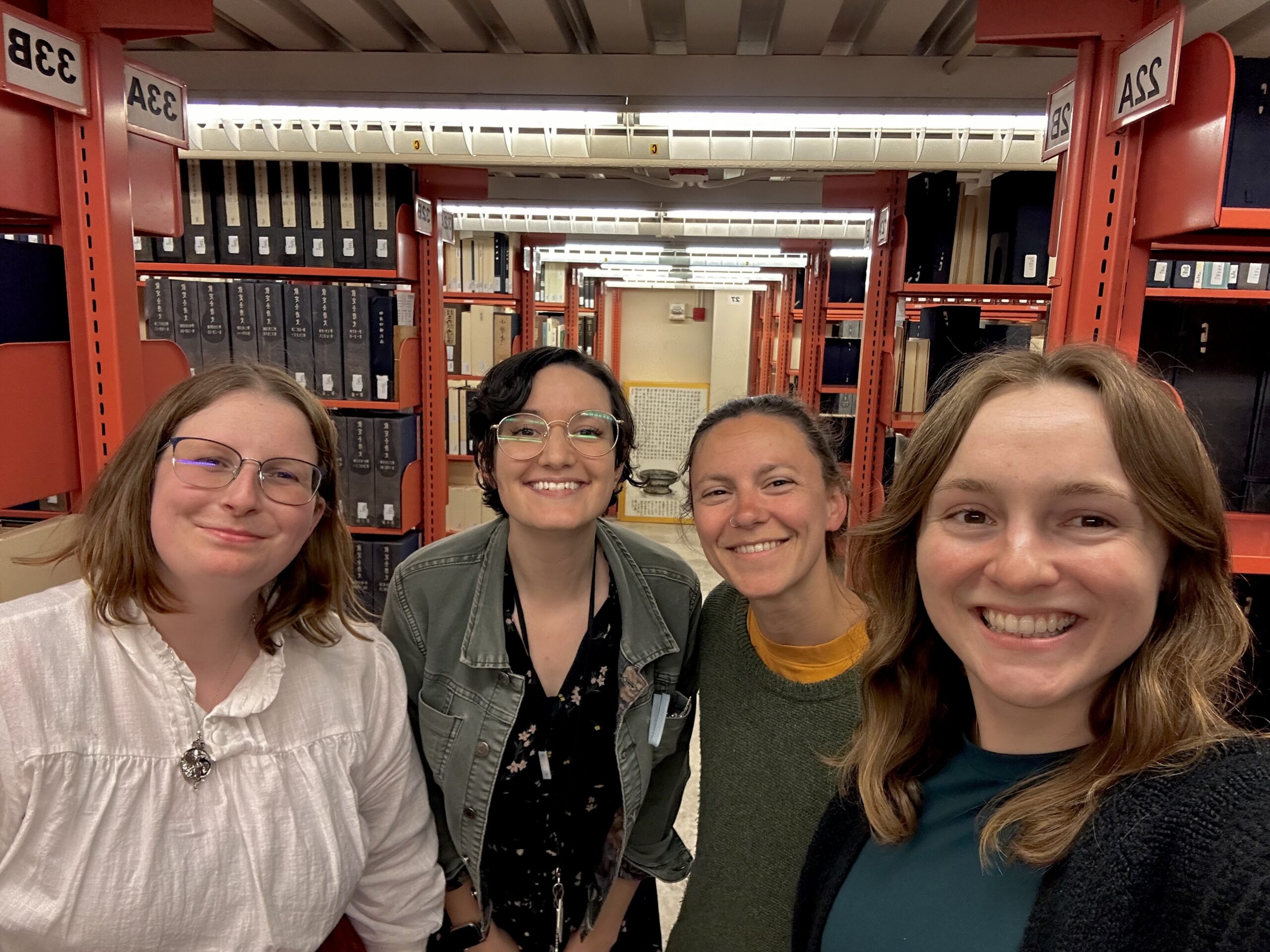
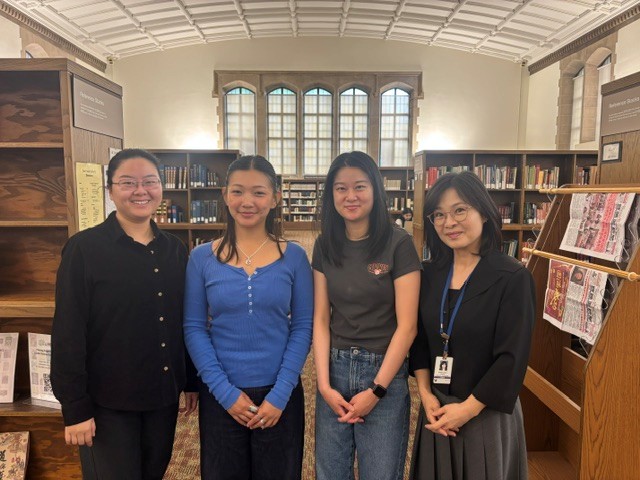
Lucy, Elene, Seoyoung and Hyokyoung
Stories
UW Libraries Summer Update
June 18, 2026
Summer is officially here! Whether you are on or off campus this summer, the Libraries’ “Greatest Hits” Summer Research Series provides many learning opportunities for all levels of researchers, offering (mostly) online sessions on popular Libraries workshops. Check out the line-up, and sign-up nowto save your spot! If you’re into whimsy and nostalgia, you’ll be excited to browse the newly digitized Washington Alumnus – UW’s first Alumni magazine – now available online! Looking for Seattle summer recommendations? Keep in mind that UW Libraries exhibits continue through the summer and are a perfect way to beat the heat and get a rare opportunity to view UW Libraries Special Collections materials up close. The final “Out of Scope” curator talk takes place in August. Keep reading for more information on these and all UW Libraries summer news and events.
Good to know: Our monthly update will be on hiatus in July, so look for our next update in August! Happy Summer, Huskies!
News and Stories
Washington Alumnus Now Online!
The Washington Alumnus (the original UW Alumni magazine (1908-1963) has been digitized and is now available online, highlighting Alumni success, campus life and influential partners and commerce throughout the region over the first half of the 20th century. View the Magazine, and learn how this special piece of campus history was preserved for all to access. Read the story.
Odegaard Library 3rd Floor Renovation
The 3rd floor of Odegaard Library is undergoing a year-long renovation project starting in June. The project includes moving furniture, relocating the book collection, breaking down shelving, tearing out the old carpet, putting in new carpet, and returning all the shelving, books, and furniture to their new locations. For more details, See the Odegaard project page for more details.
On Air: UW Labor Archives
Conor Casey, head of the Labor Archives of Washington (LAW) has been a guest on several recent episodes of the podcast Labor Heritage Power Hour! Listen to these podcasts for fascinating conversations on the people and events that have shaped our region’s labor laws and history.
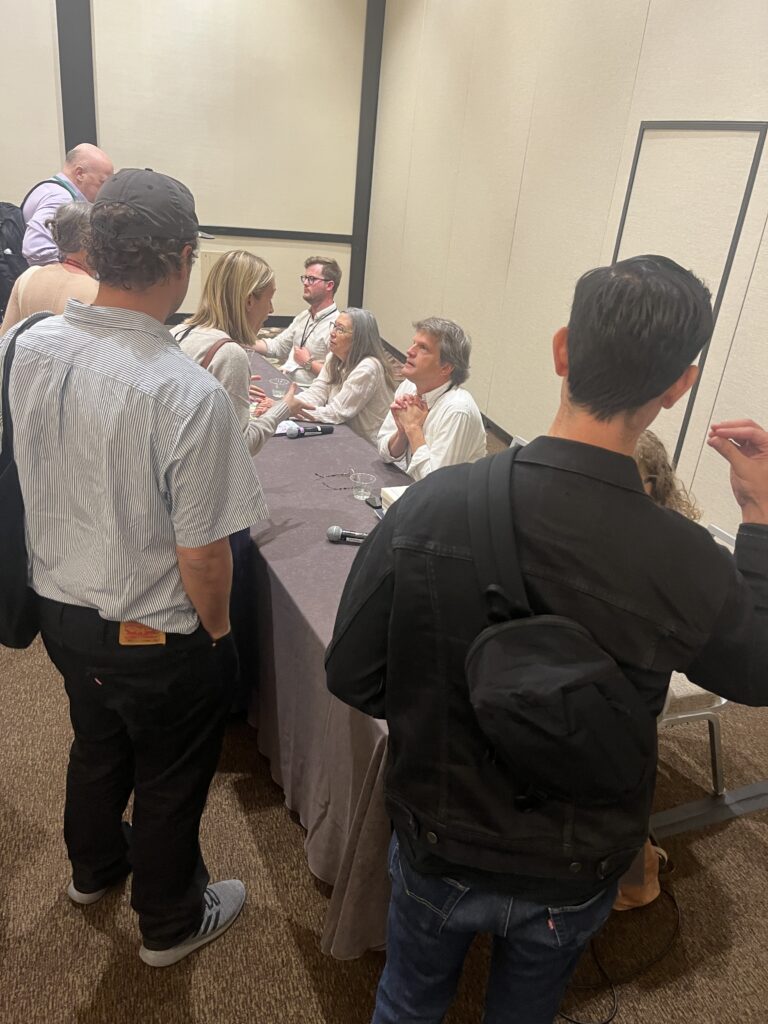
The Annual Meeting of the Association of University Presses is the premier professional development and networking event for university press and nonprofit scholarly publishers. The meeting was held in Seattle June 13-15, and featured several panels and presentations from from UW Press authors and UW faculty. UW Press staff helped to welcome colleagues with access to UW Press publications from their “Essential Seattle” collection, openly available through the month of June, including an atlas of Indigenous Seattle, walking tours, and selections from books about the city’s histories and cultures.
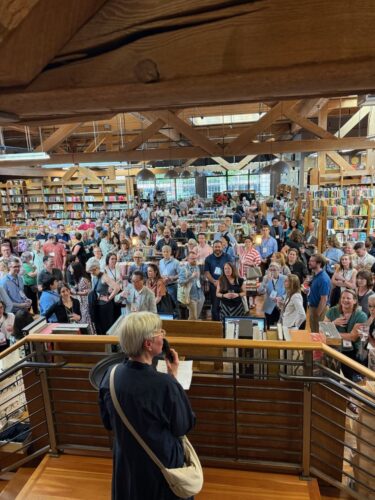
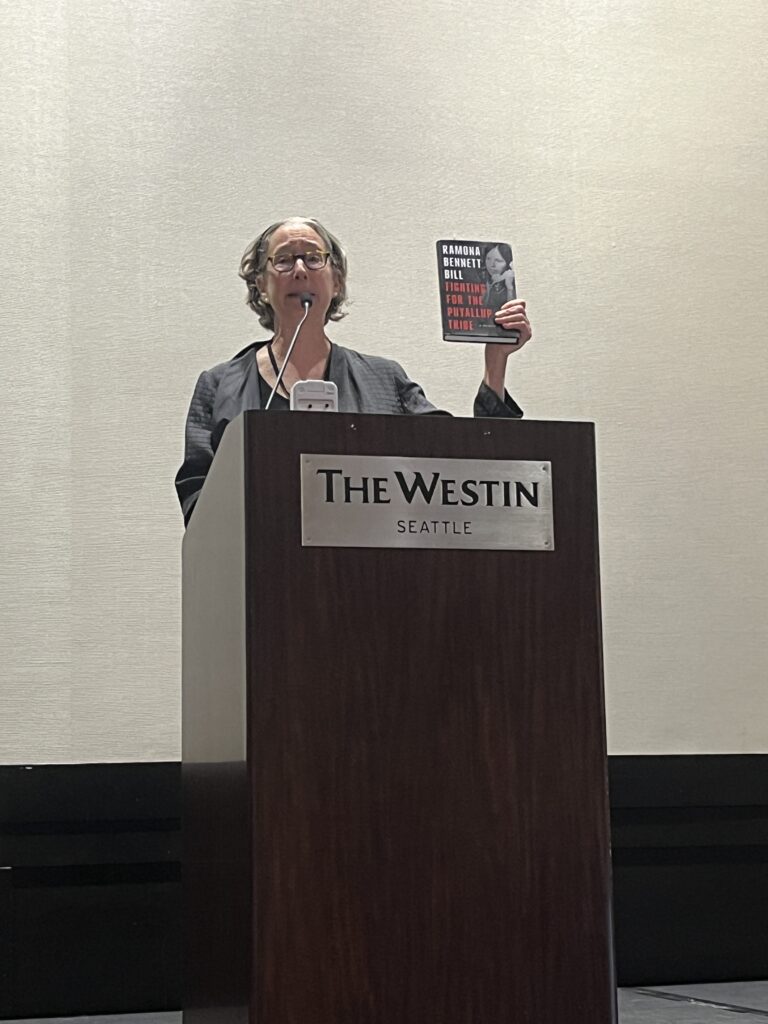
Nicole Miller, Director, University of Washington Press, addressing the 300+ guests at the University Press Happy Hour at Elliott Bay Book Co.UW Press author Lynda V. Mapes delivering her plenary, “Why University Presses Matter, Now More than Ever”Local booksellers talking to attendees after a panel on press–bookstore partnerships
UW Libraries Special Collections: Sharing the Stories of Our Region
Documentary – Seattle: A History in Short Stories
.
Filmmaker John Forsen worked with UW Libraries staff in the Government Publications, Maps, Microforms & Newspapers department to identify and photograph newspapers for the latest installment of the documentary series, Seattle: A History in Short Stories
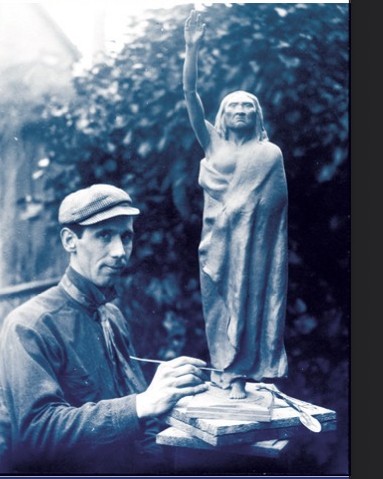
Exhibit –James A. Wehn: Master of Portraits in Sculpture
Photograph: James Wehn with clay model of Chief Seattle statue, 1907. Washington State Historical Society collection.
The Pioneer Association of the State of Washington is hosting a new exhibition July 1- 26, 2026 featuring artworks by the noted Seattle sculptor James A. Wehn (1882-1973). The exhibit features his bronze, plaster, and stone works depicting prominent historical figures from the Pacific Northwest. The exhibit provides the opportunity to view materials from several local museums and archives, including medallions (commemorative coins) from UW Libraries Special Collections James A. Wehn papers.
Get familiar with the new UW Libraries Search! LibGuides on the New UW Libraries Search highlight the new features and details on the changes, with the full launch planned for Fall 2026:
Expand your skills this summer just-in-time for the start of the next academic year! This summer workshop series focuses on the tools and topics from some of our most popular learning workshops. We welcome all members of the research community, including graduate students, postdocs, research staff, clinicians, and faculty members. Workshop Home Page
Recording Studio Office Hours, 10AM – Sign-Up for Thursday sessions throughout summer quarter: June 25, July 2, July 9, July 16, July 23, July 30, August 13, August 20, August 27
Beginner-friendly support for students, faculty and staff who have quick questions or need and troubleshooting support with audio or video projects, such as help with microphone setup, audio input issues, background noise, recording quality, or basic equipment use. The office hours also include short skill-building sessions, such as introductions to Adobe Audition, Audacity, or Microsoft Clipchamp and basic audio and video editing workflows.
Learn about two fantastic resources for making media like podcasts, video interviews, video essays, sound recording, and digital oral histories! Take a tour of the Recording Studio, where you’ll learn how to use its microphones and camera and learn how to set up one of the Recording Kits we’ll have ready for checkout in the Fall Quarter. The Recording Kits include tripods, lighting, lapel mics, and a camera and are perfect for media made on campus and off.
Community Events and Exhibits
Special Collections “Out of Scope” Exhibit Curator talks:
July 7: Broadening Our Scope: Labor and Social Justice Collections As part of Special Collections Out of Scope exhibit, join us for an exhibit talk with Conor Casey, Head, Labor Archives of Washington to explore some of the labor-related artifacts on display and discuss how ephemera, realia, and artifacts in special collections are essential parts of documentation strategy for labor and labor-related community collections and related topics.
August 11:Rare Book and Book Arts in Special Collections Join us for an exhibit talk with Julie Tanaka, Associate Dean for Distinctive Collections, who will discuss some of the rare books and book art pieces on display and share additional items not included in the exhibit.
Learn how archivists define the scope of their collections, and see some of the fascinating, unexpected artifacts have made their way into Special Collections! Read more about the exhibit and check the calendar for curator talks and tours. Through Sep 18, 2026 Location: Allen Library (ALB), Special Collections (Basement level)
Special Collections’ material related to Mount Rainier will be displayed throughout the year. Through Friday, Aug 28, 2026, Allen Library (ALB), Special Collections (Basement level)
Allen North Mezzanine Displays:
Bilious Pills and Bitter Potions: The Era of Colonial Medicine Featuring instruments and material from Special Collections, this display gives a glimpse into the state of medicine in the colonial era. Allen Library North Mezzazine, Wednesday, Jun 24 – Friday, Aug 28, 2026
Join the Washington State History Museum on Third Thursday for an event featuring author David F. Martin. He will present his book Shadows of a Fleeting World: Pictorial Photography of the Seattle Camera Club.
The Seattle Camera Club, composed largely of Japanese immigrants, blended the pictorialist photography style with traditional Japanese aesthetics to create distinctive artistic images. At its peak, the club was among the most active and successful photography organizations in the United States.
Thanks to the extensive preservation of its work, we are able to explore and appreciate the depth, beauty, and cultural significance of this local artistic legacy.
The Washington Alumnus, UW’s First Alumni Magazine, Now Available Online
June 17, 2026
UW has had an alumni magazine since 1908. More recently known as the University of Washington Magazine and Columns, the alumni magazine was first known as The Washington Alumnus (1908-1963). Earlier this year, UW Libraries completed the full digitization of all of The Washington Alumnus issues, now available to view online!
Similar to the University’s Tyee Yearbooks, The Daily, and other student publications that you can view online, paging through the Washington Alumnus is a fascinating trip through time, showing what campus life was like over the first half of the 20th century. Browsing the articles, photographs, and advertising is like looking through a window into the University’s priorities of the day, major moments in history, and changing social norms and societal trends. Editorials by University leadership often made their case for campus initiatives, including funding new buildings and departments, growing the Library collections, and other campus improvements.
While the focus of content has shifted over time, the one constant is its features on student life, faculty achievement, and collegiate sports. From full feature stories on a particular course, or faculty research, to short briefs on the career trajectories of the newest grads to legendary alumni. Interspersed between stories you’ll see a montage of advertisements, from local businesses on the Ave, to well-know Pacific Northwest companies (Bartell Drug, Rainier Beer, Nordstrom, Dairygold) as well as national companies like Bell Telephone Company.
The project to digitize The Washington Alumnus was initiated by John Bolcer, University Archivist. Under the guidance of Jesse Stanley, Collections Digitization Librarian, a team of Preservation Services staff and student employees worked over much of 2025 to digitize the publication. 2025 James Leland Dirks, Jr. Library Preservation Intern Toni Heilman made the digitization of The Washington Alumnus a significant part of her final internship project.
The digitization of a long-running publication, especially one that was published for more than 50 years, is no small feat. Over time, some issues lost pages or covers and some were missing entirely. Issues could be in such poor condition or so tightly bound that scanning them was extremely difficult.
UW Libraries Special Collections staff dug deep into the University archives to find as many duplicate copies issues as possible and the Preservation team carefully inventoried and collated them to identify gaps and pick the best copies for scanning, comparing issues on a page-by-page basis. In the end, a full and complete run of The Washington Alumnus was pieced together, bringing the entirety of this University publication together and making it available online for the first time.
Scanning the pages was only the first step in the long road to making these materials available online. In order to make the issues accessible and searchable, every issue was converted to machine-readable text via OCR (Optical Character Recognition) and structural metadata was created. Once completed, the high-resolution TIFF files, OCR text, structural metadata, and catalog record were deposited to HathiTrust, a not-for-profit collaborative of academic and research libraries that has preserved more than 19 million digitized items.
The legal side of making the publication openly available required time and collaboration. UW Libraries worked with Jon Marmor, Editor-in-Chief of University of Washington Magazine, throughout the process to secure open access for the entirety of the publication.
We are pleased to share the news that UW Libraries’ Ethnomusicology Archives Curator, John Vallier, has been awarded the 2026 Distinguished Librarian Award, in conjunction with the annual UW Awards of Excellence, celebrating outstanding faculty, staff, students and alumni whose achievements support the University’s mission.
John was nominated for the Distinguished Librarian Award for his significant contributions to the UW Ethnomusicology program and beyond. Since assuming the role of curator for the Ethnomusicology Archives in 2017, John’s work has been centered around outreach to constituents beyond the UW Libraries, whether it is working to help preserve Indigenous language recordings, or archiving local music.
In addition to his work archiving unique language and music recordings for the Ethnomusicology Archives, he has taught in a variety of departments, including Comparative History of Ideas (CHID), Honors, Cinema and Media Studies, Museology, and Music.
John’s integrity, commitment to teaching and expertise in the field were common themes among the nominating letters submitted on his behalf:
“His work in the UW Libraries is profoundly creative, represents impressive leadership, is aimed at an intersection of service and scholarship, and deeply demonstrates UW values of integrity, diversity, excellence, collaboration, innovation, and respect.”
“Through his writing, teaching, and archives-related practice, Vallier has advanced efforts to embed ethics of community-engagement, ethical curation, and repatriation in the library and archives profession.”
On June 11, UW colleagues are invited to the Awards of Excellence ceremonyin Meany Hall at 3:30 p.m. . The program includes a one-hour ceremony hosted by President Jones and Provost Serio, followed by a reception.
As you feel that temperature ticking up, the clock is ticking down toward the final week of spring quarter, and for graduating seniors, the last of your UW academic experience (please read our “Know Before You Go” post)?! Speaking of the student experience, the student success stories featured this month celebrate the amazing contributions of our student employees whose work at the Libraries, on campus and in our community is truly inspiring. Be sure check out drop-in help for digital projects, the 10th annual GIS Symposium, and free workshops like Leveraging Author Profiles & Altmetrics, Humanities Network Analysis. ALL researchers will want to know about the BTAA Open Access Publishing Agreement with Wiley, as well as new/updated LibGuides dedicated to evolving federally-funded research requirements. Need to cool off? Venture down to UW Libraries Special Collections (in the basement) for one of three fascinating curator-led exhibit talks. Enjoy the sun, Huskies!
News and Stories
2026-2027 Open Access Publishing Agreement with Wiley
The new agreement with Wiley allows UW authors to publish open access (OA) without individual article fees or publication charges during a specified time period. See important deadlines for article submission and acceptance in 2026-2027 in the the public announcement.
For Graduates
Know Before You Go: A message for graduating students – learn how to maintain access to UW Libraries, Alumni benefits, and what to do if you accidentally took that book home to a place far, far away from here.
2026 Distinguished Librarian Award
UW Libraries’ Ethnomusicology Archives Curator, John Vallier, has been awarded the 2026 Distinguished Librarian Award, in conjunction with the annual UW Awards of Excellence, celebrating outstanding faculty, staff, students and alumni whose achievements support the University’s mission. Learn more about John’s work and achievements.
Celebrating Student Achievement
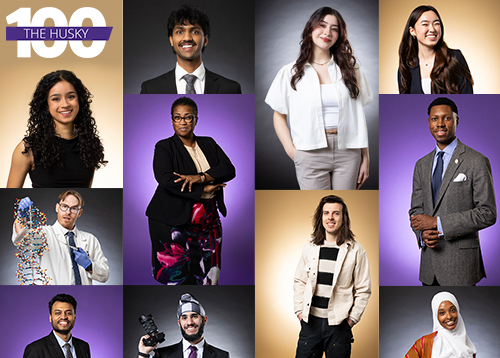
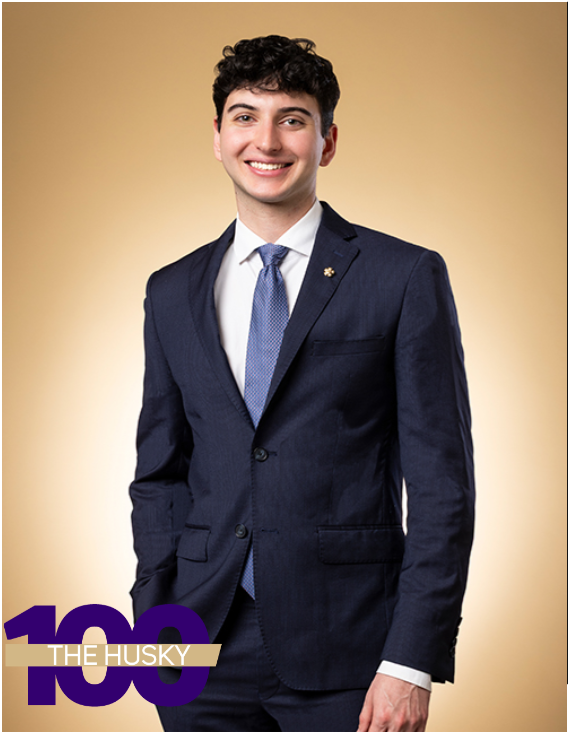
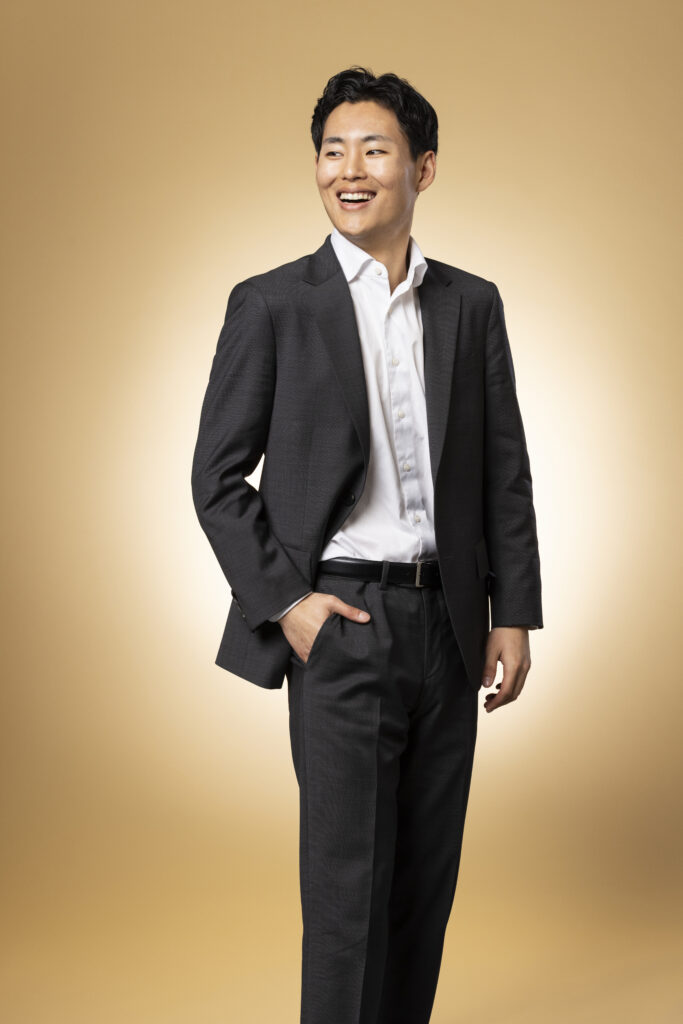
UW Libraries Celebrates Husky 100 Student Employees Established in 2015, the Husky 100 recognizes 100 outstanding undergraduate, graduate and professional students each year from all three UW campuses who are making the most of their time at the UW. Congratulations to Leo Freedman and Junseo Park, two UW Libraries employees and soon-to-be ‘26 graduates who were part of this distinguished cohort honored this year.
2026 UW Libraries Scholarship Recipients As one of the largest employers of student workers on campus, our student employees are essential to Libraries’ operations – while they literally keep the doors open, lights on and books on shelves, they are also peer mentors, writers, designers, engineers, technicians and instructors! UW Libraries’ student employees are truly amazing, and this year’s scholarship class exemplifies the dedication, creativity and joy that our students bring to their jobs every day.
“The job has shaped my confidence, not only in a professional sense but has helped me bloom into an independent, excited, and curious individual. As I move closer to my graduation in spring 2026, I know that the community I have been a part of in the Libraries will help me succeed.”– Cole
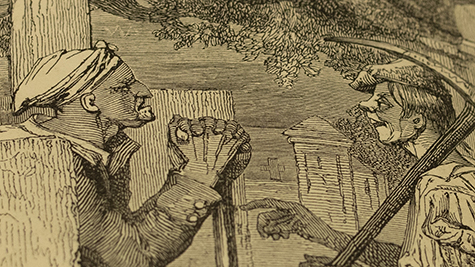
Detail from an illustration in one of the 19th-century Shakespeare volumes.
What makes a three-volume, nineteenth-century Shakespeare set unique from other, similar collections? UW Libraries and UW School of Drama consider the possibilities of a recent gift to the Libraries.
Haiku Has a Moment at UW Bothell and Cascadia College Library
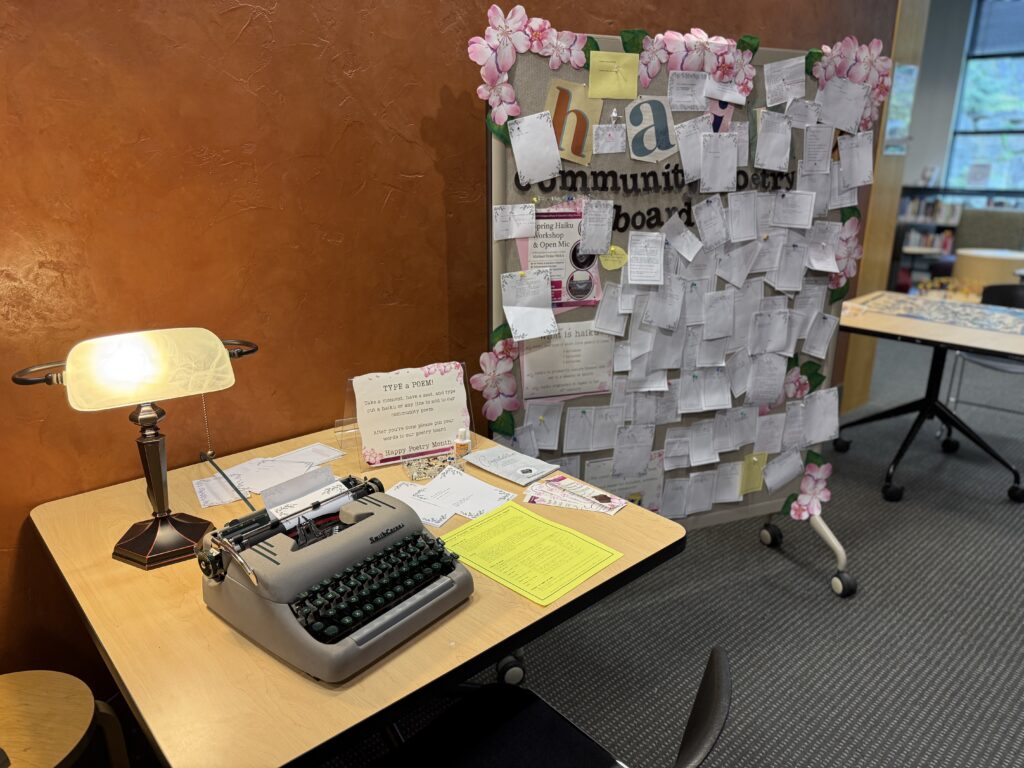
Haiku writing area and student poems posted at the at UW Bothell and Cascadia College Library
Last month, in celebration of National Poetry Month, students had the opportunity to attend a Spring haiku workshop with NW poet and instructor, Michael Dylan Welch to learn about the art of writing Haiku poems with the option to perform them in an “open mic” format. The workshop was so popular, the Library staff decided to keep a “classic” typewriter out for students to continue writing and posting their Haikus “IRL”, as they say.
From Math to Classics to History to Library and Information Science, from professor to librarian to curator to administrator – working in locations across the country, Associate Dean for Distinctive Collections, Julie Tanaka’ career journey has been full of learning and discoveries along the way.
The rise of Artificial Intelligence (AI) is rewriting many professions, including libraries, archives, and museums (LAMs). Students looking to study or enter into these fields are now faced with an unprecedented technological juggernaut, raising concerns, skepticism, and excitement. During a recent pane, experts Ben Lee, and UW Libraries’ Richard Lewis, and Crystal Yragui explored this topic, introducing students to a range of perspectives, both practical and critical, on how AI is being implemented in LAMs and what to expect and plan for when pursuing LAM careers. The event was a collaboration between CALMA, the UW Textual Studies Program, UW Libraries, and co-organized by Geoffrey Turnovsky, Julie Tanaka, and Lane Eagles.
Public Access Policies for Federally Funded Research
Following recent federal requirements that researchers provide public access to research products, the Office of Research and the UW Libraries partnered to provide a set of ‘go-to’ resources to support researchers’ compliance with the new policies including specific guidance on National Institute of Health (NIH) and National Science Foundation (NSF) policies.
Friday, May 15 – Humanities Network Analysis This workshop will explore foundational techniques in humanities network analysis: the study of links and connections between people, books, events, artworks, and more. You’ll learn how to…Collect, maintain and analyze network data; create network visualizations and more!
Wednesday, May 27- SPECIAL EVENT: UW Libraries GIS SymposiumThe GIS Symposium highlights and celebrates the transformational role of Geographic Information Systems (GIS), remote sensing, and data visualization technologies at the UW and beyond. Connect with others working on GIS research, learn about GIS projects going on around campus and GIS-related resources available to the UW community.
Tuesday, Jun 2, 2026-Digital Scholarship Project Help Office HoursGet help with your digital projects! Examples include support for digital publishing, building digital exhibits, and more! We can help you find the right tools, resources and instruction whether you’re just getting started, or are working on an on-going project. Available only to current UW faculty, students, and staff.
Community Events
Wednesday, May 6, 12:30 – 1:30pm First Wednesday Concert; Allen Library (ALB) Students of the UW School of Music perform in this lunchtime concert series co-hosted by UW Music and UW Libraries.
Thursday, May 14, 4pm – 5:30pm – OPENING DAY: The Deep Time of Korean Literature Korean literature has evolved over five thousand years, shaped by nature, history, and everyday life. Sensibilities rooted in wind, water, and the cycle of life and death continue to resonate in stories today. This exhibition traces that enduring flow—from Samguk Yusa (Memorabilia of the Three Kingdoms) and traditional beliefs to contemporary culture—showing how the past lives on in modern Korean literature. These layered histories form a living tradition that continues to grow and speak to the present. Exhibit runs through July 26, 2026.
Tuesday, May 19, 2026, 10 – 11 a.m. EXHIBIT TALK: Out of Scope: Digital Collections in Special Collections Join Digital Collections Curator, Ann Lally, who will discuss some of the digital collections in Special Collections and what is required to make them accessible into the future.
SAVE THE DATE for future curator talks in the series:
Created by staff members of the UW Libraries, this image-rich exhibit features beautiful photos of natural places on the UW campus, the greater Seattle area, and beyond. Through May 15, 2026, Allen Library North Lobby
Learn how archivists define the scope of their collections, and see some of the fascinating, unexpected artifacts have made their way into Special Collections! Read more about the exhibit and check the calendar for curator talks and tours. Through Sep 18, 2026 Location: Allen Library (ALB), Special Collections (Basement level)
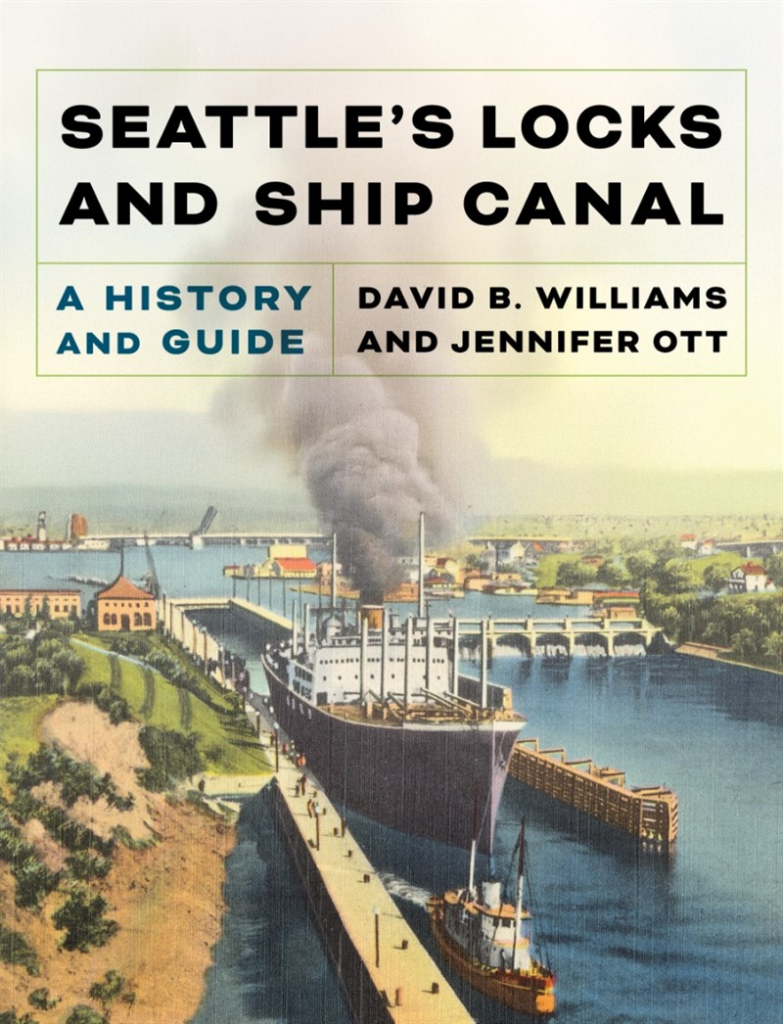
Join us for a fascinating presentation on Seattle history by two authors who bring the past alive. In their new book Seattle’s Locks and Ship Canal: A History and Guide, David B. Williams and Jennifer Ott chart the vision that drove the canal’s creation and the dramatic changes it brought to the city’s economy, neighborhoods, and natural environment. Along the way, they highlight the political struggles, industrial ambitions, and ecological consequences that shaped one of Seattle’s defining projects.
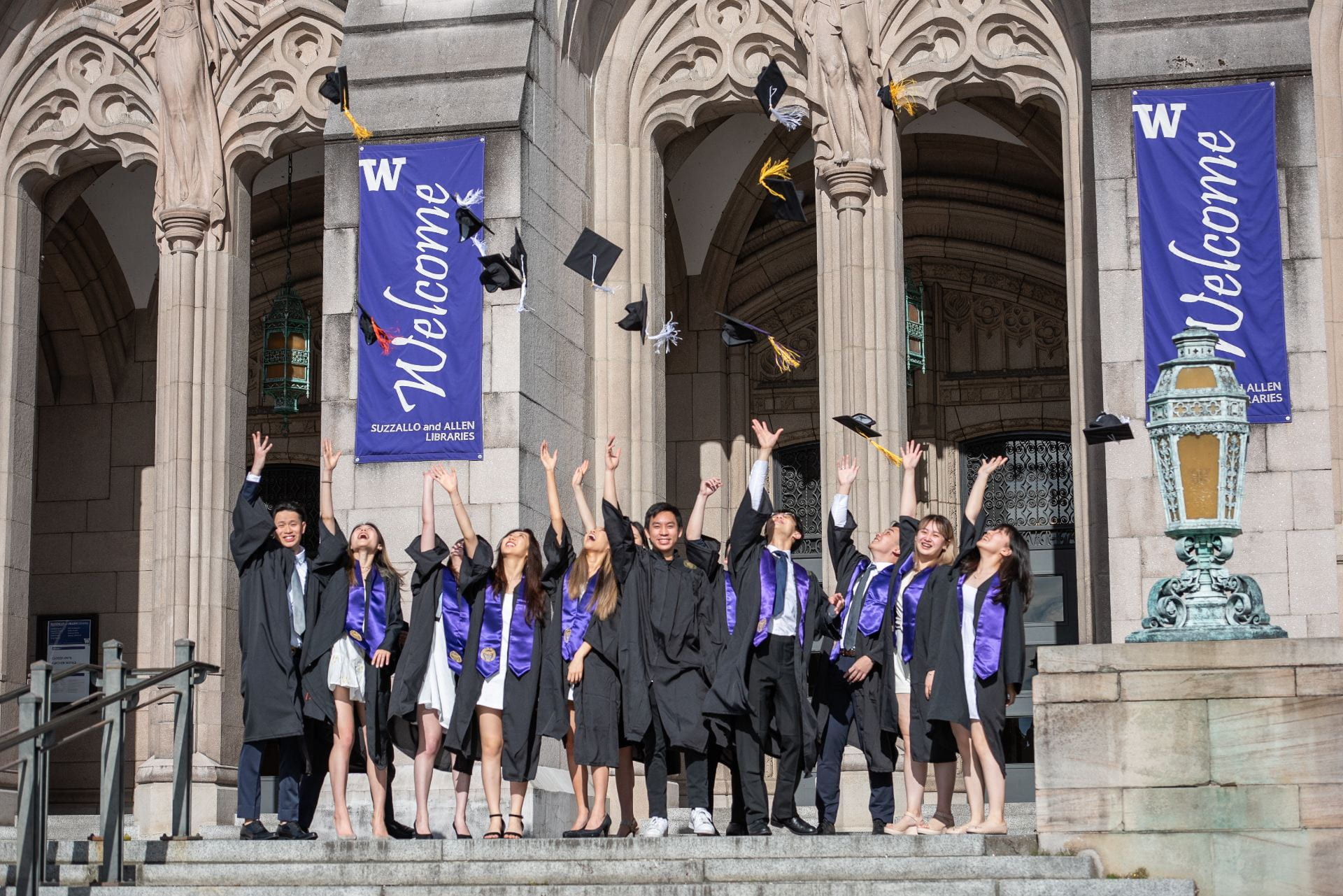
Congratulations! As you get ready to celebrate this monumental achievement through UW Commencement, we know you are busy, so we’ll make this short — as UW alumni, know what benefits and opportunities are available to you after graduation:
Return Library Materials
Don’t forget to return all of your Library materials before you leave campus! If you missed something, learn how to return materials via mail.
Keep access to UW Libraries:
Your account/ability to borrow physical materials stays active until two weeks into the second quarter in which you are not enrolled.
Off-campus access expires during the second consecutive quarter (excluding Summer) in which they are not enrolled.
Membership has its privileges: UW Alumni Association
You can get a free one-year membership to the UW Alumni Associationthat includes (among other benefits) UW Libraries borrowing privileges, plus access to EBSCO Alumni Edition database via UWAA. UW Libraries borrowing privileges.
Parents and Family– Anyone (non-UW affiliates/non-Alumni Association members) can purchase a borrower’s cardat any time.
Stay Connected – Follow Us!
If you’re staying local this summer, be sure to check out FREE Library summer events and workshops!
UW Libraries’ social media channels share the latest and greatest news, events and stories along with the “must see” daily features from UW Libraries Special Collections’ — important, quirky and always interesting!
Stay informed about the latest public exhibits, community events, and news related to the UW Libraries by following the Libraries on Instagram or Facebook.
Congratulations, graduates — good luck on the journey ahead!
###
Stories
Sharing Shakespeare
May 4, 2026
Stories
Congratulations Husky 100: Students Making an Impact with UW Libraries
April 23, 2026
Established in 2015, the Husky 100 recognizes 100 outstanding undergraduate, graduate and professional students each year from all three UW campuses who are making the most of their time at the UW. This recognition celebrates UW students who actively connect what happens inside and outside of the classroom and apply what they learn to make a difference on campus, in their communities and for the future.
The 2026 Husky 100 class includes two amazing students who have made significant contributions to UW impact and student success through their work with UW Libraries.
Leo Freedman, ‘26
Leo Freedman will graduate this spring with Bachelor of Arts degrees in Ethnomusicology and International Studies and a minor in Environmental Studies. Leo works in the UW Libraries’ Ethnomusicology Archives. Throughout his time working with the Archives, Freedman led the restructuring of the Archives’ physical space, increased access to fragile archival materials, and developed social media campaigns to promote the Archives.
“I use global research, music and sound to connect the UW to the world, while connecting its own communities from within. From Brazil to Greenland to India, my experience navigating challenges faced by international communities has prepared me to support my communities at home with enthusiasm and humility. Music often serves as a powerful tool for fostering belonging and uplifting voices, whether through research into music-based memory care, the creation of place-based soundscapes, stewarding the UW Ethnomusicology Archives, or performing in the U District with my band.” – Leo Freedman
“What distinguishes Leo is his rare ability to integrate scholarship, leadership, creativity, and service into a coherent and deeply impactful UW experience. Many students excel in one area; he consistently bridges disciplines and communities in ways that extend the University’s mission far beyond campus. His academic work in ethnomusicology and international studies is exceptional, but what truly sets him apart is how he applies his learning to real-world contexts—locally and globally.”
John Vallier
Curator, Ethnomusicology Archives, University Libraries; Adjunct Assistant Professor, Comparative History of Ideas; Faculty Affiliate, Ethnomusicology Program, School of Music
In addition to his work with the Ethnomusicology Archives, Leo has led innovative projects around music-based memory care, international policy research, and created artistic soundscapes. Beyond his own research, he has dedicated much of his Husky experience to using music as a tool for community connection through performances, radio programming, and also working to build an inclusive, internationally diverse fraternity community.
Freedman is currently working on prototyping a product where individuals in late-stage dementia receive personalized soundscapes that document the sounds of their hometown, “bringing a sense of reassurance and reconnection with their identity.”
While considering graduate programs in international studies, Freedman’s future goals center on a career in marketing and/or communications for a business, NGO, or nonprofit oriented around cooperative international aid and development.
Junseo Park, ‘26
Junseo is an interdisciplinary honors student graduating with a Bachelor of Science in Real Estate and two minor degrees in Entrepreneurship and Architecture.
Throughout his Huksy experience, Junseo has built an extensive network via his participation in, and high-impact contributions to, numerous professional and student organizations on and off campus including
“When I first arrived at the University of Washington as a first-generation immigrant, I did not have a clear roadmap or the networks that often guide students toward opportunity. Through classes, mentors and leadership experiences across campus, I gradually discovered that the work that matters most to me is creating spaces and systems that connect people and expand opportunity for others. Those experiences taught me resilience, communication and empathy, and ultimately shaped my path toward venture investing, where I hope to support people and ideas that create lasting impact.” – Junseo Park
While interning at the start-up JIGO, he helped launch an AI-enabled commercial real estate platform. In 2025, Junseo was awarded the Mary Gates Leadership Scholarship for demonstrating innovation, cross-cultural engagement and impact on campus community-building while working at the UW Tateuchi East Asia Library. Collaborating with staff and students, he established the Manhwa (Korean Graphic Novel) Café, a collaborative pop-up space developed in partnership with the Libraries, Korean Student Association and Associated Students of the University of Washington (ASUW) that celebrates East Asian graphic literature.
“Junseo demonstrated remarkable initiative and leadership through the Graphic Novel Café, transforming an underutilized strength of our collection into an engaging, student-centered experience. His thoughtful collaboration, adaptability, and persistence ensured the project’s success and lasting impact on our community.”
Hyokyoung Yi,
Director of the Tateuchi East Asia Library; Korea Studies Librarian
After graduation, Junseo plans to continue working at GIGR, a San Francisco-based startup where he is currently building an AI-enabled ad generation and automation pipeline.


 by Azusa Tanaka