Skip to content
Stories

UW Libraries Awarded Recordings at Risk Award from CLIR
CLIR logoThe Council on Library and Information Resources (CLIR) recently announced that UW Libraries, Special Collections has been awarded the CLIR ‘Recordings at Risk’ Award.* The award provides a grant of over $30,000 to help with the digitization of recordings – ‘at risk’ due to their fragility, lack of equipment to play them, as well as environmental factors.
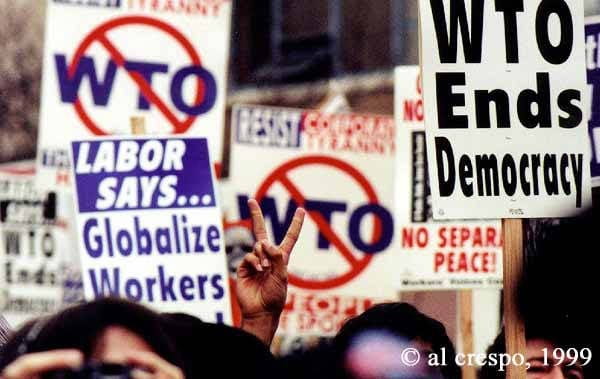
Image: From Special Collections WTO Collection

The award recognizes projects involving underrepresented communities, and will fund the project: Digitizing the Independent Media Center World Trade Organization Videotape Collection to digitize, preserve, and make accessible for the first time videotape footage shot by filmmakers and activists during the 1999 protests against the World Trade Organization (WTO) in Seattle, Washington.

The 338 videotapes in the collection come from the Independent Media Center (IMC), an international network of journalists publishing ‘indie’ news reports, founded in Seattle. The IMC documented rallies, marches and other events from the viewpoint of grassroots activists themselves – labor leaders, environmentalists, farmers, anarchists and artists whose voices are underrepresented, particularly in existing public footage of the WTO protests.

The project is headed by Hannah Palin, the Moving Image Curator for Special Collections.

“It’s opening up a huge cache of primary source information for researchers—the ability to compare different perspectives on the same event, and to see how it relates to present day—that is going to be really interesting for the academic community studying these events and their impact,” Palin says.

Jill Freidberg, co-founder of the IMC and a Lecturer in the UW Bothell School of Interdisciplinary Arts & Sciences, gifted over 300 hours of footage from the protests to UW Libraries, which she inherited, collected and previously stored in her home for the past 20 years.

The collection of Betacam SP, DV, Hi8 and VHS videotapes is inherently at risk of being lost for good without digitization due to what is known as the “magnetic media crisis.”

Palin explains, “Videotape in particular is extremely fragile as a medium, and deteriorating quickly, worse than film, actually.  The machines used for playback are breaking down. There are no parts to replace them. The people who actually understand how to repair and maintain the machines are retiring out of the business.”

Digitizing this collection of videotapes is a process that takes months of work with special equipment and properly designating historical metadata for each clip. The CLIR Award funds the utilization of outside vendors to help with preservation efforts, and in this case, the project is teaming up with locally based Moving Image Preservation of Puget Sound (MIPOPS).

In the UW community, this collection provides an exceptional resource for studies in History, Cinema and Media Studies, Communication, Social Movements, and more. Graduate students will have the ability to work on videotape preservation, accessing techniques that are crucial towards preserving other collections in the future.

Palin estimates that the collection will be available to the public in around a year and a half, and will be found on the UW Libraries Digital Collections site and the WTO Seattle Collection. Film screenings will also occur through the Northwest Film Forum and in UW’s Allen Auditorium.

* The grant program is made possible by funding from The Andrew W. Mellon Foundation


Stories

Going the distance: An Acquisitions Trip to SE Asia at a Time of Pandemic

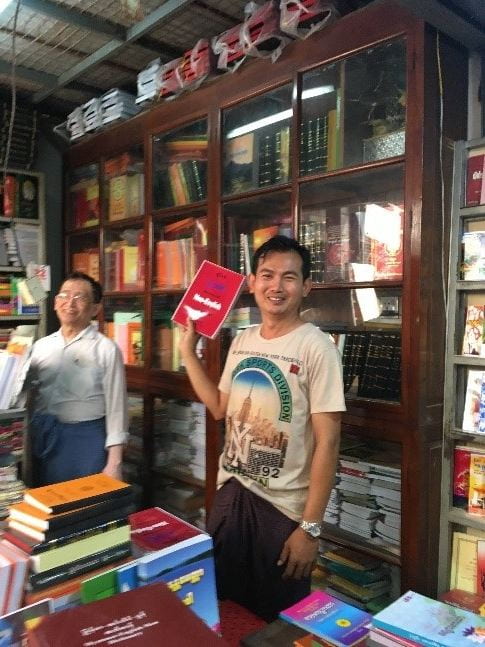
Buying Mon books in the market in Mawlamyine

In early February, before travel restrictions were implemented, and the true nature of the global pandemic was fully understood, I made an acquisitions trip to Southeast Asia to purchase materials for the UW Libraries SE Asia collection. While adhering to all of the CDC and UW guidelines for travel, it was still an anxious time to be traveling in Asia; but for me, it was a familiar itinerary.  Visiting small publishers, government offices, museums and archives, and other sources of library materials that are not easily found in bookshops.

My trip began in Cambodia, then Myanmar. By the time I reached my final destination, Southern Viet Nam, life was far from normal.  Despite restrictions, I was able to visit book shops, research institutions and some government agencies in most of my destinations, and achieved my major objectives, one of which relates to a proposed project the SE Asia Center is planning in collaboration with the UW Libraries, the Bophana Audiovisual Resource Center in Phnom Penh, the Center for Khmer Studies in Siem Reap, and the Yangon Film School in Myanmar.  It would focus on the work of Cambodian filmmaker Rithy Panh, the founder of the Bophana Center, particularly his use of archives in film and other memory projects to assist national recovery after trauma. My other major objective in Myanmar was to continue the collection of electronic journals and newspapers which I began when the press opened up under the democracy movement. My visit to the Yangon Film School resulted in the purchase of some 60 documentary films, all with a focus on contemporary social issues, including ethnic and religious divisions in Myanmar. My visit to Myanmar coincided with that of the LC Field Office representative from Jakarta, Carol Mitchell, and she invited me to join her for a talk at the American Embassy on US research libraries, an event attended by over 100 librarians and which engendered very useful discussions of open access and copyright.  Carol and I also took a 300 Km weekend trip to Mawlamyine in Mon State, and Hpa-an in Karen State to purchase local language materials.

My next stop was to be Hanoi, where I knew that a COVID outbreak had occurred in the northern suburbs.  I constantly monitored the US CDC travel advisories, and was receiving updates from the UW’s Travel Security Office before I did decide to proceed. From my base in Hanoi, I  made a daytrip to Hải Phòng, a Seattle Sister Cities whose local literary journal I have been collecting for many years.  As a result of assistance from a poet friend in Hanoi, the head of the Hải Phòng Writer’s Union, which publishes the journal, donated to me all our missing journal issues as well as some 40 titles of rare literary works by Hải Phòng writers.  As I flew to the central city of Huế, the government announced a second outbreak of COVID-19. Despite new restrictions, I was able to acquire materials from the main bookshop there, as well as from many local research organizations.

Book Street in Saigon

By the time I reached Saigon all government offices and libraries were closed, but bookshops were open and I had a valuable conversations about available ebooks.  Then a friend called to say that her uncle, the Saigon writer Lê Văn Nghĩa, was offering to donate his collection of some 30 boxes of books to UW. Concern over shipping costs forced me to select enough for only one box, but amongst the rarer titles I selected was one about former UW Vietnamese foreign student Nguyen Thai Binh, who was killed by security forces at the Saigon airport in 1972.  Binh, who was involved in the anti-war movement on campus, was forced to return to Saigon by the US government.  Fearing for his life, he attempted to hijack the plane back to Viet Nam, hoping to force it to land in Hanoi.  Binh became a hero of the anti-war movement and a memorial collection in his name  was donated to Special Collections.  The book, which shows no OCLC holdings, will be a great addition. The next day I left for a very long, tense trip back to Seattle, via Tokyo and Denver, just as the U.S. too was beginning to lockdown against the virus.


Stories

Libraries Superheroes: Procuring eBooks for UW Students

Tadoku bookshelf
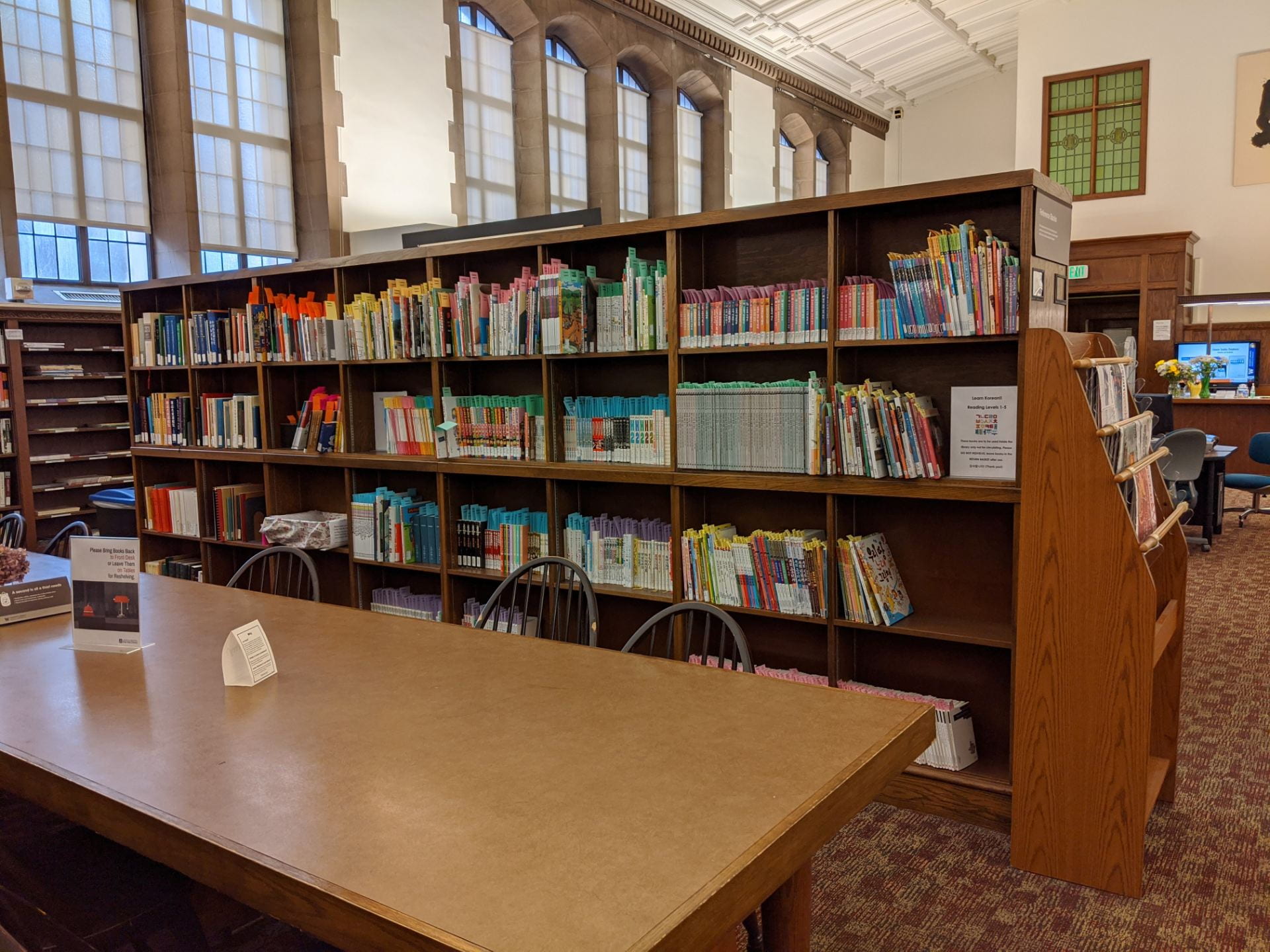
The Tadoku bookshelf in the Tateuchi East Asia Library

As faculty across campus raced to prepare for spring quarter, there were many concerns over how classes could be conducted without access to the Libraries. For example, Izumi Matsuda, a senior lecturer in Asian Language and Literature, was considering not offering her Tadoku class because of its reliance on the physical books available in the Tateuchi East Asia Library.

“My course was scheduled to meet every week in the Library, where we had access to over 400 physical books on the Tadoku Bookshelf,” said Matsuda.”  I wasn’t sure how we would be able to facilitate this class in an online learning environment, but the Tateuchi East Asia Library staff made it possible to offer the course as scheduled.”

“the Tateuchi East Asia Library staff made it possible to offer the course as scheduled.”

Lucky for these students and faculty, Japanese Studies Librarian Azusa Tanaka was already on it.  Azusa anticipated this need and began researching options immediately. Her quick actions and conscientious focus ensured that this popular class remained on the schedule.

Historically, certain types of Japanese eBook options are limited, especially when it comes to academic titles. In fact, there were only 55 eBook titles that were suitable for the Tadoku course. But that didn’t stop Azusa and the Tateuchi East Asia Library (TEAL) team from going the extra mile to procure the full order of requested books for this class. After an extensive search, Azusa and Saori Tachibana, an acquisition specialist, helped rush-order 51 eBooks available for purchase.  However, they wouldn’t have been able to accomplish this heroic feat without the work the planning and negotiating the Libraries had done BEFORE COVID-19.  Earlier in the year, Faye Christenberry, the UW Libraries Collection Strategy and Licensing Librarian, worked miracles with the vendors to create new eBook license agreements—without her work, none of the new eBooks would have been ready on time for remote learning.

But Azusa and team didn’t stop there. They continued their search for open-source materials, locating an additional 272 titles to meet and exceed the class goal of 200 books. For students to access these books, they had to be catalogued first. Ebook cataloging requires more advanced skills than typical cataloging. So when the pandemic hit, TEAL’s Chinese Cataloging and Metadata Librarian, Jian P. Lee, changed up the training schedule to teach these critical skills and ramp up training for Keiko Hill, a new Japanese Cataloger/Tateuchi East Asia Library Serials & Electronic Resources Librarian. Keiko quickly learned the procedures and successfully cataloged all of the purchased eBooks by the second week of the spring quarter. Amazing!

They continued their search for open-source materials, locating an additional 272 titles to meet and exceed the class goal of 200 books.

It is nearly impossible for even a seasoned cataloger to catalog so many eBooks in a few days—so while Keiko cataloged, Azusa wanted to provide a way for students to view/access books immediately. Rather than just copy all the titles into an excel spreadsheet (the easiest solution), she thought about it from the students’ point-of-view. She knew seeing the books visually would help to encourage more reading, so she took the extra step of copying 378 individual books (information and book cover images, when available)  into her LibGuide page, which was completed two days before the quarter began. Azusa’s student assistants also helped to save the day—one working in Seattle, and another working remotely from Tokyo. Two students from both sides of the Pacific worked tirelessly for a week straight to achieve this amazing feat of Librarianship!

“I attended the first session of the Tadoku class to explore the LibGuide page with the students. I was very happy to see the students reading the books from the Guide with curious eyes.” – Azusa Tanaka, Japanese Studies Librarian

But there are more Libraries superheroes in this story who helped save the day, even after spring quarter started, and not all of them were Librarians.  When one of the eBook platforms’ remote access was not functioning, Mike Reynolds from Libraries ITS quickly figured out the complex technical issue and corrected it so students could continue to access the eBooks from home.

They trained staff before the pandemic so they could jump right in to use the platform, which has been an essential tool during this crisis.

Christine Tawatao, head of Libraries web services and UW librarian Dan Mandeville, Nordic Studies & Linguistics Librarian helped many of our librarians to maintain and develop their LibGuide pages. They trained staff before the pandemic so they could jump right in to use the platform, which has been an essential tool during this crisis. Corey Murata and the entire collections team are constantly working on new e-resources: databases, electronic platforms purchasing, and subscriptions. Heather Spence from the Libraries financial office helps pay the invoices (note: Remote learning cost more than $100,000 in unplanned Libraries expenses to support remote teaching and learning this quarter.)*

Whether it’s a resource from TEAL, or any of our 16 UW Libraries, providing one eBook takes a team of Libraries superheroes!

*If you would like to support the Libraries COVID-19 Emerging Needs Fund, you can make a contribution HERE.

###


Stories

The Magic of UW InterLibrary Loan

book out of a magic hat

Interlibrary Loan (ILL) is magical!

I don’t just believe that ILL is magical because this is the work that I do, but it is the opinion of others as well.  We hear that phrase a lot from our users, especially in this remote learning environment.

Image Source: The Online Computer Library Center (OCLC) helps Interlibrary loan obtain items from around the world.

Interlibrary Loan has always been committed to helping the UW community get access to resources from around the globe.  The global ILL community has adapted during this crisis to continue providing an efficient service to each other. For example, libraries that have never loaned eBooks have changed their policies to do so, ILL staff have been sharing tips and tricks to make sharing resources easier during this time, and there has even been a group of volunteers from around the world who have agreed to provide free articles to libraries that don’t normally participate in ILL. What does that mean for you at UW? It means we are still here, working every day to ensure our students and faculty are getting accessible materials delivered directly to their accounts—even when campus is closed.

We are working every day to ensure our students and faculty are getting accessible materials delivered directly to their accounts—even when campus is closed.

Some people think that ILL is closed right now because the Libraries buildings are closed and there is no access to physical materials. Not true! The ILL staff are all working remotely, providing the same level of service as always. In fact, we have processed 11,194 requests this quarter.  That is about equal to the number of requests we had by this time of Spring Quarter 2019, a total of over 13,000 requests.

The ILL staff are all working remotely, providing the same level of service as always. In fact, we have processed 11,194 requests this quarter.

ILL is still requesting scans from libraries that are able to provide them.  We are requesting ebooks when they are available.  We are finding alternative resources when the item you need is not available or digitized. We are providing book chapters from digital collections for UW courses.  Depending on what you’re looking for – we may be able to get it to you in under an hour or at the most, a few days’ time.

So join your fellow Huskies (3,300+ and counting!*) and request something from Interlibrary Loan.  During these times, when it feels like just about everything is shut down— know that you can count on us.  Request that item you’ve been trying to find and see what a magical experience ILL can be!

And just for fun- because we are Libraries, and we love data–

The top 10 journal requests for ILL this quarter:

  • Nature catalysis
  • New England journal of medicine
  • Journal of telemedicine and telecare
  • Neurology
  • The American review of respiratory disease
  • The International journal of periodontics & restorative dentistry
  • Journal of Alzheimers disease
  • Seminars in musculoskeletal radiology
  • The American surgeon
  • Clinical and experimental rheumatology

The top 10 books:

  • The origins of racism in the west
  • Crossing the chasm.
  • The shaping of social organization: social rule system theory with applications
  • Massive and Irreparable Rotator Cuff Tears
  • Comparative mysticism: an anthology of original sources
  • The Marketing Imagination
  • The Spanish Enlightenment revisited
  • Mind over magma: the story of igneous petrology
  • Topographies of whiteness: mapping whiteness in library and information science
  • Geology of north-west Borneo: Sarawak, Brunei and Sabah

Whatever you are looking for—if it’s possible to get it to you, we will.

Just like always, ILL is here for you, Huskies.


*3,326 people requested items from March 30th through May 13th  as reported by ILLiad data


Stories

Accessibility Is Essential for Remote Learning

Today, May 21st, is Global Accessibility Awareness Day (#GAAD) focusing on digital access and inclusion for the more than one billion people with disabilities and impairments.  As the Accessibility Coordinator for UW Libraries, I routinely answer questions about what the Libraries are doing to ensure accessibility is considered and properly implemented, especially as more content is moved online; so today is great opportunity to shine a light on all of the work our Libraries team has been doing in this area.  As we made the temporary transition from in-person to remote learning for our users, I have been amazed by the efforts of UW Libraries staff to ensure our students and faculty have adequate access to library resources in spring quarter.

The UW Libraries has done considerable work to improve accessibility. It has been going on for many years and will continue ongoing, as equity and inclusion are core to the Libraries’ strategic plan; enhancing equitable environments for research, learning, and working.

One way we are making that happen is through the Libraries Accessibility Working Group. The group has hosted accessibility workshops covering a range of topics from improving digital accessibility to understanding the roles of service animals. Currently the group is working on a 5-year accessibility plan to remediate accessibility issues within the Libraries.

How are Libraries continuing to address accessibility for remote learning?  The good news is… a lot!

Staff members, including students, are working remotely, leading projects to make improvements to many of our vast electronic resources.

Here is a list of a few of the projects that we have going on right now:

  • captioning videos for the libraries YouTube channel
  • captioning and transcription for work in our Moving Image collection
  • developing an accessible template for transcription of oral history projects
  • keyboard testing of library E-resources in our A-Z database lists
  • improving the accessibility of PDF files on our web site and in Special Collections
  • performing accessibility audits of third-party platforms for purchase consideration

There are many more projects that we have in progress and we acknowledge there is still much to do when it comes to addressing the body of work required to improve accessibility for remote learning.  Our staff are incredibly dedicated to this work—I see progress every day that demonstrates a collective belief that accessibility is as essential to remote learning as it is to face-to-face learning.

Be sure to check out how the UW accessibility community is celebrating today and services offered across campus HERE.

For questions about UW Libraries accessibility initiatives and projects, feel free to email me:  [email protected] 


Stories

2020 UW Libraries Student Video Contest Winners Announced!

The annual UW Libraries Student Video Contest asks students to create original videos showcasing the Libraries through the lens of student experience. Across all three campuses, UW Libraries is the “heart” of the University – our people, places, resources and programs support students, faculty and our local community in so many ways. As this year’s contest kicked off on Valentine’s Day, what better theme could we choose than “love”?  The contest asked the student filmmakers to consider, why do you “heart” the UW Libraries (#IHeartUWLibraries)?  Due to COVID-19, we extended the contest deadline to allow students to consider the online learning environment and how the Libraries continue to support students remotely.

There were many excellent submissions all with different creative approaches and personal perspectives.

Special thanks to the Libraries Excellence Fund who generously funded the cash awards for the winning videos. The Libraries Excellence Fund provides support for activities, projects and programs to enhance the overall excellence of the UW Libraries, including services, speakers, publications and special projects.

Now, we are excited to share the winning results!

FIRST PLACE

“Access” by Long Tran

“I wanted to produce a video highlighting my Vietnamese heritage and research while highlighting valuable library resources. It was an opportunity during this quarantine for self-reflection, creative expression, and experimentation since my academic journey from undergraduate through graduate school has always centered on personal development and self-discovery. I cannot stress how much I relied on the UW Library for this purpose.”

– Long Tran, Graduate Student, UW Cinema Studies

SECOND PLACE

“Love Letter to the Libraries” by Joshua Winiarski AND Robie Rivera

In this light-hearted love letter to the Libraries, we get a snapshot into the undergraduate experience that captures so many reasons why students “love” the UW Libraries.  With an emphasis on Odegaard Undergraduate Library, we see how the Libraries provide essential spaces and tools to support students and learning.

THIRD PLACE

“I Heart Remote Resources” by Maryana Wu

In this highly artistic visual story, we see all of the familiar Libraries spaces in a new way while understanding how Libraries are still here for students during remote learning.

HONORABLE MENTION:

“Found In Translation” by  Rachel Kisela and Luke Bandagosa

The cinematic storytelling in this video transports you to a love story made possible entirely by the UW Libraries.

Check out and share the winning video submissions and other entries on the UW Libraries YOU TUBE Channel.

The annual UW Libraries Student Video Contest typically takes place in February annually. Mark your calendars for next year and follow us on social media to find out about next year’s launch date.


###


Stories

Recommended Reads for Equity – Evolving the Collection for Remote Engagement

As students in the iSchool’s Library and Information Science program, we have been working at UW Libraries during our tenure here. Our capstone project is focused on the UW Libraries Recommended Reads for Equity collection, an initiative that was launched in 2018 with the support from a UW Diversity and Inclusion Seed Grant and the UW Libraries. 

Recommended Reads for Equity is a collection of equity, diversity, and inclusion (EDI)-focused books curated by members of the University of Washington community and housed in Odegaard Library; however many books have recently been made available online here. The collection provides a platform to share the diverse voices of the University of Washington community — to reflect ideas and personal reflections about EDI through literature and one’s personal connection to it. Contributors come from all backgrounds including undergraduate and graduate students, staff and faculty, alumni and everyone affiliated with the UW across its three campuses and global community. 

One of the most unique aspects of the collection are the personal recommendations that accompany each book. Together, the collection and recommendations reflect the diverse values and experiences of our University of Washington community, helping to define what equity, diversity, and inclusion mean through books that communicate those values in ways that resonate with one’s own experiences: 

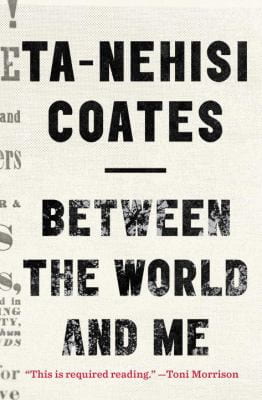
book cover“I read [Between the World and Me by Ta-Nehisi Coates] to better understand issues of equity in America and why and how institutional racism still persists. Though this book did help me better understand racism in America, it also offered an unintended but cherished lesson… I never understood my father’s fear completely or his broken way of parenting as well as I have in reading (this book).”

-Anonymous


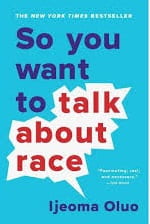
“[So You Want to Talk About Race by Ijeoma Oluo] is written by an incredible local activist. Her book is framed in an approachable way, and is welcoming for folks who are new, but open, to talking about race. I personally found it helpful for framing my own conversations with other people who might not be as deeply interested involved in social justice. It’s honest and direct and really, really great.”

-Gabriella D.


 Sonya Renee Taylor
Sonya Renee Taylor

 “One area of diversity that we often overlook is size/weight/body, and how we are overtly instructed from a young age what kind of bodies are “normative,” lovable, and worthy of inclusion. [Sonya Renee Taylor’s The Body is not an Apology] takes the concept of radical body love and directly links it to the struggles of various intersecting identities and sites of oppression. She’s doing incredible work in this area.”            -Lauren C. 


Anyone can contribute to the collection. If you would like to add your voice to this collection, recommend a book here. 

Highlighting University of Washington members’ collective and individual voices is a primary goal of the collection and our capstone project. In this work, we have explored new ways to bring the community into the collection, while growing and sharing the collection across the three UW campuses. Since its inception, the collection has grown to well over 100 books that span the gamut of genres. 

Since the Libraries physical collections have been inaccessible to users during the COVID-19 campus closure, we have adapted the collection in order to increase use and engagement: 

  1. We are hosting an online exhibit of video book recommendations created by students and UW Libraries staff, offering short book descriptions along with personal reflections. The recommendations get to the heart of a book’s messaging, and allow for easy sharing and community dialogue. 

  2. We have enhanced the Recommended Reads for Equity’s webpage to highlight which books in the collection are available electronically.
  3. We are purchasing electronic copies of books already in the collection to expand availability online and continuing to purchase new books that are not already held by UW libraries. The inclusion of more online materials will make the collection more readily accessible to UW Tacoma users, UW Bothell users, and online students in the long-term.

This collection compliments other EDI-based reading and collection work happening across our UW campus community such as UW Bothell’s Community Reads program and UW Tacoma’s REAL Lit[erature] Book Club, both of which are continuing as remote/online programs.

We feel fortunate to have had the opportunity to help engage the community in discussion around equity, diversity, and inclusion through this collection. Through this work, we hope to bring purposeful, community-wide dialogue and internal professional reflection on equity, diversity, and inclusion into our network, our jobs, and the library community. We believe that our work on this project better equips us to support and implement EDI-focused projects in our future careers. We hope to use our relevant skills and techniques in collection development, outreach, student services, and assessment to continue to support equity, diversity, and inclusion in our future roles.

Next year, new UW Libraries graduate assistants will become curators of the Recommended Reads for Equity collection, continuing to engage the UW community in sharing their voices and perspectives, reflecting what diversity, equity, and inclusion mean to them. The collection is meant to be flexible, to continue to evolve and change as our community changes, and new voices, new books, and new community members add to and shape the collection. 

For questions and more information on the Recommended Reads for Equity project contact Emilie Vrbancic.

###


Stories

Insights from Going Public: Opening Scholarship to All

UW Libraries inaugural Going Public event launched in 2017 as a forum for sharing ideas and exploring ways researchers communicate their work to the public through the media. In the following years, other topics were explored–like public scholarship, citizen science, and community-based participatory research. Hosting events like this is central to UW Libraries mission and vision advancing research for the public good. As Libraries work has evolved far beyond a mechanism to provide resources alone, we strive to help researchers and students create and share new knowledge. We see access to information as a universal right, not a privilege available only to the few who enter our institutions or to those who can pay for it.

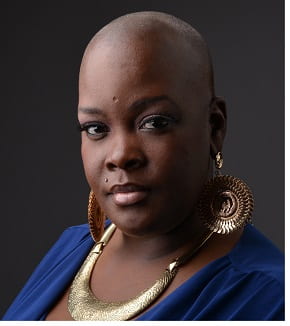
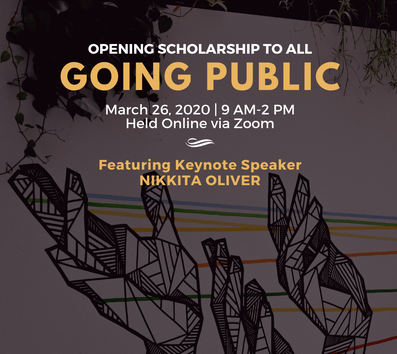
This year’s theme “Opening Scholarship to All,” focused on equity in the production of and access to scholarship. The symposium featured a keynote address from Nikkita Oliver, a social justice advocate working at the intersection of arts, law, education, and community organizing. Some know Oliver through her campaign for Mayor with the Seattle People’s Party, and others are familiar with her because of her opposition to the King County youth jail or her directorship of Creative Justice, an arts organization for youth affected by the school-to-prison pipeline.

When the planning committee started brainstorming about “dream” keynote speaker possibilities, Nikkita Oliver was at the top of our list, and we were so grateful she was willing to participate. Given the restrictions for public gatherings, we decided to shift the event to a virtual forum. Everyone involved adapted quickly to plan for the event in an entirely new format. This was one of the first events the Libraries held virtually after our public spaces were closed. Given the incredible response from more than 269 registered participants, we were glad that we decided to move forward remotely.

Oliver’s keynote was definitely a highlight—a layered, complex, impassioned composition that led us from ancient libraries, to the first libraries in the United States, and to the Central Seattle Public Library Branch in Seattle, a place that Nikkita said she loved. Other sessions explored equity in data visualization, equity in open education resources, and public scholarship. Each session brought forth different points of views and engaging discussions. Below are just a few of the interesting questions and insights from each session. To see and hear the complete sessions, visit the Going Public web page here

Reconsider the cliché “knowledge is power.”

  • The ability to decide what we view as knowledge is a power. How do we decide whose knowledge is power?
  • Consider the concept of gate-keeping and the exclusionary side of libraries—aspects that are more segregationist, punitive and carceral—as opposed to ones that are built on reparation, transformation, and trust. 
  • Imagine a system of libraries that would represent a People’s University, a place that would bring about healing and creativity. A place that wouldn’t just be open to the public but radically and powerfully for it.
  • Watch Going Public: Welcome & Keynote Address – Nikkita Oliver

How do we re-imagine our disciplinary constructs?

  •  The Center for an Informed Public is using partnerships with libraries and town halls to engage the public in a meaningful way around coronavirus misinformation. 
  • Strengthening academic discourse can’t just happen within the walls of the academy. We need to reimagine and reconfigure our disciplinary constructs to engage with the public.
  • Public scholarship can begin long before the research starts. Note who your public is. Work with the community and keep community needs in mind as you develop your research process.

How do we avoid oversimplification of data practices?

  • Numbers are always placeholders for something, or in most cases someone else
  • When we are invisible in the data, we don’t exist.
  • Think about equity when selecting data visualization tools. Is it an open source tool? Can anyone access the tools to reproduce your work? Using open tools and open data will help your scholarship go public.
  • Having data is power and sharing data is sharing power.
  • Watch Going Public: Equity in Data Visualization – Negeen Aghassibake

How can OER shape equity in the classroom?

How can we develop a diverse design process for research?

  • Start with the needs of the community. Work together in partnership to align the research with their mission, values, and needs.
  • Involve community leaders and share materials developed openly with them throughout the research process.This allows you to adapt your process in real time.
  • NOTE: These highlights are from the panel discussion that was not recorded.

These are just a few of the thought-provoking themes and ideas that participants discussed at this year’s Going Public. You can access the complete recorded sessions here

Thank you to all of our dynamic speakers:

  • Chris Coward, Senior Principal Research Scientist, TASCHA and Center for an Informed Public UW Information School
  • Jason Young, Senior Research Scientist, TASCHA
  • Negeen Aghassibake, Data Visualization Librarian, UW Libraries
  • Lauren Ray, Open Education and Psychology Librarian, UW Libraries
  • Gillian Harkins, Associate Professor, UW English Department
  • Clarita Lefthand-Begay, Assistant Professor, UW Information School
  • Linda Ko, Associate Professor, UW School of Public Health
  • Jenny Muilenburg, Research Data Services Librarian, UW Libraries

Special thanks also to our co-sponsors:  the eScience Institute, the Simpson Center for the Humanities, the Technology & Social Change Group, the Center for an Informed Public, and the Department of Gender, Women & Sexuality Studies for their support.

### 


Stories

Listen and Learn: Exploring Oral Histories at UW Libraries for #preswk

It’s Preservation Week 2020!

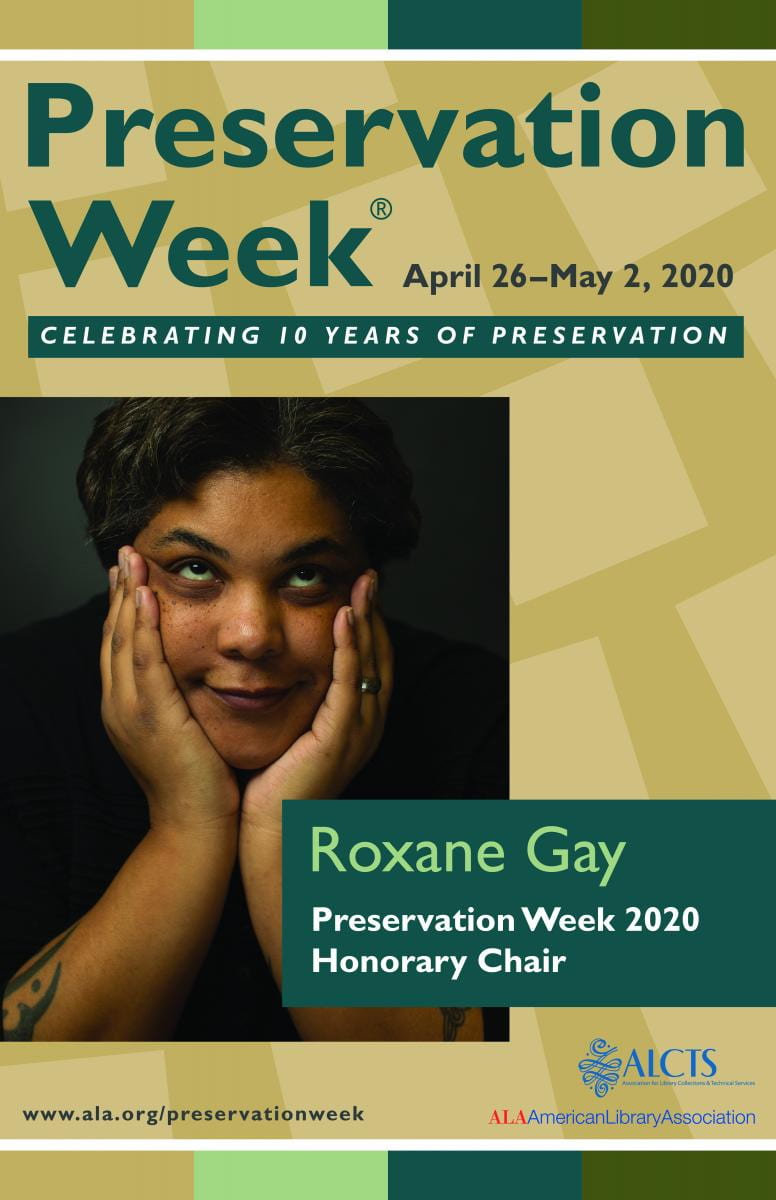
Honorary co-chair: Bestselling author, educator and cultural critic Roxane Gay will share her years of experience as a writer, storyteller and social commentator during Preservation Week.

This month marks the 10th anniversary of Preservation Week®, a public awareness initiative that aims to promote preservation and conservation in communities with the help of libraries, institutions and museums. Preservation Week inspires actions to preserve personal, family, and community collections in addition to library, museum, and archival materials. It also raises awareness of the role libraries and other cultural institutions play in providing ongoing education and outreach.

Here at UW Libraries, we’ve put together an itinerary for the week – fun, daily activities designed to encourage learning and exploration of oral history and preservation; there’s a little something for all ages and interests!   In addition, we’ve highlighted some links to oral histories within UW Libraries collections – personal favorites, timely historical accounts and more. Enjoy!

Weekly Itinerary:

  • #MotivationMonday: Start strong. Check out the Libraries’ Oral History collections online from Special Collections, Bothell,  and Tacoma in celebration of our theme “Preserving Oral History”, follow honorary chair Roxanne Gay and #preswk on Twitter, and register for the webinars below.
  • #TipTuesday: Attend a how-to-do Oral History Webinar at 11 a.m. from the experts at StoryCorps and learn how to conduct your own oral history, using the StoryCorps Connect tools as way to reach out to friends and family during social distancing.
  • #TGIF: Stretch goal–attend the 8 a.m. digital preservation webinar from the Library of Congress (LOC), but luckily it -and the four other Preservation Week webinars from LOC will be archived for later listening. Realistically,  do a little personal digital archiving on your email inbox and call it a week.

UW Libraries Featured Oral Histories

The University of Washington Libraries greatly recognizes the importance of oral histories as an important primary source for historical narratives. The following links represent just a fraction of the stories that live within our oral history collections. To explore more, check out the Libraries’ Oral History collections online from Special Collections, Bothell,  and Tacoma.

Remembering the 1918 flu pandemic – first-person accounts from Washington locals.  

The following interviews include conversations referring to the 1918 flu pandemic.

UW Tacoma Oral History: Founding Stories

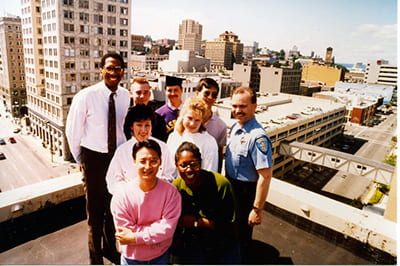
UW Tacoma founding staff with one of the first graduates on the roof of Perkins Building, 1991. Courtesy of UW Tacoma

Founding Stories is a project to develop a new digital oral history collection comprising interviews about the founding of the UW Tacoma campus. The project has already created close to 50 hours of audio on oral histories related to campus history. Listen to Excerpt highlights on SoundCloud including a special audio story about the Black Student Union, and  interviews with Claudia Gorbman,professor emerita and Steve Smith on the unique undertaking of building an urban-serving university, education in Washington state and the South Sound and connections with the local community.

UW Libraries Special Collections: South Asian Oral History Project (SAOHP)

South Asian Oral History Project (SAOHP) represents one of the first attempts in the U.S. to record pan-South Asian immigrant experiences in the Pacific Northwest using the medium of oral history. This initiative not only has the goal of preserving the history of South Asian immigration to the region, but also of making these historical resources/material available to everyone. The collection, completed by UW South Asian Studies Librarian, Deepa Banerjee, has been featured in several prominent exhibits including an Ellis Island exhibit running through 2021 and an audio installation created in partnership with the History Channel and ESI Design called “The Peopling of America Center” for the Ellis Island National Immigration History Museum in New York.

UW Ethnomusicology Archives: Vi Hilbert Collection

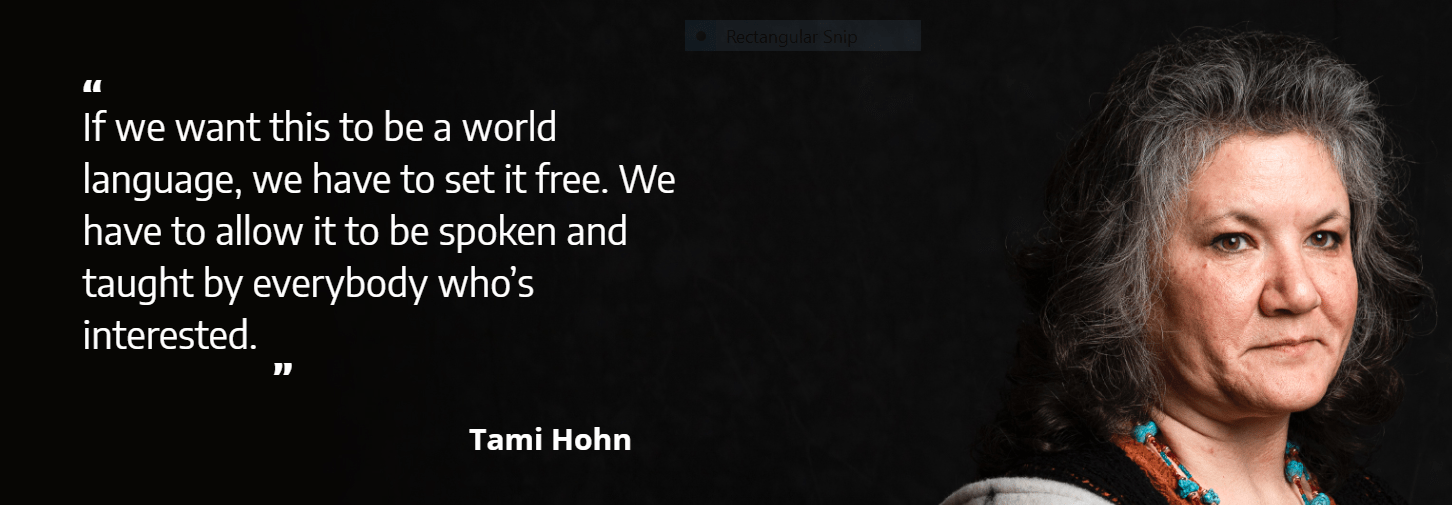
The collections in our Ethnomusicology Archives also include oral histories that give us a unique understanding of culture, place and time through words and music. Vi Hilbert (1918-2008) was a member and noted elder of the Upper Skagit tribe. Her first language was Lushootseed, a Coast Salish language found in the Puget Sound region of western Washington state. Hilbert played a major role in the revitalization of the language and culture of the First People of the Pacific Northwest. She became known as a teacher, storyteller, publisher, and public speaker. For over 40 years she built and maintained a research archive of cultural materials.

Listen to the Hilbert collection here, and learn how it is being used by UW scholars in “The Language of the Land”, a profile of UW lecturer Tami Hohn (pictured right).

UW Bothell: Community Voices

Community Voices is a collection of oral histories and interviews conducted by – and with – University of Washington Bothell students, staff, faculty, and community members. Represented in the collection are histories of international students, students with disabilities, founders of UWave Radio, staff who maintain campus facilities, staff who work with students, and Bothell community members who experienced the downtown Bothell fire of 2016. These histories expand the breadth and depth of the recorded history of the University of Washington Bothell and the surrounding community.

Enjoy learning about our oral histories this week! For questions about any of our archives, just ask us!

#YourLibrary

###


Stories

Libraries’ Installation The Age of the Kampuchea Picture Wins a Center for Research Libraries Primary Source Award

“Every time I remember Elizabeth Becker’s pictures, I cannot help but see Pol Pot’s total control of the production and consumption of these images; his vision of Kampuchea saturates them all.  I cannot see beyond it.”

–Adrian Alarilla

The Center for Research Libraries (CRL) has awarded the 2020 Primary Source Award in the Research category to  a collaboration between the Libraries’ Southeast Asia Section, artist Adrian Alarilla, and Anthropology Prof. Jenna Grant on the video installation The Age of the Kampuchea Picture.  The award recognizes “the innovative application of methodologies to open or expand avenues of scholarly research in the social sciences or humanities.” The installation is based on the notes and photographs of New York Times journalist Elizabeth Becker’s historic visit to Democratic Kampuchea, which took place just a few days before the Vietnamese army overthrew the genocidal Khmer Rouge regime in December 1978.

Becker began transferring her materials to UW Special Collections in 2007, when she realized their importance as evidence in the context of the United Nations Khmer Rouge Tribunal, to which she was called to testify.

Betsy Wilson, vice provost for digital initiatives and dean of University Libraries recalls meeting Becker in 2010.

“I met Elizabeth in Washington, DC to receive and personally transport a group of images back to UW Libraries for processing. It was one of many transfers that would eventually become the Becker Collection,” says Wilson. “She knew how special and rare the images were—representing her very unique experience and perspective as a photo journalist during an extraordinary time in history. We are grateful to Becker for entrusting such a unique collection to UW Libraries.”

When she gave her materials, she was also concerned about making them available to the Bophana Audiovisual Resource Center in Phnom Penh, a research and visual training organization which she had helped establish with French Cambodian filmmaker Rithy Panh.  As a result of her request,   the Libraries digitized the photographs and notes from her trip.  The collection is available in UW Special Collections:  the Elizabeth Becker Cambodia and Khmer Rouge Collection, 1970-1988

exhibit folder
A photo of the installation at UW Libraries Research Commons in 2017

The Age of the Kampuchea Picture is an interactive video installation that was produced in 2017 in connection with the visit of Rithy Panh and Elizabeth Becker herself. The installation was a collaboration between the UW Libraries Southeast Asia Section, Adrian Alarilla, a Southeast Asia MA student in the Jackson School and Filipino-American filmmaker, and Prof. Jenna Grant, whose work in Anthropology has a focus on medical imaging in Cambodia.

Alarilla used Becker’s photographs, audio, and text to question the limits of representation under the authoritarian regime of the Khmer Rouge. The installation sought to express the violence of visuality that the Khmer Rouge regime in Cambodia projected through state power, and to explore the complex relationship between image, state violence and the ethics of representation. Elizabeth Becker’s photographs are haunting and ambiguous, even though most were clearly managed by her hosts.  At the time, the Khmer Rouge leadership was anxious to counter refugee narratives that were just emerging and spreading alarm in the international community about human rights abuses inside the country.

The audio file used in the installation is Becker’s interview with Ieng Sary. Known as ‘Brother Number 3’, Sary was Deputy Prime Minister in Charge of Foreign Affairs, and his interview is a remarkable testament to the regime’s hubris on the eve of its overthrow. He asks the journalists repeatedly whether they believe refugee reports or what they “have seen with their own eyes.”  The installation speaks to the question of what is allowed to be seen, what is hidden, and how we might seek the truth in that absence of seeing.  Alarilla has taken inspiration from Martin Heidegger’s essay “Age of the World Picture” to theorize the epistemological violence of state optics under the Khmer Rouge through his work.  This violence is embodied in its very absence; as Becker has noted in her subsequent writings about the trip, the pictures of real life are strikingly missing.

Our challenge as a library was to create an exhibit featuring the photographic evidence from Becker’s visit while acknowledging that its images are tainted as representations projected by the Democratic Kampuchean state order.  Alarilla’s work helped us address this challenge by creating an artistic installation that was both visually ambiguous and interactive. The installation comprises a video projection of a selection from Becker’s black and white images and a makeshift screen made of photocopied documents from her typed notes, arranged to form a rough map of Kampuchea.  The pictures show us an industrious self-sufficient nation with deep cultural history. But in our representation of these materials, the projection is interrupted: the screen is not blank or flat but is a fractured, multilayered representation of an outline of Kampuchea made of documents, many of which contradict the ordered intent of the overlaid photographic images.  There are blacked-out spaces on the map, representing locations of the “killing fields.”  The 12-foot map covered one glass wall of the Research Commons lobby, with the projection from the other side of the lobby. The dark holes in the screen represent the locations where the senselessness of genocide overcomes the rational images of Kampuchea that Pol Pot attempts to project. The projected images are distorted as passersby cast their own shadow on the screen.  We, too, in the U.S., are implicated.  We, too, are part of the picture.

The Age of the Kampuchea helped strengthen Professor Jenna Grant’s connections to the local Cambodian American community; working with Cambodian American arts groups, we installed a Khmer language version of the installation at the Art of Survival festival in Seattle City Hall in spring 2018; and Prof. Grant was awarded a Whiting Foundation Seed Grant  for her public engagement project to bring Cambodian American and Cambodian audiences into dialog with the Libraries’ Becker Archive.

Our collaborative work with local communities and the Bophana Center, which also exhibited the installation in 2019, formed the basis for another significant, future project. Pending grant approval, the larger project would extend this work on visuality and reconciliation in a collaboration to bring the Libraries’ Southeast Asia archival collections into dialog with archives, memory institutions and visual artists in Cambodia, Myanmar and the Philippines, reaffirming the important role of archival collections in creative community memory projects.

For questions about the collection, and related future projects, please contact: Judith Henchy ([email protected])