UW Tacoma Library
Closed
Location Information
Closed
Closed
Entrance:
Entrance on the ground level. Doors have paddles. Elevators to access all levels of the library.
Accessible Bathroom:
Accessible bathroom with paddle doors on the first floor. All additional bathrooms are wheelchair accessible with stalls. The women’s restrooms on the second and third floors also have paddle doors,
Barriers:
Study rooms have lever doors that require twisting the wrist.
Assistive Technology:
Available on Student Computers (require UW NetID) and Guest Research Workstations. Adaptive Technology Workstation on the first floor in the Information Commons. This workstation has a powered height-adjustable desk, touch-screen computer, Actobar video magnifier, webcam, jumbo trackball, high-contrast large print keyboard. Height-adjustable desks are also available throughout the library.
More information about accessibility at the UW Bothell libraries
Open today: 1pm-5pm
The Red Square entrance to Suzzallo Library has a ramp and door paddle, and the Allen ground floor entrances also have paddles.
Our space includes adjustable height tables and a wheelchair charging station just in front of the space.
Open today: 1pm-8pm
The Open Scholarship Commons (OSC) is an interdisciplinary set of spaces and services in Suzzallo Library intended to advance open, public, and emerging forms of scholarship. It provides opportunities for scholars, creators, and learners from diverse backgrounds to learn from each other and build the skills necessary to co-create, share, translate, and make the impact of their research visible to the world.
We offer subject expert help, and workshops across the research lifecycle in areas such as:
We offer regular programs tailored to new knowledge creation (e.g., Text mining, data visualization, digital scholarship) and knowledge sharing (e.g., Open access publishing, podcasting, etc).
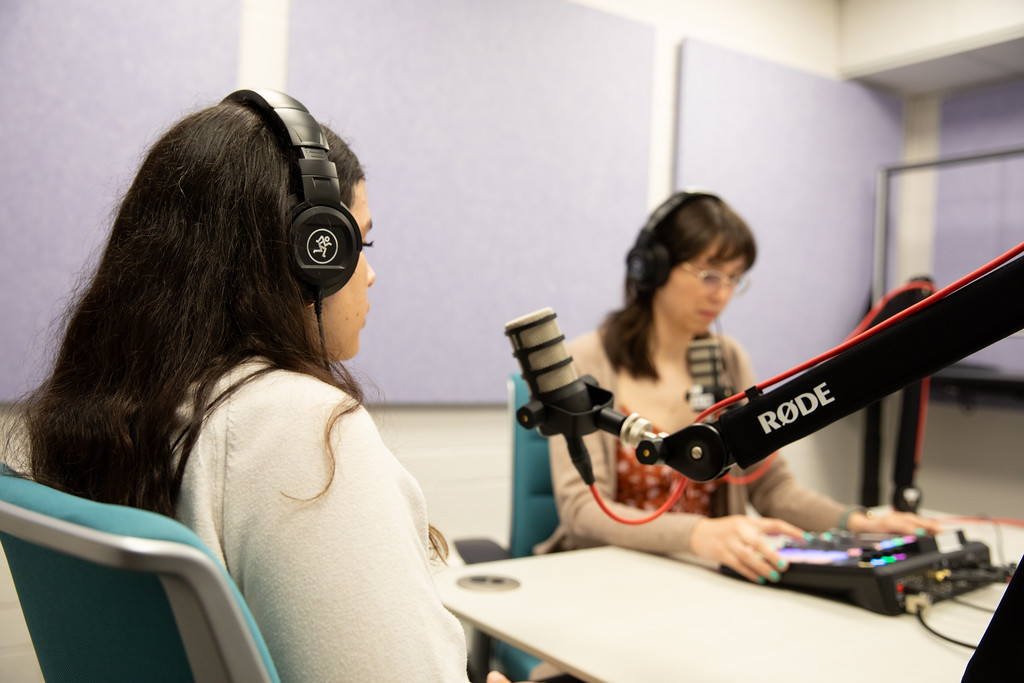
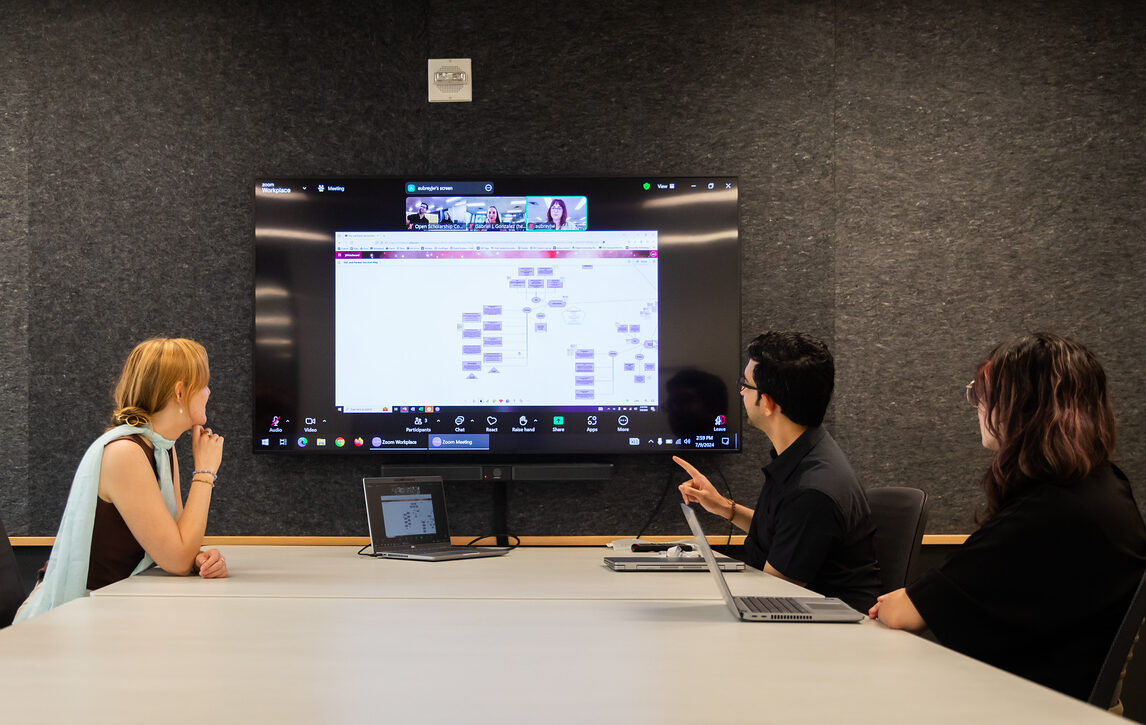
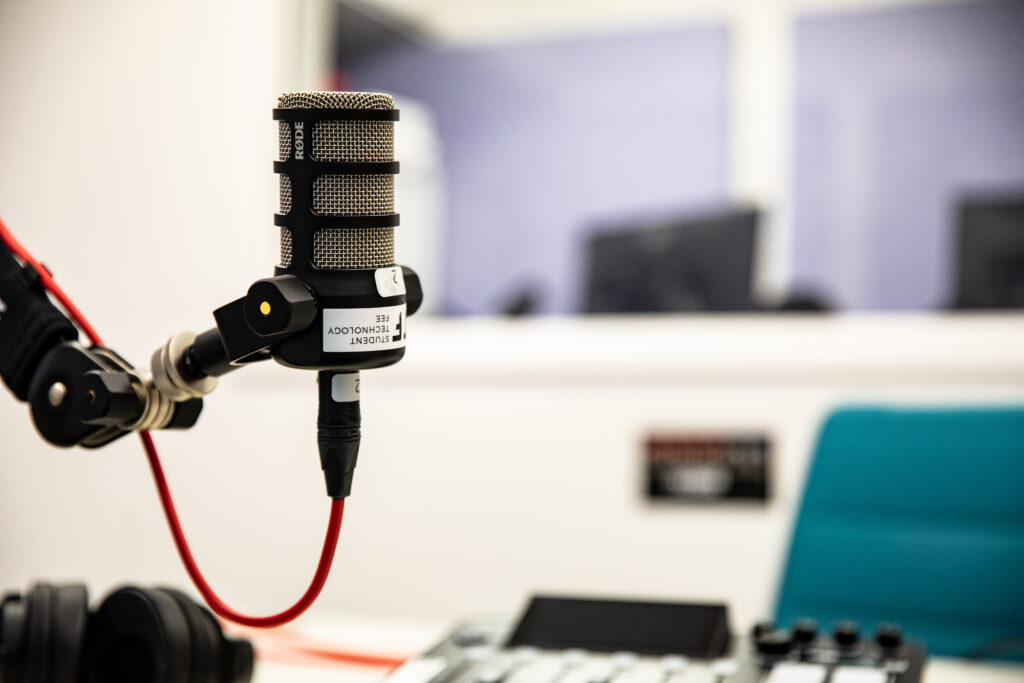
Open Scholarship Commons (OSC) group work spaces, Recording Studio, Presentation Space, and individual workstations with specialized technology are available to support UW students, faculty, and staff who are focused on projects involving new knowledge creation and knowledge sharing.
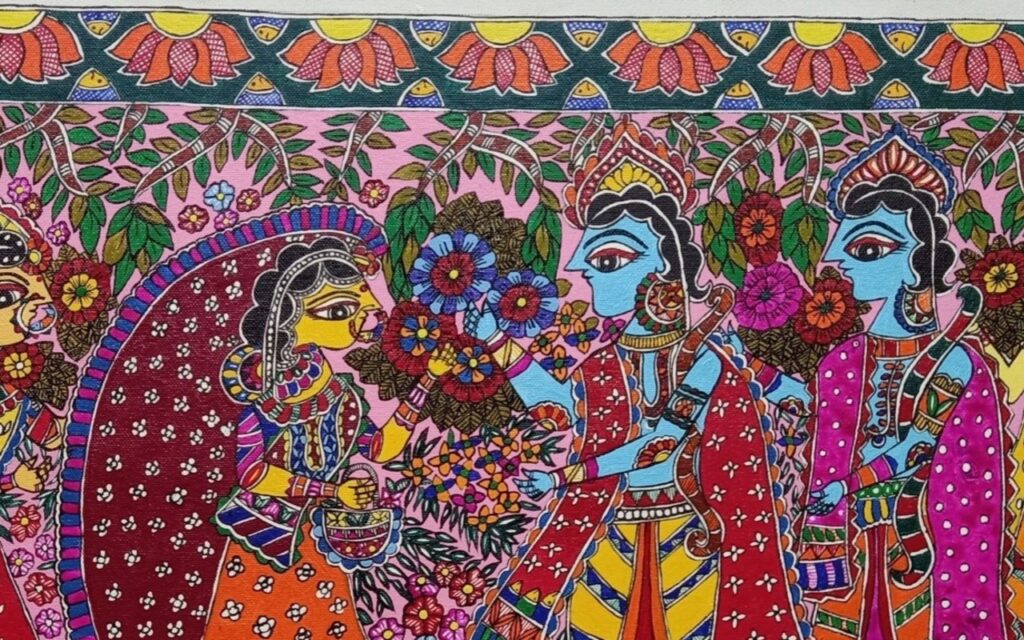
This collaborative digital book project was created by the teacher and students of Hindi 317 (Popular Hindi Song) and 502 (Readings in Classical Hindi Literature: Avadhi) during Winter Quarter 2025, exploring the theme of Ramayana.


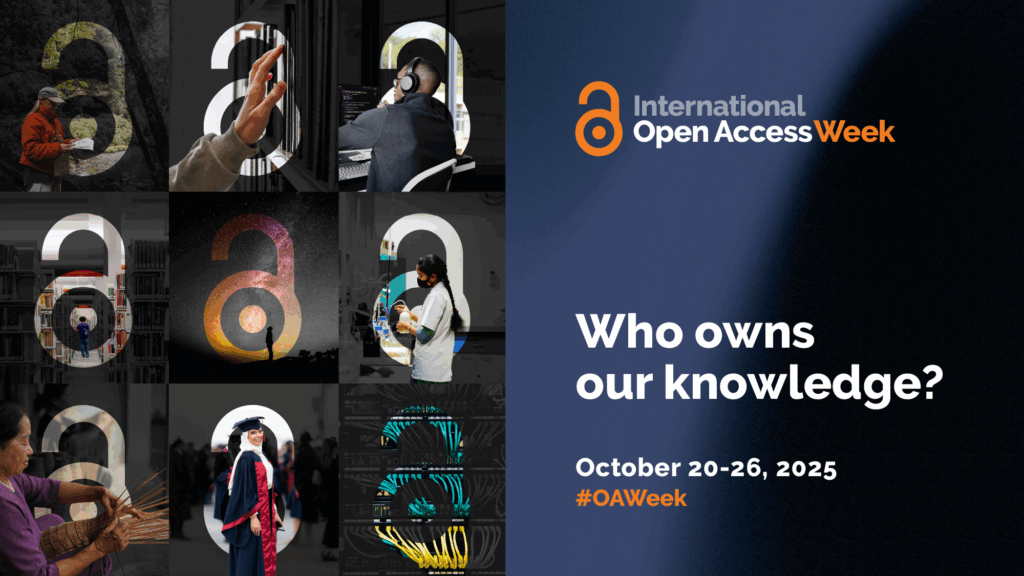
Open Access Week is a yearly, global event that brings communities together to “take action, and raise awareness around the importance of community control of knowledge sharing systems.” Join the Open Scholarship Commons for events and discussion around this year’s theme of “Who owns our knowledge?”.
The Open Scholarship Commons works closely with the following campus partners in developing our services, events, and programs.

The eScience Institute empowers researchers and students in all fields to answer fundamental questions leveraging techniques, technologies, and best practices of data science and the fields that depend on them.

The Walter Chapin Simpson Center for the Humanities advances crossdisciplinary research, exemplified by its annual Summer Fellowships in the Digital Humanities, which support innovative humanities initiatives and foster intellectual community.

Learning Technologies provides direct assistance, expert consultation and workshops to support innovative teaching and learning, collaborating with UW partners to evaluate emerging tools and maintaining student-focused services and technology spaces.

The University of Washington Press is the oldest and largest publisher of scholarly and general interest books in the Pacific Northwest. We are committed to the idea of scholarship as a public good and have a growing collection of open access books.

The Humanities Data Lab is an interdisciplinary hub for digitally-centered scholarship and data-driven projects across the humanities. We provide support and resources for scholars who are pursuing humanities questions and wish to use digital methods in their research.
Get help from librarians by email, phone, 24/7 chat, or make an appointment with a subject expert
Entrance:
Entrance on east side of building has a ramp, then go down the hall to the elevator to access main library.
Accessible Bathroom:
A single-occupancy, wheelchair-accessible bathroom is available in the library on the third floor.
Barriers:
No area of refuge. Floors other than the main floor are inaccessible.
Assistive Technology:
Scanning station has height adjustable desk
Closed
The Tateuchi East Asia Library, located on the third floor of Gowen Hall in the University’s iconic Liberal Arts Quadrangle (i.e. The Quad), is one of the leading East Asian libraries in North America. In addition to its distinguished collections, the library collaborates closely with faculty, students, and researchers to support teaching, learning, and scholarship in East Asian studies.

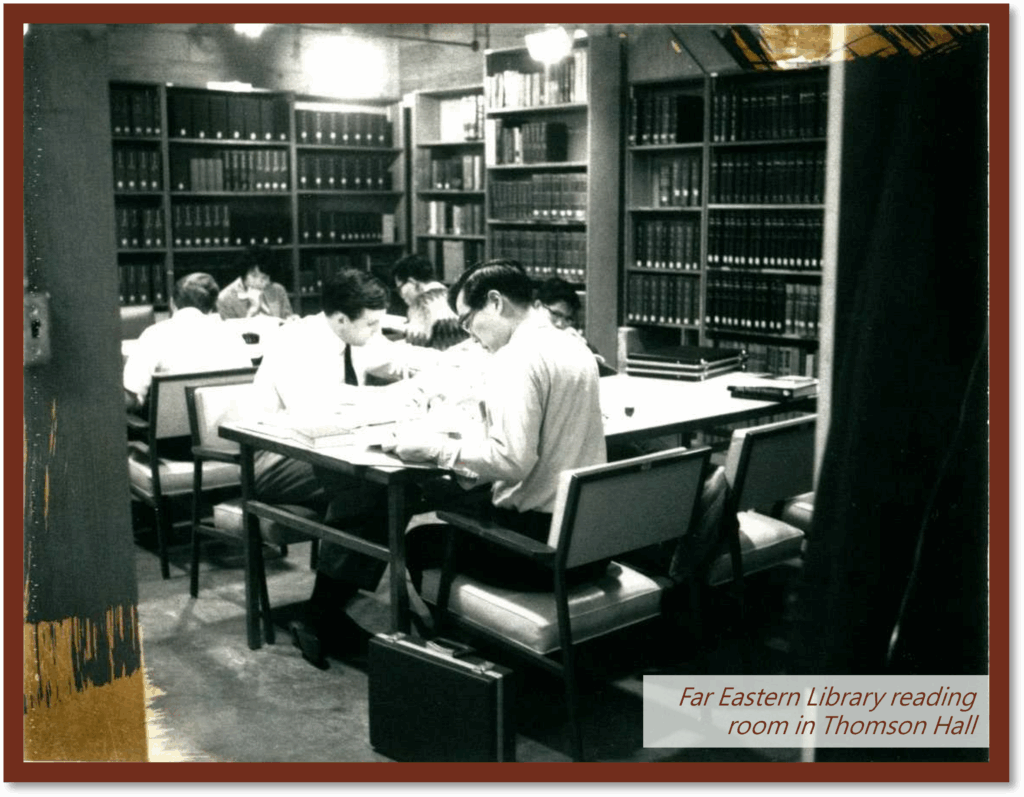
With an initial collection established in 1937, the Tateuchi East Asia Library is the second oldest library on campus.
The China collection is devoted to the learning and research of the Chinese language and studies on China and beyond in fields of humanities, social sciences, and more.
The Japan Collection supports teaching and learning in humanities and social science focused on Japan, while continuing to expand both traditional and electronic resources across related disciplines.
The Korea collection is one of the oldest and largest in North America, supporting Korea Studies with rich and specialized resources.
The Taiwan collection is of interdisciplinary works published in Taiwan and other areas that support teaching, learning, and research on Taiwan, Hong Kong, China, and beyond.
In addition to East Asian language materials, English-language resources on East Asia are primarily housed in Suzzallo and OUGL.
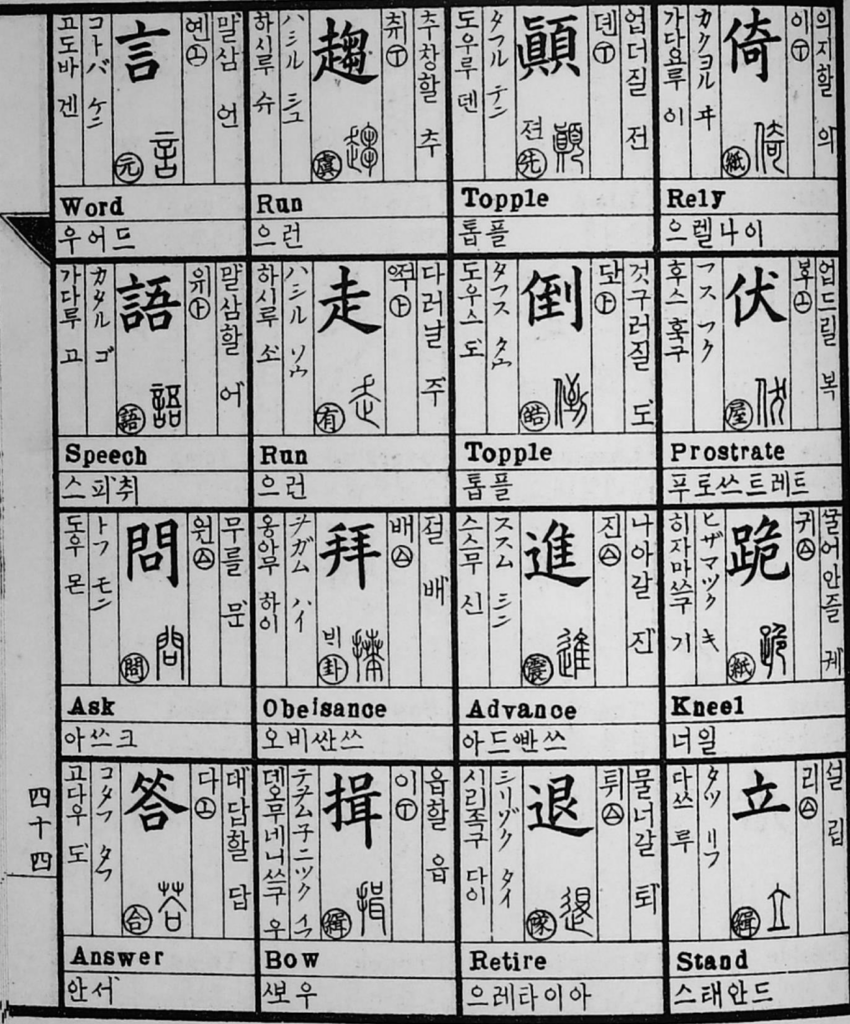
Over 16,000 volumes of valuable, rare, and unique materials in the Chinese, Japanese and Korean languages.

For questions or research support related to China, Japan, Korea, Taiwan, or East Asia Studies, our subject librarians are here to help.

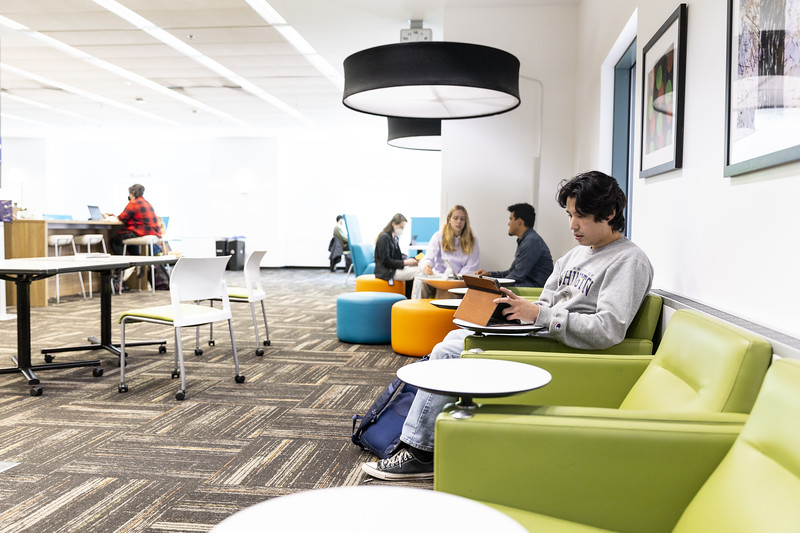
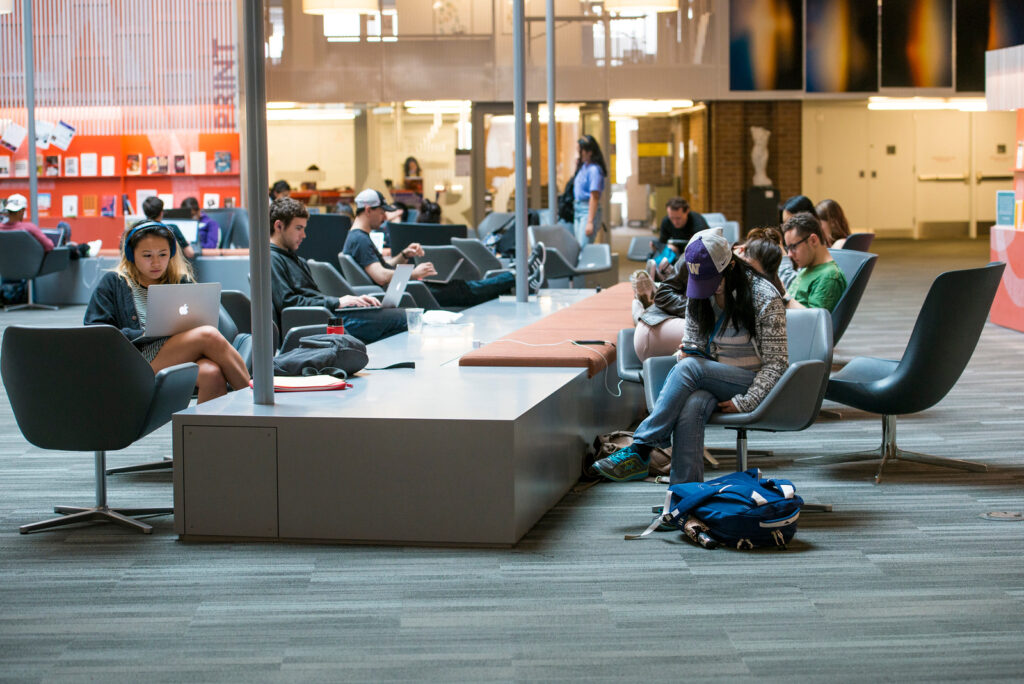
We have a diverse range of study spaces across multiple floors, including cozy open seating, quiet long-tables, small group study rooms, individual study seats and more.

Offers computers, a scanner, printer, power outlets, charging stations, and other essential equipment.
This exhibit highlights rare works from the Tateuchi East Asia Library Special Collections, showcasing how innovations in papermaking, printing, and design across East Asia transformed the form of books and…
You’re Invited to Celebrate the New Year at the Tateuchi East Asia Library! Join us for a festive New Year celebration featuring East Asian cultural performances along with presentations…
The Tateuchi East Asia Library (TEAL) is proud to present the 2025-2026 TEAL Digital Scholarship Series, a dynamic program showcasing cutting-edge research by scholars in the fields of Chinese, Japanese…
Explore research materials in the humanities and social sciences, primarily in Chinese, Japanese, and Korean, from East Asia.
Library of Congress classification is for books and serials. Microforms, audio and video recordings, CDs and DVDs, and pre-cataloged materials use different call number systems. Display periodicals are shelved alphabetically by title.
The main system in use is the Library of Congress classification system, which was implemented in 1969. Call numbers are alpha-numeric. The first line of each number is made up of one, two, or three letters of the alphabet followed by two or more lines of letters and numbers.
Materials cataloged in the Library of Congress classification are shelved in one continuous sequence regardless of language. In Gowen Stacks, this sequence begins on Floor 3 and continues down through Floor 1M, with the exception of certain large sets in the AC range, which are held on Floor 1. Folio books (over 30 cm. in height) are shelved on Floor 1.
Examples of a Library of Congress call number:
Titles on microfilm are assigned one-line numbers prefaced with “microfilm”. Microfiche are assigned one-line numbers prefaced by the term “microfiche.” Examples:
Materials that cannot be fully cataloged upon receipt are assigned numbers based on the order in which they arrive in the library. They are then shelved in numerical order in separate sections by language. The pre-cataloging process enables library users to have quick, direct access to new acquisitions. All books in the pre-cataloged (pre-cat) section can be located in the catalogs under primary author and title.
Most pre-cat books are shelved on Floor 1 of the Tateuchi East Asia Library stacks in Gowen Hall. For others, ask at the Information Desk.
Examples of pre-cat numbers are given below. Please note that current materials use the seven digit hyphenated numbers:
Pinyin is now the accepted Romanization system for Chinese in libraries in the United States and Canada. It replaces the Wade-Giles system which was in use for almost 100 years. The two systems are different, as can be seen from the following example of the Romanization for “China” (中国):
Most records in the online catalog have been converted to pinyin. A limited number of older records are still in Wade-Giles and can only be found in UW Only Catalog searching. Please ask the Tateuchi East Asia Library Information Desk for help.
Chinese entries in the card catalog are entirely in Wade-Giles and will not be changed to pinyin. The library will keep the card catalog as long as necessary as a backup to our online catalog.
Pinyin—Wade-Gile Conversion tables are available at various locations in the libraries and on the China Studies Reference, Dictionaries, and Encylopedias page of this web site.
Searching Tip: In Wade-Giles Romanization aspirated and unaspirated sounds are distinguished by a special diacritic mark resembling an apostrophe; for example: chi and ch’i (ji and qi in Pinyin). In the online catalog such “words” file together in one sequence, however in the card catalog they are filed in separate sequences. The words without an apostrophe come first, followed by the words with an apostrophe. This means that “Chi, Chen-huai” would be first in the filing sequence for chi. “Ch’i, Chao-nan” would be found in the ch’i sequence which begins after the last entry in the chi sequence (which is “chi yun yen chiu”).
Modified Hepburn Romanization is used for Japanese. It is nearly identical to the Hepburn system employed in the Kenkyusha dictionaries.
Searching Tip: In 1983 the Library of Congress made a change in the Romanization rules for Japanese. Previously, the letter “m” was used before “b,” “m,” and “p.” After the spring of 1983, libraries began to use the letter “n” before “b,” “m,” and “p.” For example, “kempo” became “kenpo” and the surname “Homma” became “Honma.” In cases such as this, it is beneficial to search under both methods of Romanization for materials published prior to 1984.
The McCune-Reischauer system as modified by the Library of Congress is used for Korean library records in the United States and Canada. It is different from the official Romanization system devised by the Ministry of Culture and Tourism which was approved for use on July 4, 2000 by the Republic of Korea.
Get help from librarians by email, phone, 24/7 chat, or make an appointment with a subject expert
Entrance:
Red Square entrance has ramp access with a door paddle. An accessible route through the library runs through room 102. Allen ground floor entrances have paddles. Accessible route to elevators is the shortest via the Allen ground floor entrances.
Accessible Bathroom:
Accessible bathrooms are located on every floor. Additionally, accessible gender-neutral bathrooms are available at Suzzallo G050D and Suzzallo 101B.
Barriers:
None noted.
Assistive Technology:
Available on Student Computers (require UW NetID) and Guest Research Workstations. Multiple adjustable height tables. Wheelchair charging station.
Open today: 1pm-8pm

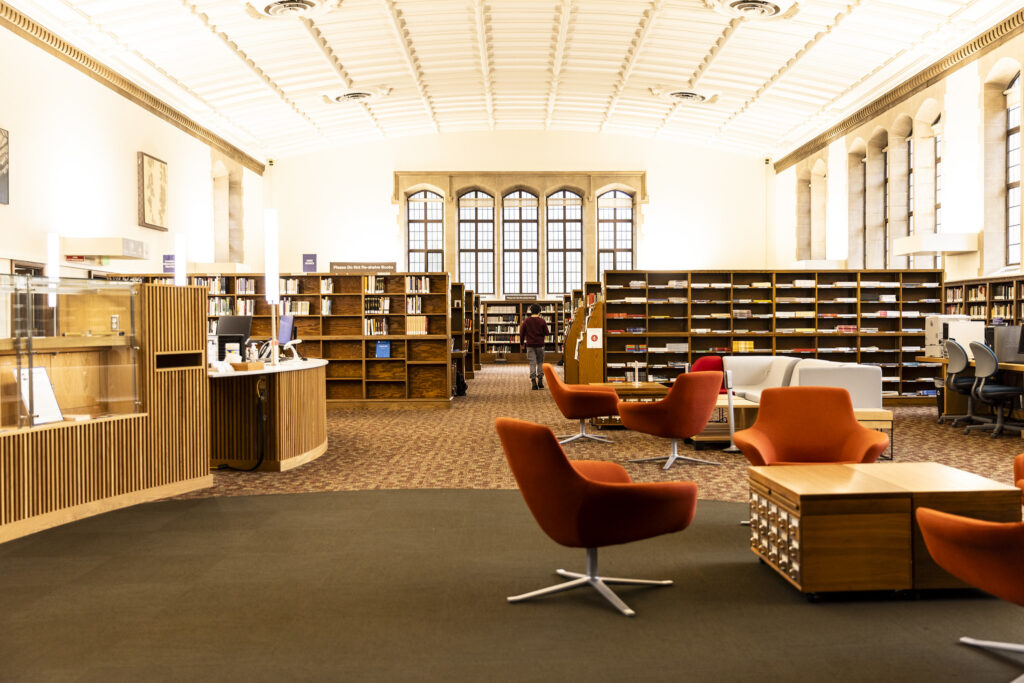
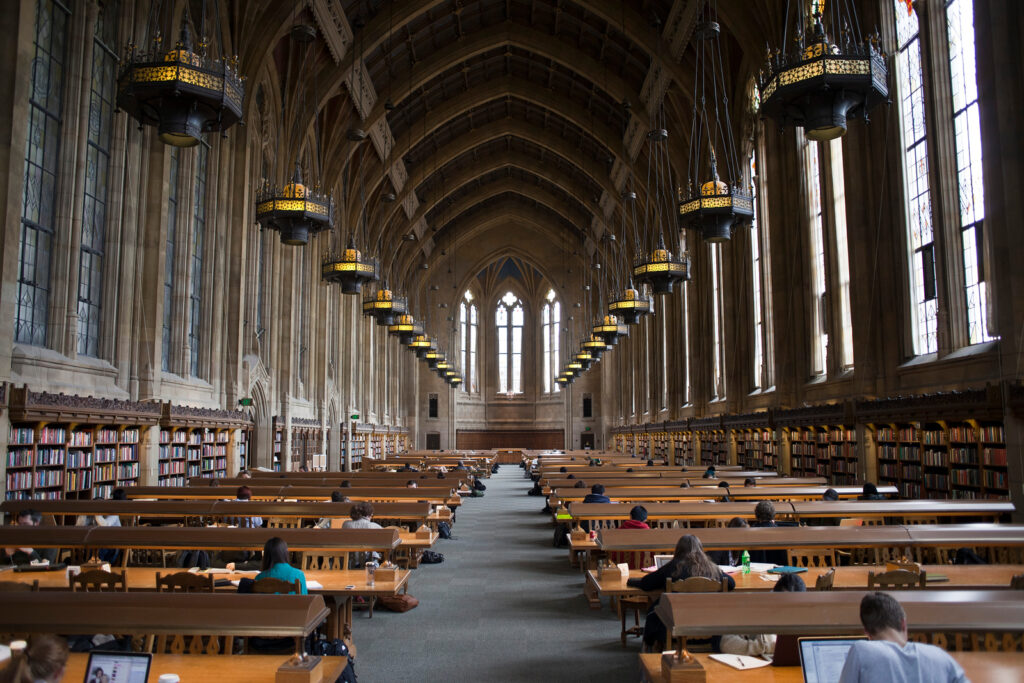
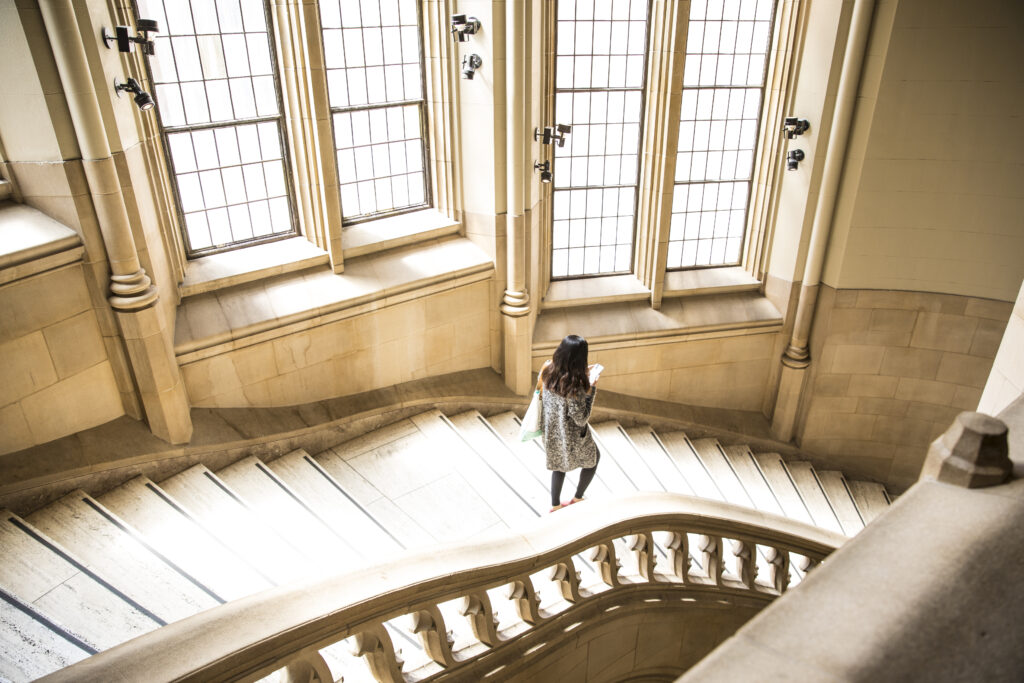
Situated at the heart of the Seattle campus, Suzzallo and Allen Libraries are the largest of the UW Libraries. Here you can explore our rich and diverse collections, get help with research, or admire the beauty of the building’s historical architecture.
Suzzallo and Allen Libraries are open to all – UW students, staff, and faculty, as well as the general public.
Suzzallo Library is undergoing seismic stabilization and facade restoration work through Fall 2026. Certain spaces may experience noise disruption during this time. Thank you for your patience. Learn more.
Explore research material spanning the humanities and natural, physical, and social sciences – in languages from every continent.
Find millions of books, journals, maps, newspapers, film, audio and video recordings, including collections in unique formats and of specialized historical significance.


Learn about the origin story of this incredible campus icon and explore its unique art and architectural elements.
Theater-style auditorium space located on the ground floor of Allen Library North. Available for reservation by UW students, staff, and faculty.
Find a variety of spaces to meet your study needs – from collaborative group work areas to silent study options in the cathedral-like environment of the Suzzallo Reading Room.
Computers, digital scanners, printers (color and black & white), portable power devices, charging stations, charging cords, and other essential equipment.
Get expert in-person help at the Allen Information Desk (Allen North Ground floor) from 10:30am-3pm Monday – Friday.
Visitors can use guest research computers located on Allen North Ground Floor or request temporary wifi access for a personal device.
K-12 class visits are welcome. Teachers are encouraged to make prearrangements.
| Room/Service | Location |
|---|---|
| Account Services | Suzzallo First Floor |
| Administration Offices | Allen North Fourth Floor |
| Allen Auditorium | Allen North Ground Floor |
| Central Circulation | Suzzallo First Floor |
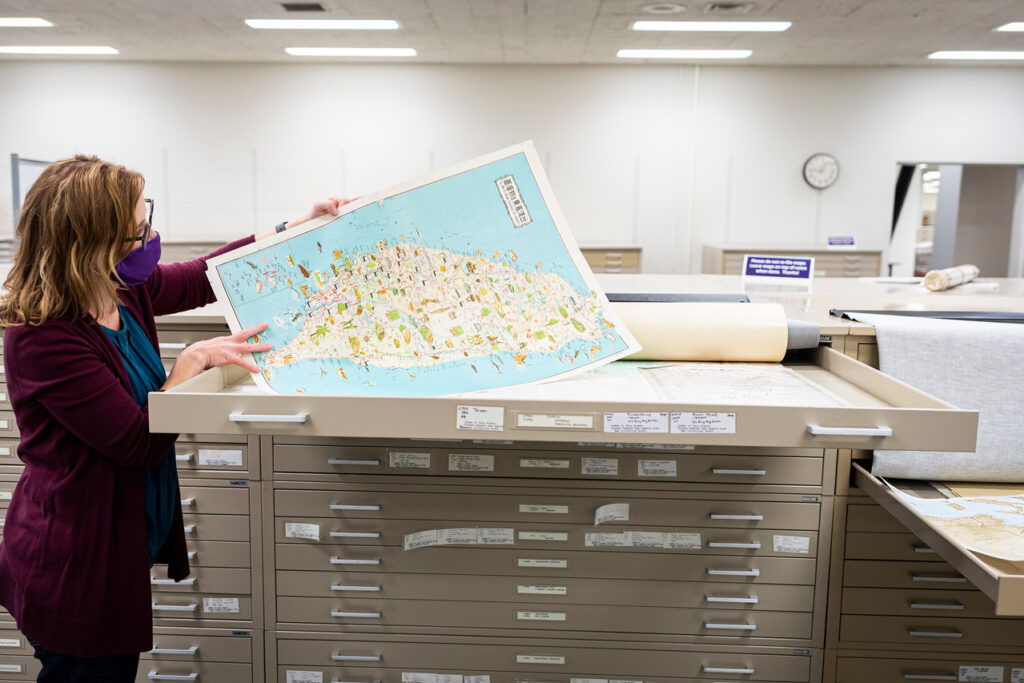
| Government Publications, Maps, Microforms & Newspapers (GMMN) | Suzzallo Ground Floor |
| Information Desk | Suzzallo First Floor |
| Petersen Room | Allen North Fourth Floor |
| Reading Room | Suzzallo Third Floor |
| Research Commons | Allen South Ground Floor |
| Research Help and Information Desk | Allen North Ground Floor |
| Smith Room | Suzzallo Third Floor |
| Special Collections | Allen South Basement |
| Suzzallo Starbucks | Suzzallo First Floor |
| Material | Location |
|---|---|
| Auxiliary or Baker Stacks | Off-site storage – must request |
| Auxiliary Microfilm | Off-site storage – must request |
| Blu-Ray | Suzzallo First Floor |
| DVDs | Suzzallo First Floor |
| Folios | Suzzallo First Floor |
| Government Publications | Suzzallo Ground Floor |
| Maps | Suzzallo Ground Floor |
| Microforms | Suzzallo Ground Floor |
| Newspapers | Suzzallo Ground Floor |
| Reference | Suzzallo First Floor |
| Suzzallo Basement Closed Stack | Off-site storage – must request |
| Call Numbers | Location |
|---|---|
| A – DR | Suzzallo Fourth Floor |
| DS – HA | Suzzallo Third Floor |
| HB – HN | Allen North Third Floor |
| HQ – PA | Allen South Third Floor |
| PB – PR | Suzzallo Second Floor |
| PS – QC | Allen North Second Floor |
| QC – Z | Allen South Second Floor |

Rare and historical materials, including the University of Washington Archives.

Three major format collections serving UW faculty, students, staff, & other local and international researchers.

Get expert help with digital projects or use the specialized tools and spaces available here.

Collaborative study spaces, classrooms, and presentation venues.
Get help from librarians by email, phone, 24/7 chat, or make an appointment with a subject expert
Entrance:
Closest entrance is the Suzzallo ground floor entrance with paddle entry. Elevator access to Allen South basement.
Accessible Bathroom:
Accessible bathrooms located in the Special Collections area. Must check in at the service desk.
Barriers:
None noted.
Assistive Technology:
Available on Student Computers (require UW NetID) and Guest Research Workstations.
Closed
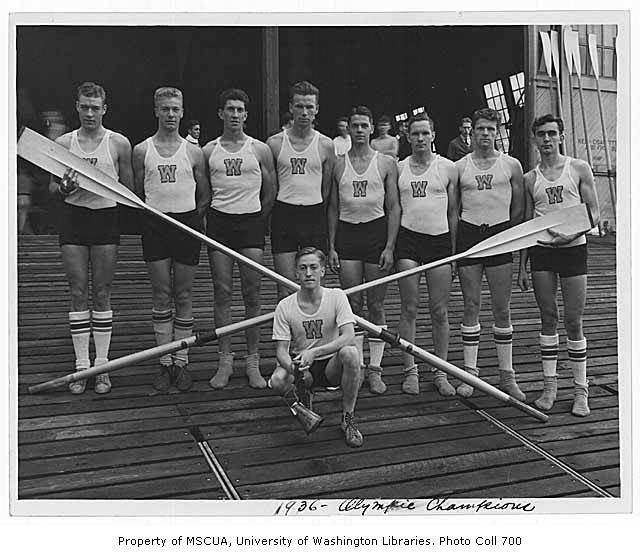
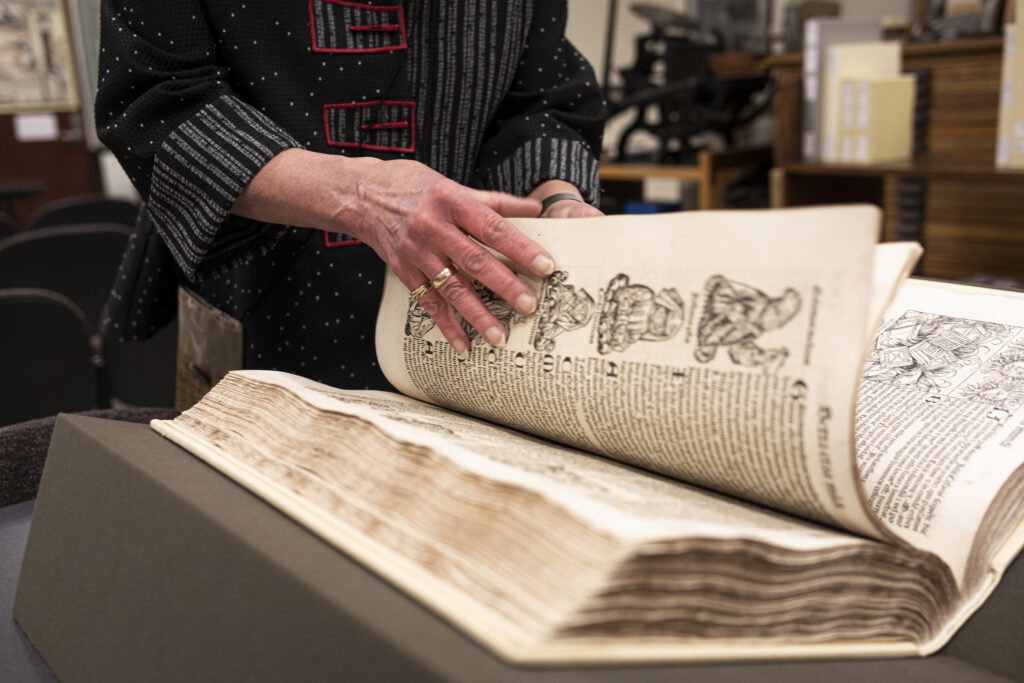
University of Washington Libraries’ Special Collections collects, preserves and makes accessible rare books, manuscripts, papers, records, photographs, moving images and architectural drawings.
Walk-ins welcome for easily retrievable materials.
All users must create an account in the Special Collections Request System to use Special Collections’ materials. The account is free and online, and only takes a few moments to set up! After completing your account setup, you can make appointments and request materials.
Finding aids are detailed guides to archival and photograph collections, which you can use to identify the material you wish to see.
Special Collections is open to members of the UW community, visiting scholars, and the general public. Appointments are strongly encouraged.
These are a good place to start a search as they contain a range of materials, including photographs, books, manuscripts and archives.
Special Collections welcomes class visits that incorporate and explore our collections!
Special Collections provide a variety of reproduction and permission services to meet researcher’s needs.
Be sure to visit all of our exhibits and collections.
Rainier, Tahoma, Nutselip… the mountain is known by many names. A Pacific Northwest icon, Mount Rainier holds a unique place in the region's culture and lore. Its massive peak…
Explore unexpected artifacts that have made their way into Special Collections! Cultural organizations such as libraries, museums, and archives rely on a collection development strategy known as ‘scope‘ to shape…
Washington State's lighthouses, from the historic Cape Disappointment (first lit in 1856) to the iconic Point No Point and Mukilteo, are vital historical markers guiding ships through rugged coasts, foggy…
Join colleagues and friends of the Book Arts and Rare Books Curator Sandra Kroupa as we celebrate her 57 years of service to the UW Libraries and her remarkable career.

Special Collections is located in the basement of Allen South Library. From the Allen arcade, enter the Allen South lobby and take the elevator or the stairs one floor down to the Special Collections lobby. View a campus map and a building map.
Consult University of Washington Commuter Services for more information about visitor parking and rates.
Special Collections is open to everyone! Our primary responsibility is to UW students, faculty, and staff, and we may need to put their requests first during the busiest parts of the school year.
After you sign in, you will need to check all of your belongings into a locker. You may keep loose paper, pencils, and laptops and cameras [without cases]. Liquids cannot be stored in lockers unless in spill-proof containers. You can find a more complete list on our Find Special Collections page!
You can search the library catalog to find published materials we hold such as rare books or special book collections.
Online finding aids let you search inventories of archival collections, which contain unpublished materials such as personal papers, institutional records, or scrapbooks.
A small portion of our collections have been digitized and are viewable in our Digital Collections.
For more information, contact Special Collections.
Because our collections are rare, unique, and sometimes fragile, these materials can only be accessed in person in the Special Collections Reading Room or remotely using our Virtual Reading Room.
You can find instructions on ordering copies and requesting permissions on our Reproductions and Permissions page.
We accept donations that fit into our main collecting areas. If you have something you’d like to donate or if you wish to make a monetary gift, feel free to contact us!
The University of Washington Libraries Special Collections staff does not do appraisals. For this, you’ll need to contact a professional appraiser. Here are some places where you can find one:
The University of Washington Libraries Special Collections collects, preserves and makes accessible rare books, manuscripts, papers, records, photographs, moving images and architectural drawings. The distinctive holdings of Special Collections have grown through many generous donations of material and monetary contributions from community members, faculty, students, alumni and friends. With your support, we ensure the valuable historical legacies housed in Special Collections remain publicly accessible for generations to come.
We welcome the opportunity to discuss with you how your materials might enrich the research and teaching resources of Special Collections. Please contact one of our curators to discuss your donation!
Entrance:
Ground level entrance at Allen South with Paddle doors.
Accessible Bathroom:
Accessible bathroom located in the Research Commons area behind the elevators.
Barriers:
None noted.
Assistive Technology:
Available on Student Computers (require UW NetID) and Guest Research Workstations. Multiple adjustable height tables. Wheelchair charging station.
Open today: 1pm-8pm

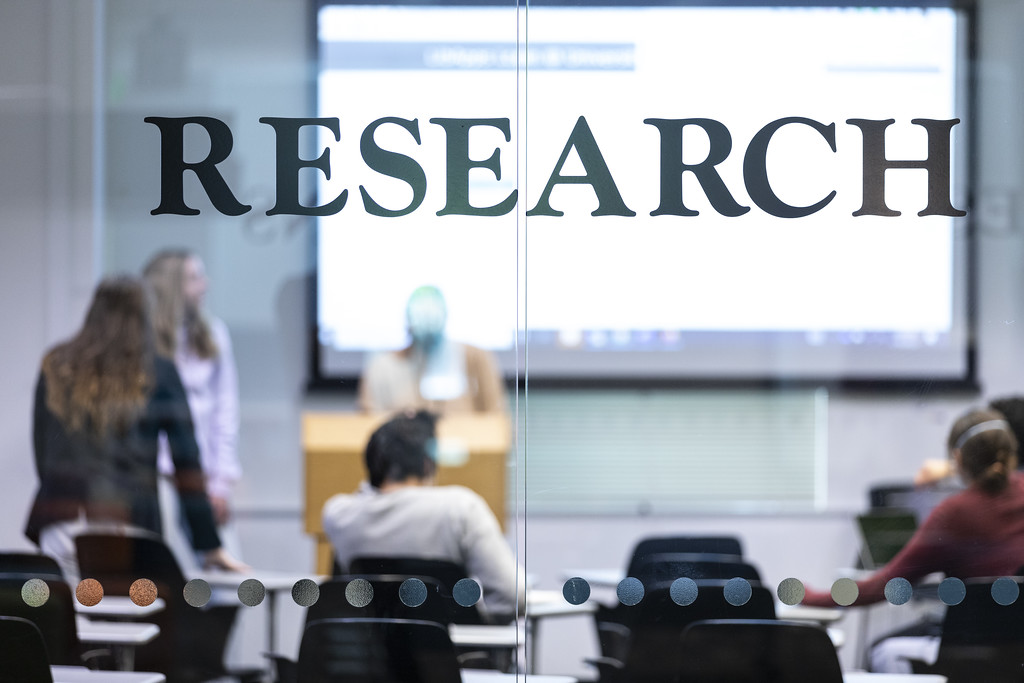
The Research Commons is a place to collaborate and connect with fellow students and faculty on research projects, a hub of support for graduate student research, and a venue for workshop and presentation opportunities.
This space is located on the ground floor of the Allen Library.
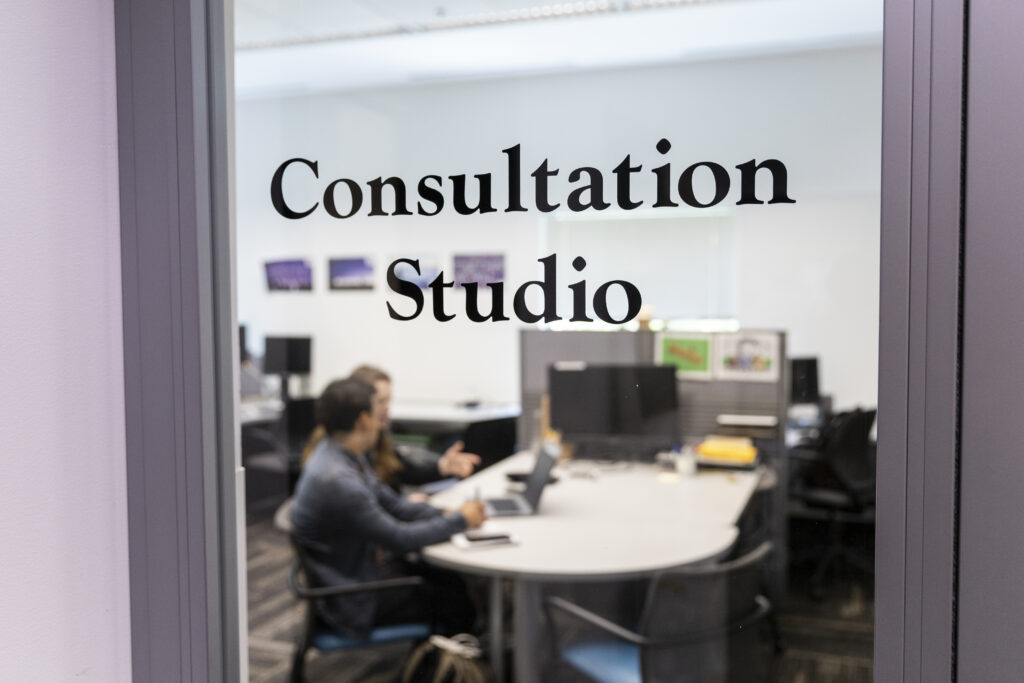
The Consultation Studio at the Research Commons provides dedicated space for in-person consultations on graduate student programs, including the Graduate Funding Information Service, as well as citation management, and digital projects.

The Research Commons has a variety of study, collaboration and presentation spaces with a range of tools and resources including large monitors, projectors, mobile whiteboards, and more. In addition to reservable spaces, there is open seating and space for individual or group study.
Study spaces can be reserved for a maximum of 3 hours per day and up to 2 weeks in advance. See Study Space Reservation Policy. Reservations are available for:

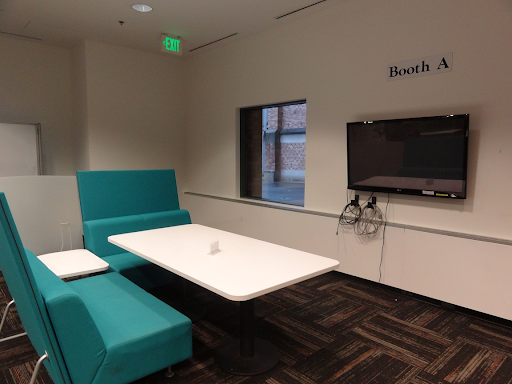
Five different spaces (Booths A-F) great for small meetings, study groups and/or office hours, capacity and equipment (screens, PCs, whiteboards) vary between booths.

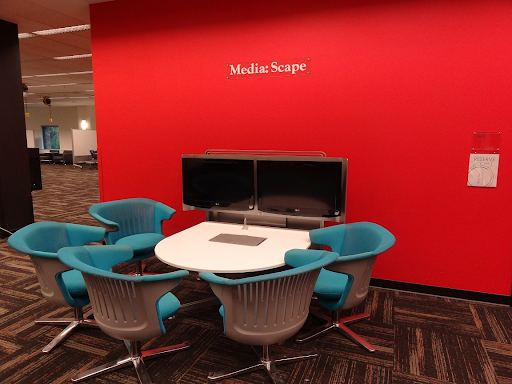
Ideal for small group consultations, workshops, and/or office hours. Includes Green Alcove, Red Alcove, and MediaScape.

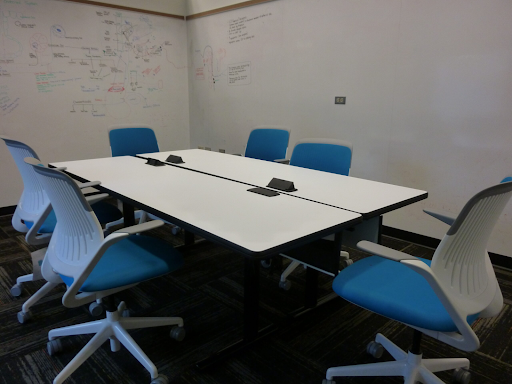
Partially or fully enclosed rooms, each with varying capacity from 6-18 depending on the rooms: Green C, Green D, Red A, Red C.

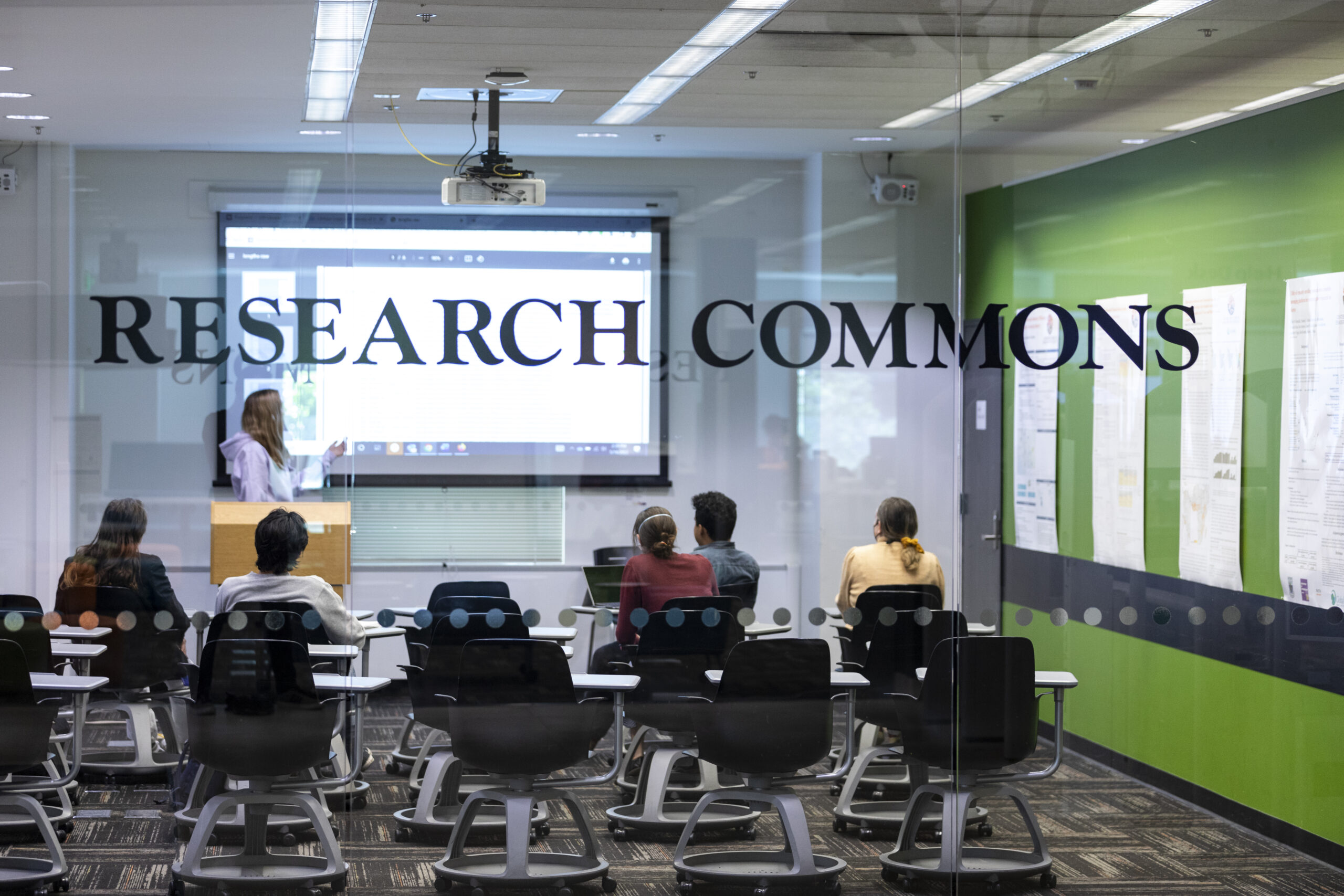
Ideal for research-related events and presentations. Privacy is limited with the glass wall and open entry; noise from activity in surrounding areas can spill over into the space. Seats 25.
Are you a grad student who wants to perfect your presentation skills for a general audience? Submit a proposal to give a 5-min. low stakes and fun lightning talk about your…
updated 1/2025 In honor of Martin Luther King Jr. day, UW Libraries encourages you to explore resources within our collections and across campus that reflect Dr. King’s work and collective efforts to combat racism, inequality, and injustice in our community and beyond. MLK visit to Seattle – Seattle Labor History Project At the invitation of his friend, Reverend Samuel B McKinney, Dr. Martin Luther King Jr. came to Seattle in November 1961. The visit proved to be much more controversial…
Happy New Year, Huskies! This month, take advantage of important new resources, and join us in person for …
Over 1 Million Files Preserved UW Libraries preservation repository, created in 2016, has just crossed the 100 TB mark, which represents the digital preservation of over one million files! Behind the numbers, however; this milestone reflects the prioritization and dedication to preserving UW Libraries materials for generations to come, including books, photographs, newspapers, government papers, audio recordings, films, and videos and more. What is a preservation repository? The preservation repository is the storage infrastructure in which digital content is preserved. …
>
Get help from librarians by email, phone, 24/7 chat, or make an appointment with a subject expert
Entrance:
Main floor entry has door paddles. Internal elevators to additional floors of the library.
Odegaard is accessible from Red Square, but the best alternate route is through the Central Parking Garage. Enter the garage via the pedestrian pathways from 15th Ave or Grant Lane, and then take the elevator to Kane Hall up from the garage. Signs in the garage indicate the exit to Kane Hall (via the elevator).*
Accessible Bathroom:
Accessible bathroom on 1st floor.
Barriers:
Study rooms on 2nd and 3rd floors have door knobs. Study rooms on first floor have lever handles.
Assistive Technology:
Available on Student Computers (require UW NetID) and Guest Research Workstations. KIC Scanner with height adjustable table. One adjustable height table for UWNetID computer. Wheelchair charging station.
*Elevator from Central Parking Garage to Odegaard is temporarily out of order.
Open today: 12pm-12am
Odegaard Undergraduate Library is a lively and dynamic learning environment that serves as the center for undergraduate instruction, learning and technology.
*A current, valid Husky Card is required for entry to Odegaard Library.
All UW community members with a valid Husky Card can access Odegaard Undergraduate Library spaces.
Cascadia Community College students, staff, and faculty are welcome in the building by presenting a current Cascadia Card as campus partners of UW Bothell.
UW Alumni with current UWAA memberships are welcome in the building by presenting their UWAA membership card along with a photo ID and active UW libraries account. If you do not have a card that can unlock the doors and you are unable to enter the building, please call 206-543-2990.
If you have UW-related business in Odegaard Undergraduate Library but are not a UW community member, please email [email protected] to discuss our exception policy.
Make appointments for writing and research help.
Learn about available learning technologies and tech help in Odegaard.
Reserve a media lab with recording and editing audio equipment.
Find assigned textbooks and other course materials for check out.
Check out chargers, adapters and more at the Information Desk.
Reserve a multipurpose event space for UW meetings, workshops, and receptions.

Nonfiction books to develop skills for college and beyond.
Popular fiction and topical nonfiction books.
Travel guides and language learning materials.
Tabletop, board, and roleplaying games.
Recommended resources for English Language Program students and teachers.
Graphic novels, comics and manga.
UW community recommended books about equity, diversity and inclusion.
Policies and processes for requesting a tabling, pop-up, or donation drive event at Odegaard Library.
Policies and processes related to exhibits in Odegaard Library, including photos and descriptions of exhibit spaces.
Bulletin board, flyer posting, and digital signage policies for Odegaard Library.
Policies related to photography in the UW Libraries.
Get help from librarians by email, phone, 24/7 chat, or make an appointment with a subject expert
Entrance:
Accessible entry to Padelford C-Wing near corner of E Stevens Way NE and Pend Oreille Road NE. Elevator available inside to the 3rd floor library entrance.
Accessible Bathroom:
Accessible bathroom located on the first floor of Padelford (not within the library).
Barriers:
To enter the second floor of the library via elevator, you must go through an emergency exit door. Ask staff at the library first floor desk to open the door for you, or contact library staff in advance at [email protected] or call 206-543-7296. Some shelving and the print station area have narrow entries. Staff at desk are available to assist in retrieving books or helping in other ways.
Assistive Technology:
Available on Student Computers (require UW NetID). KIC Scanner with height adjustable table. Multiple adjustable height table for UWNetID computer.
Closed
The Mathematics Research Library provides research help and access to materials in Applied Mathematics, Mathematics, and Statistics.
The MMSH meets at a group work area on the 2nd floor of the Mathematics Research Library.
Computers, scanners, and a printer are available at the Math Research Library.
The Mathematics Research Library has a small games and puzzles collection for use within the Library. Check by the New Books shelf across from the front desk!
Galton Board/Quincunx now available – ask for it at the front desk.
Get help from librarians by email, phone, 24/7 chat, or make an appointment with a subject expert
Closed
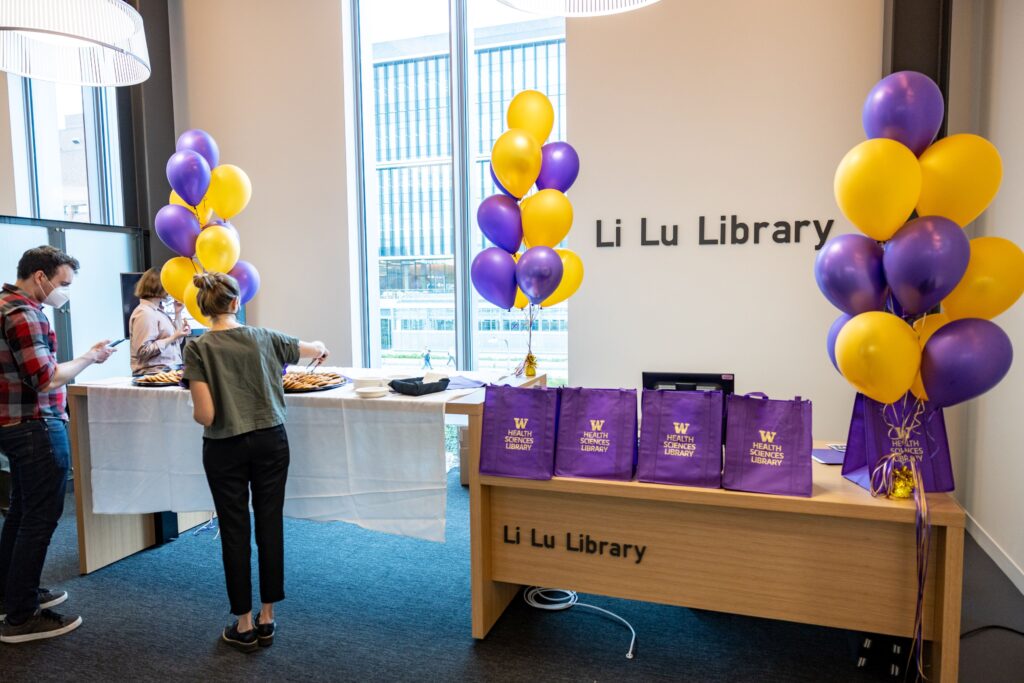
The Li Lu Library is an extension of the HSL which facilitates research and learning support at the local, regional, and national levels through its work with organizations. The Li Lu Library prioritizes innovative study spaces over physical materials, facilitating the type of interactive study opportunities that students need in today’s academic setting.
The Li Lu Library is an open concept space, flooded with natural light from the floor-to-ceiling windows with six zoned areas including group and quiet study areas, digital video and presentation technology, and a staffed service desk.
Visit the Li Lu Library website.