Welcome, Huskies! Whether it’s your first or final year at UW, the Libraries will be an important part of your UW experience. This month is all about Dawg Daze! From library tours to karaoke, board games and prizes, the Libraries Dawg Daze are packed with fun and informative events for all interests. Don’t forget to bookmark our updated Student Guide and sign-up now for our annual Constitution Reading in early October. And remember…the UW Libraries are here for you, Huskies!
News and Stories
Welcome Message From Dean Simon Neame: Read Dean Neame’s message to all students, faculty, staff and the community for the 2024/2025 academic year. Read the message.
Showcasing BIPOC Student Research: Learn about theResearch Communication and Equity Fellowship showcase at the UW Libraries’ Research Commons celebrating the academic and creative work of Black, Indigenous, and People of Color (BIPOC) graduate students.See their work.
Readers Wanted – Annual Constitutional Reading October 9! UW Libraries annual Constitution Read Aloud event encourages students, faculty, staff and community members to join us in reading the full text of the Constitution, along with our special guest speakers! A great activity for your class, office or community service group to participate in – all ages welcome. Sign-up to read and learn more.
Community /Events /Exhibits
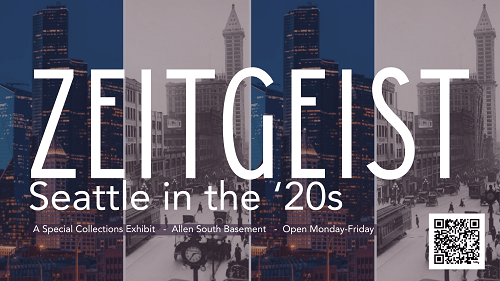
New exhibit: Zeitgeist: Seattle in the ‘20s –UW Libraries Special Collections will be exploring the zeitgeist of Seattle in the ’20s–100 years ago and today! Join us in exploring popular culture and current events of Seattle in the 1920s and 2020s!
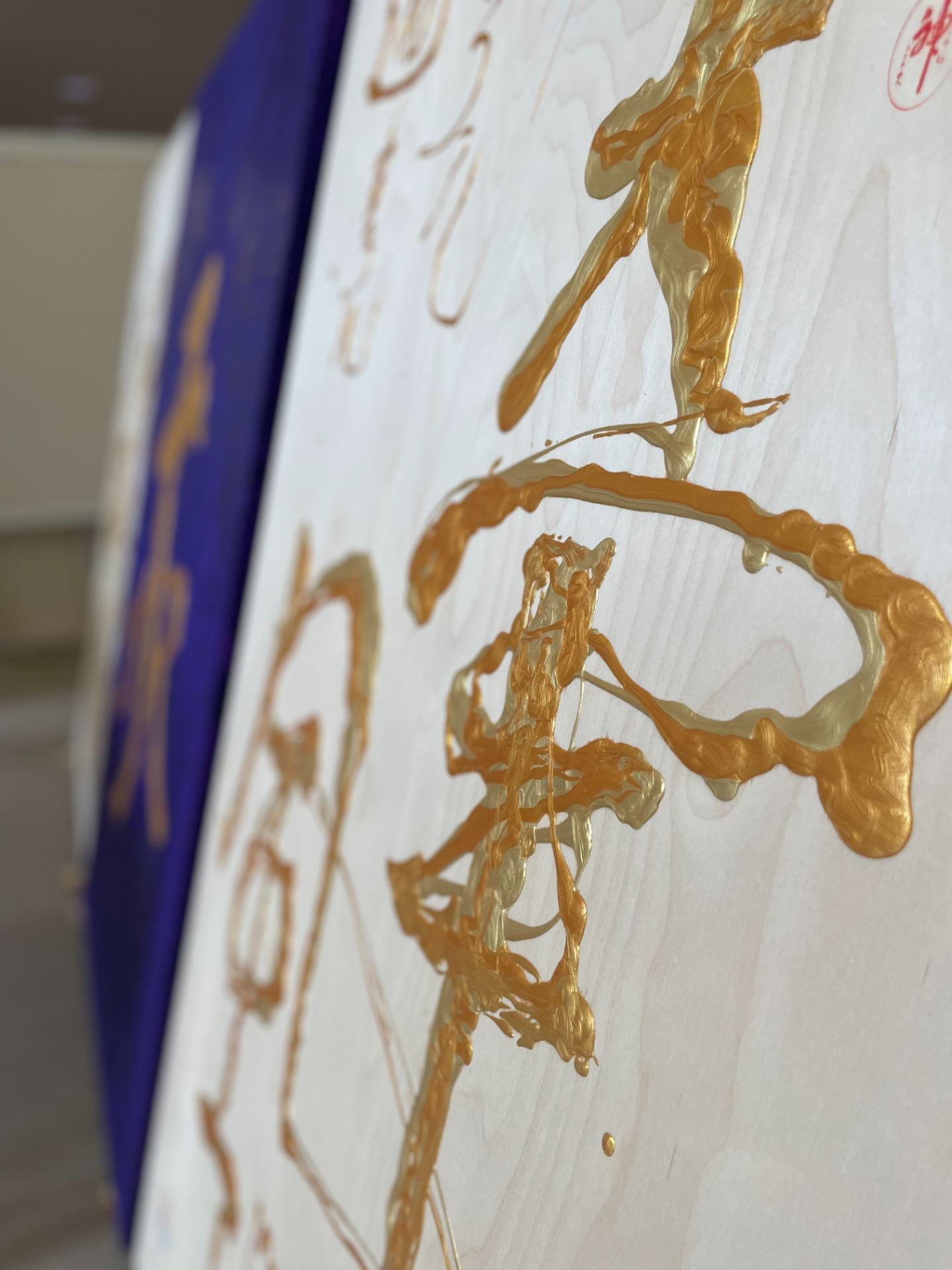
“Strolling Gold” 3D Calligraphy Exhibit + Event-See and appreciate the wonderful art of “Strolling Gold” calligraphy, first created by Layman, a Chinese immigrant, poet laureate, translator, inventor, entrepreneur, and calligrapher.
The Language of Flowers Exhibit:Enjoy the changing seasons with Special Collections through our annual lobby exhibit, “The Language of Flowers”. Each quarter will feature new material related to our botanical collections, local plants, and more!
Dawg Daze Events
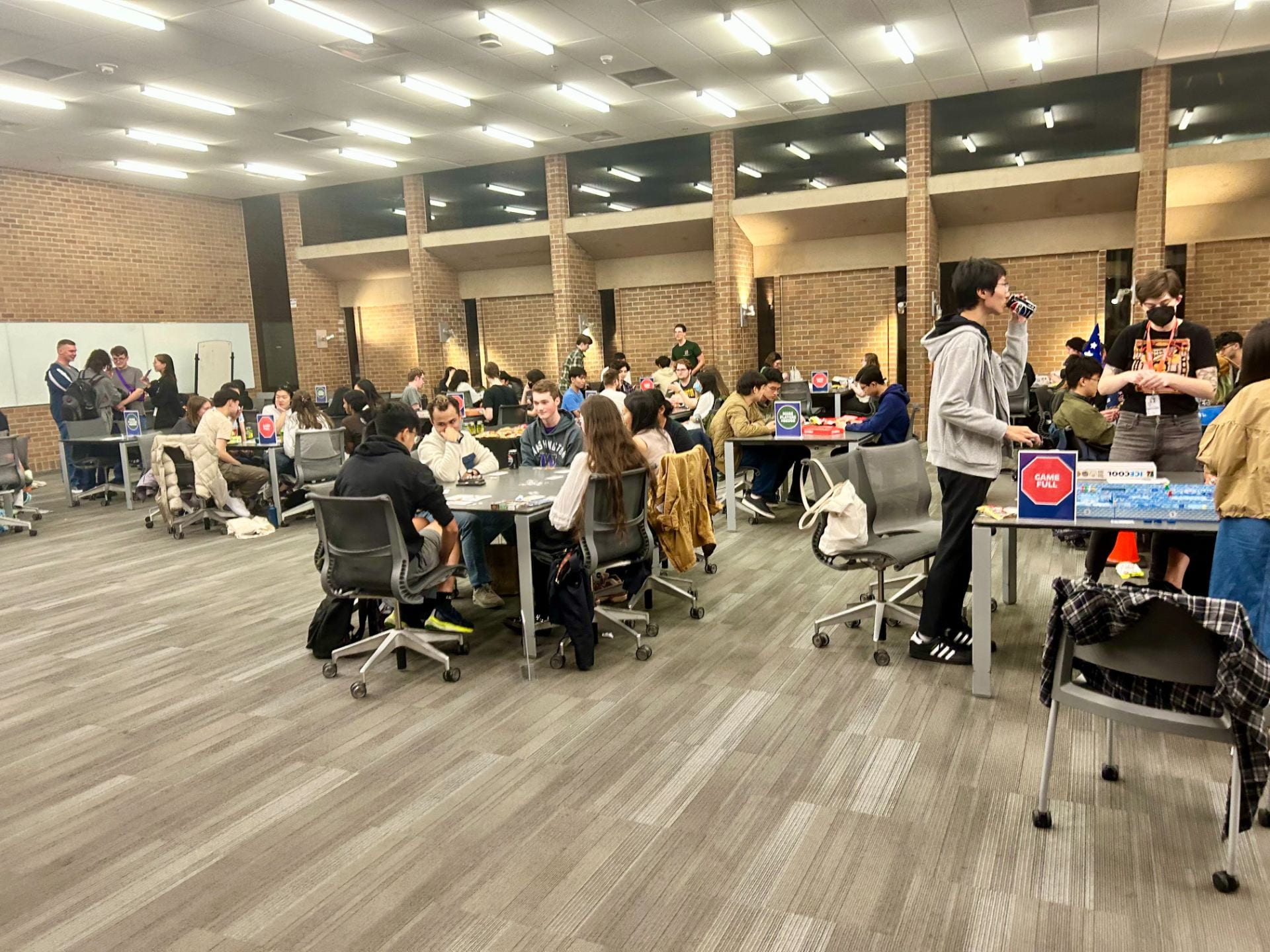
UW Libraries staff have been working hard to create an amazing line-up of fun and informative events to introduce you to the Libraries, meet other students and have fun!LEARN MORE!
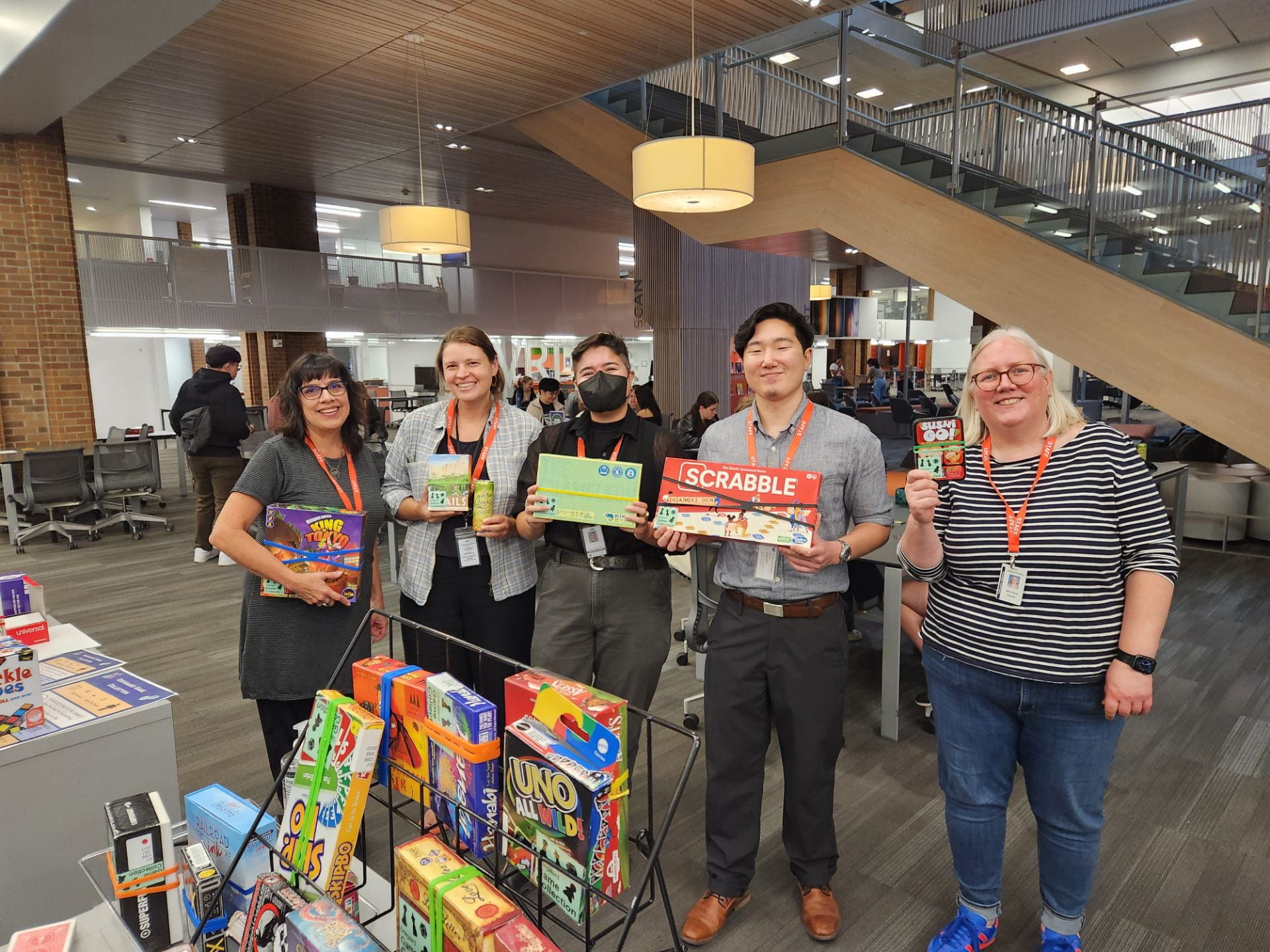
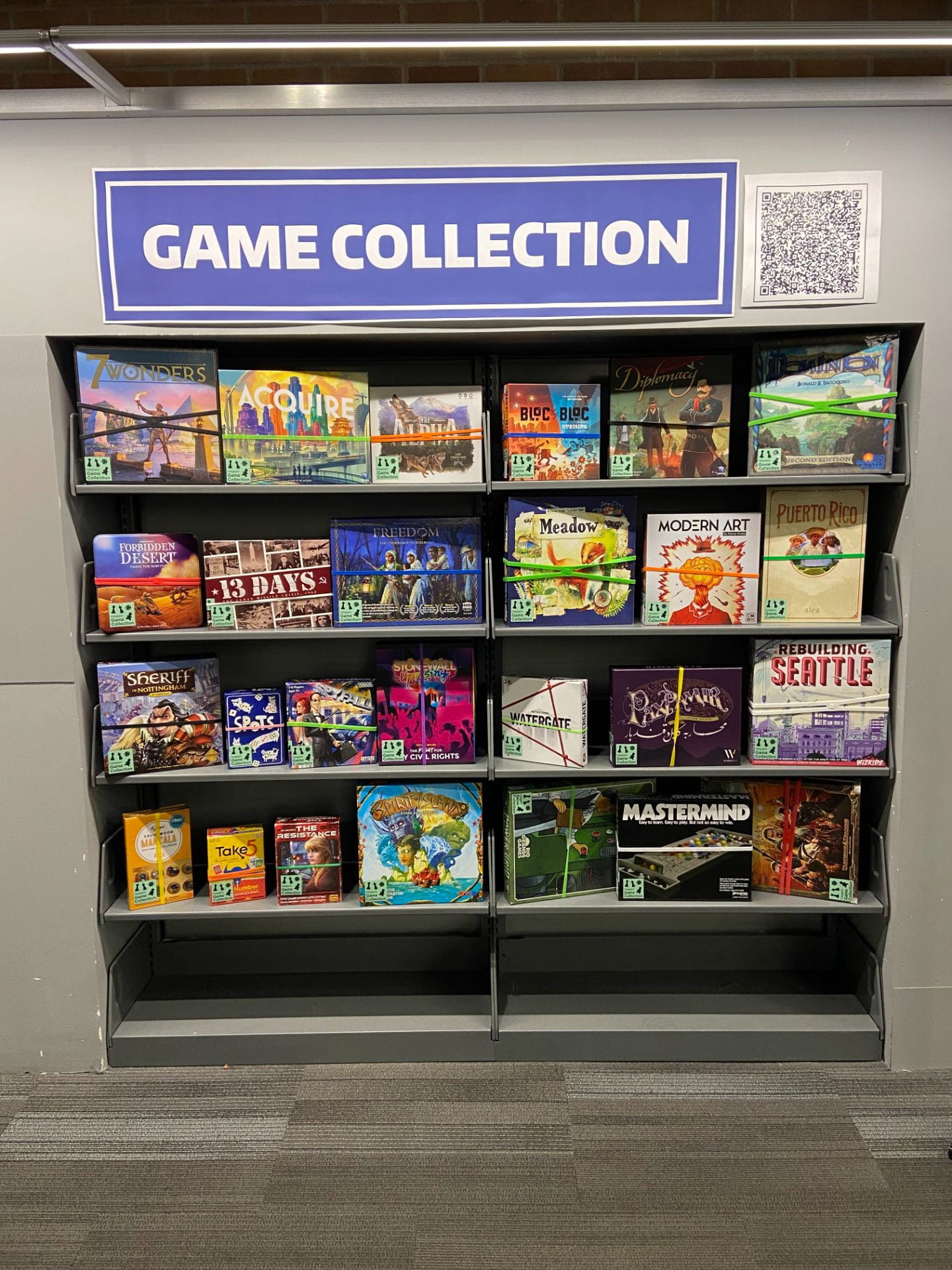
Tabletop Game Night at Odegaard Library- 9/20
Arts Libraries Welcome Table -9/24/, 9/25/ and 9/26
Learn about the Health Sciences Library and Meet Dubs- 9/23
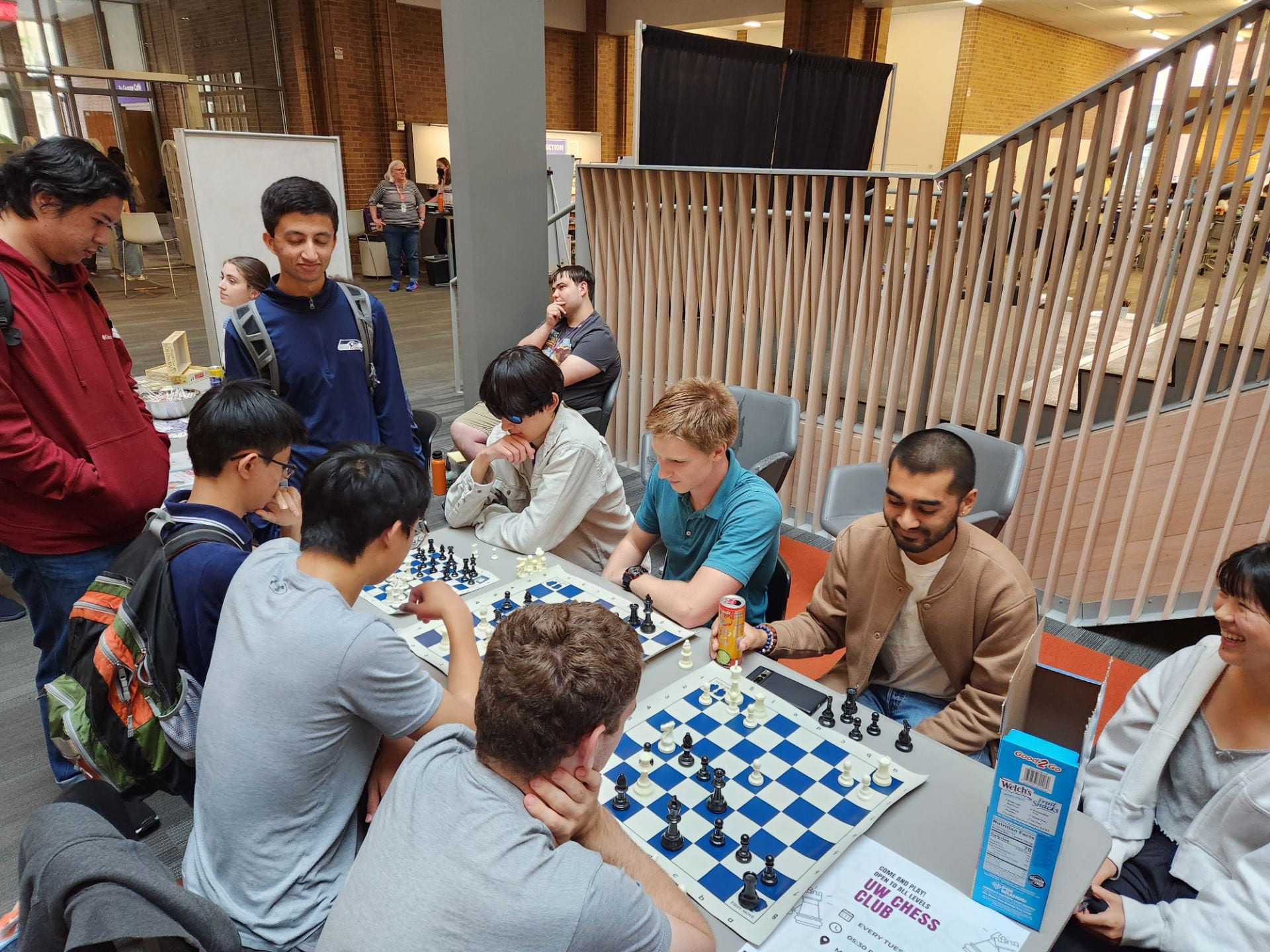
Mathematics Research Library Games Day- 9/24
UW Libraries Silent Reading Party-September 9/25
Zeitgeist: Seattle in the ’20s Exhibit Opening Reception- 9/ 25
Make Your Own Floral Bookmark! – 9/26
Distinctive Collections 101, 9/2
Looking Ahead
Workshops at the Open Scholarship Commons are back! Upcoming events include Finding Datasets, Introduction to Data Visualization, Accessible Data Visualization, and ATLAS.ti Training.
UW Libraries in the Classroom: Co-Creatingand Publishing Books in Class: Explore three unique online books created and published by students this year! Covering diverse topics including architecture theory, the history of UW sports and Filipino/a/x heritage, these online collaborations are made possible with UW Libraries resources and instruction. Read the story.
Reflections on UW Libraries Global Engagement: Insights from the Libraries’ first year of Global Engagement programming that brought international scholars together with UW and local communities to explore a wide variety of topics related to international events, geo-political trends and research on those themes. Read the story.
To get this news delivered straight to your inbox, sign-up for blog alerts at the top of this page!
###
Stories
Showcasing BIPOC Graduate Student Work
August 29, 2024
The Research Communication and Equity Fellowship showcase at the UW Libraries’ Research Commons celebrates the academic and creative work of Black, Indigenous, and People of Color (BIPOC) graduate students.
The display at the Research Commons featuring the students’ research artifacts.
The UW Libraries Research Commons is a space for interdisciplinary, innovative and collaborative student work. In its second year, the Research Communication and Equity Fellowshipseeks to create a more equitable research environment by dedicating public space to highlight the research of BIPOC graduate students. The fellowship emphasizes graduate students engaged in interdisciplinary work, open access projects and digital scholarship methodologies. Each Fellow creates a physical artifact that visually communicates their research which can take many forms– posters, artwork, visualizations, etc., and those artifacts are displayed in the Research Commons.
“We’re excited to be able to celebrate the work of BIPOC graduate students at the UW and are grateful for their energy and time in contributing to research for the public good,” says Negeen Aghassibake, program co-lead and UW Libraries Data Visualization Librarian.
Fellows come from across the UW Seattle campus representing a wide range of studies. The five fellowships awarded in 2024 include students from Public Health, Information Science, Education, Environmental Affairs and Gender, Women & Sexuality Studies.
2024 Student Fellow Perspectives
An image from Marielle’s virtual booklet that popularizes and visualizes her research on the grassroots activism of mothers of drug war victims in the Philippines. Learn more about Marielle’s work
Marielle Marcaida, a PhD candidate in Feminist Studies:
“When I received news that I got accepted to the library fellowship, I was so happy that I would be able to continue working on my booklet, further refining and expanding it with the help of our amazing librarians, namely Negeen, Madeline, and Cass. To see what once was a final requirement in a course two years ago turn into a library artifact displayed in the Allen Library has been fulfilling; to share the story of the mothers on another platform and with more people has been even more heartening!
I started working on my artifact as a final course requirement last Autumn 2022 in my Abolition Geographies class under Megan Ybarra where I first learned and read about abolitionist scholarship. In that class, I attempted to translate my past and ongoing research into something that is more digestible and visual, and also to decenter the Western scholarship on abolitionism with experiences from the Global South by narrating the story of the Ronda ng Kababaihan (Patrol of Women) mothers’ grassroots initiative under the Philippine drug war.”
Farrah Hasan, a Master’s student in the School of Marine and Environmental Affairs:
Farrah’s poster, “Salt Country, Water Scarcity,” is based on her Master’s thesis, “Resilient Destination Cities: Migrant Resettlement in Mongla, Bangladesh.” Learn more about Farrah’s research.
“My research centers migrant experiences in the port city of Mongla, Bangladesh. There are so many themes that came out during analysis of my interviews, but a particularly resonating issue was water scarcity. An important finding was that even though water was a dominating response to the question, “What are you struggling from?” However, it was labor availability that dominated responses to the question “What interventions could improve your quality of life?” It was evident that though water was a livability challenge in the city, migrants were not as open advocating for reform. To amplify their underlying concerns, I decided that water would have to be the center of my artifact.
It was an honor to be amongst such interesting research and seeing what other students produced…I would definitely encourage continuing this format, as I enjoyed working on this autonomously and having you as a support system along the way.”
Learn more about all the 2024 Fellows and their work:
Angela Chen, School of Public Health, Department of Health Systems and Population Health, PhD in Health Services
Farrah Hasan, School of Marine and Environmental Affairs, Master’s program
Marielle Marcaida, Department of Gender, Women & Sexuality Studies, PhD in Feminist Studies
Chenae White, School of Education, PhD in Special Education
The application date for 2024/2025 Research Communication and Equity Fellowship fellowship are TBD. Follow us on social media and sign-up for Libraries’ monthly updates for the latest news.
###
Stories
August News
August 8, 2024
While fall quarter may seem far away, it will be here before you know it! Enjoy these final days of summer while also taking advantage of the great summer events this month for both faculty and students, including the popular Graduate Student Research Institute, and the UW Libraries Most Wanted, covering the UW community’s most requested research topics. We’re also very excited to announce our partnership with the Big Ten Academic Alliance! Keep reading to learn more about all of this month’s news and events, including the fantastic new exhibit in Allen Library, on display only until August 16th! Happy Summer, Huskies!
As the University’s inaugural year of Big Ten affiliation kicks off, you’ll be hearing a lot more about all of the ways this new partnership will positively impact our UW community, including partnership with the Big Ten Academic Alliance.
“For over 65 years, the Big Ten Academic Alliance has led in academic collaboration, creating opportunities and driving innovation across its member universities.”
For the Libraries, this new partnership will be transformative for member institutions, including the creation of the Big Collection, a multi-faceted, multi-year effort to unite the collections of member institutions that, once completed, would represent the third largest library collection in the world! There is so much to celebrate and learn from all of the different ways this alliance will benefit our community – on and off the field.
Book covers from student class publications (LEFT TO RIGHT): Knowledge Kapamilya 2024; 2024 Innovation in the Construction Industry: Case studies by students in CM515: Virtual Construction Management, Spring 2024; Stories From The Place of Sports in The University, 3rd Edition.
UW Libraries in the Classroom: Co-Creating and Publishing Books in Class
Explore three unique new online books created and published by students! Covering diverse topics including architecture theory, the history of UW sports and Filipino/a/x heritage, these online collaborations are made possible with UW Libraries resources and instruction. Read the story.
Reflections on UW Libraries Global Engagement
Insights from the Libraries’ first year of Global Engagement programming that brought international scholars together with UW and local communities to explore a wide variety of topics related to international events, geo-political trends and research on those themes. Read the story.
Community /Events /Exhibits
Celebrating the Jeju Haenyeo: A deep dive into the unique cultural heritage of a remote Korean island
A new exhibit in Allen Library lobby explores this amazing community of women free divers from Jeju Island, Korea. The display offers a captivating glimpse into their lives through photographs and objects, showcasing their bravery a, resilience and remarkable skills that represent a profound cultural heritage at risk. Learn more.
Wednesday, Aug 14, 2024
5–6 p.m. / Special Collections Classroom
Special Collections is hosting a series of book club meetings to discuss primary texts from The Medium is The Message, an exhibit exploring the graphic novel and the potency with which they tell stories of identity, memory, and culture. Join us in the Special Collections Classroom for refreshments and conversation about Incognegro by Mat Johnson.
Through September 2
Step into the world of gods, goddesses, and epic heroes through an assortment of texts, including rare books, illustrated children’s narratives, and unique book arts held in the UW Special Collections. Each piece offers a glimpse into the evolution of these myths, revealing how they have been retold across different periods.
August 19–23 / September 9–13
Online
The GSRI is a free workshop series exploring tools and strategies to help graduate students research smarter, not harder. Students receive five days of online guidance and support from a team of Libraries volunteers as they work through key content and activities from the openly available Graduate Student Research Institute site. There are no required meeting times and learning can take place anytime within the span of the workshop session. Sign up/Learn more
UW Libraries Most Wanted
Don’t miss this online summer workshop series focusing on the tools and topics UW researchers are asking about. We welcome all members of the research community, including graduate students, postdocs, research staff, clinicians, and faculty members. Explore this week of exciting events below.
Monday, Aug 19, 2024
11 a.m.–12 p.m. / Online
Whether you’re a beginner or have some experience, this session is designed to equip you with the skills needed to gather valuable data from the web. Learn essential techniques for scraping web content effectively. We’ll cover the basics, including best practices and common pitfalls to avoid.
Tuesday, Aug 20, 2024
11:30 a.m.–12:30 p.m. / Online
This online workshop will provide a basic introduction to data visualization, including a high level overview of tools available at the UW, as well as where to find support when creating visualizations.
Wednesday, Aug 21, 2024 12–1 p.m. / Online
We’ll share 10 suggestions for expanding the visibility of your work, tracking the information that’s important to you, and describing the impact of your research when applying for funding, jobs, or promotions. Join us to learn about research impact frameworks, tools for gathering evidence of how your work is being used, and recommended practices for keeping your scholarly profiles up-to-date.
Monday, Aug 19, 2024 1:30–2:30 p.m. / Online
In this workshop, we’ll learn about the roles of publishers, the inner workings of peer review, and the mechanisms for financing scholarly communication. Discover how you can make your research available openly without breaking the bank, and ensure your work reaches its widest audience possible in this online workshop.
Friday, Aug 23, 2024 10:30 a.m.–12 p.m. / Online
In this online workshop, you will produce an introduction for a podcast, listen to the introductions of others, learn some level-up tricks for getting good voice/sound recordings, practice using the sound-editing software Audacity, and learn about the importance of accessibility, preservation, open access, and digital safety.
UW Libraries in the Classroom: Co-Creating and Publishing Books in Class
August 8, 2024
What is a knowledge family? How could architects redefine the #Hatch-Mark? What is the place of sports at a university? These questions reflect some of the insights revealed in three new online books created by students, in partnership with UW Libraries, utilizing Pressbooks. In Spring 2024, Open Education Librarian, Lauren Ray, worked with faculty and instructors to introduce students to the Pressbooks platform, and worked with their classes to co-create and publish these unique Pressbooks:
Knowledge Kapamilya 2024 – by Gabbie Mangaser; Madison Calma; Charisse Vales; Delano Cordova; Sierra Paine; and Jay Lundgren. This book was created as a final project for the 2024 cohort of Knowledge Kapamilya, a knowledge family for Filipino/a/x American students at UW. The cohort met on Coast Salish lands at the Burke Museum of Natural History and Culture, using cultural collections from the Philippines to make connections to their personal heritage.
2024 Innovation in the Construction Industry: Case studies by students in CM515: Virtual Construction Management, Spring 2024 – by Prof. Carrie Sturts Dossick’s CM515 Spring 2024 Class. This book provides a collection of case studies about how people adopt new technologies and change practices in design, construction, and operations of the built environment. This is the first open pedagogy project we (UW Libraries) have worked on with the College of Built Environments, as well as the first Pressbooks projects by graduate students in Construction Management.
Stories From The Place of Sports in The University, 3rd Edition – by Students in Professor Jennifer Hoffman’s UW EDUC 200 course. In the 3rd edition, continues examining what is the place of sports at a university? The context is set within the excitement of an incredible sports year on college campuses–from the 2024 media frenzy over women’s college basketball to our own University of Washington football program playing in a National Championship, student contributors examined the impact of these highly visible sports on a campus.
In this blog post we talk more with Lauren Ray and Gabbie Mangaser about these projects, the student experience and how others at UW can work with the Libraries to utilize Pressbooks in their courses.
What is Pressbooks?
Pressbooks is a publishing platform used to create open textbooks or other openly licensed online course materials. This is available for all current UW students, faculty and staff interested in publishing Open Educational Resources through the UW Libraries. The UW Libraries offers personal consultations and Pressbooks offers monthly training webinars.
Origin stories: Tell us more about the history of these books and how they came about?
UW Libraries Open Education Librarian, Lauren Ray: What is particularly special about Knowledge Kapamilya 2024 is that the facilitator of the project, Gabbie Mangaser, Collections Assistant for Oceanic and Asian Arts and Cultures at the Burke Museum, was an undergraduate student in Rick Bonus’s UW AAS360 course in 2019, when we created theUW student-authored Pressbook, Critical Filipinx American Histories and their Artifacts! She was inspired by her work in Prof Bonus’s class and wanted to bring open publishing to this important student-led learning community. I worked with our Copyright Librarian, Maryam Fakouri, who provided guidance for the students on cultural heritage, copyright and intellectual property, while I provided help with Pressbooks and the context of their book as an OER. The students created the cover artwork and collaboratively decided on how they wanted the book to be structured, formatted and licensed.
With 2024 Innovation in the Construction Industry,Professor Dossick learned about Pressbooks through an Open Pedagogy workshop I led last year through the Center for Teaching and Learning. She decided to revamp the class syllabus, having students research an innovation in the construction industry and develop case studies that can be built on in future quarters. The book includes 18 chapters dealing with Innovation, BIM (Building Information Modeling), Robotics, AR/VR/MR, Project Management and Sustainability with additional chapters to be added this summer. Students created the cover artwork, learned about image licensing and IP, and created a contributors section with biographical information.
“I really enjoyed working with these students, who were very motivated to see their hard work made public in this collaborative open publication.”
Stories From The Place of Sports in The University is the third in a series of student-authored books in Prof. Hoffman’s course, The Place of Sports In the University. It’s been incredibly rewarding for me to work so closely with Prof. Hoffman and her students over the years, and to continually improve how we scaffold in lessons on Creative Commons, open publishing and digital scholarship tools (not an easy feat in a class of 60 undergraduate students)! We (along with doctoral student Regena Pauketat) wrote about this work and the course in an article, published in Sports Innovation Journal last year.
“It has been incredibly rewarding for me to work so closely with Prof. Hoffman and her students over the years, and to continually improve how we integrate lessons on Creative Commons, open publishing and digital scholarship tools.”
This year, we took a somewhat different approach, collaborating with UW Libraries Archivist John Bolcer, and Librarians Theresa Mudrock and Anne Davis, to incorporate materials from our digital collection that cover the history of students and sport at UW. During the in-class workshop, students were able to research historical photos from our digital collections, utilizing a class guide that included links to primary source material for the student chapters. I look forward to continuing to work with this class and expanding its connection to UW Libraries Special Collections.
How did the Libraries support your class? What do you think students learned from the experience?
Gabbie Mangaser: The Library team helped us to think about all things to consider when publishing something publicly, and it was a great learning experience regarding copyright. I think it also helped them become more engaged in the course material and topics, since not only are they working toward a final product, but it is accessible globally—their peers, friends, family, future employers even, can view and refer to this project.
Would you recommend a UW Libraries/Pressbooks collab to others?
Gabbie Mangaser: I’ve recommended Pressbooks and working with UW Libraries to so many people since we began working on it. Pressbooks is a great and easy tool to provide accessible content and it’s a wonderful opportunity for students to learn about what goes into publishing.
“I will continue recommending it to folks that are looking for alternative platforms to get their work, their research, and their projects published. It’s such a unique way to disseminate information, which I think a lot of different fields are aiming for. It is easy to use, and working with Libraries is always great!”
Community Response
Gabbie Mangaser: The feedback on the book has been incredible (and it helps that we have such creative and engaged students!). For kapamilya, this is the first year we’ve been able to host a group for Filipino/a/x students focused on Philippine-American history at the Burke. My hope is that kapamilya can continue for years to come, and it certainly helps that now, anyone can look up “Knowledge Kapamilya” and the first search result they see is the ebook!
The Libraries plays a critical role within the university, connecting and converging all disciplines while also serving as a community hub and a cultural bridge by providing outstanding collections, services and programs that foster an inclusive environment for learning and research. Through this work, the Libraries builds collaborative networks within our UW community and beyond.
UW Libraries’ Global Engagement initiative, brings international scholars together with UW and local international communities to explore a wide variety of topics related to global events, geo-political trends and research on those themes. During its inaugural year, Global Engagement, led by Dr. Zhijia Shen, convened multiple speaker series, attracting diverse audiences and creating opportunities to learn, share ideas and build connections.
“It is exciting and satisfying to facilitate such thought-provoking dialogues,” says Dr. Shen. “Seeing a diverse audience enthusiastically participate in the discussions, hearing students talk about how an event has inspired a research topic, contributed to their dissertation, or helped make a personal connection with a scholar – these connections are truly inspiring and fulfilling to be a part of.”
In this post, we’ll share insights from the past year, and provide a look ahead into plans for the 2024/2025 academic year.
Speaker Series: Contemporary China, Russia, Sino-Russo Relations and the Chinese Cultural Revolution*
This series was funded in part through generous support from Professor Hon-Ching Lee and Mrs. Lee, long-time donors and friends of the Libraries, and hosted in partnership with the Jackson School of International Studies, the law school, and additional partners on and off campus. The series featured four eminent international scholars who brought their expertise to the forefront of China and Russia studies through two lectures, a panel session and open discussions.
On the ‘Low Human Rights Advantage’: China, Globalization, and the ‘New Cold War’ by Professor QIN Hui. This session explored the unforeseen consequences of modern economic globalization based on the “low human rights advantage”, a concept introduced by Professor Qin in 2005, sparking significant debate among Chinese intellectuals and the public. His lecture examined the role of this advantage in China’s rise, its implications for globalization, and its impact on U.S.-China relations.
“Russia’s Foreign Wars and Constitutional Developments, and Sino-Russian Relations in Russian History with Professor JIN Yan, explored how Russia’s external expansion and internal authoritarianism have historically linked constitutional reforms to military defeats, while victories reinforced authoritarianism.
The panel discussion, led by Professors QIN Hui, SONG Yongyi, and Dr. ZHOU Yuan focused on the Chinese Cultural Revolution (1966-1976) and its impact on the understanding of contemporary China, encouraging young scholars to continue their research. They also shared first-hand perspectives in developing the Databases of Contemporary Chinese Political Movements, including the Cultural Revolution, and many e-resources available for scholars outside China.
*The above summaries are a highly condensed overview of very complex, nuanced conversations and discourse.
All sessions were very well attended, attracting audiences from across UW campuses and beyond. Some faculty members brought their entire classes to the lectures. The events drew not only China Studies students and faculty but also many STEM students and faculty, as well as young engineers from local high-tech companies. Some attendees traveled from as far as Vancouver, B.C., and Portland, Oregon.
The open discussions provided opportunities for students and community attendees to engage in open dialogues with faculty, creating a highly interactive event. Speakers addressed their inquiries and delved into topics of contemporary China and Russian history. Many stayed on after the one-hour discussions to continue asking questions. Some brought books to be autographed by the authors.
Learn more
Many UW faculty members conduct research and publish about contemporary China and the Libraries’ resources on these subjects is immense. Here are just a few well-utilized references from the collection:
Reflections: International Perspectives in a “Post-Covid” World
Considering the deep impact of the pandemic on our lives, both physically and mentally, acknowledging persistent challenges and what we can learn or gain from this reflection proved to be an insightful theme for the second set of Global Engagement speaker series. In early summer, UW Libraries Global Engagement, together with UW Libraries colleagues, organized two different events to explore this topic from various perspectives. Attendees expressed their gratitude to UW Libraries for providing this opportunity, especially during a time when anxieties from COVID-19 remain prevalent for many.
Buddhist Culture and Philosophy and Healing from Covid-19 with His Eminence Tulku Yeshi Rinpoche. Collaborating with South Asian Studies, Global Engagement hosted a lecture by Tulku Yeshi Rinpoche, a renowned Tibetan Buddhist master, author of 20 books, Chöd master, Dzogchen Master, poet, healer, artist and astrologer. Yeshi presented a unique perspective on healing through the lens of Buddhist culture and traditions, offering hope and guidance.
Roundtable Presentation: Creating a Haven for Our Hearts – Chinese American Authors Reflect on Their Covid-19 Journey In collaboration with the Northwest Chinese Writers Association, Libraries Global Engagement organized a discussion focusing on the experiences of Chinese American writers during Covid-19 featuring an amazing line-up of renowned authors with incredible and inspiring life stories including Ms. Jian Golder, Ms. LIU Fei, Ms. Alice Flores, and Ms. ZHU Chen. The four distinguished authors contributed to two books, Witnessing the Pandemic: Unforgettable Stories of 2020-2021 and Hidden Trauma, published in 2022 and 2023. They talked openly with students, faculty and community attendees about the profound impact of their writings on healing.
A flyer for the next event: Poetry Is a Soulful Gaze: Layman’s “Walking Gold” 3D Calligraphy
Looking Ahead
According to Dr. Shen, the hope is that Global Engagement events like these will continue to enrich the experience of the UW community, strengthen the ties between UW Libraries and the local community, and inspire future collaborative relationships.
The first event in the new academic year will be an exhibition by a local Chinese immigrant artist, entitled: Poetry Is a Soulful Gaze: Layman’s “Walking Gold” 3D Calligraphy, together with a lecture and tour of the exhibition by the artist. A lecture focusing on South Asian culture is being planned for the winter quarter. To learn about these events, sign up for our blog, check the calendar, and follow UW Libraries on social media. We look forward to seeing you!
A Message of Thanks
From Zhijia Shen, Director of Global Engagement
Organizing and publicizing these impactful events would not have been possible without the unwavering support and assistance from within and beyond UW Libraries. I am deeply grateful to our dedicated student volunteers, Juan Luo and Ray Shi, Libraries Administration Team, and all our colleagues, partners and students whose generous contributions and hard work enabled the great successes of all these events. On behalf of our audience and speakers, thank you all.
###
Stories
Celebrating the Jeju Haenyeo: A deep dive into the unique cultural heritage of a remote Korean island
July 19, 2024
Recognized in several of UNESCO’s Cultural Heritage Lists, the Jeju Haenyeo are an extraordinary group of women free divers from Jeju Island, Korea, whose remarkable skills and dedication represent a profound cultural heritage– a heritage that is at risk due to the impacts of climate change, shifting populations and other impacts. The Haenyeo’s (Korean: 해녀; lit. sea women) livelihood consists of harvesting a variety of mollusks, seaweed, and other sea life from the ocean. Known for their independent spirit and determination, Haenyeo are representative of the semi-matriarchal family structure of Jeju.
“The Haenyeo embody the passion, resilience and wisdom of Korea and the Korean people, (they are) stewards of Korean waters who really epitomize a history-bound sense of environmental sustainability which the rest of the world should revere. The Haenyeo teach us that nurturing a healthy ocean requires deep connection with the water and which lives within– their labor, their wisdom, preserve a disappearing heritage among a disappearing environment.” – Ian Oates, Interim Associate Director of the Center for Korea Studies
A new exhibit in Allen Library lobby explores this amazing community of women divers. The display offers a captivating glimpse into their lives through photographs and objects, showcasing their bravery and resilience.
On July 15, 2024, the exhibit sponsors, Tateuchi East Asia Library, the Jeju Special Self-Governing Province, and the Consulate General of the Republic of Korea welcomed distinguished guests and community members at a special celebration event to officially launch the exhibit.
Image (left to right): Wonjun Kim, President of Greater Seattle Korean American Association; Hyokyoung Yi, Interim Director, Tateuchi East Asia Library; Eunji Seo, Consul General of the Republic of Korea in Seattle; Lynne Robinson, Mayor of the City of Bellevue; Ian Oates, interim Associate Director of the Center for Korea Studies
Speakers included Eunji Seo, Consul General of the Republic of Korea in Seattle; Lynne Robinson, Mayor of the City of Bellevue; Sam Cho, Commissioner of the Port of Seattle; Ian Oates, Associate Director of the Center for Korea Studies; and Je Deok Ha, CEO of SeattleN.
“The Haneyo tradition spans hundreds of years, if you look back to ancient texts, the practices have been documented as far back as the 17th century, passed down from generation to generation. To me, this is a resounding example of the resilience of Korea, the Korean people and our traditions.” – Sam Cho, Commissioner of the Port of Seattle
The speakers’ remarks added valuable insights and sparked significant interest and dialogue among community members, highlighting the deep connections between history, culture, and the environment.
“There are a lot of women on Jeju Island because men often went to sea and never came back, so many mothers on Jeju Island had to raise their children alone, and that’s how my grandmother (who was a haenyeo) raised my father.” – Je Deok Ha, CEO of SeattleN
A selection of objects and photographs from the exhibit. The “tewak” (or “taewak”) – lower middle image – is a traditional tool used by Jeju Haenyeo. It is a buoyant, spherical flotation device made from hollowed-out gourds or modern materials like plastic or styrofoam. The tewak serves multiple purposes: it helps the Haenyeo rest and float on the surface of the water between dives, and it is also used to store their catch, such as sea urchins, abalone, and other marine products, in a net attached to the buoy. This essential tool allows the Haenyeo to dive more efficiently and safely. The Kakuri -upper right image- is used in multiple ways: divers use it to pull their own bodies through the water, to turn rocks, and to pick and pull up sea products between rocks and the ocean floor.
“Our sincere thanks go to the Jeju Special Self-Governing Province and the Consulate General of the Republic of Korea in Seattle for their generous support, which made this exhibition possible,” said Hyokyoung Yi, Interim Director, Tateuchi East Asia Library.
Image: the exhibit
The exhibition, open to the public, runs through Friday, Aug 16, 2024. Check hours for Suzzallo and Allen Library.
It’s July, Huskies! We hope you have been enjoying the sunny weather. Here’s a reminder that the UW Libraries is here for you throughout the summer, providing 24/7 help, research consultations, a rotation of interesting exhibits, book club and artist talks, and complete access to our collections.
Recommended Reads for Equity
A selection of recommendations. View them all here!
Need a new read for the summer? Explore our crowd-sourced recommendation forum online and in Odegaard Library for books about equity, diversity, and inclusion. You can even submit your own recommendation! Learn more here.
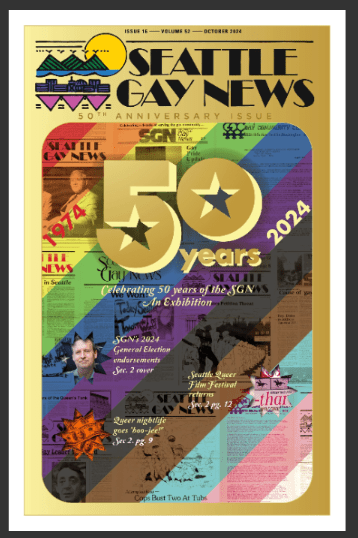
On Thursday, June 27th, Mayor Harrell attended a special reception in honor of Seattle Gay News’ 50th anniversary and the opening of the UW Libraries exhibit “Seattle Gay News Celebrates 50 Years!” at the Central Library. The exhibit celebrates the 50-year history of the SGN (Seattle Gay News), one of the longest-running LGBTQ+ newspapers in the world. The speakers and attendees represented the long-term partnership of many volunteers, SGN staff and local organizations, including UW Libraries, to find, store and preserve the original copies of the paper, now accessible via the Washington Digital Newspapers website.
Images (Left to Right): Photo of proclamation cover; (middle) Alisa MacDonald, UW Libraries student employee; Jessica Albano, UW Libraries News Librarian; Okunyi Bëhree, Seattle Public Library Humanities Librarian; Emily Grayson, Seattle Public Library Adult Services Librarian, Humanities Librarian; Renee Raketty, Editor of Seattle Gay News; Mayor Bruce Harrell; Tom Rasmussen, former Seattle city council member; Tom Fay, Chief Librarian, Seattle Public Library; Elise Murray, Digital communications strategist, Seattle Public Library; (right) Jessica Albano; Shawn Shawn Schollmeyer, Washington Digital Newspapers Coordinator Washington State Library; Anne Frantilla, City Archivist from Seattle Municiple Archives; Tom Rasmussen
The exhibit was originally created by the University of Washington Libraries and displayed at Allen Library in March 2024. Through headlines, page displays and cutouts, it documents the history of a newspaper that started in March 1974, reporting on arts, culture, health, politics and civil rights related to the LGBTQ+ community – covering stories that were often overlooked by other media. It is on view in the Central Library’s Level 8 Gallery through Sunday, August 25, and is free and open to the public.Learn More.
UW Libraries website update and redesign
In early July, UW Libraries will migrate its existing web site to a new WordPress platform. While the site and certain pages may look different visually, this migration should not impact the overall navigation or content you are used to seeing. This is an interim update while we work to redesign the site on this new platform. If you see any errors or have trouble finding content, please ASK US online. Thank you for your patience while we work to improve the online experience for all users!
Local Cambodian community elders attend the “Contaminating Archives” conference at UW Libraries in February 2024, engaging with Toul Sleng Genocide Museum Archives Director Phaektra Song, visiting Cambodian historian Theara Thun, and Khmer American performance artist and writer Sokunthary Svay.
Tracing Authoritarianism: Linking Southeast Asia and Southeast Asian America Through Archives, Language, and Pedagogy
Explores aLuce Foundation-funded program to examine new critiques of archival practices and recognition of the unequal and racial power relations reflected in archives, and whose stories are represented there. Read the story.
Tateuchi East Asia Library: A Year in Review
With highlights from China, Japan and Korean studies Librarians, student highlights and more, this comprehensive annual overview recaps the many exciting acquisitions, programs and partnerships from 2023-2024, including the grand-reopening celebration of the remodeled space. Read the Review.
For UW Researchers: Reserve Your Spot for UW Libraries “Most Wanted” Summer Series
This summer workshop series focuses on the tools and topics UW researchers are asking about. We welcome all members of the research community, including graduate students, postdocs, research staff, clinicians, and faculty members. These workshops will teach a variety of skills and formats to:
expand the visibility of your research
effectively communicate research findings and impact in new and non-traditional ways
enhance your research portfolio for tenure and future career opportunities
connect with others at UW to extend your research networks
Sessions are online, so you can take advantage of this learning from any location, just-in-time for the start of the 2024/2025 school year. Learn more.
The exhibit introduces the culture of Jeju Haenyeo displaying photos of Haenyeo and their objects used in diving. Haenyeo (Korean: 해녀; lit. sea women) are female divers in the South Korean province of Jeju, whose livelihood consists of harvesting a variety of mollusks, seaweed, and other sea life from the ocean. Known for their independent spirit and determination, Haenyeo are representative of the semi-matriarchal family structure of Jeju. Haenyeo were inscribed in UNESCO Intangible Cultural Heritage List from 2016 and enlisted as South Korean Intangible Cultural Property from 2017.
Special Collections is hosting a series of book club meetings to discuss primary texts from The Medium is The Message, an exhibit exploring the graphic novel and the potency with which they tell stories of identity, memory, and culture. Join us in the Special Collections Classroom for refreshments and conversation about Epileptic by David B.
Tuesday, Jul 16, 2024, 3:30 – 5 p.m. / Zoom and Special Collections Classroom
Special Collections is excited to welcome artist Tamar Stone for a hybrid lecture to discuss her work on body image, women’s shapes, narrative storytelling, and artistic medium.
Special Collections is featuring items in our collections that connect to a multitude of different foodways and food cultures.
Missed it?
Don’t miss these great stories from last month’s Library update!
2024 #IHeartUWLibraries Student Video Contest Winners
In case you haven’t yet, be sure to check out the contest winners and submissions! This year’s entries to the UW Libraries Student Video Contest showcased so many creative stories highlighting why we “HEART” the Libraries. Watch the videos here.
Community Fellows: A Platform for Graduate Student Leadership
Learn about the Community Fellows Workshop Series and the amazing graduate students who developed and presented original workshops in their area of interest and expertise. Read the story.
Tracing Authoritarianism: Linking Southeast Asia and Southeast Asian America Through Archives, Language, and Pedagogy
June 27, 2024
Influenced by social justice movements, critical archival studies seek to question power differentials assumed in frameworks of archival collecting and access, and center curatorial responsibilities in communities who may re-interpret, re-define and use materials for community-based public memory projects. For example, when official colonial archival collections are made more accessible via online or other methods, populations have the opportunity to appropriate and reinterpret them. Using their own perspectives and vocabularies, they are adding layers of new meaning that speak to the personal experiences of communities whose voices are otherwise absent from official records.
Critical archival studies scholars often explore ethical methodologies addressing both the silences and multiplicity of voices in collections, sometimes adding context to records, sometimes refraining from assuming a context that might be contested within communities of memory, and often amending records to reflect changing language practices and sensitivities. Community archiving projects have emerged as a critical counterbalance to official records in understanding personal histories of displacement and loss.
A flyer promoting the conference the Seattle conference, “Contaminating Archives: Documenting Power and Resistance in Southeast Asia and Southeast Asian America”
Over the past 4 years, the UW Libraries Southeast Asian Studies Head, Judith Henchy, has been co-PI of a Luce Foundation-funded program aimed at developing new methods to bring Southeast Asian Studies and Southeast Asian American Studies into dialogue through consideration of histories of colonialism, war and trauma. The project recognizes the growing influence of critical refugee studies within the field of Asian American studies, bringing into closer focus the roles of empire, race and violence in Southeast Asia in the creation of Southeast Asian American identities. This evolution in Asian American Studies is paralleled by new critiques of archival practices, which also recognize the unequal and racial power relations reflected in archives, and whose stories are represented there.
One of the primary components of the project, “Tracing Authoritarianism: Linking Southeast Asia and Southeast Asian America Through Archives, Language, and Pedagogy,” focusses on challenging and re-interpreting the archival collections on which knowledge creation in both fields of study has depended. The project explored methods to rethink collections by centering Southeast Asian and Southeast Asian American identities, connecting with students whose families have connections to the region, and encouraging discussion of how archives can be used as a means of reclamation for communities whose histories have been overlooked.
The Libraries’ role has involved working closely with UW faculty in History, Anthropology and UW Bothell, as well as overseas partners, to consider the ethical issues around collection and representation of museum and archival artifacts and their impacts on divergent community memory-scapes.
During the life of the grant, these dynamics were explored in a workshop at UC Riverside, and two archives conferences: one held at the Bophana Audiovisual Resource Center in Phnom Penh, Cambodia, and another at University of Washington, in Seattle. The Seattle conference, “Contaminating Archives: Documenting Power and Resistance in Southeast Asia and Southeast Asian America” in February 2024, brought together keynote speakers Michelle Caswell and Ricky Punzalan , founders of the field of Critical Archival Studies, Chuck Crisanto, the Executive Director of the Human Rights Violations Victims’ Memorial Committee in the Philippines, and Pheaktra Song, the Director of the Toul Sleng Genocide Museum Archive in Cambodia, and a number of scholars working in different disciplines from around the world. Their perspectives explored themes of decentering the official archive, empowering community voices and how archives of violence present ethical questions of privacy, retention and access as historical records.
Local Cambodian community elders attend the “Contaminating Archives” conference at UW Libraries in February 2024, engaging with Toul Sleng Genocide Museum Archives Director Phaektra Song, visiting Cambodian historian Theara Thun, and Khmer American performance artist and writer Sokunthary Svay.
“The Seattle conference was a highlight of the project for me, bringing together all the themes of the grant, says Henchy. “The archives of violence that were discussed, the self-reported and the forced confession, both of which currently serve as evidence in courts of law, present different but equally challenging ethical questions of privacy, retention and access as historical records.”
Feedback from the Seattle conference underscored the problematic dynamic that theoretical work on the power relations of the archive rarely suggests practical ways of addressing these imbalances. As one participant noted, “Many communities in the Southeast Asian diaspora are positively hungry for connections to the past, but I feel that historians have still not managed to bridge the gap between archival theory/praxis and popular representations and desires to know the past. We are good at criticizing ideological and politicized uses/abuses of the past, but how do we educate without condescending?”
In addition to the conferences, the program created a fellowship to increase graduate student understanding of archival practice, giving them practical experience working with the archives, introducing them to the critical themes of the project, and helping to facilitate more dialog between archives practitioners and theoretical scholars. The Fellowship’s collections of focus were selected for their collaborative potential with local communities, and research institutions in Southeast Asia. Four fellows were funded, resulting in a redescription project with the Burke Museum, an online exhibit of ethnographic materials, and a proposed cartoon book.
Image: A portion of an illustration from Archives Fellow Dimas Ramadhan’s presentation: “Tristuti Rachmadi’s Shadow Play Manuscripts as Cold War Archives.” Using an unpublished collection of wayang manuscripts, Dimas shows how dissident and imprisoned wayang puppet master Tristutu Rachmadi used traditional epic themes as allegory for the political violence of the Indonesian military regime that was in power from 1965–1998. He hopes to tell this story in Indonesian and English translation through cartoons.See full illustration.
Image: Archives Fellow Caroline Bacey worked with materials from the Alaska Yukon Exposition of 1909 in various museums and archives around Seattle. She was particularly interested in the artifacts created by the visiting performers from Ifugao who were brought over for the popular “Igorot Village” installation. She found that some of these artifacts, including the bulul figures depicted here and created for sale at the exposition, had been misrepresented as genuine sacred objects in museum inventories.
Projects like these establish UW and the studies of Southeast Asia and its diaspora communities as a model for reclaiming archival collections.
“We anticipate that at least one publication will result from our workshops, establishing the studies of Southeast Asia and its diaspora communities as a model for considering archival collections as transglobal resources that can be refigured in didactic and artistic projects that redress the violence of their creation,” says Henchy.
The origin of this project dates back to 2005 when the UW SE Asian Studies Center received a major grant from the Ford Foundation under the auspices of its Difficult Dialogs program. The UW grant focused on the difficulties of teaching the violent histories of SE Asia to refugee and diaspora SE Asian communities of students whose families are impacted by that violence. At the time, Henchy was already working on a collaborative UW faculty volume Knowing Southeast Asian Subjects, a work that looked at the colonial assumptions of scholarship on the region. Henchy authored the chapter “Disciplining Knowledge: Representing Resources for Southeast Asian Studies in the Libraries of the U.S. Academy.” Since then Henchy has continued to pursue similar projects related to Critical Archival Studies.
Looking back at the history of this and related projects, Henchy reflects on the impact of this collective study and work by all partners,
“Many of the principles of the project are embedded in SE Asian Studies faculty practice. The Southeast Asian Studies Center was renamed the Center for Southeast Asia and its Diasporas in 2022 to reflect our focus on foregrounding pedagogical parallels in the curriculum. Some of our work with archives has now become mainstream in contemporary critical thinking about provenance and description of collections, which is meaningful to me, personally.”
Acknowledgements from Judith Henchy
“My primary collaborator on the conferences and fellowships has been Jenna Grant, a scholar of Cambodia in the Anthropology Department. Other faculty involved in the project are: co-PI Celia Lowe, Anthropology, and Director, Center for Southeast Asia and its Diasporas, Vicente Rafael in History, Linh Nguyen in American Ethnic Studies and Raissa Desmet at UW Bothell. Center Managing Director, Michael Walstrom, has been critical in the logistics of all our programming.
In the Libraries we are greatly indebted to the work of our former film archivist, Hannah Palin, and to Andrew Weaver, for their work processing and beginning the digitization of the Cowell collection. The late Nicolette Bromberg and Mariam Fakouri were critical in negotiating rights issues around Elizabeth Becker’s material, and I am grateful for the recent work of Benjamin Riesenberg, the Metadata Implementation Group, and my Luce-funded SE Asian Studies librarian trainee, Cari Coe, for preparing that collection for ingest into CONTENT-DM.”
Explore Collections
“…the interview with Pol Pot included in the collection, is the inspiration for French-Khmer filmmaker Rithy Panh’s latest film “Rendez-vous avec Pol Pot” that just premiered at Cannes”
Age of the Kampuchea Picture: Rare Witness: A Discussion – The photographs and notes from journalist Elizabeth Becker’s trip to Pol Pot’s Democratic Kampuchea in 1978 were featured in a 2017 Libraries installation that won an award from the Center for Research Libraries. Becker’s trip, and the interview with Pol Pot that is included in the collection, is the inspiration for French-Khmer filmmaker Rithy Panh’s latest film “Rendez-vous avec Pol Pot” that just premiered at Cannes.
Fifty Years of Opium and Conflict in the Shan State of Burma: A Visual Retrospective: Event Details British filmmaker Adrian Cowell’s extensive film archive from his multiple television series on the drug and ethnic wars in Burma’s Shan State spanning from the 1960s to 1990s was the subject of a Libraries conference in 2015. Cowell’s collection includes extraordinarily rare political and ethnographic footage from Shan State filmed by award-winning cinematographer Chris Menges, from their trips there in 1966 and from the 18 months they spent trapped behind enemy lines in 1974-5. Before the Feb 2021 coup, young filmmakers there were interested in using the historical footage in documentary work to promote what had been successful moves towards peace and reconciliation with the ethnic border states
Some of the earliest documentation of Black community celebrations in Texas commemorating emancipation are reported in a January 2, 1866 Galveston, Texas newspaper. In addition to speeches and the reading of the Emancipation Proclamation, the account notes the singing of “John Brown’s Body”, a popular folk hymn about the abolitionist, John Brown. Newspaper reports of emancipation celebrations through the rest of the 19th century indicate that song, dance, and parades were integral parts of the celebrations of what has become known as Juneteenth.
Today, we’ll explore that musical history a bit further through some of the unique collections at UW Libraries!
The Johnson Brothers
In 1900, civil rights activist James Weldon Johnson, then a teacher at a segregated public school in Florida, was tasked with writing a poem in honor of Abraham Lincoln’s birthday. Instead of simply reading the poem, however, Johnson’s brother, J. Rosamund, set it to music. The result, called “Lift Every Voice and Sing,” was sung by 500 students at the event. The song spread through the South and was eventually adopted by the NAACP as the “Negro National Anthem.” It inspired Augusta Savage’s 16-foot sculpture, displayed at the 1939 World’s Fair, was sung at events throughout the Civil Rights movement, and was performed for the opening of the Smithsonian’s National Museum of African American History and Culture in 2016.
The Johnson brothers both collected volumes of Black songs of various genres, which can be found in the stacks at the Music Library with the M1670 call number.
Explore:
The Johnson brothers both collected volumes of Black songs of various genres, which can be found in the stacks at the Music Library with the M1670 call number.
Archival recordings held by the Music Library include a 1940 recording of a radio program featuring a Southern California Black choir singing Johnson songs.
This autographed edition of Unsung Americans Sung is held in the rare books collection at the Music Library.
In 1944, composer W.C. Handy, who called himself the “Father of the Blues”, published a collection of songs titled “Unsung Americans Sung.” This collection is held in the Music Library’s rare books collection and it memorializes figures in Black history with short biographies before each song. It features pieces on historical names such as Frederick Douglas, Harriet Tubman, and George Washington Carver, but also songs in honor of contemporary figures such as singer Sissieretta Jones and historian/archivist Arthur Schomburg (could this be the only hymn written about an archivist?). It also includes Margaret Bonds’ setting of the famous Langston Hughes poem “The Negro Speaks of Rivers.”
William Grant Still, was a classical composer associated with the Harlem Renaissance,. Still’s first symphony, called the Afro-American symphony, premiered in Rochester, NY, in 1931, and was the first complete work by a Black composer to be performed by a major US orchestra. The American Music Center at the Music Library is a collection of books, scores, and archival material on American music that originated from the personal collection of UW School of Music professor, Hazel Kinscella, and includes her correspondence with many well-known American composers. The collection includes a letter from Still sent to Kinscella in 1947. Recordings and scores of this work are available at the Music Library, and by advance request.
On this Juneteenth, continue learning by making space to read, listen and watch something new. If you have a recommended resource not listed here, please let us know, or consider adding to the Recommended Reads for Equity community-curated reading list.
Happy June, Huskies! Can you believe it’s the end of the year? Congrats to all UW graduates on all of your amazing accomplishments! If you are graduating, please be sure to read our blog post below on maintaining benefits post-graduation! Whether you are heading out for summer break, are taking summer classes or embarking on post-UW life, keep in mind UW Libraries is here for you year-round, online and in-person. In addition to Special Collections’ fantastic exhibits and summer book club events, you can access 24/7 help, personal research consultations and access our collection of e-books, news, movies, music and more, anytime, any place; just ASK US!
Featured Resources: Celebrating Pride Month
This post summarizes a variety of Libraries resources, stories and more. Learn more.
News and Stories
Awards Season
UW Awards of Excellence Distinguished Librarian Award: Anne-Marie Davis!
The Distinguished Librarian Award is presented annually by the University of Washington Libraries to a librarian whose contributions advance the mission of the Libraries and the University. This year’s honoree, Anne-Maria Davis, Collection Development Coordinator for Odegaard Library and Anthropology Librarian, is recognized for her outstanding work in advancing undergraduate student success, her groundbreaking efforts in diversity, equity, and inclusion initiatives (DEI) in collections, and her deep subject expertise as a liaison for the Anthropology department and Museology Program. Congratulations to Anne-Marie and to all of this year’s amazing nominees! Learn more.
Announcing 2024 Student Video Contest Winners!
From a start-up’s race to create the perfect business pitch to a very relatable family phone chat, Harry Potter-worthy special effects, and so much more, this year’s submissions to the UW Libraries Student Video Contest showcased so many creative storytelling ideas highlighting why we “HEART” the Libraries. Check out all the winners!
2024 Undergraduate Research Award recipients:Top row, left to right: Richer Zhao, Eva Derksen, Gabrielle Masteller, Serena Tideman, Evelyn Erickson, Thomas William Boyd. Bottom row, left to right: Victoria Landrum, Lindsay Lucenko, Mia Oscarsson, Naeha Geogy
Congrats to our Undergraduate UW Libraries Research Award Winners
The annual Library Research Award for Undergraduates recognizes undergraduates who demonstrate outstanding utilization of library and other information resources in the creation of an original course project. 2024 recipients were honored at a special reception June 5, 2024. Learn more.
Coming Soon: Recording Studio in Suzzallo!
UW Libraries is excited to announce plans to install a recording studio space in the Open Scholarship Commons (Suzzallo Library, 1st floor) this fall! Made possible by UW Libraries donors, this new studio will provide students and faculty opportunities to record both video and audio, helping to meet increased demand for tools and spaces that support digital scholarship including podcasting, video production, and more. Construction will begin this June with plans to open in fall quarter (date TBD). Stay tuned!
Fun Facts – 2024 UW Libraries Fact Sheet
How many classes/instruction sessions do librarians teach per year? How many items are in the collection? How many people visit the library in a year? These and many more “fun facts” can be found in our updated fact sheet.
A Message for Graduates
Congratulations Husky graduates! As you get ready to celebrate this monumental achievement through UW Commencement, Libraries wants to let you know what benefits and opportunities are available to you after graduation. Read here
For UW Researchers: Announcing UW Libraries “Most Wanted” Summer Series
This summer workshop series focuses on the tools and topics UW researchers are asking about. We welcome all members of the research community, including graduate students, postdocs, research staff, clinicians, and faculty members. These workshops will teach a variety of skills and formats to:
expand the visibility of your research
effectively communicate research findings and impact in new and non-traditional ways
enhance your research portfolio for tenure and future career opportunities
connect with others at UW to extend your research networks
Sessions are online, so you can take advantage of this learning from any location, just-in-time for the start of the 2024/2025 school year. Learn more.
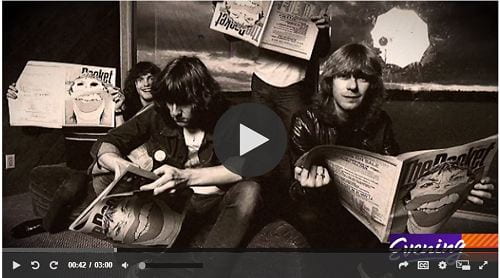
How UW Libraries and Washington State Libraries helped to digitize legendary local music magazine, The Rocket. Read the story.
Librarians’ Legacy Gifts Help Library Employees Pursue UW Degrees
“I am thrilled about the expansion of this endowment and incredibly grateful to its donors, and I hope that it inspires other Libraries staff to take advantage of the university’s resources and potential for learning.”
Through the generosity of two former UW librarians, the Libraries has been able to double the number of professional development scholarships for employees who are working at least 50% time while pursuing a UW degree. These scholarships have helped numerous employees for over the last decade, and now through a new endowment will provide much-needed support for many more years to come. Learn more.
OSC Community Fellow, Yubing Tian, is a Ph.D. candidate at the University of Washington’s Information School. Her work investigates issues such as open data policies as well as challenges within data sharing and long-term preservation.
Community Fellows: A Platform for Graduate Student Leadership
TheOpen Scholarship Commons (OSC) Community Fellows Workshop Series, funded by the UW Diversity Council and the eScience Institute, is a paid fellowship opportunity for graduate students underrepresented in the field of open scholarship. Learn about the amazing graduate students and their experience teaching workshops as Community Fellows. Read the story.
Op-Ed: To thrive, libraries must jointly harness human and artificial intelligence
Lucy Li is the interim China Studies Librarian at the University of Washington’s Tateuchi East Asia Library. Her recent op-ed is featured in the Northwest Asian Weekly focused on insights she gleaned from the 2024 Council on East Asian Libraries (CEAL) annual conference held in Seattle in March. Read the article.
Special Collections is hosting a series of book club meetings to discuss primary texts from The Medium is The Message, an exhibit exploring the graphic novel and the potency with which they tell stories of identity, memory, and culture. Join us in the Special Collections Classroom for refreshments and conversation about Persepolis by Marjane Satrapi.
Explore Japanese-Americans’ stories through the graphic novels and memoirs Special Collections has collected on Japanese incarceration along with reproductions of historic documents from the time.
Missed it?
Don’t miss these great stories from last month’s Library update!
‘The Medium is The Message’: Exploring the value of graphic novels – a feature story on UW Libraries current exhibit in Special Collections by Priya Devanesan, The Daily. Read the story.