UW Libraries is always a big part of welcoming students to campus during UW’s Dawg Daze. This year has a terrific lineup of tours and fun activities including game night, karaoke, reading parties and more. View all Libraries Dawg Daze events.
Bookmark UW Libraries Student Guide
A direct link to all the things you’ll want to know as a new OR returning student in fall 2025!Go to guide.
Operations Update: What’s happening around Suzzallo Library?: The construction work in and around Suzzallo Library is due to a major seismic improvement project, with work ongoing through August 2026. More information and project updates.
Welcome back, Huskies!
If you’re new to UW, be sure to sign-up for this blog to get UW Libraries monthly updates to learn about upcoming events, new resources and important news. Fall quarter is also the time of year for our annual community-led US Constitution Reading, celebrating its 20th year! Learn more about this special UW event, and consider making it one of your annual back-to-school traditions! Be sure to check out the new recording studio, mark your favorite upcoming Dawg Daze events, and take some time to learn about (or remember) all the amazing resources available to you through UW Libraries.
News and Stories
Region 5 National Library of Medicine Grant Reinstated:
The University of Washington Health Sciences Library announced the court-ordered reinstatement of the Network of the National Library of Medicine (NNLM)Region 5 grant, effective through April 30, 2026. The order for reinstatement is in response to the original grant cancellation initiated by the National Institutes of Health (NIH) in March of this year. Read full announcement.
Now Open: ‘Indigenous North Americans’ Collection
UW faculty, students and staff now have open access to a new 100-book collection centered on Indigenous North Americans, available in digital form to read and reuse at no cost to the reader or author. This collection was created through the Big Ten Academic Alliance (BTAA) in alignment with BTAA’s vision for the BIG Collection, which seeks to unite the collections of the BTAA academic libraries into one collection, shared and fully networked. This is the second collection created via BTAA, with plans to launch three more collections over the course of 2025 and 2026.
Since its inception in 2023, books in the collection have been used in over 210 countries with over 400,000 downloads.
BTAA institutions have invested significantly in their shared mission to advance public knowledge through open publishing, and together (BTAA institutions, including UW) they produce roughly 15% of the research publications in the United States. Learn more/ Read the BTAA announcement
New “Chill” Space in the Tateuchi East Asia Library:
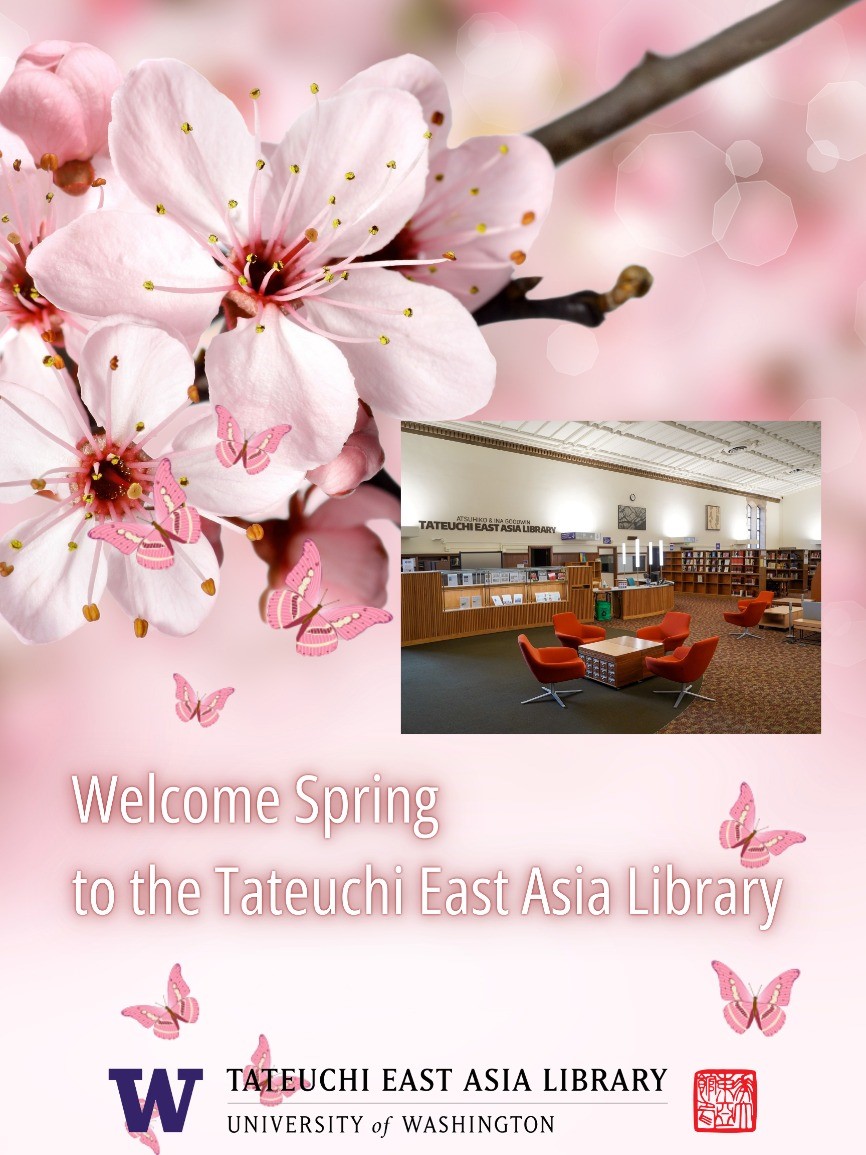
The Tateuchi East Asia Library is pleased to introduce the Chill & Recharge Area, a comfortable space on the main floor designed to support student well-being. There is comfy seating, relaxed lighting and access to the growing collection of graphic novels, including Korean webtoons and Japanese manga. Stop by the new space (Gowan Hall 3rd floor) to take a break, relax, and reset—no reservation needed!
Recommended Reads
The Recommended Reads for Equity Collection grew by 63 titles during 2024/2025, with 48 individuals recommending 68 books. Since the start of the collection in 2018, 189 students, faculty, staff and alumni have recommended 291 books! UW Libraries McKinstry Fellow and co-project manager during this time period, compiled all the new recommendations into an artful e-zine that shares book summaries and personal comments from readers. Check out the e-zine.
What Does Metadata Have To Do With It?
This spotlight features a graduate student’s work to address some of the global challenges faced by cataloging and metadata departments in academic libraries who are working to address inconsistencies and inefficiencies in library metadata, prioritizing ethical descriptive practices, and addressing resource challenges. Read the story.
Featured Resources:
New Recording Studio!
Located near the Open Scholarship Commons on the first floor of Suzzallo and Allen Libraries, the new recording studio supports creativity and collaboration for all types of audio-visual projects. Watch the video to learn more.
On the Gram
From a living room in Glasgow, Scotland to 1960s campus performances by influential artists, Burmese vinyl and much more, UW Ethnomusicology Archives’ Instagram is full of fascinating finds!
Community Events and Exhibits
Thursday, Oct 9, 3-5pm – 20th Annual US Constitution Reading
Join your fellow students, faculty, staff, community members and distinguished guests for the 20th annual US Constitution Reading! Participants read a short selection of the full text of the Constitution – approximately 1 minute of reading time. Readers can request a specific section, or opt to have one assigned. This is a public event, open to all–instructors are encouraged to bring their classes and staff are welcome to attend and participate with friends, family, & coworkers! The annual constitution reading is one of several events taking place this week held in collaboration with our partners to critically examine the historical and contemporary significance of this consequential document, and its importance within our society. Learn More/Sign-Up To Read
NEW EXHIBIT: Right to Read: Banned books and the First Amendment
Our first amendment right protects our freedom of speech, but what about our freedom to read? The exhibit Right To Read: Banned books and the First Amendment discusses the complex nature of banned books in the United States. Get to know your UW libraries while learning about censorship in your own life. Located in the Suzzallo Library, ground floor.
Learning Workshops and Office Hours
Save the Date
Wednesday, Oct 1,12:30 – 1:30 p.m. – First Wednesday Lunchtime Concerts are Back! Students of the UW School of Music perform in the Allen Library North Lobby. View calendar
Get UW Libraries monthly news directly to your inbox! Sign-up for our blog!
Your Email:
Stories
The Secret Life of UW Libraries Catalogers and Metadata Specialists
August 19, 2025
Student Spotlight Series #5: María Fernanda (Fer) Palomares Carranco
By Crystal Yragui, Metadata Librarian & Interim Co-Head, Metadata & Cataloging Initiatives Unit · University of Washington Libraries
You may be surprised to hear that before you can access a library resource when you need it, a lot of work must be done to get that resource into the UW Libraries catalog. A whole department of librarians, staff, and students are quietly working away behind the scenes to get new resources into the catalog and to find innovative ways to enhance the Libraries’ metadata*. This series of blog posts will highlight our brilliant student employees and the work they do to make your tasks of searching, identifying, selecting, and obtaining library resources easier and more effective.
Mini Glossary:
What is metadata?
Simply put, metadata is data that provides information about other resources. Metadata makes finding, identifying, selecting, and obtaining resources for any purpose easier. It can tell you what the content is about, what type of thing a resource is, help explain its origin, nature, and lineage, and provide useful access information.
What is Wikidata?
Wikidata provides deeply structured and reliable, human-checked metadata which drives not only its sister projects funded by the Wikimedia Foundation but all over the Semantic Web (the global internet of linked data). Wikidata is one of the largest open source triple stores (or linked data graphs) available for training AI tools, and is ingested to feed commercial web tools such as Google Knowledge Boxes and more.
What is Linked Data?
“Linked Data is a machine-readable, standard format for storing information. In linked data, each element of information to be linked is given a unique identifier, called a Uniform Resource Identifier (URI). Connections between these elements are encoded using the Resource Description Framework (RDF), in which information is encoded in “triples” which include pairs of objects and the relationship between those objects. These triples are what create the interconnectedness of the data on the web, allowing for computers to extract meaningful connections across the internet, and thus integrate information from multiple disparate sources.”
— Network of the National Library of Medicine
María Fernanda (Fer) Palomares Carranco came to the University of Washington iSchool’s Master of Library and Information Science program with a Bachelor of Arts in Sociology and Mexican American and Latino/a Studies from the University of Texas at Austin. Fer joined the University of Washington Libraries Cataloging and Metadata Services Department for Directed Fieldwork with the goal of making library metadata and related workflows more equitable and accessible.
Fer’s work at UW Libraries addresses the broader challenges faced by cataloging and metadata departments in academic libraries across the world at this moment who are working to address inconsistencies and inefficiencies in library metadata, prioritizing ethical descriptive practices, and creatively addressing resource challenges.
Fer’s fieldwork focused on two distinct projects:
Assessing complex, multi-step workflows for metadata application profiles (input forms for describing digital images held by the Libraries), streamlining them into more democratized and easy-to-use spreadsheets.
Working alongside international Wikidata teams to evaluate and implement new data modeling practices to address inconsistencies and inaccuracies in the ways personal pronouns are modeled and shared publicly in Wikidata.
Responding to Staffing Challenges: Improving Workflows and Efficiencies
Fer’s work aided the Libraries in responding to staffing reductions in the Cataloging and Metadata Services Department. She developed new processes to streamline workflows, enabling more library staff to use and update the ContentDM metadata application profiles (MAPs) directly. Rather than relying on multiple documents and scripts, Fer helped her advisor, Metadata Librarian Crystal Yragui, to strip these MAPs down to simple shared spreadsheets, uncovering several inconsistencies and reducing redundancies.
At the end of her directed fieldwork, Fer presented a prototype for the new proposed MAP to the University of Washington Libraries Metadata Implementation Group (MIG) for approval. Her work was approved, and is now informing an ongoing project to simplify the rest of the MAPs.
Improving Accuracy in Data Modeling for Personal Pronoun Information
The University of Washington provides useful background information on using correct pronouns here. The relationship between personal pronouns and other aspects of personal identity is not a simple thing to quantify because it is highly individual and unpredictable as far as machines are concerned. Personal pronouns cannot be reliably determined based on other data points for human beings, such as our given names, sex assigned at birth, gender identity, or appearance. Many people use one set of personal pronouns in one environment, and another set in another. Others are happy to use any personal pronouns. Some people use neopronouns, while others do not. Some want their personal pronouns to be publicly known, and others prefer to keep theirs private.
For this project, Fer jumped in with both feet to tackle serious issues with data modeling and practices in Wikidata for personal pronouns. She learned the Wikidata model from the ground up and helped an international, cross-institutional team to engage the global Wikidata community with ideas for a new data model and best practices for personal pronouns. This work was challenging, and involved putting together multiple complex proposals to detail ethical and technical shortfalls with current modeling and agile solutions that would not only function for the Wikidata graph, but would serve the needs of linguistic user groups all over the world.
The model the team set out to repair was fraught with issues, such as confusion of personal pronouns with other aspects of identity such as gender identity, sex, titles, and honorifics. Personal pronouns had also been modeled inconsistently as Wikidata objects, being classed as exemplars of both linguistic objects called lexemes and as more general objects called items. These objects are shaped distinctly in Wikidata and cannot be used and queried in the same ways. Data modeling inconsistency makes data difficult to manage, query, and clean up for users and data managers.
In Wikidata at the time of Fer’s directed fieldwork, there was an absence of universally-understood best practices regarding the need for references when stating that someone used a particular pronoun, or regulations about using bots to infer peoples’ personal pronouns based on other irrelevant data. This led to widespread assumptions about personal pronouns for items about human beings being recorded in Wikidata and then ingested downstream into the semantic web (read: search engine knowledge boxes like the ones you see in Google). The incorrect connection in Wikidata between personal pronouns and gender identity was leading to automated assignment of both personal pronouns and gender identity values for people, often based on nothing more than a person’s first name. More complex issues of outing (revealing someone’s private sexual or gender identity without their consent) and misgendering (referring to someone in a way that does not reflect their gender identity) were also addressed by the group’s proposals.
Thanks in part to Fer’s hard work, the second proposal put forth by the group as a Wikidata Request for Comment has now reached consensus and is ready to be implemented in Wikidata. The solutions proposed there will begin to solve many of these problems.
So, what does it all mean? Why does it matter?
The impact of these changes, when implemented, will result in more accurate and ethical data and processes, for example:
A male-identifying person named “Sandy” who uses “he/him/himself” for example, who bots assign the pronoun “she” and then assign the gender “female”, will be corrected to reflect the accurate pronoun. Gender references based on pronouns used are no longer valid.
Personal pronoun sets will reflect a consistent data model “under the hood”. This makes searching for peoples’ pronouns in Wikidata neater and more accurate, which has positive implications not only for Wikidata but for all web services which are based on its free, open, structured data (for example, Google Knowledge Graphs).
Restrictions on bot editing combat misgendering by bots making assumptions based on personal pronouns, and best practices provide human editors with concrete guidelines surrounding privacy and standards for references for personal pronoun statements. This will significantly cut down on outing, misgendering, and other harms surrounding personal privacy for the people being described in Wikidata.
With both of these projects, Fer’s Directed Fieldwork demonstrated her readiness to step into the world of professional metadata librarianship, and we are so grateful for the time she spent working with us.
###
Stories
Dawg Daze with UW Libraries!
August 13, 2025
Welcome, Huskies! UW Libraries is hosting a wide variety of Dawg Daze events to introduce you to our amazing Library resources and programs! Explore our spaces, meet our staff and connect with other students throughout the week including tours, board game events, karaoke, and more! See all Libraries Dawg Daze events below, and find them in your UW Dawg Daze calendar!
Meet other students and have fun!
SATURDAY, 9/19 and FRIDAY, 9/25: KARAOKE FRIDAY at the Tateuchi East Asia Library 1-4pm: Are you ready to show off your singing skills and have some fun? Come join us for a free Karaoke session at the Tateuchi East Asia Library in Gowen Hall!. No reservations needed! While you’re here, don’t miss the chance to explore our incredible collections of Chinese, Japanese, and Korean materials.
WEDNESDAY, 9/23 Silent Reading Party: Suzzallo Petersen Room, 4th floor, 2-4pm Enjoy comfy chairs, tea, snacks, in a beautiful room while reading alongside others who share the joy of reading. You can pick from some fun book options from our collection, or bring your own. All reading is welcome- print books, e-books, and audiobooks with headphones! Learn more/add to calendarr
FRIDAY, 9/25 Tabletop Game Night at Odegaard Library 6-10pm: Join us at Odegaard for an evening of fun and friendly competition at our Tabletop Game Night! Whether you’re a seasoned gamer or new to the gaming world, this event is the perfect opportunity to meet fellow students and have some fun. start the year off with some laughs and a little bit of chaos. Bring your own games or choose from Odegaard’s Collection of over 300 games.. Not sure what game to play? Staff will be on hand to make suggestions! The Pen & Paper Gaming Association will run RPG sessions throughout the night (Note: table spots fill up fast, so sign up early). Snacks and drinks provided! Learn more/add to calendar
FRIDAY, 9/25 Undergraduate Research for Transfer Students: Panel & Social, 3-4:30pm: Are you a transfer student interested in undergraduate research? Get a jump-start on research with this workshop intended for incoming transfer students in all disciplines to get up to speed on the resources and opportunities available for you to engage in faculty-mentored research at UW! In addition, learn about key library resources and services that support all forms of undergraduate research in this interactive session. Snacks will be provided. Learn more/add to calendar
TUESDAY, 9/29 and WEDNESDAY, 9/30: Fine Arts Libraries and Special Collections Pop Up: Explore UW Libraries hidden gems — the Fine Arts Libraries and Special Collections! stop by our Dawg Daze table at the top of the Quad to view unique collections and materials from the archives, meet staff and take home some swag and creative inspiration
Students who attend any of these events, or complete the self—guided tour during Dawg Daze can enter a drawing for a $25 e-gift card!Look for the pawprint next to eligible events in this post.
Tours
Tours of the Suzzallo and Allen Libraries: 9/28, 9/29 and 9/30: Get to know the largest UW libraries, and learn about the rich history behind one of the most iconic buildings on campus, and in the region. Meet in the lobby of the Allen Library (ALB) north wing (under the crows and ravens). Times vary by day. Learn more/add to calendar.
Odegaard Library Tours – 9/24 and 9/29 : Come and meet your new favorite library! Odegaard is a great place for all students to study and meet up with friends. This tour introduces you to all of the unique study spaces, books, computer labs, how to get help, and more. Snacks will be provided. See all dates and times/add to calendar
Odegaard Tour with First Generation Students – 9/24: tour the library with other first gen students, learn all about the libraries services and spaces. Open to all students. Learn more/ add to calendar
Journey through the UW Libraries: Self-guided Tour (open/ongoing) Explore UW Libraries spaces, services, and resources via this online or in-person self-guided tour. Visit popular UW Libraries including Odegaard Undergraduate Library and Suzzallo & Allen Libraries and learn about library resources and services available to UW students. Complete the tour during Dawg Daze and enter a drawing for a $25 e-gift card.
You are getting a lot of information at every Dawg Daze event! Don’t worry about remembering every single thing, we’ve got you covered, Huskies! For a quick guide to “All the things” to love about UW Libraries, be sure to bookmark the UW Libraries Student Guide!
Welcome, Huskies! UW Libraries is hosting a wide variety of Dawg Daze events to introduce you to our amazing Library resources and programs! Explore our spaces, meet our staff and connect with other students throughout the week including tours, board game events, karaoke, and more! See all Libraries Dawg Daze events below, and find them in your UW Dawg Daze calendar!
Student Connection
Meet other students and have fun!
9/18 Silent Reading Party 3-5pm Enjoy comfy chairs, tea, snacks, in a beautiful room while reading alongside others who share the joy of reading. You can pick from some fun book options from our collection, or bring your own. All reading is welcome- print books, e-books, and audiobooks with headphones! Learn more/add to calendar
9/19 KARAOKE FRIDAY at the Tateuchi East Asia Library 1-4pm: Are you ready to show off your singing skills and have some fun? Come join us for a free Karaoke session at the Tateuchi East Asia Library in Gowen Hall!. No reservations needed! While you’re here, don’t miss the chance to explore our incredible collections of Chinese, Japanese, and Korean materials. Learn more/add to calendar
9/19 Tabletop Game Night at Odegaard Library 5:30-10pm: Join us at Odegaard for an evening of fun and friendly competition at our Tabletop Game Night! Whether you’re a seasoned gamer or new to the gaming world, this event is the perfect opportunity to meet fellow students and start the year off with some laughs and a little bit of chaos. Snacks and drinks provided. Learn more/add to calendar
9/19 Sounds from the Vaults with UW Ethnomusicology Archives 1-5pm: Join curator DJ Vallier as he spins discs from UW’s historic and subterranean Ethnomusicology Archives. From ethereal Japanese gagaku and filigreed Zambian kora to overtone-laden Afghan throat games and 70s funkified Seattle soul, listen to music you’ve never heard and won’t find on Spotify! Learn more/add to calendar
Students who attend the Odegaard Library tours, the Undergraduate Research for Transfer Students event, or complete the self—guided tour during Dawg Daze can enter a drawing for a $20 e-gift card! Look for the pawprint next to eligible events in this post.
Tours
Tours of the Suzzallo and Allen Libraries: 9/23, 9/24 and 9/25: Get to know the largest libraries on campus, and learn about the rich history behind one of the most iconic buildings on campus, and in the region. Meet in the lobby of the Allen Library (ALB) north wing (under the crows and ravens). Times vary by day. Learn more/add to calendar.
Odegaard Library Tours – 9/18, 9/19, 9/22 and 9/23: Come and meet your new favorite library! Odegaard is a great place for all students to study and meet up with friends. This tour introduces you to all of the unique study spaces, books, computer labs, how to get help, and more. Snacks will be provided. See all dates and times/add to calendar
9/26 – Odegaard Writing and Research Center Open House 12-2pm: Visit the Odegaard Writing and Research Center (OWRC) Open House event to learn how you can get support and feedback on any type of writing and research project! The OWRC is here to support you, whether it’s coursework or a major application, a creative essay, poem or a job résumé. Learn more/add to calendar.
Journey through the UW Libraries: Self-guided Tour (open/ongoing) Explore UW Libraries spaces, services, and resources via this online, self-guided tour to explore the Libraries and learn about important library resources and services. Learn more.
Explore Your Options: Learn about the new minor in Textual Studies and Digital Humanities Monday, Sept. 22, 10:30-12:20, Special Collections Classroom Allen Library South, Basement (B069)Are you curious about a career in libraries, archives, publishing and preserving cultural materials? This special session gives students a a unique opportunity to explore UW Libraries Special Collections while learning about the minor program in Textual Studies and Digital Humanities, with an emphasis hands-on, project-oriented work with historical materials and archival sources and building skills for a variety of applications and study. Learn more/add to calendar
For Transfer Students
9/25 Undergraduate Research for Transfer Students Panel & Social 3-4:00pm: Are you a transfer student interested in undergraduate research? Get a jump-start on research with this workshop intended for incoming transfer students in all disciplines to get up to speed on the resources and opportunities available for you to engage in faculty-mentored research at UW! In addition, learn about key library resources and services that support all forms of undergraduate research in this interactive session. Snacks will be provided. Learn more/add to calendar
Bookmark it!
You are getting a lot of information at every Dawg Daze event! Don’t worry about remembering every single thing, we’ve got you covered, Huskies! For a quick guide to “All the things” about UW Libraries, be sure to bookmark the UW Libraries Student Guide!
Tateuchi East Asia Library: 2024-2025 Year in Review
July 1, 2025
From the Director
A Vibrant Year at Tateuchi East Asia Library: Highlights and Updates
by Hyokyoung Yi
It has been a vibrant and rewarding academic year at the Atsuhiko and Ina Goodwin Tateuchi East Asia Library, marked by continued collaboration, innovation, and deepening engagement with our users. I am proud to share highlights from this year that reflect our shared commitment to excellence in collections, scholarship, and community building.
Our librarians continued to strengthen Tateuchi East Asia Library’s premier collections in Chinese, Japanese, and Korean studies, supported by state funds, grants, and generous gifts. Thanks to this support, our users have access to a rich, evolving body of resources to advance their research and learning.
Tateuchi East Asia Library Digital Scholarship Series #4 session with Professor Paul Atkins
We have seen remarkable growth in the use and recognition of our Special Collections. Faculty interest in these materials has increased significantly, resulting in more instruction sessions and research visits. Much of this increased attention was sparked by an exhibit and a follow-up special workshop presented in the early fall quarter, which showcased rare illustrated works from our Chinese, Japanese, and Korean collections. These events highlighted the artistic and historical value of East Asian illustrated texts and generated strong interest among faculty, students, and visitors. As a result, Tateuchi East Asia Library’s Special Collections have become an even more integral part of teaching, research, and outreach within our academic community.
In addition, our Tateuchi East Asia Library Digital Scholarship Series continued to thrive. These events have provided a platform for faculty to share their research using digital tools and innovative methods, creating a space for students and scholars to exchange ideas and build a community around digital scholarship in East Asian studies. This series exemplifies the library’s evolving role in bridging traditional scholarship with new methodologies.
Collaborating with Faculty & Students
2025 Tateuchi East Asia Library Digital Scholarship Series poster
Throughout the year, we were proud to host numerous events celebrating culture, creativity, and collaboration. Our New Year Celebration brought students and community members together to enjoy traditional performances, including a tea ceremony led by the Japanese Tea Ceremony Club. Student-led events such as Graphic Novel Café, Melody in the Stacks, and Cherry Blossom Bookmark Making brought energy and joy to our space while showcasing our unique collections and the talents of our student community. Karaoke Fridays during Dawg Daze offered a welcoming and fun introduction to Tateuchi East Asia Library for incoming students.
We remain deeply committed to collaboration with academic departments and programs. This year, Tateuchi East Asia Library partnered with faculty from the Department of Asian Languages & Literature and the Jackson School of International Studies to support lectures, workshops, and courses through curated pop-up exhibits and tailored instruction sessions.
Tateuchi East Asia Library staff and students workers together with members of the Chado Urasenke Tankokai Seattle Association at the New Year Celebration
Tateuchi East Asia Library staff and students workers together with members of the Chado Urasenke Tankokai Seattle Association at the New Year Celebration
Our co-hosted programs with the Center for Korea Studies and the Taiwan Studies Program also highlighted the interdisciplinary potential of library-led engagement.
Lastly, our space continues to serve as a vital hub for study, collaboration, and gathering. The Seminar Room has become a sought-after venue for faculty-led lectures, Tadoku classes, student workshops, and special meetings. We are proud that Tateuchi East Asia Library remains a space where academic work and community connection thrive side by side.
As we look ahead, I am excited to continue building on this momentum with our incredible team, partners, and users. Thank you for being part of the Tateuchi East Asia Library community.
China Studies Collection
by Lucy Li
Collection Building
Tateuchi East Asia Library acquired more than 500 titles for our Chinese collection, including over 20 eBooks, by the end of this academic year. Several large sets are Jin dai dian ying shi yan jiu zi liao hui bian 近代电影史研究资料汇编 (40v.); Shanxi gu dai si guan cai suo quan ji 山西古代寺观彩塑全集(26v.); Zhong E guan xi li shi dang an wen jian ji 中俄关系历史档案文件集1653-1966 (19v), to name a few. We also purchased, for course reserve, the electronic A student’s dictionary of Classical and Medieval Chinese to provide unlimited simultaneous student access in addition to the print copy.
Professor Wen-tang Shiu from Academia Sinica (left) donated several of his works on Taiwan’s 228 Incident to the Tateuchi East Asia Library in person. Mr. Tzu-Chia Chiu (second left) from the 228 Memorial Museum also shipped a donation of over 40 items, mostly primary sources, to Tateuchi East Asia Library. Ellen Chang, Director of the Arts and Culture Program with Taiwan Studies, created and coordinated the 228 Incident exhibitions and events.
Tateuchi East Asia Library endowments were used to acquire three electronic databases: Pishu Database 皮书数据库 of China’s economy, public policy, and security reports, full-text database of Renmin University Social Sciences Information Center 人大社科文献复印中心数据库, and UDNData 聯合日報數據庫. These digital resources supplement our social and political studies resources on China and add news sources from Taiwan. We also added two serial subscriptions: Rural China: an international journal of history and social science (electronic) and Contemporary China review (Chinese version) (print).
We continued to receive donations from institutions overseas and individual donors. Hubei Zhongtu Changjiang Culture Media Co., Ltd sent us 85 books (115 volumes) on the history and culture of China’s Hubei and surrounding regions. The National Central Library sent us selected 75 titles (110 vol.) including a 30-volume Yang Mu quan ji 楊牧全集 as requested.
The 228 Memorial Museum donated to us selected primary sources on the 1947 228 Incident in Taiwan. Academia Historica also sent latest publications on a regular basis, including the latest publications of the Chiang Diaries: Chiang Kai-shek diaries 蔣中正日記 [1948-1954] and Jiang Jingguo ri ji 蔣經國日記 [1970-1979]. Other donations came from local artists, Chinese authors living in the US, UW faculty, and scholars that visited our library.
Liaison
Instructions this year included introduction of library resources to incoming China Studies MA students (JSIS A 521), annotated bibliography and citation to continuing graduate students (JSIS A 522), and introduction of primary resources on Taiwan under Japanese rules and Manchukuo to undergraduate students (JSIS A 432). Lucy’s presentation of Tateuchi East Asia Library special collections included the co-presentation with Tateuchi East Asia Library librarians on illustrated rare Chinese items to undergraduate students (ASIAN 200) and community members. She also curated and presented pre-1911 publications of works on the Classic of Odes to graduate students in a classical Chinese reading seminar course (CHIN571).
Lucy worked with the UW Taiwan Studies Arts and Culture Program and hosted two exhibits in the George M. Beckmann Reading Room. The winter quarter display of “Love, Taipei” showcased movie posters of the 1960s to the 2000s with Taipei in the setting. The spring exhibit on the 1947 228 Incident involved selecting and receiving gift books from the 228 Memorial Museum, a display of event overview, class instruction and seminar setups.
In February, 2025, Lucy created a small display introducing Professor Martin Kern with selected works by him or of his choice on the material history of the Chinese language in promoting his visit to UW for the Phi Beta Kappa Visiting Scholar Lecture. In May, 2025, Lucy assisted the Rainier Chinese Literature Club with their interview with Chinese author and public speaker Fan Deng 樊登 in Tateuchi East Asia Library’s community room, and gave a brief introduction of the library and its collections.
Local high school students from Lakeside Upper School down in Tateuchi East Asia Library’s general stacks. Students are mostly seniors in Ms. Cheynne Matthewson’s Chinese language class who are interested in East Asia studies.
Beyond UW, Lucy received local high school students doing research and touring Tateuchi East Asia Library and assisted scholars from China, Switzerland, and Germany with special collection item requests, viewing and reproduction. Visiting scholars from UCLA and Guangdong Sun Yan-sen University came to review our Mu Yu Shu collection for two weeks in March, and provided detailed feedback on the items and triggered the digitization effort of this collection.
Professional Development
In October, 2024, Lucy joined four other China Studies Librarians from academic libraries in the Pacific Northwest and carried a panel discussion on the prospect of China Studies library resources facing budget constraints, AI, and geopolitical tensions. The panel discussion was part of the Northwest China Forum held in Vancouver, Canada. Together, the panelists heard from faculty and students’ views on these topics and provided suggestions on in-class instruction, open access publishing, and more.
Lucy presenting at Council of East Asia Studies Poster Session on ADA Title II and East Asian Electronic Resources in March, 2025, Columbus, Ohio.
In March, 2025, Lucy attended the Council of East Asian Libraries conference in Columbus, Ohio. At the conference, she co-presented sessions on the topic of digital accessibility and East Asian e-resources. The presentations were designed to raise awareness of the new federal regulations and rules on digital accessibility with peer institutions and vendors, and to introduce initial steps of testing for compliance. Digital accessibility will be one of the challenges that we will be facing next year for our China collections. The American Disability Act Rules on Digital Accessibility requires all digital resources to be accessible by April, 2026. Many overseas e-resources, however, are not yet compliant.
After the conference, she attended the Society of Chinese Studies Librarians and visited the Ohio State University East Asian Library and viewed their special collection items.
Japan Studies Collection
by Kiwa Tashiro
Research & Learning Service
Kiwa Tashiro has served as the Reference Specialist for Japan Studies at the Tateuchi East Asia Library since April 2024, filling in during the sabbatical of Japanese Librarian, Azusa Tanaka. Kiwa is a graduate student at the Jackson School of International Studies and the Evans School of Public Policy. In this role as the Reference Specialist, she has provided research services and reference support for students, faculty, and researchers both locally and internationally, drawing on her background and expertise as a former journalist. Furthermore, she has contributed to Tateuchi East Asia Library’s outreach by producing photography, videography, and social media content to promote library events.
Kiwa was also responsible for managing Tateuchi East Asia Library’s Japanese Special Collections, which include more than 9,000 culturally significant items. She actively engaged with the broader community to promote access to these materials. One of her major projects involved developing an inventory of approximately 7,000 Gaihozu (topographic maps produced by the former Japanese Imperial Army between the 1880s and 1945). In November 2024, she led public presentations featuring these Japanese Special Collections, offering illustrated context to enhance public understanding of their historical significance.
Kiwa taking photos and managing catering at the New Year Celebration event on January 30, 2025
Additionally, Kiwa served as a dedicated liaison to the Jackson School Task Force class Remilitarizing Japan? American Foreign Policy and the Japanese Constitution USIS 495D). The course explored U.S. Japan relations and broader Pan-Pacific dynamics and diplomacy. For this course, she created a custom website for the Task Force session, delivered a two hour in-class presentation, and provided guidance on research strategies and resources to deepen student engagement with course materials.
Each quarter, Kiwa conducted multiple instructional sessions for classes in the Jackson School of International Studies, the Department of Asian Languages and Literature, and the School of Art History. These sessions provided tailored library instruction and research support designed to enhance academic learning and engagement. During the winter quarter, she led a session for Advanced Readings in Modern Japanese Literature (JAPAN 532A), focusing on research methodologies in both Japanese and English.
Additionally, she facilitated a special library session for An Introduction to Nō Drama (JSIS 434), showcasing Tateuchi East Asia Library’s collection on traditional Japanese Nō theater.
2025 scholarship recipients attending the scholarship reception on March 5, 2025
In March 2025, Kiwa was selected as a recipient of the University of Washington Libraries Student Employee Scholarship Award. This award recognizes student employees for their meaningful contributions and dedication to advancing the libraries’ mission of supporting the University’s educational and research endeavors. After receiving the award, she expressed her deep gratitude, stating that she was able to earn the scholarship thanks to the invaluable guidance and support of her outstanding colleagues at Tateuchi East Asia Library. She shared that working as part of such a dedicated team was a great honor and privilege. Serving as a Reference Specialist allowed her to grow through a wide range of responsibilities, and she remarked that the experience will undoubtedly prove invaluable in her future endeavors.
Korea Studies Collection
by Hyokyoung Yi
Collection Development
Several key initiatives were undertaken to strengthen Tateuchi East Asia Library’s Korean Studies collections. In partnership with the Korean Student Association (KSA) and with support from the Associated Students of UW, the Graphic Novel Café project was launched. This initiative highlights the Korean webtoon collection alongside Japanese manga and invites students to engage with Korean visual culture in a relaxed café setting. As a student-led project, it was guided by project leader Junseo Park, a student employee at Tateuchi East Asia Library and recipient of the UW Mary Gates Leadership Scholarship, with Hyokyoung providing mentorship in its visioning, planning and implementation.
Preservation work included the identification of rare and at-risk North Korean periodicals stored on hard drives. In collaboration with the Libraries’ Preservation Department, digital access was established for titles such as 근로자 (1946–2019), 조선영화 (1958–1996), and 영화예술 (1949), all now fully accessible through the UW Libraries catalog. Acquisition efforts also included the addition of Moazine, a major digital platform providing access to over 200 contemporary Korean magazines. This resource significantly enhances coverage of modern Korean topics ranging from politics and literature to science and fashion. Additionally, duplicate Korean materials were reviewed and weeded, and support was provided in evaluating the Kane Newspapers collection to improve usability and shelf management.
Instruction and Research Support
Tailored research instruction was delivered for various academic programs, including orientations for incoming graduate students in the Jackson School and the Department of Asian Languages and Literature. Library tours were also conducted for the Graduate Student Research Institute participants. In November, a workshop session was co-taught in collaboration with Special Collections for the exhibit Exploring East Asia’s Cultural Heritage Through Illustrated Works. Participation also included co-teaching in Asian Writing Systems (ASIAN 200), introducing students to rare Korean texts and Tateuchi East Asia Library resources.
Public Programming and Exhibits
To elevate the visibility of Korean Studies, several public events and exhibits were curated and supported. Notable among these were a virtual and pop-up exhibit on Han Kang, celebrating her Nobel Prize in Literature as the first Korean and Asian female recipient, and a film screening of Harvesting Light and Liquid Hauntology with director Soyoung Kim, in partnership with Professor Ungsan Kim and the Center for Korea Studies.
As part of the long-term exhibit Exploring East Asia’s Cultural Heritage Through Illustrated Works, rare Korean illustrated texts from the Chosŏn period were contributed, further promoting Korea’s visual and intellectual legacy.
Professional Engagement
Students and faculty viewing special collections in the exhibit, Exploring East Asia’s Cultural Heritage Through Illustrated Works
Professional activity included presenting at the 2024 Overseas Korean Studies Librarian Workshop in Seoul, providing an overview of Tateuchi East Asia Library’s Korean collection strategy and the English Translation Database of Korean Literature project. A visit to Keio University was conducted alongside Lauren Pressley, Senior Associate Dean of Research and Learning Services, to explore opportunities for international academic exchange.
As Chair of the Korean Collections Consortium of North America (KCCNA), responsibilities included organizing and hosting the session Shaping the Future of Korean Studies, held during the 2025 Council on East Asian Libraries (CEAL) and Association for Asian Studies (AAS) annual conference, and featuring Karla Strieb (BTAA) as the keynote speaker. A presentation was also given at the CEAL Committee on Korean Materials, reporting on progress with the English Translation Database of Korean Literature — a collaborative initiative with Professor Heekyoung Cho of the Korean literature program. The publicly searchable database launched in early May and is accessible at https://koreanlit.ds.lib.uw.edu.
Librarian Update
by Azusa Tanaka
AI Research to Date on Premodern Japanese Books
Japan Studies Librarian Azusa Tanaka took a research leave during the 2024-2025 academic year to investigate methods for estimating the publication years of premodern Japanese books (published before 1868) using microscopic imaging and machine learning. This project addresses a longstanding challenge in Japanese bibliographic scholarship: the absence of colophons or explicit dating in many early printed works, which renders traditional dating methods, such as author chronology or material composition analysis, either subjective or invasive.
To circumvent these limitations, Tanaka captured over 13,000 microscopic images from two well-dated Edo-period sources, the Ise calendars and Bukan (feudal directories), using a compact digital microscope camera (OMDS TG-7). Each image was segmented and processed to extract five paper fiber characteristics: fiber intersections, fiber density, contrast, structural uniformity, and fiber thickness.
Two regression-based machine learning models, Random Forest and XGBoost, were trained on these features to predict publication years. Random Forest outperformed XGBoost, yielding R² values above 0.88 and root mean square errors (RMSE) of under 20 years for both datasets. Simply put, these results suggest that the visual patterns of paper fibers reflect chronological shifts in papermaking practices, offering a viable and non-invasive proxy for dating undated materials.
The project was supported by cloud computing grants from Microsoft Azure (USD 6,000) and Amazon Web Services (USD 5,000) through the University of Washington’s eScience Institute. This methodology holds significant promise for improving cataloging accuracy in libraries and archives by providing a scalable, data-driven tool for historical bibliographic research. Future work will explore deep learning models and the inclusion of broader datasets.
Circulation & Public Services
Rebecca and Melissa at Tateuchi East Asia Library’s New Year Celebration
by Melissa Fallon, Rebecca Cavanaugh
Supporting Tateuchi East Asia Library’s Daily Excellence
The Branch Operations Services team, which supports circulation, public services, and collection maintenance across eight libraries on the Seattle campus, started to support the Tateuchi East Asia Library in September 2023. Rebecca Cavanaugh and Melissa Fallon are the two Public Services Technicians on the Branch Operations team who primarily support the Tateuchi East Asia Library, alongside several other staff members and over 25 student employees.
Through a variety of tasks and projects, Branch Operations supports the circulation of materials within the library, provides assistance to users, and supports the librarians with their collection projects and event preparation. We have helped make items available for Tadoku classes using the Language Learning collection, supported visiting researchers with Special Collections materials, and prepared over 1,500 items for the Manhwa/Manga Café, which was hosted in Tateuchi East Asia Library’s Seminar Room in the Spring quarter.
In addition to supporting library projects and events, this past year we have succeeded in processing a backlog of materials that arrived during Tateuchi East Asia Library’s renovation closure in order to make them available to users, and reorganized the serials display section so that these items are easily browsable. The Tateuchi East Asia Library collection receives approximately 150 new serial issues and 500 new books every month, and processing these incoming items so they’re available as quickly as possible for users is an important part of the Branch Operations team’s work.
Rebecca and Melissa have also been preparing to add thousands of additional items to Tateuchi East Asia Library’s Special Collections storage location, where they will be secure and protected in a more temperature-controlled environment.
Dan Halligan, Daily Operations Supervisor, has contributed a lot of work towards updating the space, making study spaces and study rooms available for users in addition to updating signage. Furthermore, the Branch Operations student supervisors have collaborated with Tateuchi East Asia Library Librarians to run several reference trainings so that student staff on desk are better equipped to connect users with the resources they need.
George M. Beckmann Reading Room, Tateuchi East Asia Library, Gowen Hall 3F
The Branch Operations Services team is delighted to be able to work with Hyokyoung, Azusa, Lucy, Kiwa, and all the other library staff who work tirelessly to connect users with the invaluable resources in this beautiful space. We value our positive collaboration across departments to support the Tateuchi East Asia Library and the community who uses it.
From Rebecca: It is an honor to support this library and has taught me so much about East Asian academics. In addition to the work I perform daily, I’ve had the opportunity to assist a variety of scholars during their time in our library. They have shared with me their unique areas of research or interest which has allowed me to understand more about the valuable materials I walk past! I look forward to working in this library every day and am excited for the upcoming projects this next year.
From Melissa: Tateuchi East Asia Library is such a wonderful library and it has been a lovely experience working here. It’s immensely satisfying to see projects come together, learn about the library materials and people using them, as we work together to support the library’s goal of being a welcoming community space. This is a unique learning environment, and I am continually excited to help contribute towards making the library even more accessible.
From Student Supervisors (Carissa, Cody, and Laura): It has been absolutely wonderful to collaborate with Hyokyoung, Azusa, Lucy, and Kiwa to support daily operations, the collection, and staffing the circulation desk. The knowledge and expertise they have shared with our staff members through reference and referral training is immeasurable. We are excited to continue to work together to support Tateuchi East Asia Library.
From Our Students
Victor (in white) performing on keyboard during the Melody in the Stacks concert
By Victor Yin
Reflecting on my time at the Tateuchi East Asia Library, I’ve gained invaluable experience in leadership, collaboration, cultural outreach, and design exploration. As a graphic designer, I’ve refined my skills through projects like the Special Collections Exhibit, which highlighted over 20 historic works from Japan, China, and Korea. Under the guidance of director Hyokyoung, I was also able to align my creative strengths in music and art to support the library’s missions. One of the most rewarding experiences was my role in organizing the Melody in the Stacks concert series (Spring ‘24, Autumn ‘24, Spring ‘25), where I invited campus musicians to showcase East Asian traditional music in the library’s main lobby. Managing all aspects—logistics, marketing, performer outreach, and technical setup—refined my ability to tackle complex problems through close collaboration and flexible leadership. In creative design, I was given the unique opportunity to create a 3D model of the library in miniature form, featuring detailed interiors. I hope this model will serve Tateuchi’s future users, whether it is updated or preserved as a time capsule of the library we know and love in 2025.
3D model of the Tateuchi East Asia Library built with building bricks
As I prepare to graduate studies across the country, I carry a lasting gratitude for my time at the library. From my early days as a Japanese studies student assistant, to my current role in graphic design, the endearing support and trust from my supervisors and peers have fostered my growth in countless ways. With these invaluable experiences, I am both excited and confident in my journey ahead.
Elene with the karaoke sign for the Dawg Daze event
By Elene Liu
Helping to organize Tateuchi East Asia Library’s large collection of Chinese language material is one of the core responsibilities of my job; however, unlike the tedious tasks this position is stereotypically associated with, it includes many fun encounters. My assignments could involve checking duplicates to ensure we don’t purchase or accept a book we already possess, or it could look like organizing an old box of Chinese Zodiac sign paper cutting artwork left over from years ago. Moreover, my supervisor assigns me projects while kindly keeping in mind my interests and field of study. As a student of Ethnomusicology, I love being assigned projects such as reviewing existing digital data of the Cantonese Opera Lyric books “Mu Yu Shu 木鱼书”, or categorizing library books on Chinese music into subgenres upon patron request. These tasks have become more than just work—they are projects I am personally invested in and genuinely excited about.
DIY Cherry Blossom Bookmark Marking
The Tateuchi East Asia Library highly values its student employees by offering them opportunities to enhance their leadership and event organizing skills. This year, the Tateuchi East Asia Library New Year Celebration programming was also handed to the student employees to coordinate, and we certainly put in our best. Being entrusted with the Tateuchi East Asia Library New Year Celebration allowed me to gain invaluable experience in every aspect of event planning — from designing program handouts to promoting the event strategically on social media, coordinating with student performers, writing emcee scripts, and hosting the event itself.
I also participated in the planning and execution of a series of events that became Tateuchi East Asia Library signatures, such as the Karaoke Fridays, DIY cherry blossom bookmarks, and Melody in the Stacks. In October, the library’s official Instagram account was launched by me and my coworkers in hopes of promoting the library to a wider audience. After a school year of posting and promotion, we have successfully gained 150 followers and received numerous positive feedback from users. I am grateful to the Tateuchi East Asia Library for placing their trust in us, enabling me to grow both personally and professionally.
By Junseo Park
Nine months into working at Tateuchi East Asia Library, I can proudly say that joining the team has been one of the best decisions I have made in my time at UW. While still serving as a student assistant, I was given so much flexibility and creative freedom to take initiative in what I felt passionate about, under the library staff’s wholehearted support and guidance.
To highlight a few, we held a Cherry Blossom Bookmark craft event for the first time. The experience of using hand-picked leaves from the Quad cherry blossom festival to make a bookmark attracted many on- and off-campus visitors to come check out the Tateuchi East Asia Library and take the memory of their 2025 spring home.
Korean Webtoon and Japanese Manga Display
The biggest project that I worked on was the opening of the Graphic Novel Cafe from May 19th to June 13th. Inspired by the past Tateuchi East Asia Library ManhwaBang exhibition in 2015, I initiated the idea of bringing up a big collection of Korean and Japanese Graphic novel titles UW Libraries has to our 2M seminar room for the creation of the Graphic Novel Café space. The UW Korean Student Association got involved to create a more culturally immersive experience of providing Korean snacks to visitors, and advertised the event, helping to bring more students to the library. Freshly furnished by the student group, Tateuchi East Asia Library’s seminar room welcomed its visitors with the grand selection of Tateuchi East Asia Library’s Graphic Novel titles and comfy chairs for students to enjoy.
Graphic Novel Cafe in the Seminar Room
This was a big-scale project that required every library staff member to step in and help out with. Hyokyoung, Kiwa, and Lucy provided invaluable support and advice throughout, and the co-workers at the circulation desk went out of their way to face unfamiliar steps and work to make this event possible.
I am so fortunate to have this opportunity to learn and grow with such a supportive team. None of these works would have been possible without the support of everyone in the library team, and I am grateful that I am in such an amazing environment with an amazing group of people to help enrich the university culture.
Stories
June Update
June 2, 2025
A very special congratulations to the class of 2025, and a sincere thank you to all of the amazing UW Libraries student employees who are graduating– your contributions are essential to UW Libraries, and we wish you all the best in the journey ahead.
Learn more about the new Recording Studio in Suzzallo Library!
Faculty and grad students – sign up NOW to save your spot for the popular “UW Researcher Most Wanted Summer Series” starting at the end of the month, and “save the date” for the 8th annualGraduate Student Research Institutein September. Don’t miss our 2025 #IHeartUWLibraries video contest winners, and enjoy the MANY interesting stories and events in this month’s update (Did you know?:UW Tacoma Library has seed library?!). Have a great summer, Huskies!
This contest is one of our favorite events of the year, showcasing student creativity and talent while helping to promote the many ways UW Libraries supports student success.
Coming in first place, “The Clam That Launched a Thousand Questions by graduate student Marria Peduto, had us curious even before we watched the video. This video and all of the 2025 submissions were a delight. WATCH THE WINNING VIDEOS
University Libraries: Support for Accessible Design: In this feature story on UW Libraries’ Perry Yee and Elliott Stevens, we learn how their team is helping the UW community build a culture of digital accessibility and universal design through collaboration and practical training. Read the story.
Instructor Heidi Pauwels, students, and Libraries staff celebrate the creation of The Hindi Song Book, the first installment of an open access Manifold-created journal in collaboration with UW Libraries.
Students Create First-of-its Kind Teaching Materials – With the help of UW Libraries open scholarship team and Hindi instructor Heidi Pauwels, students studying the Ramayana last quarter volunteered to translate their class projects into the first installment of an open access journal that will be used as teaching material for their peers in future classes. Learn more.
UW Tacoma Library Has A Seed Library! The UWT Library, in collaboration with the Giving Garden, is excited to introduce a brand-new Seed Library, available to all UW students, staff, and faculty. Beyond providing free access to seeds for growing food, herbs, and other plants, the Seed Library also aims to help address food insecurity by offering students the tools to grow their own nutritious food. Learn more.Follow on Instagram!
UW Library Student Employees in the Spotlight
Hannah Morrison, a graduate student working in UW Special Collections was awarded one of only two annual scholarships from The Northwest Archivists, Inc., a regional association of professional archivists, users of archives, and others interested in the preservation and use of archival materials in the Pacific Northwest, including Alaska, Idaho, Montana, Oregon, and Washington. Congrats, Hannah!
Watch the Husky 100 video.
Braedyn Reed, UW Libraries Student Communication Specialist, was selected as a Husky 100 awardee, a highly competitive program recognizing 100 undergraduate and graduate students who truly exemplify the Husky Experience inside the classroom, in our communities, and beyond. For nearly three years Braedyn worked with the UW Libraries communications team to manage and grow the Libraries social media presence and more through award-winning videos, creative content development and general communication support that has been integral to UW Libraries communications work. Braedyn earned her BA in Community, Environment and Planning. In addition to the Husky 100, she has received the Husky Leadership Certificate, was accepted into the Interdisciplinary Honors Program, and is a recipient of a Mary Gates Scholarship. After graduation, Braedyn is planning to work with the Port of Seattle, focusing on organizational development. Congratulations, Braedyn! Learn more.
Featured Resource
We are pleased to announce that an Online Database of English Translations of Korean Literature is now open to the public. Developed over three years (2022-2025), it is currently the most user-friendly, extensive, and accurate database of English translations of Korean literature. We believe that this database will serve as a vital tool for researchers, educators, students of Korean literature, and the broader public in locating available translations of Korean literary works. We also hope that it will serve as a foundational resource for future research that incorporates translation data into further insightful analyses of literary and cultural phenomena.
Community Events and Exhibits
the late Nicolette Bromberg working with students
Celebrating the Legacy of Nicolette Bromberg – Thursday, Jun 26, 2025, 4 – 6 p.m. Allen Library, Petersen Room: Join colleagues and friends of the late Visual Materials Curator Nicolette Bromberg as we celebrate her life and her legacy of photography preservation in Special Collections. RSVP/Learn more.
Graphic Novel Café – through June 13 at the Tateuchi East Asia Library (TEAL)! Step into the world of Korean webtoons and Japanese manga at the Graphic Novel Café in the Tateuchi East Asia Library (TEAL)! Browse and enjoy a curated selection of graphic novels from TEAL’s rich collection in a cozy, café-inspired space. Learn more.
First Wednesday Concert Series – Wednesday, Jun 4, 2025, 12:30 – 1:30 p.m. – Students of the UW School of Music perform in this lunchtime concert series co-hosted by UW Music and UW Libraries.
Celebrating 20 Years of Chinese-language Literature Overseas-June 6: Celebrating the 20th anniversary of the publication of the anthology, A Generation of Flying Swans: Selected and Reviewed Short Stories by New Immigrant Writers from Mainland China in North America (2005), this conference and an impressive line-up of keynote speakers, including Rong Rong – Chief editor of A Generation of Flying Swans; Founding President, Northwest Chinese Writers Association, highlights the achievements of Chinese immigrant writers in North America and discusses the cultural impact of their work and the future of Chinese-language immigrant literature. Learn more.
Mini Exhibit: It’s a Dawg’s Life– Through July 1, Allen Mezzanine: Dogs and people have been integrally linked for thousands of years. Here at the UW, we’ve identified ourselves as Huskies since 1922. It’s a Dawg’s Life explores the role of dogs in our lives, for entertainment, companionship, work, and more. From dog-shaped menus to artist books, check out some of the dog-related material that can be found in Special Collections. Want to learn more about Special Collections but not sure where to go? Dubs knows the way. Follow the paws!
Curated by Special Collections volunteer Susan Way.
This summer workshop series focuses on the tools and topics UW researchers are asking about. We welcome all members of the research community, including graduate students, postdocs, research staff, clinicians, and faculty members. These workshops will teach a variety of skills and formats to expand the visibility of your research; effectively communicate research findings and impact in new and non-traditional ways; enhance your research portfolio for tenure and future career opportunities; AND connect with others at UW to extend your research networks.
Sessions are online, so you can take advantage of this learning from any location, just-in-time for the start of the 2025/2026 school year. 2025 sessions include:
Personal Privacy & Your Phone
More Than Citations: Leveraging Author Profiles & Altmetrics for Greater Engagement
Creative Commons (Online); Introduction to Text Mining
Publish & Protect Your Research: Build a Book Fast with Manifold Publishing on the Cheap: Share Your Research Without Breaking the Bank
Research Data Management Workshop
Publishing Contracts
Some sessions have a maximum attendance cap, so RSVP now to “set it and forget it”, and save your spot! This event is co-sponsored by the Office of Research.
Save the Date:
Graduate Student Research Institute (GSRI) September 8-12: In its eighth year running, UW Libraries GSRI is a free, asynchronous 5-day online workshop series for new and returning graduate students. The sessions offer a mix of topics designed to learn new research skills and gain insights into research resources and services while creating community connections with graduate peers. Registration opens in July. Learn more.
NOTE: Our monthly update will take a brief hiatus in July, but will be back in August!
Get UW Libraries monthly news directly to your inbox! Sign-up for our blog!
Your Email:
Stories
Preserving UW and Olympic History: Conserving the 1936 Rowing Uniforms
June 2, 2025
Update:Before we get into this special story about the preserving the past, we’d like to acknowledge the present moment in celebration of the University of Washington men’s rowing team’s 21st national title win on June 1,2025! Congratulations to the team, and also to the UW women’s rowing team on their fantastic fourth place finish at nationals! #GoDawgs
At the University of Washington Libraries, preserving history means protecting the materials behind the stories in our care. One such story is that of the University of Washington’s 8-man crew that stunned the world in 1936 by winning Olympic gold in Berlin. Their victory, achieved against the politically intense backdrop of Nazi Germany, incredible personal challenges, and odds heavily favoring teams from Europe, has been retold in the book and film The Boys in the Boat. Now, thanks to a recent conservation effort by UW Libraries conservation and preservation team, students, visitors and researchers are able to see a tangible piece of that history up close.
In June 2023, UW Libraries Special Collections received three rowing uniforms associated with the 1936 Olympic Games. The items were originally part of a donation to the George Pocock Rowing Foundation by the team’s coxswain, and local Washingtonian, Robert “Bobby” Moch himself. Recognizing the importance of keeping the uniforms with the broader Moch collection, the foundation transferred them to UW Libraries, where they are now preserved as part of the University’s Archives.
These items offer a rare and personal glimpse into an important part of UW athletic history as well as the U.S. victory at the 1936 Olympic Games. The uniforms belonged to athletes from the United States, Great Britain and Germany. While we do not have full documentation about how Moch came into possession of the British and German jerseys, it is likely that they were exchanged following the race, a common practice among competitors at the time. The British jersey is known to have belonged to John C. Cherry, a member of that year’s British rowing team. Sadly, Cherry was killed in action while serving in the Royal Navy in 1943 when a German submarine sunk the boat he was on.
“Reflecting on the athletic triumphs over the past 100 years, the Seattle Post-Intelligencer deemed it Washington state’s greatest sports achievement of the century.” – Washington’s Jewish Sports Heroes: Bob Moch (1914-2005); HistoryLink.org
Image Left: Textile conservator Kate Clive-Powell carefully washes a British uniform to reduce discoloration and yellowing caused by ageingTextile conservator Kate Clive-Powell making careful sewing repairs on the German uniformTextile conservator Kate Clive-Powell removing Bobby Moch’s uniform from its new storage box. The tray allows for easy removal while reducing handling.
When the uniforms arrived, they were in fragile condition after years of being folded and displayed in a shadow box. They had visible creases, staining and small tears. After loan for exhibition, Special Collections asked textile conservator Kate Clive-Powell to carry out a detailed conservation assessment and to create a treatment plan to stabilize the materials while maintaining the integrity and historical evidence of each garment.
Each uniform was treated with care tailored to its specific condition. Moch’s jersey, with sweat stains from competition, was left untreated in those areas to preserve its historical authenticity. The British jersey was gently washed to reduce age-related staining and remove creases.
The German jersey received spot cleaning and repairs to small holes using hand-dyed patches that blend seamlessly into the original fabric. None of the work attempted to restore the items to a brand-new appearance. Instead, the goal was to stabilize the uniforms to ensure they can be handled, studied and displayed safely.
Working collaboratively, Conservation Technician Alex Hines and Kate designed and built custom housing for each item. The uniforms are now supported by lightweight internal mounts made of polyester wadding covered in silk, helping to prevent future creasing or strain. Each has a custom-made storage box with a removable internal tray that allows for access with minimal handling.
“It is satisfying to know that because of the conservation and re-housing of these historically important textiles they can now be safely accessed, viewed and enjoyed by many more people”
– Textile Conservator Kate Clive-Powell, UW Libraries
Each year, UW Libraries Conservation staff repair, bind or make enclosures for an estimated 10,000 items in the UW Libraries. This care helps to preserve, stabilize or restore the usability of book, paper, and photograph materials.
This project demonstrates our mission to care for the University’s collections in ways that honor their past and safeguard their future as valuable artifacts for teaching, learning and research. These uniforms are not just records of history but human stories woven into fabric.
The annual UW Libraries #IHeartUWLibraries Student Video Contest asks students to create original videos showcasing the Libraries through the lens of student experience. The 2025 results are in! Congratulations to the first place winner Marria Peduto, whose video “The Clam That Launched a Thousand Questions,” was a top pick for our judges.
Congratulations also to strong competitors Jayden Lim and Steven Xiao taking second and third place. These videos, and all of the 2025 submissions showcase the creativity, talent and diverse perspectives of students, highlighting the meaning of #IHeartUWLibraries. But don’t take our word for it, check out the videos below, and join us on social media to congratulate this year’s awardees!
Director’s take: “What do clams, trade routes, and academic research have in common? Follow my journey from a budding curiosity about geoducks to an in-depth dive through the incredible resources of the University of Washington Libraries. From East Asian cuisine to international business and marine biology, UW Libraries connect ideas, people, and research across disciplines—and even across oceans.”
Why we love it: This video took us on a journey off campus to show us how UW Libraries work together to help students think critically and connect the dots between so many different subjects!
Director’s Take: “A student struggles to write a research paper until a book called “Why do I love UW Libraries” appears to help show the student how he can utilize the libraries’ resources to help him push beyond his limits with the assignment.”
Why we love it: Smart editing, and a good overview of services that students may not be aware of and how Libraries contribute to student success.
Director’s Take: “A boy leaves a voicemail for his mom.”
Why we love it: A unique concept– highlighting appreciation for UW Libraries services by comparing to the ways one is thankful for “mom”.
Thanks to all who participated in the contest, and congratulations to all 2025 awardees! You can view all 2025 submissions on the UW Libraries YouTube channel here.
The #IHeartUWLibraries Student Video Contest takes place annually, typically during late winter/early spring quarter. If you missed this year’s contest, be sure to follow us and bookmark this page to learn about next year’s contest!
Stories
May Update
May 1, 2025
Spring is in the air, and the Libraries are in “full bloom” – meaning the calendar is full of more than 25 different events and FREE workshops for students, faculty, staff and our community. Explore careers in libraries, archives, museums, and galleries, attend a Graphic Novel Café pop-up, a LLM Hackathon, the annual GIS Symposium, a celebration of 135 years of Open Access to Government Information, and so much more– take advantage of the many FREE opportunities to learn, connect and grow. Happy Spring!
News and Stories
UW Excellence: UW Libraries’ Adam Schiff, who has been awarded the 2025 Margaret Mann Citation for his outstanding achievements and contributions in the field of cataloging and classification! The Margaret Mann Citation, sponsored by ALA CORE and OCLC, is a preeminent achievement for catalogers, and formally recognizes Adam’s tremendous impact on the cataloging and classification profession over the past 25+ years. Congratulations, Adam!
UW Libraries Wins 2025 ARL Arlies Award for Best Video: Research libraries from across the country compete in this annual competition sponsored by the Association for Research Libraries featuring a wide range of video formats. Co-produced by UW senior, Braedyn Reed, UW Libraries Student Guide: Barbie Edition won for Best Free Form video! Watch and share the video.
Featured Resources
Support for Authors: Authors across UW frequently ask whether the Library can assist with open access (OA) publishing fees. This updated guide provides quick answers, but the larger picture is complex. View the guide.
Community Events and Exhibits
May 7th- First Wednesday Community Concert Series – Students of the UW School of Music perform in this lunchtime concert series co-hosted by UW Music and UW Libraries. Learn more.
May 8 – Understanding Carbon Output and AI’s Role in Sustainability:As artificial intelligence becomes increasingly integrated into our daily lives, its environmental impact grows in tandem. This workshop, explores the intersection of cutting-edge AI technologies and global carbon emissions. Participants will examine how deep learning models can both contribute to and help mitigate CO2 output, and will engage with practical tools like carbon credit tracking and exchange platforms. Designed for a broad audience—including students, educators, professionals, and policymakers—this session provides both foundational knowledge and actionable strategies for leveraging AI in the pursuit of sustainability. Learn more.
May 28- BOOK TALK: Seattle Samurai Conversation with Kelly Goto: In celebration of Asian and Pacific Islander Month, experience the lives of the first Japanese Americans in the Pacific Northwest through the cartoons and illustrations of Sam Goto. Author Kelly Goto explores the Japanese immigrant experience in the Pacific Northwest through the lens of her father’s long-running comic strip, Seattle Tomodachi. Join us for an engaging conversation about her father’s artistic legacy and her parents’ lifelong efforts in preserving their cultural heritage for future generations. Learn more.
May 20 – 2025 GIS SymposiumThe GIS Symposium highlights and celebrates the transformational role of Geographic Information Systems (GIS), remote sensing, and data visualization technologies at the UW and beyond. Learn more.
May 20 – 135 Years of Open Access to Federal Government Information (In Person and Zoom) Did you know that the University of Washington was designated as a federal depository library in 1890! The UW Libraries, 135 years later, still offers in-depth government information research services and one of the best federal documents collections in the country, both printed and online. Government transparency and accountability go hand-in-hand with archives, libraries, and digital preservation. Come celebrate with us and learn how government information might fit into your own scholarship or research! Explore a digital exhibit highlighting government literature throughout the decades.
Graphic Novel Café May 19-June 13 at the Tateuchi East Asia Library!
Step into the world of Korean webtoons and Japanese manga at the Graphic Novel Café in the Tateuchi East Asia Library (TEAL)!
Browse and enjoy a curated selection of graphic novels from TEAL’s rich collection in a cozy, café-inspired space.
This special pop-up event is brought to you by the Korean Student Association with support from ASUW, offering students a chance to relax, explore, and immerse themselves in East Asia’s vibrant visual storytelling culture.
May 19–June 13 | M-F 9:00 a.m. – 5:00 p.m. (Except 5/21, 5/30 & 6/4)
Seminar Room, Tateuchi East Asia Library (Gowen Hall 3rd Fl.)
☕ Drop in, read, and discover your next favorite series! Learn more.
Learning Workshops
Computing With Classics Workshop Series with the Open Scholarship Commons: Computing With Classics is a three-workshop series exploring how computing has affected classical scholarship across 4 different topics and sessions including The Current DigitalLandscape, Digital Sustainability and Computer Science vs. Programming. In-person and online classes are offered. View the OSC calendar for more information.
May 8 – Git for Everyone! This workshop introduces Git as a tool for version control and open research. You’ll learn how to track changes, collaborate with others using GitHub/GitLab, and structure your work for transparency and reproducibility. This course is full, but you can still Join the waitlist
May 13 – Advanced Podcasting Workshop: Interview Techniques (Online) This workshop focusses on interview preparation and recording practices in this 90-minute session. A basic understanding of podcast production is helpful but not required.
May 14 – More Than Citations: Leveraging Author Profiles & Altmetrics for Greater Engagement Whether you’re looking to strengthen your online presence or demonstrate impact for funding and career opportunities, this session will explore how author profiles help showcase your publications and how altmetrics provide real-time insights into the broader reach of your work. Learn how to track online engagement, connect your research to global conversations, and enhance your visibility using a variety of tool. Learn more.
May 21– Teaching With Large Language Models: Hackathon: Large Language Models (LLMs) have recently been top of mind for many in higher education, and UW has hosted a variety of great talks and events centered on LLMs and teaching. The Teaching With LLMs Hackathon picks up where those events leave off: it provides a good stretch of time where instructors can individually or collectively revise their teaching materials with respect to LLMs. Learn more.
May 22 – Misleading data visualizations (and how to avoid making them) (online): Join us for an introductory workshop on decisions that can result in data visualizations that mislead and how to avoid those pitfalls. Experience working with data is not required. This workshop will not be recorded. Learn More.
May 22 – “Can’t We Write A Paper instead?” Successfully (and Unsuccessfully) Incorporating Digital Tools in the Classroom: Every year there seems to be a new innovative digital tool positioned to take the University by storm and there are always instructors excited for their students to learn all about it. Join the OSC in a panel discussion featuring three instructors and one supporting librarian who have extensive experience learning, implementing, changing, and, sometimes, giving up on incorporating various digital platforms into their syllabi. What can we learn about teaching from these experiences? What can we learn about what students want? What tools might be the lightest lift and which ones are the most difficult? Learn more.
May 28 – From the Field: Conversations with Library, Archive, Museum & Gallery Professionals (In Person): This panel brings together librarians, archivists, curators, and other experts currently working in libraries, archives, museums, and galleries to share what their jobs are really like. Whether you’re already set on a specific path or just exploring your options, this is a great opportunity to gain insight, ask questions, and build connections. Learn more.
Drop-In Help and Office Hours
Sound Studio Office Hours on WEDNESDAYS: Come to the Sound Studio with any audio-related needs! It’s the perfect opportunity to get more personalized help or advice, as well as any refreshers you may need to use the studio more effectively. Feel free to drop by on Wednesdays at 11am or 1pm! Check the OSC Calendar for dates and times.
Digital Scholarship Project Help Office Hours on TUESDAYS: Learn about getting started with digital projects at UW. We offer consultations for research and course related projects. Examples include support for digital publishing, building digital exhibits, and more! We can help you find the right tools, resources and instruction whether you’re just getting started or are working on an on-going project. Come ask us about the Libraries digital scholarship infrastructure tools (Manifold, Omeka, etc.). This service is available only to current UW faculty, students, and staff. Check the OSC Calendar for dates and times.
Save the Date!
Back by popular demand, UW Researcher “Most Wanted” Summer Series is coming in June.
This summer workshop series focuses on the tools and topics UW researchers are asking about. We welcome all members of the research community, including graduate students, postdocs, research staff, clinicians, and faculty members. These workshops will teach a variety of skills and formats to:
expand the visibility of your research
effectively communicate research findings and impact in new and non-traditional ways
enhance your research portfolio for tenure and future career opportunities
connect with others at UW to extend your research networks
Workshops will run June 24 – July 11th. Stay tuned and check the OSC calendar for more information coming soon!
Get UW Libraries monthly news directly to your inbox! Sign-up for our blog!
Your Email:
Stories
April Update
April 1, 2025
Undergrads! Don’t forget, your research project ould be worth $1,000! Apply for the UW Libraries Research Award for Undergraduates by April 30th. This annual award is open to ALL areas of study and formats — from dance and drama to microbiology and math–you could win amazing cash prizes!
Welcome to spring quarter! Now is a great time to attend a free Libraries workshop to build skills and inspire ideas before the hectic end-of-year activities start-up. Grad students and faculty should RSVP now to save their spot for the very popular biannual Research Data Management course and Storytelling Fellows video storytelling workshop. The Open Scholarship Commons has a terrific lineup of classes as well, including How to Publish & Protect Your Research, and the opportunity to test out a trial run of Humap, a dynamic digital mapping platform designed for researchers, educators, and storytellers. It’s a perfect time to level up, learn something new and of course, enjoy those cherry blossoms (and our DIY bookmark-making events!) throughout the month!
News and Stories
Celebrating Libraries Student Employees– Did you know that more than 250 students work at UW Libraries and UW Press across all campuses? They are the backbone of operations, as well as teachers, mentors, designers, writers and so much more. Read more about their outstanding accomplishments and this year’s celebration of 50 new student employee scholarship recipients. Read the story.
Inside Dante – New Video Story by UW News: Last month we shared the exciting news about UW Libraries recent acquisition of a rare 1544 edition of Dante’s ‘Divine Comedy’. Now you can get an up close view, and learn more about the fascinating history of this remarkable new addition in this video story featuring Julie Tanaka, Associate Dean for Distinctive Collections. Watch the video.
UW Tacoma Library’s New Dean: Kaijsa Calkins has been appointed as the Associate Dean of the UW Tacoma Library, bringing with her an extensive background in education and research services. Learn more.
Sheryl Stiefel, UW Libraries Chief Advancement Officer, arrives on campus at the end of her “retirement walk to work” from the Eastside. Sheryl addresses her UW Library friends and colleagues at a special celebration.
After 12 years leading UW Libraries’ advancement team, Sheryl Stiefel is retiring, leaving behind a lifetime’s worth of fundraising achievements that will help to advance the work of UW Libraries for many years to come. On April 1, Sheryl celebrated her UW journey by walking to work (from the Eastside, in the rain!) and enjoying a special celebration in her honor with friends, family, co-workers and donors. We’ll miss you, Sheryl!
Take our Cherry Blossom Challenge – Only 4 questions!
Featured Resources
Architecture of the Pacific Northwest You don’t have to be studying architecture to appreciate the artful works in this collection! From original drawings of Suzzallo Library, to concepts for the space needle, to mid-century homes and Seattle landmarks past and present, this database contains selected architectural drawings from the Pacific Northwest Architecture Collection representing regionally significant architects and designers spanning the period from the 1880’s into the 1980’s.
April 2-11th, Tours and DIY Bookmarks @ Tateuchi East Asia LibraryIf you are visiting the Quad to see the breathtaking cherry blossoms, why not take a short walk up the stairs to Gowen Hall, 3rd floor, and discover another campus treasure—the Tateuchi East Asia Library (TEAL)! TEAL is home to an internationally renowned East Asian collection, a rich history and a stunning space that many consider a hidden gem. You can participate in both self-guided or library-led tours AND create cherry blossom-inspired bookmarks at during DIY sessions throughout the month. Information on Tours and Bookmark-Making
April 5-Asian American Home Movies Screening: Sponsored by UW Libraries, join us for a free, special screening of historic Asian American home movies from the greater Seattle Area. The historic home movies from private collections and the UW Libraries Special Collections feature family events, farms, and scenes from pre-war communities in our region. The event is spearheaded by UW Cinema & Media Studies doctoral candidate Sarah Choi RSVP and learn more about Reel Memories.
Learning Workshops and Office Hours
April 8 and 10th- Humap Mapping Platform Workshop & Trial Run The Open Scholarship Commons invites you to a virtual onboarding workshop and trial run of Humap, a dynamic digital mapping platform designed for researchers, educators, and storytellers. Humap enables users to create interactive, multimedia-rich maps integrating text, images, videos, and data. It is a powerful tool for research visualization, digital humanities projects, and place-based pedagogy.
April 16th- Introduction to Data Visualization: This online workshop will provide a basic introduction to data visualization, including a high level overview of tools available at the UW, as well as where to find support when creating visualizations. A basic understanding of data is helpful but not required. This workshop will not be recorded.
April 25th to May 16th- Storytelling Fellows Video Storytelling Series– Applications Due April 18: Open to graduate students, faculty, or staff members, this fun, 4-week online workshop runs April 25th to May 16th. From writing scripts, to organizing digital assets, copyright and more, you’ll learn the fundamentals of digital storytelling and how to create short-form videos to showcase your research work!
April 21-24 – Research Data Management Workshop. Twice a year, the UW Libraries offers Research Data Management Planning, an asynchronous online workshop for UW community members engaged in research with data. Topics include getting started with data management planning, funder requirements for data sharing, metadata, tips to help keep you organized, sharing, archiving and preservation, and an introduction to tools and on-campus support to aid researchers. The primary audience is graduate students and new staff and faculty, but anyone with a UW NetID can register.

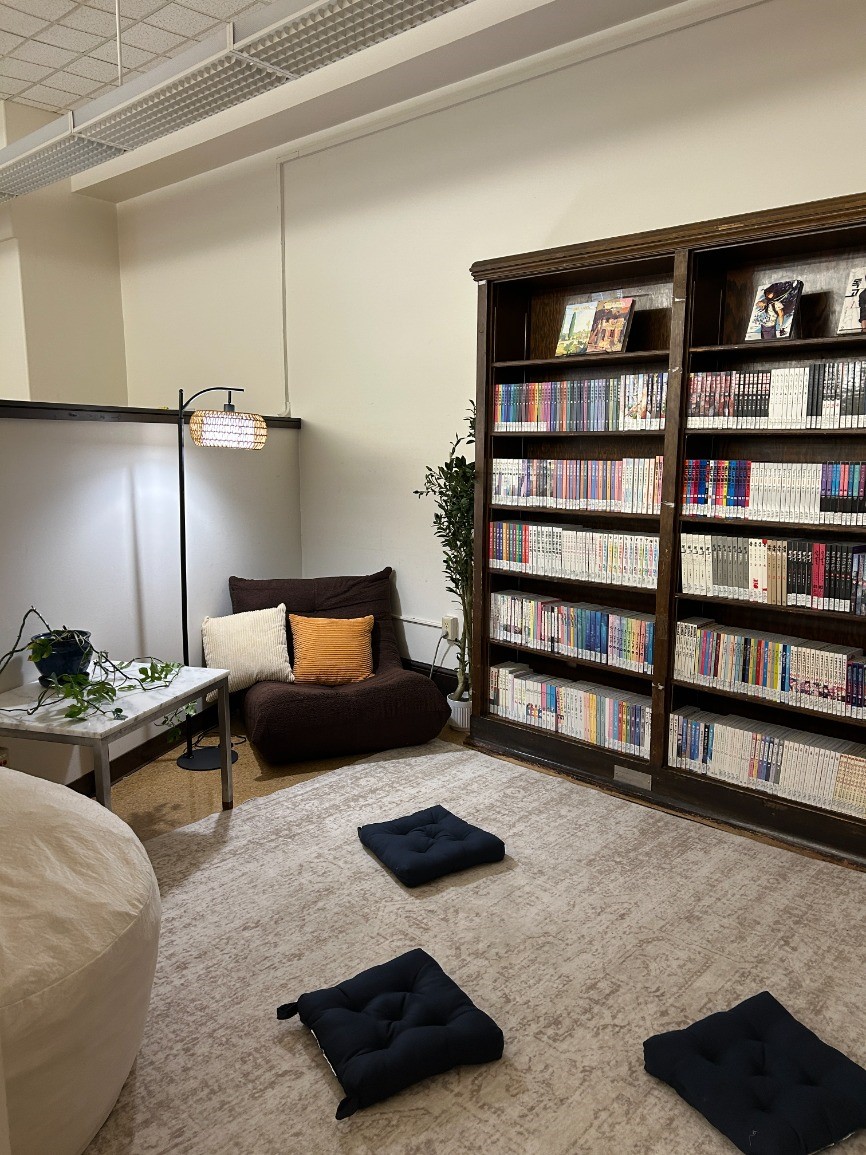
 New Recording Studio!
 On the Gram
 Thursday, Oct 9, 3-5pm – 20th Annual US Constitution Reading
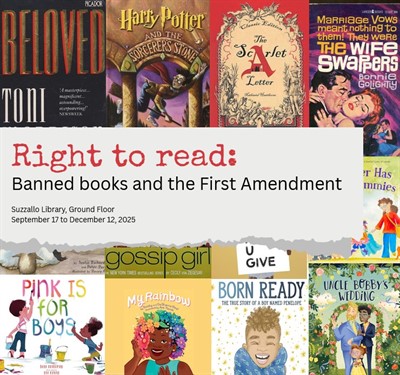 NEW EXHIBIT: Right to Read: Banned books and the First Amendment
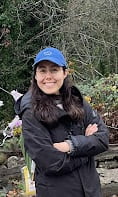 María Fernanda (Fer) Palomares Carranco came to the University of Washington iSchool’s Master of Library and Information Science program with a Bachelor of Arts in Sociology and Mexican American and Latino/a Studies from the University of Texas at Austin. Fer joined the University of Washington Libraries Cataloging and Metadata Services Department for Directed Fieldwork with the goal of making library metadata and related workflows more equitable and accessible.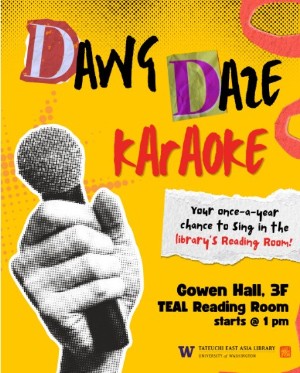
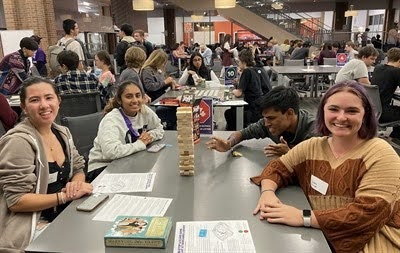

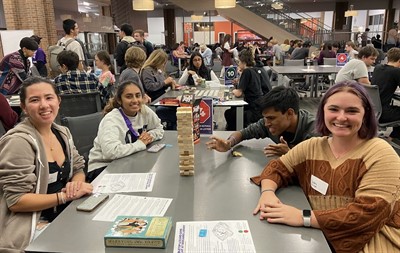


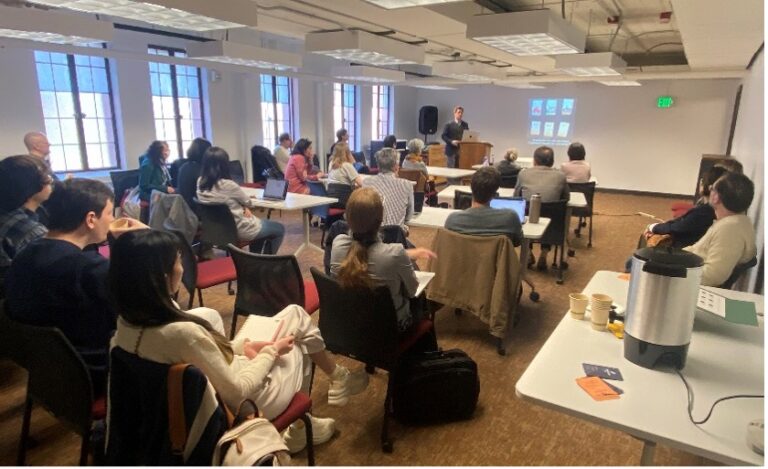
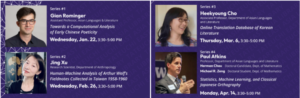
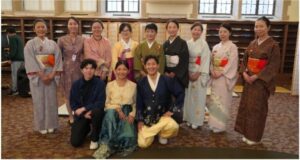
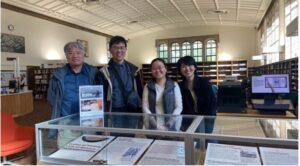
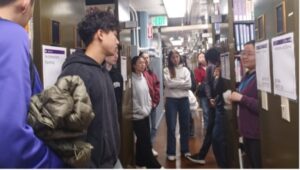
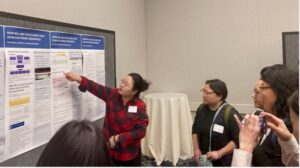
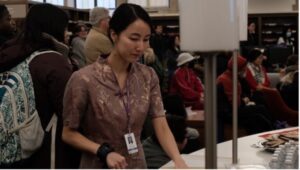
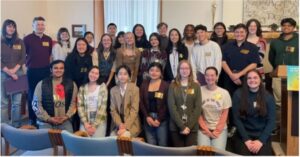
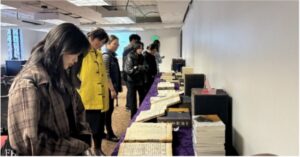
 by Azusa Tanaka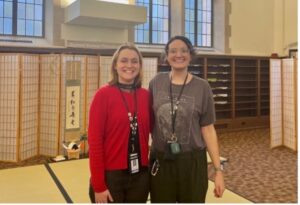
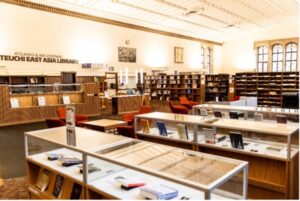
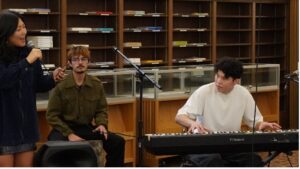
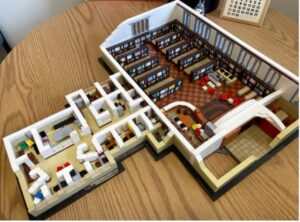
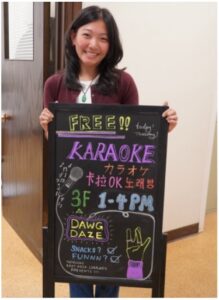
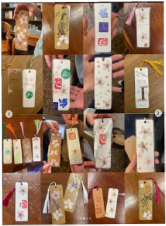
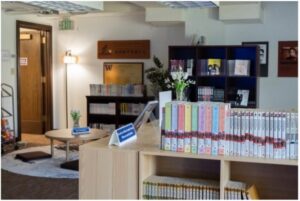
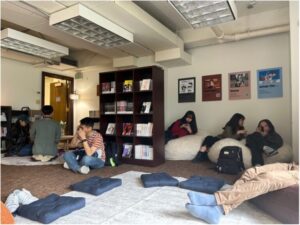
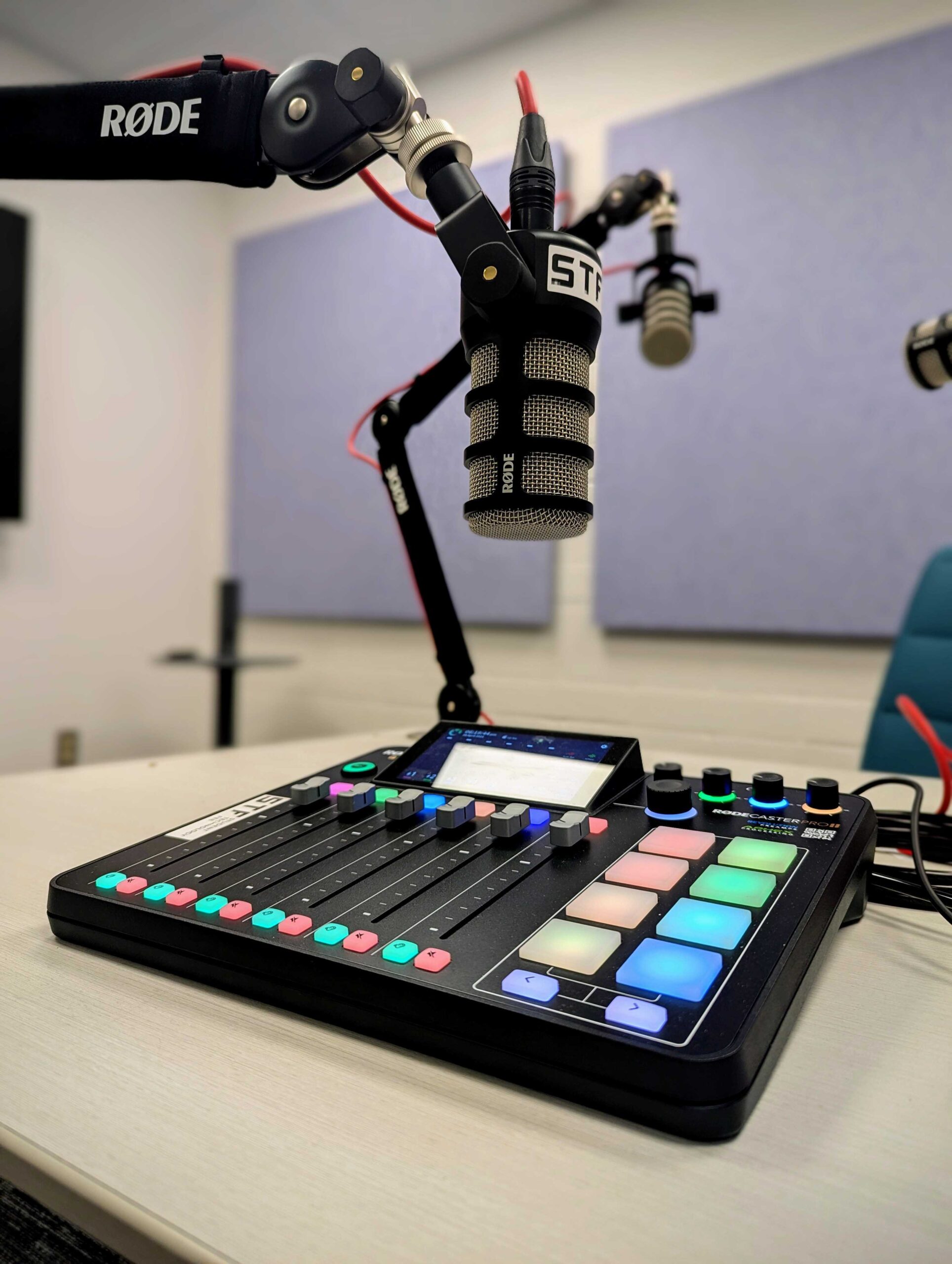
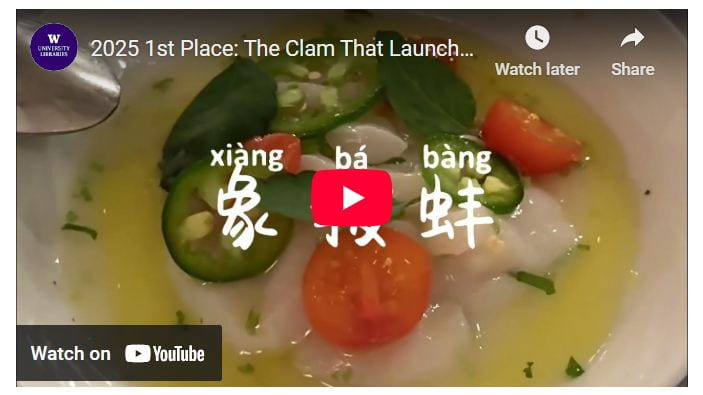
 Preserving UW and Olympic History: Conserving the 1936 Rowing Uniforms: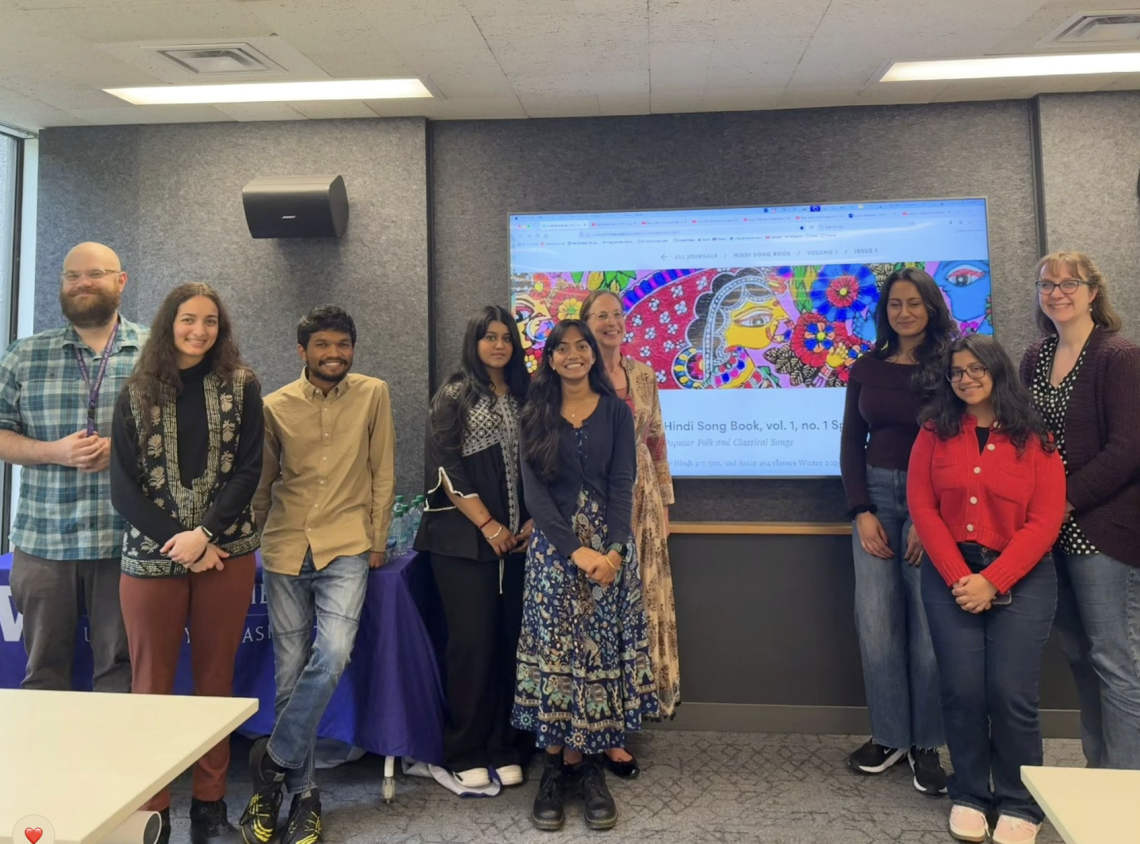
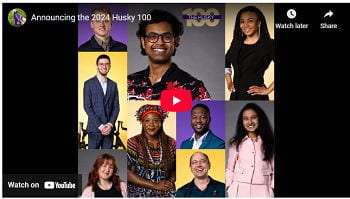


 Mini Exhibit: It’s a Dawg’s Life
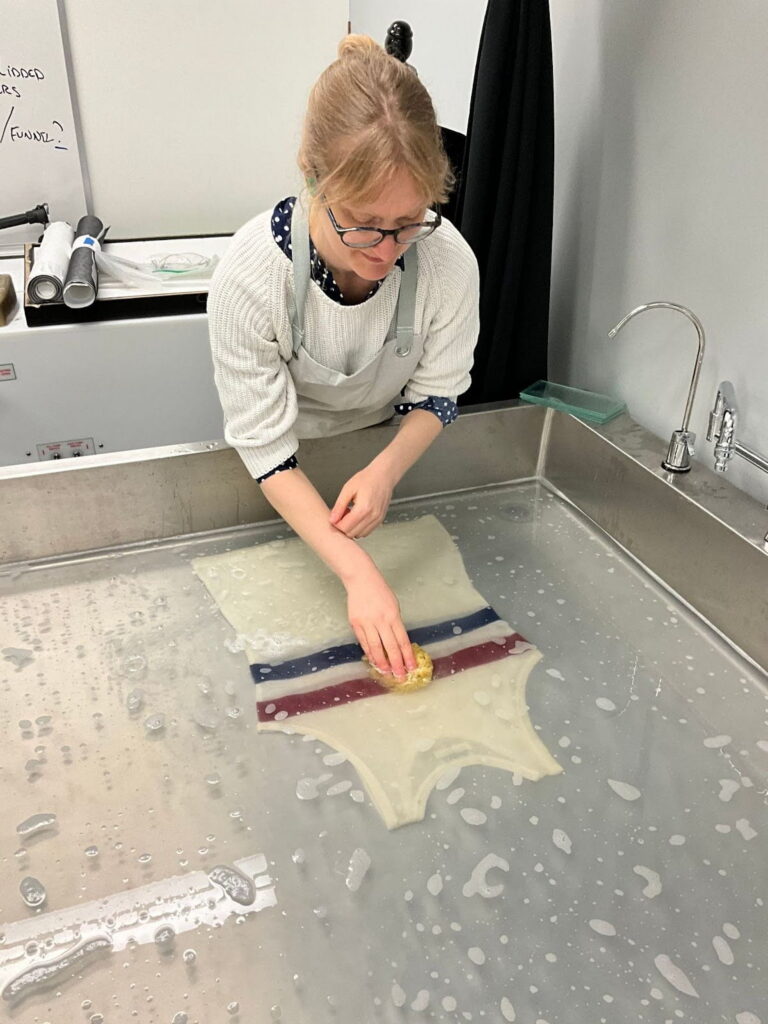
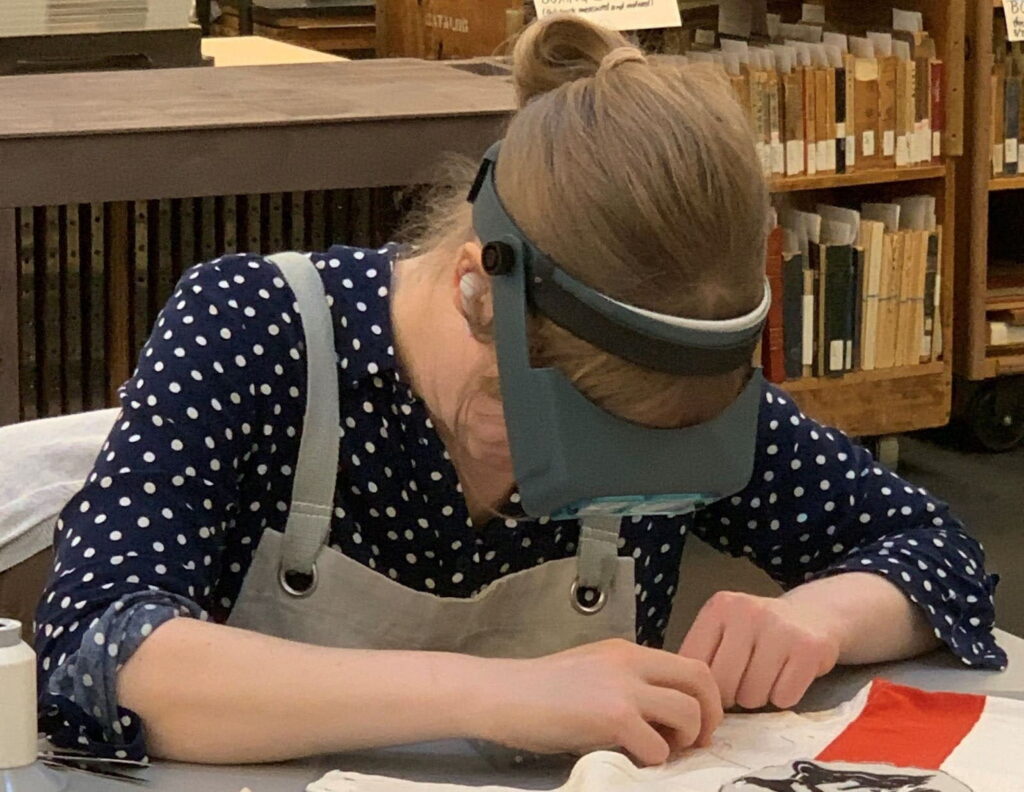
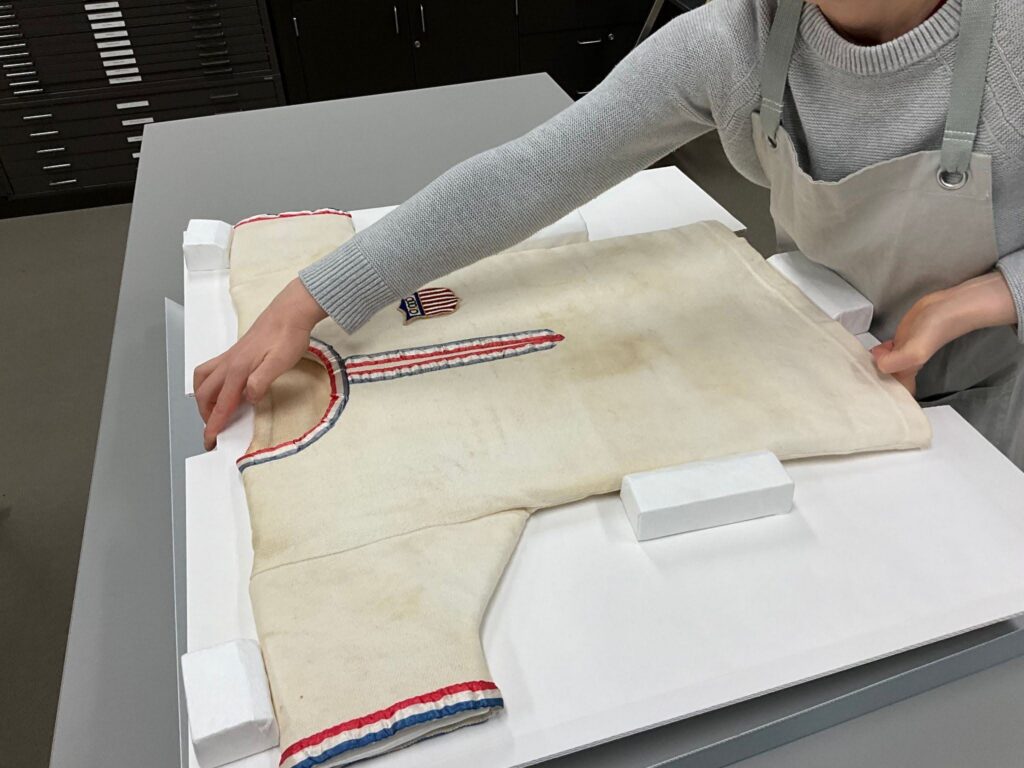
 UW Excellence: UW Libraries’ Adam Schiff, who has been awarded the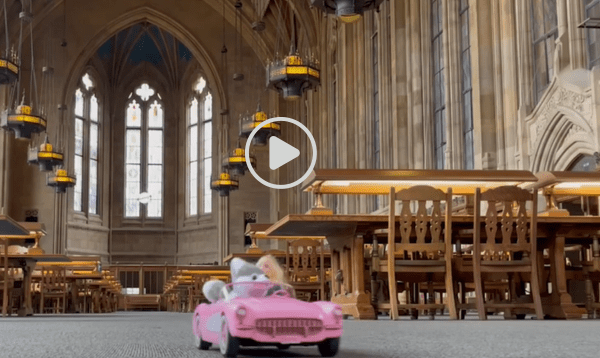

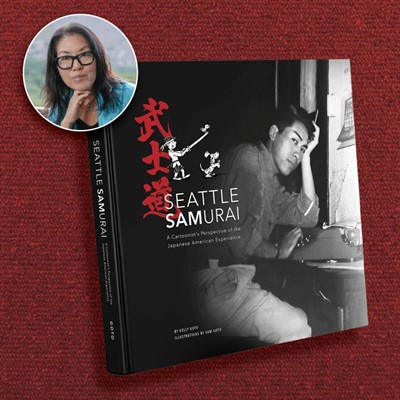 May 28-
  May 20 – 135 Years of Open Access to Federal Government Information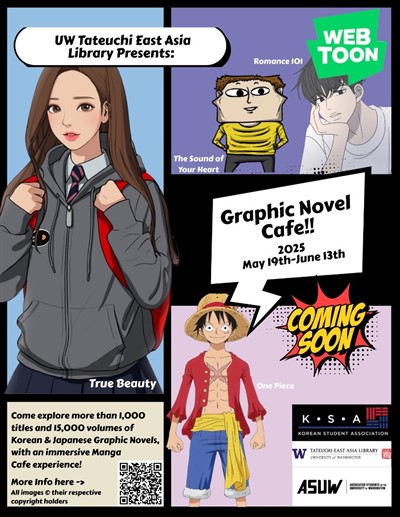
 May 21– Teaching With Large Language Models: Hackathon: Large Language Models (LLMs) have recently been top of mind for many in higher education, and UW has hosted a variety of great talks and events centered on LLMs and teaching. The Teaching With LLMs Hackathon picks up where those events leave off: it provides a good stretch of time where instructors can individually or collectively revise their teaching materials with respect to LLMs.