Skip to content
Stories

Celebrating Fair Use Week 2022

Unpacking the complex rules that govern U.S. copyright.

By UW Librarians Maryam Fakouri and Sally Pine

What is fair use?

Fair Use/Fair Dealing Week logo This week we celebrate fair use, a doctrine of copyright law that facilitates scholarship, journalism, the arts, and innovation. At its core, the ultimate goal of copyright is to enrich the public by “promot[ing] the Progress of Science and useful Arts.” U.S. Const. Art. 1 §8. As an incentive to create works, creators have exclusive rights to their works for a limited time.  When that time has elapsed, works enter the “public domain,” the body of works that no longer belong to anyone and therefore are free for anyone to use.

The criteria for copyright protection in the U.S. are so easy to meet, you may not realize that we create new copyright-protected works on a near daily basis! Moreover,  a lot of what we make is automatically protected by copyright because the requirements for copyright protection in the U.S. are very easy to meet. In addition, copyright protections take a very long time to expire. (As of this writing, works published before 1927 in the U.S. are in the public domain.) Thus, many works are currently protected by copyright and will continue to be protected for many years to come. However, it’s not realistic to expect that students, researchers, critics, and anyone else who engages with creative works draw only from works that are at least 95 years old; that would stifle free speech and innovation.

An essential aspect of fair use is its flexibility; each situation must be evaluated individually. New cases are decided each year in this dynamic and evolving area of law.

Enter fair use, a vital limitation on the exclusive rights of copyright owners. It allows works to be used in certain contexts without formal permission from rights holders. An essential aspect of fair use is its flexibility; each situation must be evaluated individually. New cases are decided each year in this dynamic and evolving area of law. Fair use analyses all begin with this famous language in 17 U.S.C. §107:

[F]air use . . . for purposes such as criticism, comment, news reporting, teaching (including multiple copies for classroom use), scholarship, or research, is not an infringement of copyright. In determining . . . fair use the factors to be considered shall include—

  1. the purpose and character of the use, including whether such use is of a commercial nature or is for nonprofit educational purposes;
  2. the nature of the copyrighted work;
  3. the amount and substantiality of the portion used in relation to the copyrighted work as a whole; and
  4. the effect of the use upon the potential market for or value of the copyrighted work.

While educational and research uses are favored, these uses must still be considered in light of all four factors. Ultimately, only judges decide whether a use is fair use and they explain the reasons for their decisions. To understand how fair use has been interpreted, we can examine some fair use decisions:

In Hosseinzadeh v. Klein (2017), Ethan and Hila Klein created a 14-minute “reaction video” to Hosseinzadeh’s sketch of a man pursuing a woman. The Kleins used about three minutes of Hosseinzadeh’s original five-minute video in their reaction piece.

  1. The Kleins used the clips to illustrate their commentary and critique. This favored fair use.
  2. Hosseinzadeh’s video was fictional. Because creative works are protected more than works that are largely factual, this factor leaned away from fair use.
  3. The third factor was neutral. While the Kleins needed to use portions of the original to make their commentary, they used a considerable amount.
  4. The Kleins transformed Hosseinzadeh’s original video so much that their “reaction video” was not a market substitute for the original.

In Authors Guild v. Google (2015), Google scanned millions of books and made the texts searchable online. Yet Google’s actions were held to be fair.

  1. Google’s purpose was highly transformative. Searchers did word searches to find words in lengthy texts. Word matches were shown in the context of three-line snippets, so researchers could assess whether the word matches met their needs. This tool enabled textual analysis and fact checking in ways that are impossible using physical books. Also, Google’s algorithm permanently hid one tenth of the pages from view and one snippet from each page shown, making it impossible to reconstruct a book. The highly transformative nature of Google’s use outweighed any profit motive Google had for the search tool.
  2. The scanned books were mixed in nature, although predominantly nonfiction. This factor was neutral in the analysis.
  3. Although each book was scanned in its entirety, users could view only snippets of them. Altogether, the snippets revealed a small amount of the texts only after the snippets were painstakingly fit together.
  4. Given the factors above, Google’s use had very little likelihood of market harm for the books it scanned.

For comparison, the use in Brammer v. Violent Hues (2019) was not fair. A company reproduced roughly one half of a photograph on a website to promote a film festival. (It is interesting to note that this decision reversed the lower court’s, which held the use was fair. Judges do not all think alike!)

  1. The photo was used as-is to promote a for-profit film festival.
  2. The photo was a highly creative work as Brammer made several artistic decisions about the composition and the exposure.
  3. The company reproduced roughly one half of the photo, cropping it to show the most dynamic portion of the composition.
  4. The photographer established there was a market for the work by showing that he had licensed it twice in exchange for payment. If other potential clients acted as Violent Hues did, the market for the photo would be harmed.

Tips and Tools

Fair use evaluations require us to slow down and think about our uses of materials in relation to the four factors. We have a growing body of precedents to guide us. In addition, these resources can prompt us to consider important aspects of our desired uses. The tools listed here can help us weigh the four factors in good faith. Please note that they do not provide legal advice.

If you feel your actions extend beyond fair use, you might adjust your actions to strengthen your fair use stance. For example, you might use less of a work than you first envisioned, or you may seek direct permission from a rights holder.

Additional Concerns

Fair use is a vital and evolving area of law, and it is important to acknowledge that it exists within a complex world of rights and technological controls. As technology makes it easy to copy and distribute works, rights holders use legal and technical tools to monitor uses of their works. Licenses detail how copyright-protected works may be used. (As examples, skim the terms of use for Netflix and  Disney+). Meanwhile, bots are used to detect copies of works—even if they may be examples of fair uses. Unfortunately, bots cannot make nuanced evaluations!

Conclusion 

Fair use has been in our federal copyright statute for nearly 50 years, but its history is older. Judges and lawmakers have long recognized the need to balance the rights of copyright holders with the rights of those who would draw upon their works, especially for socially beneficial purposes. It’s not a coincidence that educators, artists, journalists, innovators, and librarians rely on fair use so frequently; we all use copyright-protected works thoughtfully to promote the progress of science and the useful arts, just as the Constitution intends. So happy Fair Use Week 2022!

###

Stories

Libraries in the Classroom: Training Tomorrow’s Library & Information Science Leaders

The UW Information School’s (iSchool) Master of Library and Information Science (MLIS) program, like many other programs, often integrates active practitioner experiences into learning.  UW Libraries are a natural partner on campus, and proximity and local context create many opportunities for collaboration. At the same time, the teaching experience benefits UW Libraries by providing valuable insight into MLIS student needs and perspectives. 

Did you know?

The library science master’s program at the University of Washington is ranked #2 in the U.S.!

Information School | University of Washington

What is an iSchool?

https://ischool.uw.edu/about

“We are passionate about developing, mentoring, and encouraging the next generation of information and library professionals. Working directly with MLIS students is one way we accomplish this,” says Jackie Belanger, Director of Libraries Assessment and Planning. 

In fall 2021, Belanger and Librarian Robin Chin Roemer taught LIS 580: Management of Information Organizations, a required graduate course that covers everything from theories of management to planning, budgeting, communication and how to prepare organizations for change over time. While the course is tailored for the library context, the skills are applicable across disciplines.

“Having the opportunity to engage with students directly in a classroom setting keeps us mindful of and empathetic to the overall experience of students, and to different ways of designing effective learning programs and new types of student resources,” says Chin Roemer.

“Having the opportunity to engage with students directly in a classroom setting keeps us mindful of and empathetic to the overall experience of students, and to different ways of designing effective learning programs and new types of student resources.”

Librarians Emily Keller and Alyssa Deutschler both teach Principles of Information Services (LIS 521), an elective that explores how libraries and other organizations establish information services to serve their user information needs– including virtual reference, outreach, assessment and specialized areas of reference such as genealogy and health information. 

“One of the most interesting points in the class is interrogating the relationship between librarians/library workers and users, and finding ways to establish partnerships, rather than being seen as all-knowing gatekeepers; developing communications skills for clearly understanding needs and navigating the interaction in different modes,” says Keller, who has been teaching the online course for the past nine years.

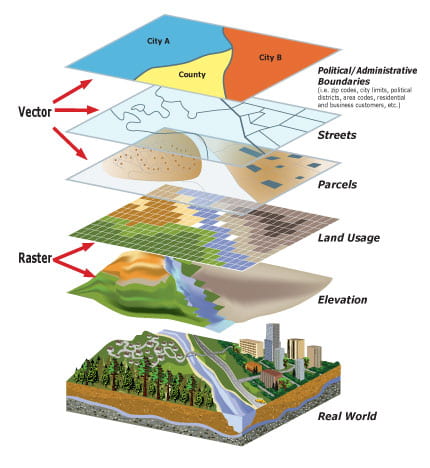
UW Librarian expertise is also sought out by other iSchools across the U.S. For example, Belanger and Chin-Roehmer will conduct a guest lecture at Syracuse University’s iSchool this spring and Matt Parsons and Madison Sullivan are recent guest instructors at San Jose State University, teaching courses on Maps and GIS and Visual Resources Curation and Arts Librarianship respectively.

Since March 2020, UW Librarians and staff have taught over 800 instruction sessions, including Libraries sessions for classes, workshops not affiliated with a particular course, and course credit classes.

In mid-2023, iSchool students and faculty will have even more opportunities for collaboration when the first floor space in Allen Library will be retrofitted to become a home for iSchool programs with strong connections to the academic and public mission of UW Libraries, including the Center for an Informed Public (CIP), the Technology & Social Change Group (TASCHA) and the Distinguished Practitioner in Residence.

For more information on how UW Libraries can support your classes now, or in spring quarter, visit Libraries Teaching and Learning Services and UW Libraries Faculty Guidance.

Faculty and Students – share your story: If you have taken a class from a UW Librarian, or have engaged UW Librarians in helping to teach your class, we would love to hear about your experience and how it benefited your studies and/or teaching! Email us.

Stories

Entanglements: Mapping the History of Asian Migration onto Coast Salish Lands 

UW doctoral candidate Anna Nguyen is an Asian American historian who is passionate about documenting, preserving and sharing the histories of Asian Americans. Through the Simpson Center’s 2021 Mellon Summer Fellowship for Public Projects in the Humanities, Nguyen and fellow UW doctorate candidate Madison Heslop began their collaboration to create Entanglements: Mapping the History of Asian Migration onto Coast Salish Lands

Image: A screenshot of the Entanglement’s interactive counter-map featuring the Bush Hotel which housed the offices of the International District Improvement Association (Inter*im). Throughout the 1970’s,  and through the leadership of Indigenous and Filipino activist Bob Santos, Inter*im played a large role in the revitalization of Seattle’s International District.

Completed in January 2022, Entanglements is a digital counter-mapping project that charts the settler-colonial conditions of Asian migration onto Coast Salish lands by analyzing the intersections between Coast Salish and Asian American histories in Seattle and the central Puget Sound area. UW Libraries talked with Anna Nguyen about this fascinating new digital scholarship project, supported by UW Libraries Open Scholarship Commons*. 

What is countermapping?

Counter-mapping’ is the map-making process whereby communities appropriate the state’s techniques of formal mapping and make their own maps as alternatives to those used by government (Nancy Peluso, 1995). Counter-maps become tools in the broader strategy for advocacy as they articulate community claims for rights over land. In addition to representing geographic information, counter-maps negotiate between central social, cultural and historical notions. (Source: The New Media Lab

Counter-maps can represent psychological as well as physical distances that are rarely linear or uniform. Mapping is eternally linked to stories, and counter-mapping acknowledges the use of more than one knowledge base. It also has the possibility to counter the naïve, sometimes malign, simplicity of state lines. Counter-mapping helps us to give more weight and representation to customs and claims on the land that have traditionally been ignored. (Source).

What was the goal of the project?

The goal of the map was to do place-based history by locating stories in their original landscapes where stories from Coast Salish and Asian American communities most deeply intersect. This goal required us to engage with geography, ecology, and the built environment as well as to develop a sense of historical place–the meanings that past and current residents have assigned to sites–in order to “read” the city as a historical text.

What do you want people to remember or learn through this map?

Entanglements seeks not only to answer the question of how Asian Americans have historically been implicated in furthering colonial logics, reinforcing settler-colonial structures, and justifying dispossession of Native lands in the United States; but also the question of how we might generate new pathways toward further solidarity between Asian American communities and Indigenous nations.

What inspired you to choose this topic?

As an Asian American historian I was interested in doing a counter-mapping project that emphasized the importance of land, labor, and resources in the history of Asian migration to the Puget Sound area, and the different ways that Asian Americans have been harmed by, implicated in, and/or resisted white settler colonialism in the region. I thought Madison was the perfect person to collaborate with on such a project as she is an expert on Pacific Northwest history and is well versed in the Indigenous history of the area. In addition, I knew that Madison had previously worked on similar counter-mapping projects like the amazing “A People’s Landscape: Racism and Resistance at UW.

Ultimately, for both of us this project was also a way to actively acknowledge the claim and stewardship of Coast Salish peoples–past and present–over the land. 

How did you create it?

We used Omeka and Neatline, platforms available through the UW Libraries.  The platforms were intimidating at first, but did not require specialized technical knowledge to use. Verletta Kern, the Digital Scholarship Librarian, helped us talk through our options in terms of mapping platforms that can be supported by UW Libraries, options for hosting, and how best to navigate permissions for reuse for some digital images from UW Libraries Special Collections.  

How do UW Libraries make digital scholarship projects like Entanglements possible? 

While we receive funding through fellowships and other programs, the Libraries provide personal instruction and training that is really important for researchers to do this type of digital scholarship work.  Before this project, I didn’t realize how much UW Libraries is committed to digital and public scholarship. The Open Scholarship Commons’* mission is closely aligned with our own philosophy on public digital history, so it seemed like a good place to start in terms of learning more about how the Libraries could support this work.  At the same time, the staff at the Libraries are also really open to listening to us about how best to support this work. I had some great discussions with the Research Commons Librarians Elliott Stevens and Senior Online Learning Support Manager Perry Yee on different ways to teach Omeka and Neatline to UW students. 

“While we receive funding through fellowships and other programs, the Libraries provide personal instruction and training that is really important for researchers to do this type of digital scholarship work.” 

How are you sharing this work, and what has been the response so far?

We worked with several local museums and archives to gather resources and feedback. They have been very supportive in sharing the project with their networks through social media. We hope that through stories like this and other forums that showcase digital scholarship at UW, more people will see the project and gain an understanding of our shared histories as they relate to place and our broader UW community. 

Anna Nguyen is graduating in spring 2023 and Madison will graduate spring 2022 with the completion of their doctorates in history. 

*What is the Open Scholarship Commons?

UW Libraries Open Scholarship Commons (OSC), operating virtually for now, provides a hub for cross-disciplinary knowledge creation and dissemination– supporting you in using digital tools to openly share your research and safely integrating new digital pedagogy techniques into your classroom.   

We encourage you to explore OSC services and upcoming events on our website, including our OSC project page with many examples of how the OSC team is supporting open digital scholarship projects across UW. 

Learn more about the UW Libraries Open Scholarship Commons

###

Stories

February Update

Welcome back to campus, Huskies (again)! 🙂 

Read on for more details on these and many other Libraries events and resources!

Operations Updates 

  • Special Collections has re-opened in-person appointments and the virtual reading room is still available for online viewing. All services by appointment only.
  • Masks: Masks are available at all public service desks for individual use. The Libraries is one of several centralized distribution points on campus intended to supply masks for individual use only and are not stocked to supply masks in bulk for other units, labs, or classrooms. Per UW Covid Information and Campus Operations guidance, UW units needing supplies of masks should purchase those and other PPE from the UW Clean and Safe Storefront via a budget number. Thank you for your cooperation.
  • Stay informed: The best source for Libraries status and operational changes is the Libraries Operations Update Page.

News and Stories

“The co-teaching work of our Librarians demonstrates how generative the research process itself can be, not only for students’ individual projects, but also for thinking about how interdisciplinary work contributes to academic and public conversations”       – Nick Barr, UW Department of Comparative History of Ideas

In the Classroom with Libraries: Arts and Humanities:  Go beyond the desk (the information desk, that is) and see how UW Librarians work collaboratively with instructors in the arts and humanities.

#IHeartUWLibraries Student Video Contest is back! #IHeartUWLibraries student video contest is an opportunity to showcase your creative talents AND win up to $1,500! With a new Tik Tok category, this year’s submissions will be the most sharable yet! The deadline for submission is Sunday March 27th.  Get inspired by the work of past winners and Learn more. 

Featured Resources, Collections
Black Thought & Culture: Celebrate Black History Month by delving into the nonfiction work of notable African Americans from Frederick Douglass and W.E.B. Du Bois to Angela Davis and Amiri Baraka. The Black Panther Newspaper and oral histories of Black Panther members are a special highlight of this resource brought to you by the UW Libraries. Additional relevant online resources can be found on the African American History Research Guide.

Workshops and Events

UW Theses and Dissertations – Tuesday, Feb. 15

For many students, the thesis or dissertation represents one of their first forays into publicly disseminating the products of their scholarship. This webinar will give an overview of the copyright and publishing issues students should consider, and demonstrate how their decisions are reflected in the ETDAdministrator system. It will offer the opportunity for students to think through their options for how and when to share their work, and to ask questions about the process. Learn more.

Recurring Workshops, Drop-In Help Hours 

Community and Reading Groups

  • Open Writing Circles Tuesdays: virtual weekly meetings offering 90 minutes of quiet writing time and community with fellow writers from across campus, every Tuesday! Learn More.
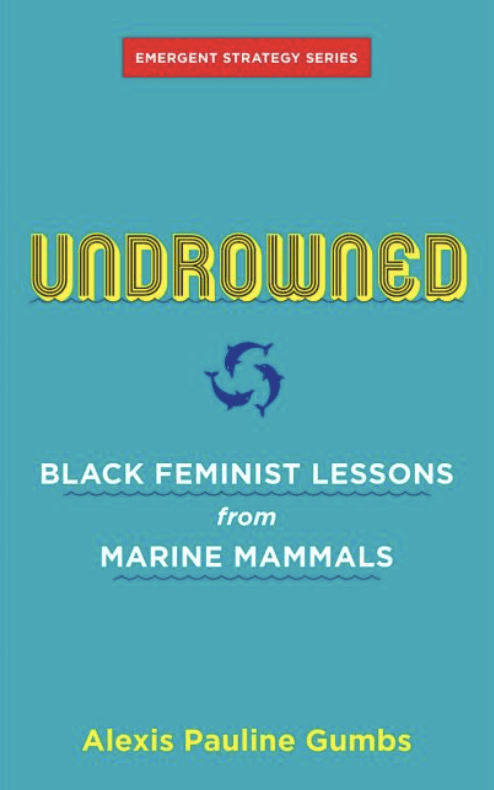
  • Community Reads is an annual program designed to build community and connection through collective group reading and reflecting experiences.  The program is hosted by UW Bothell/Cascadia College Library, and is open to all. This year’s chosen book is Undrowned by Alexis Pauline Gumbs.
  • Tadoku – Japanese Reading Club! Open to UW students who are currently enrolled in Japanese language class, this weekly reading club meets in the Tateuchi East Asia Library Seminar room on Fridays from 2:00-3:00 pm.

Exhibits and Displays

Need a study break? Take a walk around Suzzallo Library to see these fun displays that are sure to entertain, and maybe even cure your writer’s block!

National Day Displays: Located in Government Publications, Maps, Microforms & Newspapers (GMM)on the ground floor of the Suzzallo Library: 

Public Domain Day: See this collection of books, films, and music that entered the public domain on 1/1/2022!
Adopted by the United Nations General Assembly in 2012 as an international day– World Radio Day is February 13, 2022
“Look and Find” – Match this collection of objects with the corresponding list representing the many national holidays, and observances we can  celebrate this quarter–from the formal to the far-fetched!


There’s Always Chocolate: “There’s Always Chocolate” in the Allen Library North case features vintage Valentine’s cards, books and ephemera about chocolate and more, the exhibit is a light-hearted, colorful display dedicated to February’s favorite treat. Curated by Graduate Reference Assistant Cali Vance.


Exhibit: The Pacific Northwest in the ‘70s: Groove through the ‘70s in this exhibit of photos, ephemera, and publications from the University of Washington Libraries Special Collections. Each quarter will feature different aspects of the pivotal decade that brought the end of the postwar economic boom, an increase in social progressive values, greater political awareness and expanding liberties for women. This quarter’s theme Keep on Truckin’ focuses on the industries and entertainment made famous during the 70s. 

Missed it?

There’s still time to see these fascinating exhibits!

‘And Then She Said: Voices of Feminists Past and Present’: A celebration of feminist collaboration. This recent story from The Daily explores a hidden gem in the basement of UW Suzzallo Library: an exhibit in UW Libraries Special Collections highlighting the work of Dead Feminists, a collaborative project between local artists that brings the words of historical women to life through vibrant and detailed prints paired with short, written reflections from staff, student workers, and volunteers. Make an appointment to visit the exhibit. 


EXTENDED: Climate Justice for All — Now on view in the Allen Library North Lobby through through Feb 23, 2022, this in-depth exhibit explores the effects of climate change on disadvantaged populations and communities of color and highlights solutions through an equity lens. 


###


Stories

In the Classroom with UW Libraries: Arts and Humanities

Picture yourself in class (or a Zoom room), being led through an immersive imagination exercise, using sense memory to explore questions related to the history and context of a particular object or place. Your instructor is an expert in history, humanities, information science and archiving. Your instructor is a UW Librarian! 

Image: Librarian Deb Raftus at the Allen Library information desk is  part of the Libraries’ arts and humanities teaching team.

While we may typically think of Librarians working behind a reference desk on campus or answering questions online, many UW Librarians are often found outside the Library, teaching in the classroom!  Be it virtual or in person, librarians teach full quarter courses in the iSchool as well as dedicated instruction sessions in many other courses across disciplines.  UW Librarians teach courses that not only prepare students for careers in information sciences, but also build core competencies around research skills and management that are essential for all students throughout their academic careers and beyond. 

In Comparative History of Ideas (CHID) 491 Senior Thesis, arts and humanities librarians teach collaboratively with MLIS graduate student workers to help students build skills and a framework for their capstone projects. Students learn how to use critical research tools like Zotero citation manager, create search strategies like keyword mapping and learn about the many resources available at UW Libraries. 

“Students regularly comment that the visual nature of keyword mapping helps them make new connections between concepts, and aids in brainstorming new terms,”  says  Librarian Deb Raftus.

The UW Librarian arts and humanities teaching team has been working consistently with CHID instructors Annie Dwyer and Nick Barr for several years, building on Librarian Theresa Mudrock‘s long-standing relationship with the department and creative co-teaching experience.

Engage UW Librarians  in your class!

UW librarians offer support for instructors and students across all three UW campuses, :

  • Subject librarians teach class sessions tailored to students’ research needs and specific instructor requests.
  • Canvas modules are available to help students build essential research skills and succeed with key assignments.
  • Consultations are easy to schedule online with subject librarians who specialize in research within your discipline.

Questions? Contact us by email, chat, and more.

 “Working with the UW Librarians is an exhilarating opportunity for students to experience the intersection of a close-knit, undergraduate-focused department with the resources of a major research institution, says Barr.  “In addition to UW’s vast holdings (physical and digital), students discover that the Librarians themselves provide invaluable guidance in navigating the sea of information effectively and in using research tools to further refine their nascent projects. The co-teaching work of our Librarians demonstrates how generative the research process itself can be, not only for students’ individual projects, but also for thinking about how interdisciplinary work contributes to academic and public conversations.”  

“The co-teaching work of our Librarians demonstrates how generative the research process itself can be, not only for students’ individual projects, but also for thinking about how interdisciplinary work contributes to academic and public conversations.”

After the in-class workshops, Librarians continue to consult with students in subsequent quarters as they continue their work, culminating in a unique array of interdisciplinary final projects such as fine art compositions, crafted manifestos or public scholarship projects such as podcasts, websites, public health campaigns.

“UW Librarians, including UW Libraries graduate student staff, have gone above and beyond, creating online modules to help students delve deeply into all the libraries have to offer, and further, adapting their teaching adeptly during the Covid-19 pandemic to support students’ researching challenges during this time,” says instructor Annie Dwyer.  In course evaluations, students regularly comment on how helpful the library workshop day has been to their research, and often relay that meeting with subject libraries outside of class played a critical role in project “breakthroughs” as well. I feel so lucky to be able to partner with UW librarians in this way.”

…”students regularly comment on how helpful the library workshop day has been to their research, and often relay that meeting with subject libraries outside of class played a critical role in project “breakthroughs” as well. I feel so lucky to be able to partner with UW librarians in this way.”

“They (CHID instructors) are such inspiring, innovative educators who not only get the students excited but also inspire us (the librarians) as well,” says Librarian Elliott Stevens of Dwyer and Barr.  “With the benefit of time, we’ve been able to learn from our experience in the same class, adapt our lesson plans, and expand our teaching team to bring different perspectives and opportunities for collaboration within our team;  it has been a very positive, mutually beneficial partnership,” says Stevens.

At UW Bothell, Research and Instruction Librarian Dani Rowland teaches Interdisciplinary Inquiry (BIS 300) in the School of Interdisciplinary Arts and Sciences, referenced in the beginning of this story. The first of two teaching sessions focus on archives– exploring different types, diversity of materials and identifying audiences, in support of a quarter-long assignment in which students build a “rapid response collection.” Rowland enjoys employing techniques like sense memory to engage students’ imaginations and to offer different perspectives on what archives can be. 

“This is one of my favorite classes to work with because it’s all about asking and developing questions, which I love,” says Rowland. When students share their experiences with archives, they often learn things about their classmates’ personal histories and it helps build classroom community. Students are often surprised to learn about archives’ connections to libraries, having mostly experienced them in other contexts.”

Since March 2020, UW Librarians and staff have taught over 800 instruction sessions, including Libraries sessions for classes, workshops not affiliated with a particular course, and course credit classes.

For more information on how UW Libraries can support your classes now, or in spring quarter, visit Libraries Teaching and Learning Services and UW LibrariesFaculty Guidance.

Faculty and Students – share your story: If you have taken a class from a UW Librarian, or have engaged UW Librarians in helping to teach your class, we would love to hear about your experience and how it benefited your studies and/or teaching! Email us.

###

Stories

January Update

Happy New Year, Huskies!

We are happy to welcome our UW Community back from break! At this time, the Libraries plans to proceed with planned, expanded  hours for winter quarter as noted below and on our website; however, these plans are subject to change pending the evolving public health status, new protocols and/or staff availability.

Rescheduled: Our first Wednesday concert series for January (in Allen Library lobby) has been rescheduled to Wednesday,  January 19th. See calendar for information.

Services  

  • New hours for winter quarter!  Libraries will expand hours nights and weekends for some libraries. Check out the new hours.
  • Libraries help is available online anytime/anywhere! Whether you are on or off campus, #YourUWLibrary can answer your questions and offer help with research, writing, digital scholarship, publishing and more. Learn more. 
  • Special Collections Virtual Reading Room: Can’t make it to campus to view materials in Special Collections? Check out the popular virtual reading room! Learn more.
  • Stay informed: The best source for Libraries status and operational changes is Libraries Operations Update Page.

News and Stories

Community Reads Winter Quarter

Community Reads fall quarter gallery shares participant reflections on the themes of self-care, breath, and reflection. See also “Exhibits” below.

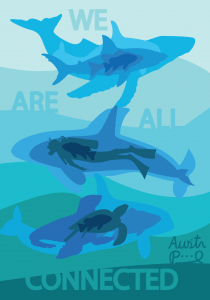
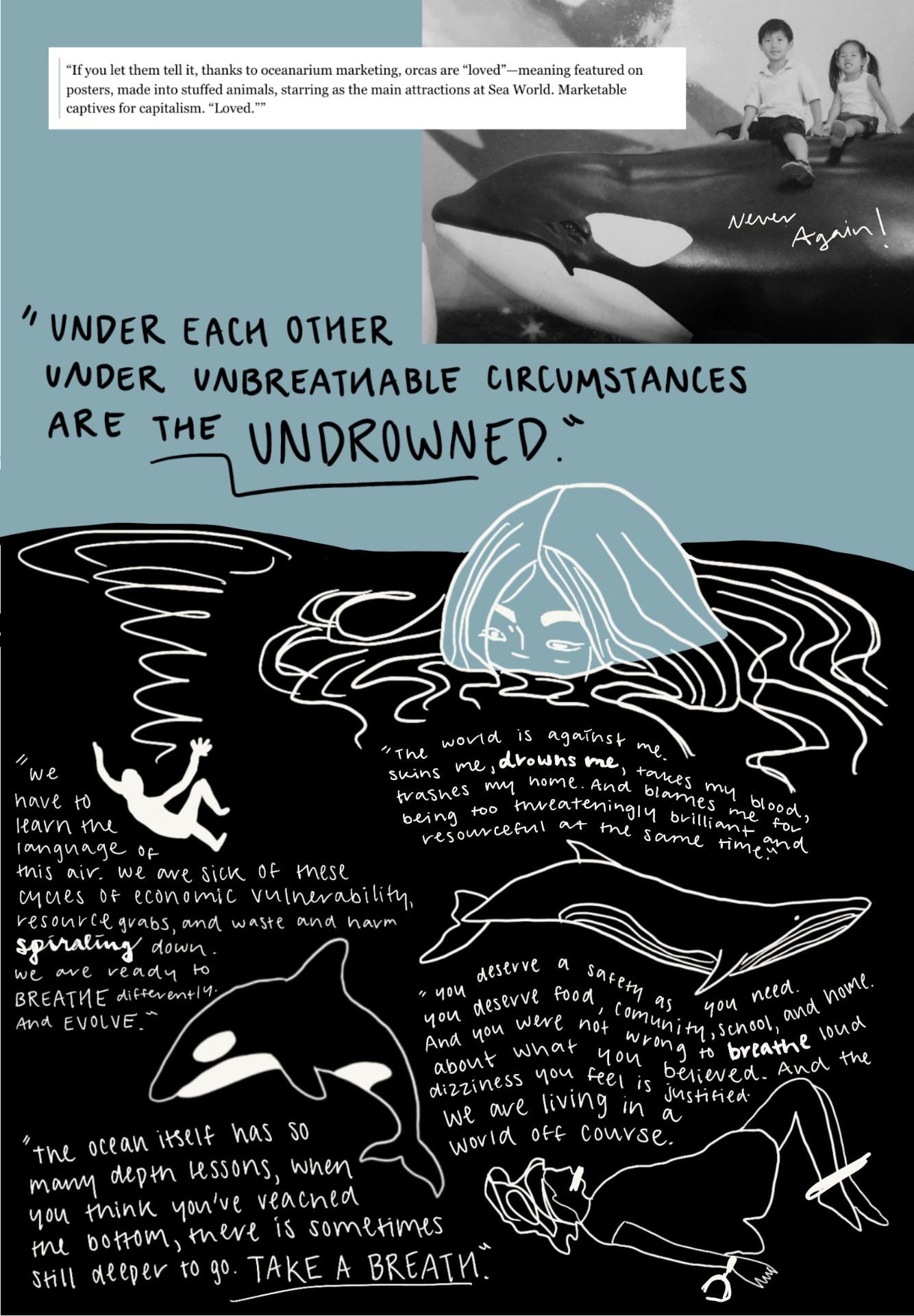
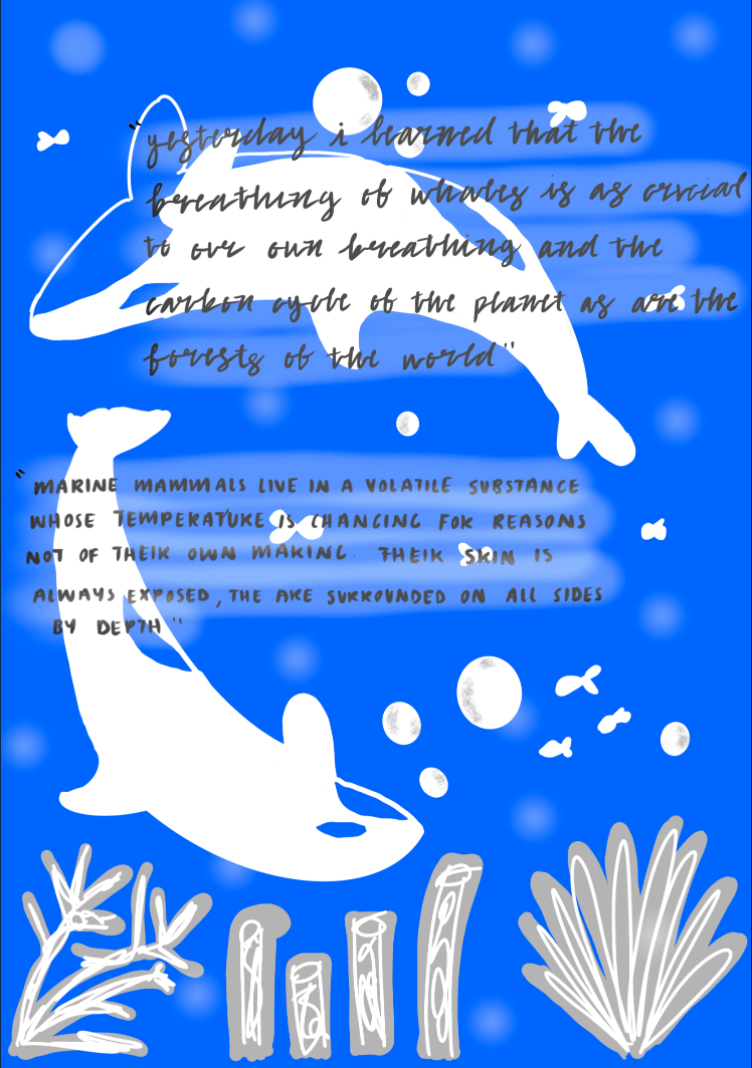
Community Reads is an annual program designed to build community and connection through collective group reading and reflecting experiences.  The program is hosted by UW Bothell/Cascadia College Library, and is open to all. Participants can join anytime.  This year’s chosen book is Undrowned by Alexis Pauline Gumbs, a collection of meditations inspired by marine mammals, to seek ways we can all breathe easier, individually and together. Each quarter focuses on different categories of the theme wellbeing, guided by different meditations from within the book resulting in a collective online community art piece showcasing art, poetry and other expressions on the theme. Winter quarter’s theme is community care and support. Join Community Reads/ Learn more.

Our 2021-2022 programming is meant to support reflection, process, and well-being through activities guided by the reading. Instead of gathering in person, we hope to build community through sharing creations born of a common reading experience.

Denae Ford Robinson

Faculty Feature: Denae Ford Robinson

Denae Ford Robinson is an Affiliate Assistant Professor of Human Centered Design and Engineering (HCDE) and Senior Researcher at Microsoft Research. Learn more about her research and building connections with the UW community.

New Accessibility Toolkits at UW Libraries

The University of Washington Libraries Accessibility Working Group is pleased to share that new accessibility tools are now available to improve equity of access to library resources and services for users with disabilities. Learn more.

Featured Resources, Collections

Hidden Gems (surprising and amazing Libraries resources and collections): Underground and Independent Comics 

Underground and Independent Comics brought to you by UW Libraries offers thousands of comics—many extremely rare and hard to find—in one, easy-to-use online collection. Search over 200,000 pages of original material with accompanying interviews, commentary, criticism, and other supporting materials. View major works from North America and Europe, beginning with the first underground comix from the 1950s and continuing through to modern sequential artists.

Updated 2022 Guidance and FAQs for Faculty and Students

The UW Libraries Student FAQ and Faculty Guidance provide a comprehensive overview of new and existing Libraries services and resources that are especially helpful for new Huskies.

Workshops and Events

Winter Welcome!

Whether this is your first quarter at UW, or you just want to learn more about the Libraries, we’ve got you covered with these events and resources designed specifically for first year students, including transfer students.

Events

Recurring Workshops  

Exhibits


Inspired by the chapter “breathe” in Alexis Pauline Gumbs’ book, Undrowned. Created and submitted by Ellen Allen through the Community Reads fall quarter reflections.

Digital Gallery – Wellbeing, A Community Reflection: Community Reads fall quarter gallery showcases beautiful, inspiring and emotional artwork, poetry and expressions on the fall quarter themes self-care, breath, and reflection based on this year’s book:  Undrowned by Alexis Pauline Gumbs, a collection of meditations inspired by marine mammals, to seek ways we can all breathe easier, individually and together. View the gallery, and learn more about Community Reads.

photo of climate protestors
an image from the Climate Justice Exhibit in Allen Library

New Exhibit: Climate Justice for All — on view in the Allen Library North Lobby through January 31st, this new exhibit explores the effects of climate change on disadvantaged populations and communities of color and highlights solutions through an equity lens. 

And Then She Said: Voices of Feminists Past and Present was sown from The Dead Feminists series, a collaboration between local artists Chandler O’Leary and Jessica Spring in the form of a collection of 31 broadsides elevating voices of women throughout history. Viewing is currently by appointment only. Use our Contact Us form to schedule a visit! Learn more. 

The Pacific Northwest in the ‘70s Groove through the ‘70s in this exhibit of photos, ephemera, and publications from the University of Washington Libraries Special Collections. Each quarter will feature different aspects of the pivotal decade that brought the end of the postwar economic boom, an increase in social progressive values, greater political awareness and expanding liberties for women. Learn more.

###

Stories

UW Libraries Winter Welcome! 

Did you know? The Reading Room in Suzzallo Library is often listed as one of the world’s most beautiful library spaces.

Welcome to winter quarter Huskies! UW Libraries is so excited to encourage new and returning students to learn how we can help you succeed at UW.  If this is your first quarter at UW, or you just want to learn more about the Libraries, we’ve got you covered with these events and resources listed below. Events are held in partnership with UW First-Year Programs’ Winter Welcome and are also listed on the main UW Libraries calendar.  To get the latest announcements about Libraries’ hours, workshops, news, and more, be sure to follow us on social media, and/or subscribe to our blog (see sign-up to the right).

Journey Through the UW Libraries: Self-Guided Tour (Hybrid) + gift card drawing! — January 3- January 22

Explore UW Libraries’ spaces, services, and resources via this virtual or in-person self-guided tour. Visit popular UW Libraries including Odegaard Undergraduate Library and Suzzallo & Allen Libraries and learn about library resources and services available to UW students. Complete the tour and enter yourself into a drawing for a $20 e-gift card.

Transfer Students: Welcome to UW Libraries (Online via Zoom)– Wednesday, January 12, 4:30-5:30 PM PST

Attend our virtual library orientation specifically aimed at transfer students to find out how the UW Libraries can help you succeed at UW. We’ll show you how to connect online, find course materials, start your research, and more! In addition, you’ll have a chance to meet other students and ask any questions you might have. Student attendees will be entered into a drawing for a $20 e-gift card.

Top Ten Things I Wish I Knew My First Year

This is a great blog post to bookmark and return to when you are starting a new research and writing assignment.  Save yourself some time (and stress) by getting to know these super helpful tips and resources!

UW Libraries Student Frequently Asked Questions (FAQ)

This FAQ, updated quarterly,  provides a quick summary of answers to common student questions about the Libraries, access to resources and current guidance on operations (hours, safety protocols, etc.), course reserves, and more.

Stories

Celebrating a Win for Equity!

The University of Washington Libraries Accessibility Working Group is pleased to share that accessibility tools are now available to improve equity of access to library resources and services for users with disabilities. Many thanks to the Friends of the Libraries for making this possible with their generous contribution!

Fourteen libraries now have an accessibility toolkit with valuable resources for on-site use, including:

LapboardsImage of a lapboard

Lapboards can be placed on the lap or across the arms of a wheelchair or mobility scooter. Lapboards effectively provide a desktop space for a mouse and keyboard (or laptop) while improving reach and comfort for individuals with whom using a standard desk is impractical.

Large-type, high contrast keyboardsImage of a large print keyboard

The large-type, high-contrast keyboards assist individuals with low vision by reducing eye strain while making their time more productive and enjoyable. These keyboards make typing easier for those lacking fine motor skills by eliminating multi-function key necessity and larger key size. Currently, there are only 5 available keyboards at select locations. However, due to a generous donation from a few individual board members keyboards will be available in all the toolkits in early 2022.

Image of a pocket hearing loop

Pocket-hearing loop

Individuals who use hearing aids or telecoil-equipped cochlear implants may struggle with noise, feedback, or speech comprehension. Pocket loops are like a “headset”, and any device that can be used with a headset may be used with this device to assist in improving one-on-one communications. Each kit contains one pocket hearing loop to help facilitate communication in the library.

Image of a magnifying bar

Wide 2x magnifier bars 

These magnifiers can be used to scan over pages of writing and enhance the size of text to help reduce eye strain caused by small print.

Trackball miceImage of Trackball Mice 

Trackball mice are highly useful tools to help those with dexterity and fine motor skill impairments, including carpal tunnel syndrome or arthritis. This mouse allows people to use differing or less muscles in their hands and wrists.

Disposable noise-reduction earplugs  Image of disposable earplugs

Disposable earplugs are useful for those with cognitive or learning disabilities. Earplugs allow for more focused concentration in spaces with additional noise.

These items were selected after consulting with both the UW Disability Resources for Students office and the Seattle Public Library, to identify which pieces of equipment would provide the best options for library users. Having the opportunity to place accessibility toolkits in these locations improves the quality of the student, faculty, staff, and visitor learning experience across the Libraries — no matter where they choose to work, resources will be available.

Further details are available on the Accessibility at the Libraries: Technology webpage. Please also feel free to bookmark that webpage to stay up to date with the Accessibility Working Group’s news and initiatives to improve equity of access to information, services, and resources.

Stories

Faculty Feature: Denae Ford Robinson

Denae Ford Robinson

Denae Ford Robinson is an Affiliate Assistant Professor of Human Centered Design and Engineering (HCDE) and Senior Researcher at Microsoft Research. Her research focuses on cognitive and social barriers to participation in online socio-technical ecosystems. She is best known for her research on just-in-time mentorship as a mode to empower welcoming engagement in collaborative Q&A for online programming communities including open-source software and work to empower marginalized software developers in online communities. She received her Ph.D. in Computer Science from North Carolina State University and has been a member of the UW community since 2019.

What is a socio-technical ecosystem and what are some of the ways your work addresses barriers to participation in these ecosystems?

​​The term socio-technical ecosystem is a system where both social and technical communication become essential to professional work. This term has been adapted to “ecosystem” from “system” as the sustainability of the community relies on reinforcement of consistent social and technical dialogue from members. What makes these communities an ecosystem is the many types of members, how their actions can impact each other, and how they develop niches. These factors also present four fundamental problems of socio-technical ecosystems: architecture, business opportunities, coordination, and governance. In my work I tackle the issues of architecture and governance to increase participation in online programming communities.

My work addresses barriers by understanding the status of community member participation, diving deep into what approaches some are taking to overcome those challenges, and finally using what I learned helps some to determine what can be built as embedded interventions.

How did you first become interested in this area of study?

I first became interested in this area from my early research as an undergraduate understanding how people learned to code. At the time my research mentor was using multimodal interactions to measure how novices to software development were getting stuck with new programming concepts and overcoming them. This work launched my interest into how people not only learn to code but how they overcome barriers to continue their journey into software development with a community of others. These interests launched me into my PhD in Computer Science program at North Carolina State University and later my graduate minor in Cognitive Science where I investigated how the dynamics of communities of practice can be used as support networks for software developers and other knowledge workers..

What do you hope to achieve through your research/teaching?

My goals are to continue executing and contributing to research that supports the next generation of software developers. While at UW, I am focused on deepening interactions with my HCDE department and building meaningful connections with students.

What is one “little known” fact or interesting aspect of your work that you think people may find surprising or unexpected?

A little known fact that people may not know about me is that I am fascinated by the final frontier of the human mind. More specifically, I am interested in how cognition impacts how software developers work. I was so interested that I made it my mission to pursue a Graduate Minor in Cognitive Science back in my PhD. Although I have not been able to investigate research questions in this area lately, I have a plethora of research questions unpacking how people share their technical knowledge (which can include sharing how they wrote code or came to a technical decision) by measuring brain activity. 

What are some examples of your research/ what aspects of your work are you most excited about right now?

A  project that I have previously kept close to my chest is the project centered around how Black (and ally) technologists have been building tools to support the Black Lived Experience. This fits into a broader theme of my work of supporting the Next Generation of Software Developers—which includes developers who have a keen interest in using their technical skills to support a greater good.

This project presents an opportunity to support and highlight the Black software developers and technologists doing amazing work to create, curate, or build for the Black community—despite the fact that it is not their job to build these systems. I talked a bit about this critical perspective in the ACM Interactions article on Designing for the Black Experience.

More on the Tech 4 Black Lives project can be found here: https://go.gmu.edu/Tech4BlackLives 

How does the UW Community support your work/research? What has been most helpful?

The UW community has been supportive of my research by being a helpful community of collaborators. I have found that giving lectures in my colleagues’ courses, participating in research meetings, and pitching research ideas has been helpful in executing my research agenda and identifying collaborators.

How do the UW Libraries support your research?

Visibility of research, even in its early stages, can be valuable for gaining collaborators and also putting yourself out there.  By highlighting my research in this interview and other’s work across disciplines, the Libraries is helping to increase visibility of our research. The Libraries also conducts its own research (i.e. Library Impact Research Report: Understanding and Communicating Research Impact: The Needs of STEM and Health Sciences Faculty and Postdoctoral Researchers) and programs specifically focused on helping researchers increase visibility of their work including Libraries Research Data Services, Open Scholarship Commons with tools and training to support researchers at all stages of the research cycle, especially helpful to those who are early on in their research.   

What advice would you give to new faculty coming to campus for the first time this fall?

I would recommend that they do their best to step outside of their comfort zone! You are beginning a new chapter of your career at a stellar institution. You are now surrounded by world-renowned experts (including yourself) so don’t be afraid to collaborate and lean on their expertise.

This new chapter also presents a new opportunity to challenge yourself–so why not take a leap into a new direction you have always been curious about. After all, what do you have to lose?


Representation matters.

Students, faculty, staff and community members from diverse backgrounds thrive when we create and maintain inclusive research, learning and working environments. As part of our strategic commitments, UW Libraries seeks to elevate the voices of historically underrepresented communities at UW and in the Pacific Northwest by partnering to create, preserve and increase access to culturally-relevant information resources.

If you would like to submit/suggest ideas for a future spotlights highlighting the work of Black students and faculty, please contact [email protected] or [email protected].

###

Stories

December Update

Don’t miss out on important Library news and updates: Get the UW Libraries monthly news directly to your inbox– Sign up for our blog.>>>

Finals are just around the corner – be sure to check out UW Libraries Top Ten Tips for Finals Week and read our latest services updates below for new finals week hours and winter break operations. 

Services  

  • New hours for winter quarter! Libraries will expand hours nights and weekends for some libraries. Check out the new hours.
  • Expanded Hours For Finals Prep: We are pleased to announce Odegaard Undergraduate Library and Individual Study @ the Research Commons in Allen Library will offer extended hours for UW users for the last week of autumn quarter and the final exam period December 6-17th. Learn more
  • Winter Break: All Libraries buildings will be closed during the winter break period of Saturday, December 18, 2021 – Sunday, January 2, 2022.  Library users will continue to have 24/7 access to many online resources, including our Ask Us Service, our research databases, e-books, and other specialized online collections. Be sure to check out materials you may want before the break!  Learn more.
  • Stay informed: The best source for Libraries status and operational changes is Libraries Operations Update Page.

News and Stories

book cover of Northwest Coast Art10 Publications From The Past Decade That Best Represent UW Press-The story of UW Press’s evolution can be seen through these ten books published in the last ten years.  PLUS- get 30% off these and all UW Press books online through the UW Press Holiday Sale now through January 2nd! Learn more.


photo of climate protestors

New Exhibit: Climate Justice for All — on view in the Allen Library North Lobby, this new exhibit explores the effects of climate change on disadvantaged populations and communities of color and highlights solutions through an equity lens. Visit the exhibit, and don’t miss the corresponding virtual panel discussion Coping With Climate Grief: A Panel Discussion on Eco-Anxiety.

McKinstry Fellows Making a Difference — In celebration of the 20th anniversary of the Jill and Joseph McKinstry Libraries Endowed Fellowship befitting MLIS graduate students, past recipients came together to share insights on their careers and impact in the communities they work with. Learn more. 

Who is #YourUWLibrary superhero? Please consider nominating a Librarian for the annual Distinguished Librarian Award.  Learn more. 

Featured Resources, Collections

What is a data management plan (DMP), why is it important, and how do I make one? This new blog explains why more funding agencies are requiring DMPs, and how UW Libraries can provide you with tools and resources to create them. Read the blog.

Birds of the World –  brought to you by UW Libraries: Calling all birders! Birds of the World brings together scholarly research, eBird observations, and multimedia to provide comprehensive life histories of birds. Read detailed accounts, view color photos,  range and distribution maps, watch videos and listen to bird song recordings for over 10,000 species of birds.  View the resource.

Workshops and Events

Community Events

 Thursday, December 2nd: Coping With Climate Grief: A Panel Discussion on Eco-Anxiety. The climate crisis impacts the mental health of all of us, but it affects youth, the under-resourced, and communities of color most acutely. Join our panel of UW faculty and students as they discuss climate grief and eco-anxiety and explore ways to cope with climate chaos.

Study Break Wednesdays: Upcycling Origami! Take a break from your day to try some origami! If you have a few minutes, a cell phone, and want to put our upcycled maps to good use, swing through the ground floor (G) of Suzzallo and let the fun unFold! Learn more.

Monday, December 6, 2021, 1 p.m. – 2p.m. Medical Data Science Seminar Join UW Libraries for a seminar on medical data science with Dr. Russ van Gelder, Director of UW Medicine Eye Institute, and Dr. Aaron Lee, Assistant Professor at the UW Department of Ophthalmology. Learn more.

Wednesday, December 8, 2021, 1:30 p.m. – 2:30 p.m. UW Theses and Dissertations For many students, the thesis or dissertation represents one of their first forays into publicly disseminating the products of their scholarship. This webinar will give an overview of the copyright and publishing issues students should consider, and demonstrate how their decisions are reflected in the ETDAdministrator system. It will offer the opportunity for students to think through their options for how and when to share their work, and to ask questions about the process. Learn more.

Sunday, December 12, 2021, 11 a.m. – 12:30 p.m. Readings from the Heart of Europe: Breda Smolnikar’s Birches Possibly the most breathtaking book you’ll read this year, Breda Smolnikar’s novelette When the Birches Leaf Out Up There (first published in Slovenian in 1998) precipitated a series of lawsuits that ultimately led to a finding by the Slovenian Constitutional Court ensuring freedom of creative expression. Register for the Zoom discussion now to obtain a free copy of the English translation by December 10th! Learn more.

Recurring Workshops  

Save the Date

Save the date for the next  “First Wednesday” concert on January 5th in Allen Library North Lobby showcasing the many talents of UW School of Music students!   Check out this  previous performance from UW Choral groups!  

Missed it?

Promotional poster for the exhibit And then She Said: Voices of Feminists Past and Present featuring select broadsides by artists Chandler O’Leary and Jessica Spring.
political cartoons of 2020
One panel of Pen & Ink Politics: Polarization and the Pandemic now on display

And Then She Said: Voices of Feminists Past and Present was sown from The Dead Feminists series, a collaboration between local artists Chandler O’Leary and Jessica Spring in the form of a collection of 31 broadsides elevating voices of women throughout history. Viewing is currently by appointment only. Use our Contact Us form to schedule a visit! Learn more. 

Pen & Ink Politics: Polarization and the Pandemic. This exhibit of editorial cartoons illustrates the different perspectives on the COVID-19 pandemic and the 2020 Presidential Election. Featuring the work of cartoonists from around the country and the world, its purpose is to emphasize the intensity of the discourse on these issues while providing and forum for open discussion. Take a moment to leave your mark, sharing your reactions to the exhibit and the events of 2020.  Sponsored by and located in Government Publications, Maps, Microforms & Newspapers, University Libraries on the ground floor of Suzzallo Library.