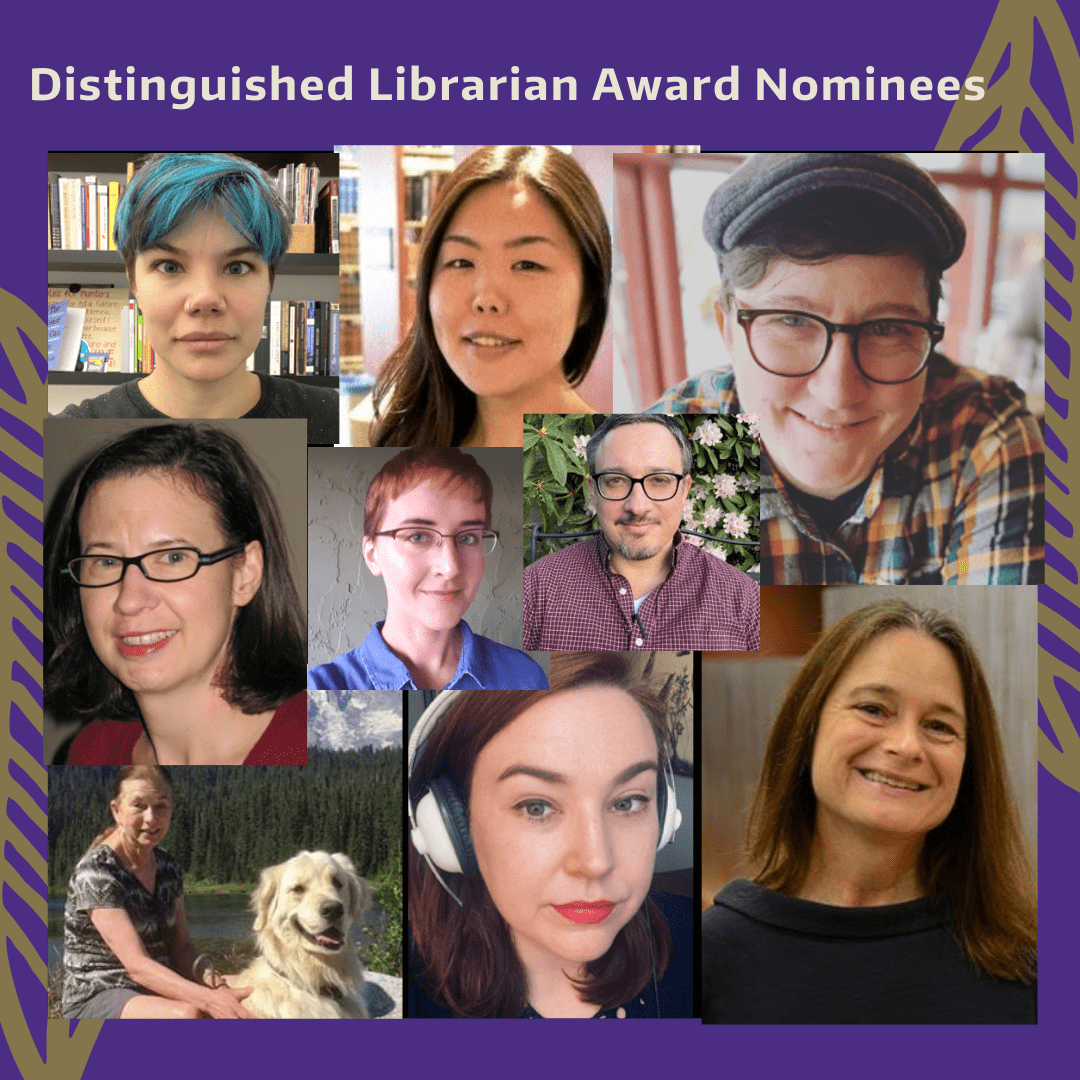
We wish to congratulate the ten librarians who were nominated for the Distinguished Librarian Award (DLA). Nominees come from all three UW campuses. Five were nominated in 2021 and five remained in the pool from their nomination in previous years. The outstanding work and contributions reflect the many ways librarians engage with teaching, research, and the wider community.
The DLA began in 2008 as an award given to a librarian whose contributions advance the mission of the Libraries and the University. The award recognizes “excellence in librarianship, especially as it benefits the academic community through innovative approaches to professional practice, research, and/or teaching and learning.” The librarian also demonstrates “creativity, leadership, service, scholarship, and demonstration of the University of Washington values of integrity, diversity, excellence, collaboration, innovation and respect.” Since it began, 14 librarians have received the DLA.
Prior to the pandemic, the Libraries recognized all of the nominees at a “Celebrating Distinction” reception, usually held in February. Because of the challenges of organizing in-person events, the Distinguished Librarian Award Selection Committee has chosen to experiment with a new way of publicly-recognizing our colleagues. Committee members have written brief profiles of each nominated librarian, drawing on materials from their nomination files. During a time when library workers of all kinds have stretched services, programs, and projects far beyond the physical walls of the Libraries, we believe it is important to make these outstanding contributions visible.
Serving on the DLA Selection Committee is a rewarding opportunity to get a view of the breadth and quality of the work of UW librarians. I would like to thank all those who served on the committee this year for contributing their perspectives and creativity in writing the profiles. The committee included:
Jessica Albano, Head, Government Publications, Maps, Microforms & Newspapers, Reference & Research Services
P.V. “Sundar” Balakrishnan, Professor, UW Bothell School of Business / Faculty Council on University Libraries
Conor Casey, Head, Labor Archives of Washington, Special Collections
Electra Enslow, Director, Clinical Research and Data Services, Health Sciences Library
Nia Lam, Research & Instruction / Media Studies Librarian, UW Bothell/Cascadia Campus Library
Deb Raftus, Romance Languages & Literatures Librarian/Arts & Humanities Liaison Team Leader, Reference & Research Services
Andrew Weaver, Media Preservation Librarian, Preservation
Justin Wadland, Head, Digital Scholarship, UW Tacoma Library (Chair)
Stories
Why Support the UW Libraries on Husky Giving Day?
April 1, 2022
On Husky Giving Day, you can support every Husky with a gift to UW Libraries. Why support the Libraries? The library is not just a building, it is a gateway for discovery with access to vast resources available to scholars around the world. Our Libraries and librarians are essential to teaching, learning and research across all campuses and disciplines.
What does this look like? Your fellow Huskies share their thoughts about why UW Libraries are so important to every husky’s success.
“The Libraries provide personal instruction and training that is really important for researchers to do this type of digital scholarship work. Before this project, I didn’t realize how much UW Libraries is committed to digital and public scholarship.”– UW doctoral candidate Anna Nguyen, on her counter mapping project, Entanglements: Mapping the History of Asian Migration onto Coast Salish Lands.
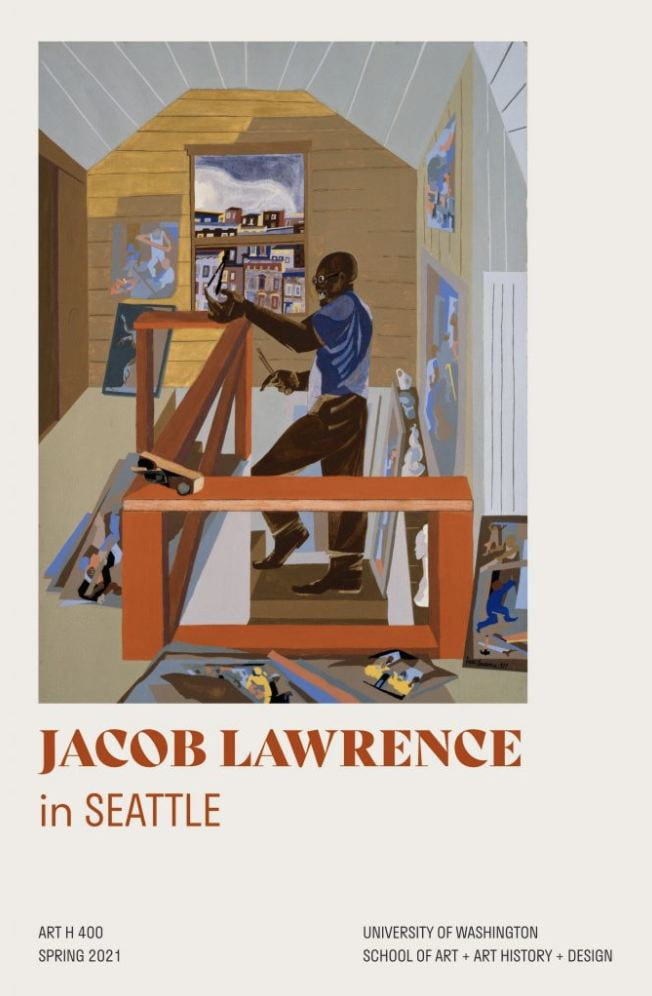
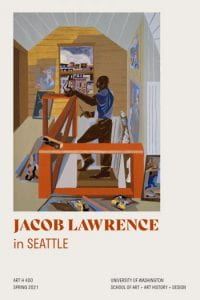
“This (class) was such a fun, inspiring opportunity! I would have never published a paper on my own, had I not taken this course. – A student in ART H 400, a collaboration with UW Libraries to create a new book, Jacob Lawrence in Seattle,
“UW Library has been instrumental in supporting my research and teaching…. I have grown as a scholar because of them, and they make my life so much easier. Our subject librarian regularly attends my courses to help students with their research projects, creating research guides and training modules. They help us to navigate all the digital tools and resources available to UW students and faculty, including expertise on copyright issues.” – Maya Angela Smith, Associate Professor of French; Interim Chair for the African Studies Program, Jackson School of International Studies.
“I come from an interpretive/qualitative background and often this type of research activity is learned on the job or through learning what not to do the next time around, so having this type of (Library) workshop can really help people like me prepare a lot better for the next big project.” – Student participant of UW Libraries Research Data Management Course
… “Students regularly comment on how helpful the library (classroom session) has been to their research, and often relay that meeting with subject librarians outside of class played a critical role in project “breakthroughs” as well. I feel so lucky to be able to partner with UW librarians in this way.” – Instructor Annie Dyer, Comparative History of Ideas (CHID) 491 Senior Thesis
Did You Know? Through the Open Scholarship Commons, students and faculty can learn and get help with a wide range of knowledge-creation tools and technologies used across disciplines.
“Fortunately for UW students, faculty, & staff, the UW Libraries has been a global and local leader in digital initiatives, including online teaching and learning, for many years before pandemic. Librarians always partner with departments and faculty to support student learning, achievement, & engagement.” – Beth Kalikoff, Director, UW Seattle Center for Teaching and Learning; Associate Professor, SIAS, UW Tacoma
Sweet Tweets …(Yes, we read them all)!!
“I just wanted to express my gratitude again for everything that library – and ILL (Interlibrary Loan) – staff do and have done, especially during the pandemic. You’re key! – Tyler Lange, Affiliate Assistant Professor of History
“The campus librarians played a major role in my college experience – only person you could count on to help reference a research paper at 3am.”
“Thank you @uwlibraries for an e-book bounty that gave me a great reading list. (My only prob is that I can’t squeeze in all the brilliant books you people have written lately!)”
“Thank you to the ILL (Interlibrary Loan) team @uwlibraries for working tirelessly to get us the information we need for our studies and research. Your efforts are so appreciated always”
Did you know?? UW Libraries provides hundreds of learning workshops throughout the year covering everything from basic research techniques to advanced scholarly publishing tools and more, helping UW scholars excel in their work and prepare for their futures.
“Working with the UW Librarians is an exhilarating opportunity for students to experience the intersection of a close-knit, undergraduate-focused department with the resources of a major research institution. In addition to UW’s vast holdings (physical and digital), students discover that the Librarians themselves provide invaluable guidance in navigating the sea of information effectively and in using research tools to further refine their projects. – UW CHID instructor Nick Barr
So for these reasons, and many more – THANK YOU for supporting #YourUWLibrary on this Husky Giving Day.
UW Libraries Undergraduate Research Award Applications are due May 2nd! Share your research work for a chance to win up to $1,000! Undergraduate students from all 3 campuses can apply!
Happy Spring! Whether you are a new or returning Husky, UW Libraries Faculty Guide and Student FAQ (both updated for spring quarter) provide a “one stop shop” of helpful links and important information to help you navigate and make the most of UW Libraries vast resources. And don’t forget to apply (or encourage your students to apply) for the 2022 UW Libraries Undergraduate Research Award !>>>>>
Masks: Masks will continue to be available at all public service desks. In line with UW recommendations, UW Libraries highly encourages wearing masks indoors during the first two weeks of spring quarter.
Special Collections: Starting March 28, special collections will have OPEN EXHIBIT HOURS from 10AM-12PM! (see below for a summary of the amazing exhibit on now!)
Tateuchi East Asia Library Summer Construction: The Tateuchi East Asia Library (TEAL) will close to the public for summer construction/renovation starting June 11, 2022 and tentatively plans to reopen at the beginning of fall quarter, 2022. Some materials will not be available prior to the closure. See deadlines and learn more.
A Library Lifeline for Underserved Communities– see how UW Health Sciences Library is increasing access to health resources for health practitioners and local communities across the region.
Featured Resources, Collections
Celebrate National Poetry Month by exploringColumbia Granger’s World of Poetry. The UW Libraries brings you this premier poetry database with over 250,000 full text poems and with citations to almost a half a million more. From huskies to hula, a random keyword search will help you find poems with specific words or subject themes; get inspired with featured monthly poems and try your hand at daily poetry trivia!
Events
April 18th- Reclaiming Your Past, A Radical Act of Healing: Hear from a panel of Afro-Indigenous leaders from on and off campus to explore Black and Indigenous family history as a tool for intergenerational healing, reclamation of identity and reconciliation with the past. Learn more.
Learning Workshops
Apr 8 – Python, your personal research assistant: An introduction to the Python programming language as a tool to aid for qualitative humanities work, brought to you by The eScience Institute and the UW Libraries Open Scholarship Commons.
“I was unaware of the data librarians on campus! This is a great workshop — exposing me to a lot of considerations about data management that I did not know about. Thank you!” – past attendee of UW Libraries Research Data Management Course
Apr 14 – Author Profiles: managing your scholarly identity and making your work findable: Get started with your digital portfolio! In this hands-on workshop, you will learn the importance of author profiles, and you’ll leave with your own ORCID and Google Scholar profiles. Join us if you don’t have a profile yet or if you want to learn strategies for keeping your profile current.
Pressbooks Workshops: Pressbooks’ suite of products– offered through #YourUWLibrary– makes it easy to create, adapt, and share educational material. Learn how to create open textbooks, course materials and more.
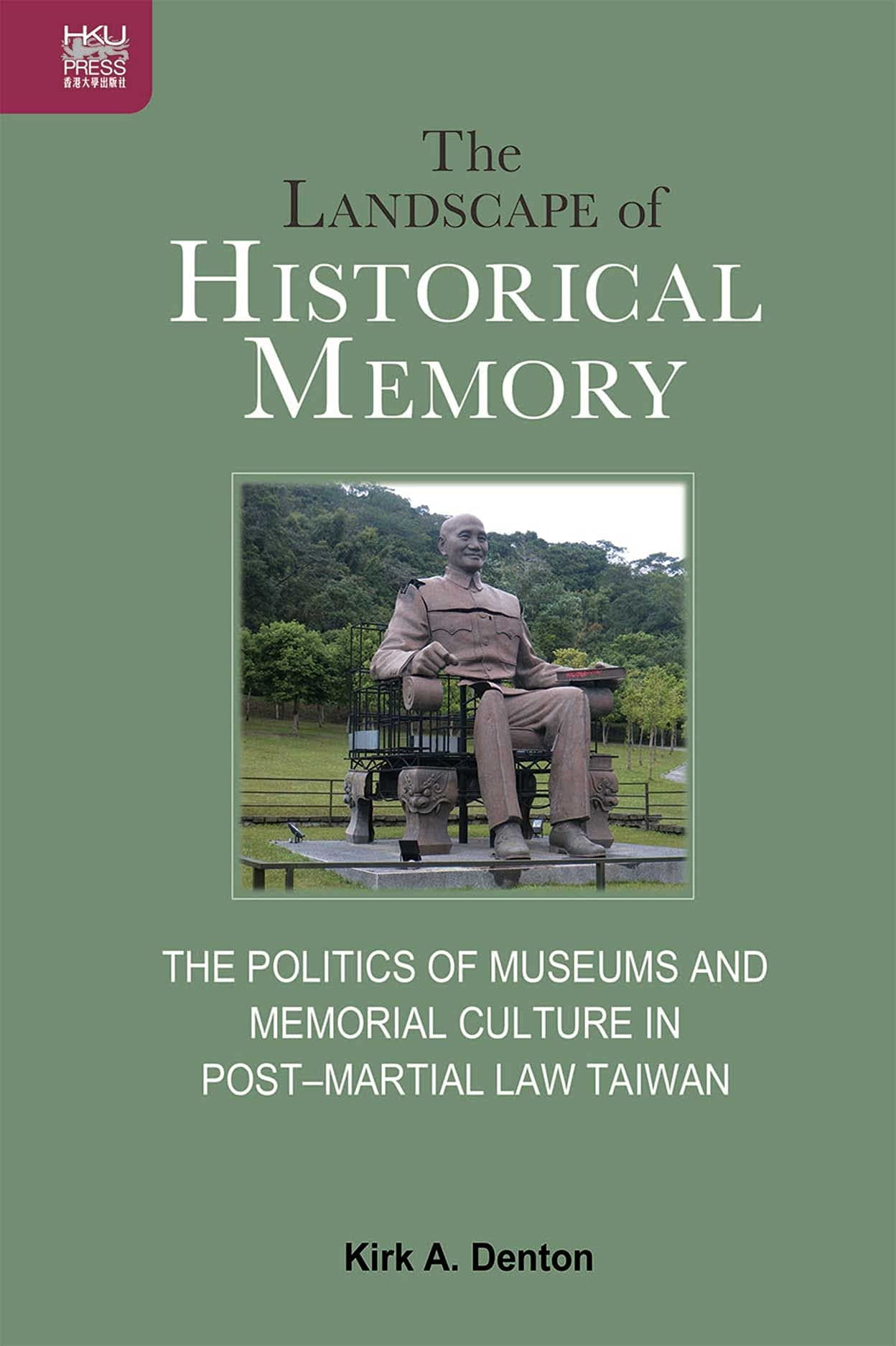
April 7th – Tateuchi East Asia Library Presents:The Landscape of Historical Memory w/ Dr. Kirk Denton. Join the virtual or in-person discussion with Dr. Kirk Denton, Professor Emeritus of Chinese literature at Ohio State University as we explore themes from his book The Landscape of Historical Memory: The Politics of Museums and Memorial Culture in Post–Martial Law Taiwan.
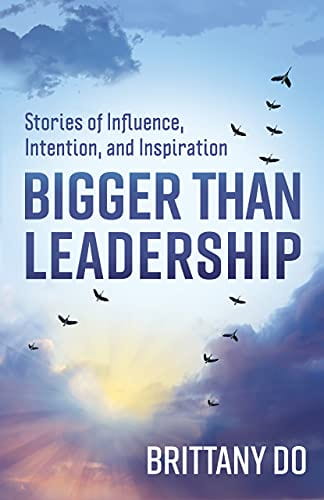
April 11- Bigger than Leadership: Join Brittany Do, UW junior in accounting and finance, and author of “Bigger Than Leadership” in the Foster Business Library to learn why you are already a leader, even if you don’t realize it yet. Brittany will also discuss what it is like writing a book as a college student and some of the best parts of becoming an author.
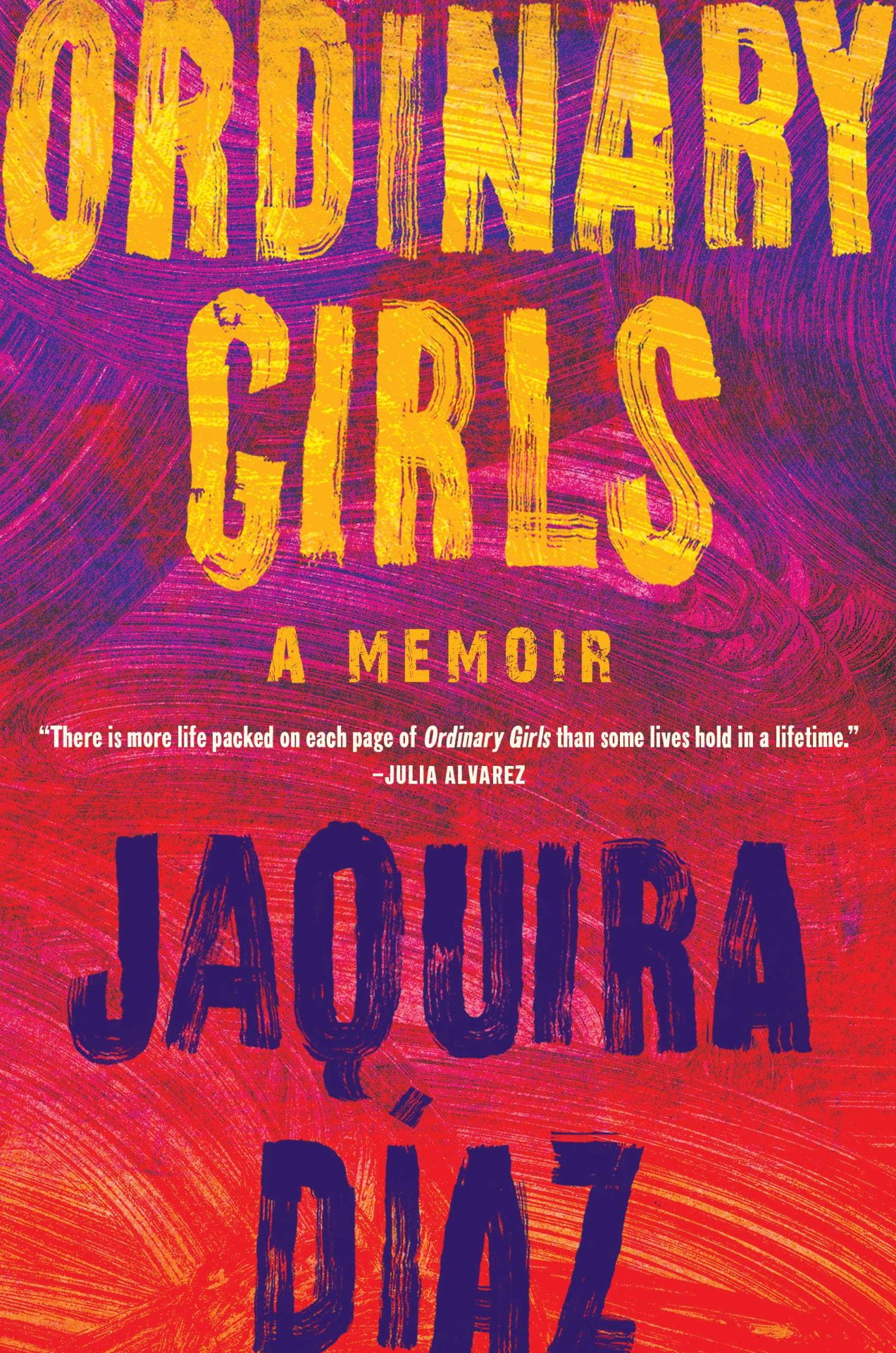
REAL Lit – UW Tacoma Library’s Real Lit[erature]: Reading for Social Justice book club will be reading Jaquira Díaz’s Ordinary Girls. This book club is open to anyone within the UW Community. The club meets virtually, every Thursday from 12:30-1:20. Sign up and/or learn more.
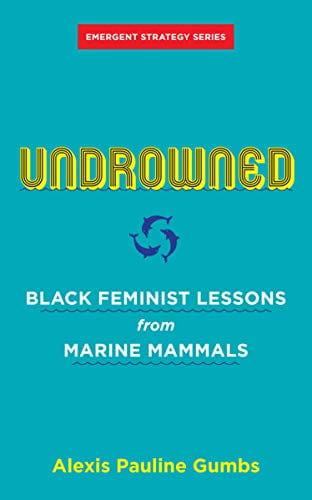
ANYTIME- Community Reads is an annual program designed to build community and connection through collective group reading and reflecting experiences. The program is hosted by UW Bothell/Cascadia College Library, and is open to all. Participants can join anytime. This year’s chosen book is Undrowned by Alexis Pauline Gumbs.
Drop-In Help
Digital Scholarship Drop-In Help Hours (via Zoom) on Thursdays: We offer consultations for research and course related projects. Examples include support for digital publishing, building digital exhibits, and more! We can help you find the right tools, resources and instruction whether you’re just getting started or are working on an on-going project. Learn more.
GIS Help Drop-In Hours:The GIS Lab is provided by the University Libraries to support the use of GIS for coursework and research by UW students, faculty, and staff. GIS Lab staff are available to assist lab users with locating geospatial data, integrating data into GIS projects, and basic ArcGIS functionality. Drop by Suzzallo Library on Mondays, Wednesdays, and Fridays from 10am – 2pm for assistance.
Open Writing Circles Tuesdays: virtual weekly meetings offering 90 minutes of quiet writing time and community with fellow writers from across campus, every Tuesday! Offered through the Odegaard Writing and Research Center.
Exhibits and Displays
“Oars Out, Roll Cameras” highlights the upcoming filming of Boys in the Boat in and in conjunction with the opening weekend of boating season/Windermere Cup May 6-7. On display in Allen North from April 6-May 31!
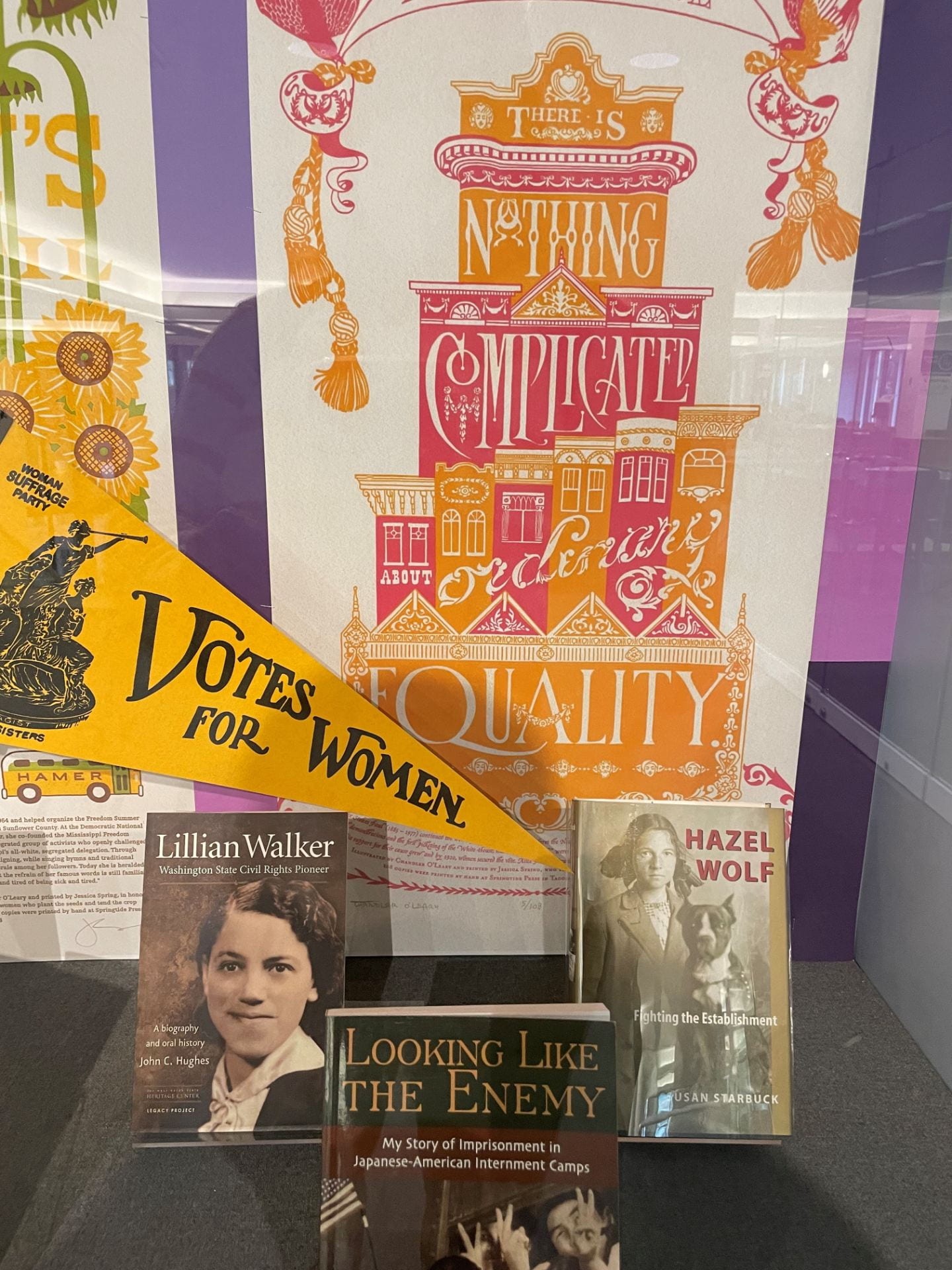
And Then She Said: Voices of Feminists Past and Present was sown from The Dead Feminists series, a collaboration between local artists Chandler O’Leary and Jessica Spring in the form of a collection of 31 broadsides elevating voices of women throughout history. Featuring quotes by historical feminists, the broadsides are also tied to current political and social issues. Each limited-edition broadside is letterpress printed from hand-drawn lettering and illustrations. The exhibit augments the series with items from the Libraries’ collections as well as reflections from library staff about what the artwork means to them and how it resonates with their own experiences. Starting March 28, special collections will have OPEN EXHIBIT HOURS from 10AM-12PM! You can still make an appointment to view. Learn more.
The Pacific Northwest in the ‘70s This quarter’s theme Keep on Truckin’focuses on the industries and entertainment made famous during the 70s. Groove through the ‘70s in this exhibit of photos, ephemera, and publications from the University of Washington Libraries Special Collections. Each quarter will feature different aspects of the pivotal decade that brought the end of the postwar economic boom, an increase in social progressive values, greater political awareness, and expanding liberties for women.
###
Stories
Learning Research Data Management with the UW Libraries
March 23, 2022
image source: CSC Services for Research
Curious about the fundamentals of good data management, or just looking to buff up your already polished skills? Are you new to UW and unfamiliar with the wide variety of resources available to you? The UW Libraries’ Research Data Management (RDM) course is for you! Whether you are a student just starting on your first research project, or a seasoned project manager with years of experience, the RDM course aims to provide enrollees with information on best practices, thought-provoking questions, and further resources for learning. This spring’s class will be held April 18 – 21, 2022; registration is on the RDM class guide.
This four-day, online asynchronous course allows enrollees to complete about an hour of guided readings and short daily discussions on their own time, with UW librarian tutors available for further questions and support. Each of the first three days focuses on a specific topic: basic data management concepts, data handling during a research project, and what to do at a project’s completion. The final day acts as a review of the “big picture” concepts, and covers the research lifecycle as a whole.
Why Enroll?
So why bother with research data management? Learning about good data management practices allows researchers to protect against data loss and corruption, optimize organization, and encourages open access, sharing, and reuse of scholarly material. Enrollees who complete this course also report an improvement in their comfort with data management concepts, including with creating a data management plan, which are increasingly required for funding agencies in research projects.
But don’t take our word for it–here are some quotes from past workshop attendees:
“This is a great workshop — exposing me to a lot of considerations about data management that I did not know about. The tutor responses have been really helpful. I was unaware of the data librarians on campus and will definitely reach out to them for more resources. Thank you!”
“Very helpful and important for anyone working with data.”
“I was really impressed with this workshop. It had so many wonderful resources and I learned a lot. The tutors were fantastic … The materials were great and easy to understand as well. It was good to know I’m heading in the right direction with data management and know how to really improve my data management.
“I come from an interpretive/qualitative background and often this type of research activity is learned on the job or through learning what not to do the next time around, so having this type of workshop can really help people like me prepare a lot better for the next big project.”
For instructors at other institutions interested in implementing a version of the Research Data Management course, see the OSF page on the course, as well as the template on the Canvas Course Commons.
Contact the Scholarly Communications and Publishing team [email protected] with any questions.
Stories
A Library Lifeline for Underserved Communities
March 22, 2022
How regional medical libraries increase access to health information for those who need it most
With the ubiquity of online resources, you may not realize the role that libraries (UW Health Sciences Library in particular) play in connecting healthcare professionals with critical medical and health information. Access to accurate, evidence-based health information is particularly challenging in rural or under-resourced communities that often do not have the budget, human resources or information infrastructure that larger communities and healthcare organizations do.
The University of Washington’s Health Sciences Library serves as the Regional Medical Library for Region 5 which includes Alaska, California, Hawaii, Nevada, Oregon, Washington, and U.S. Territories and Freely Associated States in the Pacific.
Enter the National Library of Medicine (NLM). In April 2021, The National Library of Medicine (NLM) awarded a five-year, $ 6.3 million UG4 cooperative agreement grantto UW Health Sciences Library (HSL) to serve as the Regional Medical Library (RML) for the Network of the National Library of Medicine (NNLM) Region 5 serving Alaska, California, Hawaii, Nevada, Oregon, Washington and the U.S. Territories and Freely Associated States in the Pacific.
“We (NLM) connect community members with training and access to evidence-based health information by supporting their local libraries…”
While separate entities, the NNLM and HSL work collaboratively toward shared goals to increase access to health information resources. NNLM’s mission is to “advance the progress of medicine and improve the public health by providing all U.S. health professionals with equal access to biomedical information and improving the public’s access to information to enable them to make informed decisions about their health.”
“Our main goal is to connect health professions’ trainees and providers to free, evidence-based biomedical resources; and to connect community members with training and access to evidence-based health information by supporting their local libraries,” says Michele Spatz, NNLM Outreach & Engagement Coordinator.
UW Health Sciences Library has served as a regional medical library since the Network’s inception in 1968, and has expanded the reach of the RML by granting NNLM awards that impact rural and underserved populations throughout the region. Here, we share just a few examples from the communities who benefit from this critical partnership.
Reducing language barriers to improve health
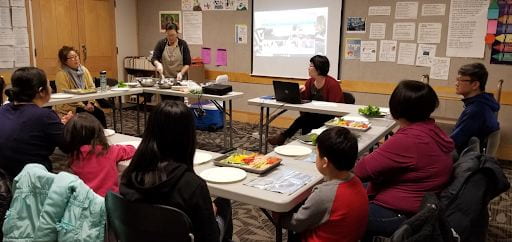
Photo: Multnomah County Library staff teach community members how to use MedlinePlus while also sharing a healthy cooking lesson
Multnomah County Library (MCL) in Portland, Oregon is a large, urban public library that serves many of the area’s Vietnamese and Chinese communities. Toan Lam-Sullivan, Bilingual Chinese Regional Librarian and colleague Karen Nguyen,Bilingual Vietnamese Library Assistant noticed that language barriers were preventing many in the community from understanding and receiving important health & wellness information contributing to negative health outcomes such as diabetes, social isolation and low birth weights. To address this need, they conceived of and applied for NNLM funding to start the Healthy Pathways program designed to increase participants’ trust and confidence in the public library as a health information resource by offering educational opportunities and access to reliable health information. With the NNLM grant, they developed a series of sixteen healthy lifestyles workshops across three different branches with a focus on Vietnamese, Mandarin, and Cantonese speaking communities. Programs included education on nutrition and healthy cooking, fitness, and stress relief. The Library’s project team also collaborated with NNLM to provide training to their bilingual, bicultural library staff on how to use MedlinePlus, a health database produced by the National Library of Medicine, to find culturally and linguistically appropriate health information. Staff then created interactive computer classes to teach community members how to use MedlinePlus to search and find information and resources to address their health concerns.
Bringing people together in a group setting had a very positive, motivating effect,” noted Karen Nguyen. “It encouraged people to seek out healthy lifestyle activities, and helped them learn how to use library tools like MedlInePlus to get health information in the languages that they are most comfortable with.”
The program was a huge success. While NNLM funding for the program has ended, the outreach and trainings have now become part of routine programming for the libraries.
Increasing Collection Diversity
In 2021, the RML launched the Collection Equity Award designed to amplify the voices of diverse authors writing on health and medical topics. Throughout NNLM Region 5, 27 awards were given to libraries and organizations including 11 academic libraries; 2 community-based organizations; 1 hospital library and 13 public libraries.
The awards focused on shared goals of ensuring equitable access to health information, promoting health literacy and supporting programmatic outreach in under-resourced communities, such as:
Growing a collection of resources with the goal of giving foster, guardianship, kin and adoptive families parenting Tribal children – and their supporting community providers – ample, accessible, culturally appropriate materials to bolster the health and wellbeing of Native children involved with the [State’s] child welfare system.
Increasing online resources supporting LGBTQIA+ students, faculty, and staff as well as the nurse educators and student nurses who will be providing medical care to LGBTQIA+ individuals in the future.
Expanding eBook resources on social justice and DEI topics to serve as professional development and continuing education materials for clinical care providers to assist those interested in shifting from learning to action, to challenge existing knowledge and ideology that has been embedded in our daily lives, and to reflect how race and racism and other facets of discrimination impact different communities.
Building library health and wellness collections that better reflect student demographics and to curate resources and tools in support of curriculum-based inquiry and inclusion.
“I am excited to encourage our students to use these resources and to use them myself.”
“I am excited to encourage our students to use these resources and to use them myself. And I am always happy to contribute to the great work that [the library] and others do to support diverse populations!!”
– Claire McKinley-Yoder, PhD, RN, CNE, University of Portland
Each awardee is required to submit a bibliography of the materials purchased. These will be brought together in fall 2022 to form the NNLM RML’s Diverse Voices Writing on Health and Medicine, a comprehensive resource that will serve as a regional collection development tool for other libraries and organizations wishing to broaden the representation of voices within the health materials they offer.
Improving Students’ Understanding of Environmental Impacts
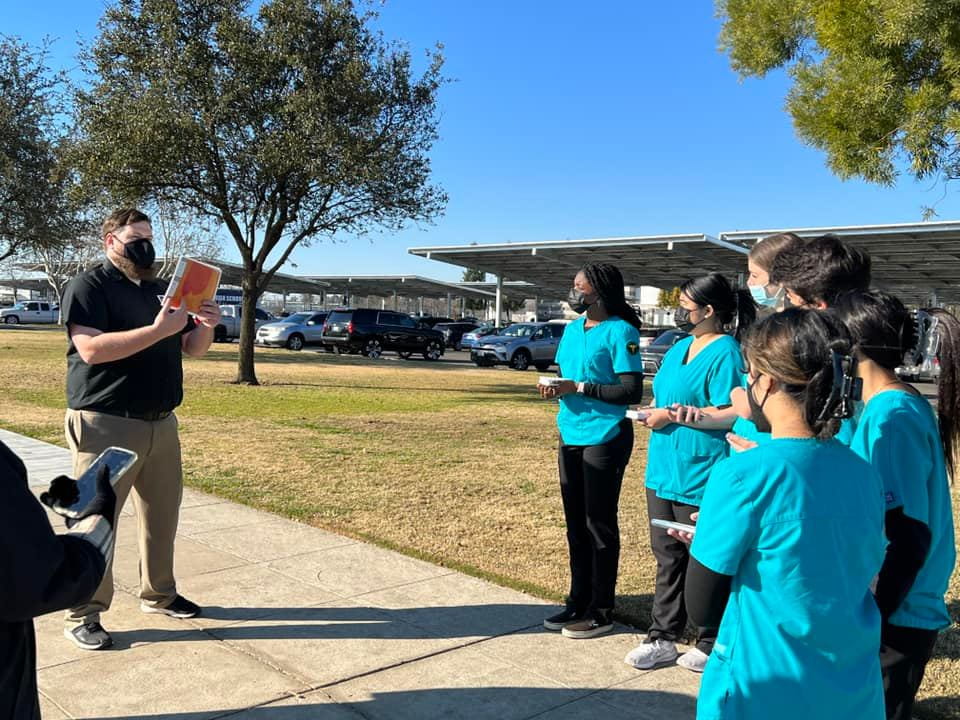
Air quality is a significant environmental and health concern in California’s San Joaquin Valley (SJV). The SJV does not meet the state and federal attainment standards for particulate matter and health outcomes are worse in certain zip codes due to social determinants of health such as historical redlining practices and the built environment. The percentage of children ages 1–17 in the region whose parents report an asthma diagnosis is almost 20% higher than that of other areas in California. Knowing these statistics and the lack of awareness within student populations, California Health Sciences University Librarians teamed up with UCSF Fresno librarian to design and deliver a workshop for high school youth focused on the health impacts of bad air quality. Through NNLM Region 5’s Environmental Health Outreach Award, high school students from underserved communities in the Fresno area participated in a two hour session to learn about air quality in the San Joaquin Valley; how air pollutants impact the respiratory system; the health effects of poor air quality; how to search NLM resources for health information; and community resources to improve air quality and reduce the impact of poor air quality on their health.
Photo: Kyle Robinson, Electronic and Technical Services Librarian, spoke with high school students as they walked around the Clovis East High School campus, measuring air quality with handheld sensors.
Students were inspired to make changes as a result of what they learned. One student shared, “I did not know that poor air quality had more health effects than just respiratory diseases or problems. As a result of what I learned today, I will check the AQI every day and make sure that I do not use my car unless it is necessary.”
Bridging the digital divide for the most vulnerable
Census data shows that 14.5% of Springfield, OR residents under age 65 live with a disability, significantly above the state average of 9.9%. Just over 8% of Springfield residents do not have a computer in their home and many do not have a broadband Internet subscription. As more and more government and commercial services, including healthcare providers, are reliant on computer/internet access to utilize their services, the role of the Springfield Public Library in providing that access is increasing. Furthermore, the lack of adaptive work stations to facilitate computer and internet access for Springfield’s most vulnerable residents was– until now– a challenge.
“Libraries are for everyone and with this grant we are able to better serve those members of our community who have specific needs.”
With the funding awarded by the NNLM Region 5 office at UW’s Health Sciences Library, the Springfield Public Library purchased equipment, software and peripherals to create an adaptive workstation including standing desk, screen readers, and more. By consulting with local community and government organizations (Lane Independent Living Alliance, Oregon Commission for the Blind, Developmental Disabilities Services among others) the library purchased the most relevant adaptive equipment based on needs identified by these partners to provide up-to-date computer/internet access (including access to health services) to a wider array of the Springfield Public Library community.
“Libraries are for everyone and with this grant we are able to better serve those members of our community who have specific needs. We provide access to so many wonderful and necessary resources and with our new ADA station we look forward to more members of our community being able to access them.” – Mark Riddle, Adult Services Librarian, Springfield Public Library.
Beyond the grant
UW Health Sciences Library has served as a regional medical library since the NNLM’s inception in 1968. While the NNLM team at UW facilitates grant applications and funding, their work goes far beyond the selection and transaction of grant funding. Under the leadership of Tania Bardyn, Associate Dean of Health Sciences and PI of NNLM Region 5, and Cathy Burroughs, NNLM Region 5 Executive Director, the entire NNLM Region 5 staff have worked hard establishing relationships essential to expanding the reach of the NNLM program. Staff conduct ongoing outreach across the region to make sure that communities are aware of funding opportunities and to guide them through the sometimes complex application and award funding process every step of the way. The Region 5 team travels and works on site with local communities to provide training on technical resources like medical databases, ensuring that local staff are ready and able to facilitate community use of these tools and other funded resources.
UW Libraries in the Classroom: Looted? Ethnomusicology, Archives & Colonial Legacies
March 21, 2022
Inside the echoing walls of the Smith Room* within the Suzzallo and Allen Libraries, John Vallier, Ethnomusicology Curator for UW Libraries, presses “play”. Students listen intently to the scratchy recording of a so-called “war chant”.
Vallier explains that it was recorded in 1906 near Mount Kilimanjaro by an officer in Germany’s colonial force. “The singers were uncredited Massai people. They received no compensation and no copy of the recording. The colonial officer is credited with making and owning the recording. He extracted and then deposited these people’s songs into a Berlin archive, where its sounds were mined for academic and financial gain.”
The course, offered through UW Honors, is called “Looted? Ethnomusicology, Archives & Colonial Legacies“. In addition to being Ethnomusicology Curator for UW Libraries, Vallier is also affiliate faculty in UW’s Ethnomusicology and Honors programs. As explained in his syllabus, the class “interrogates the field of ethnomusicology through the lens of its archives, those storehouses of sound recordings that helped establish the field.”
“Even if you’ve never heard of ethnomusicology, in this class you’ll learn how repatriating music relates to history, law, art, politics and even science,” says Grace, a current student.
“This class is meant to be both critical and functional. In it we explore the colonial legacy of collecting in ethnomusicology. We critique that impulse to appropriate and represent the ‘other.'” Vallier says that such past practices have “dire ethical implications for the archives that are charged with stewarding these materials. How can we reconnect these recordings, songs, and stories with communities of origin? What does successful, and unsuccessful, “musical repatriation” sound like?”
Throughout the course, students gain an understanding of the history of ethnomusicology and the power dynamics that influence collecting and archiving in the field. Students come from across disciplines, and there is no prior course or experience required.
“Even if you’ve never heard of ethnomusicology, in this class you’ll learn how repatriating music relates to history, law, art, politics and even science,” says Grace, a current student.
Vallier, along with guest lecturers from such institutions as the Library of Congress, Indiana University, and Harvard, share their “real world” attempts to repatriate and or otherwise attempt to address ethnomusicology’s colonial legacies. Guest speakers have included:
Laurel Sercombe, retired UW ethnomusicology archivist and longtime repatriation advocate, spoke to the colonial roots of ethnomusicology and its precursor discipline, comparative musicology.
Joe Kinzer, curator forArchives of Word Music, described his work connecting Boston-area Somali immigrants with Harvard’s extensive collection of 1920s recordings.
Kate Mullen, a PhD student from Indiana University, underscored the importance of community involvement with particular emphasis on theManchester Digital Music Archives (MDMA).
Lorraine Sakata, professor emerita from UCLA, described her work to digitally return recordings from UW to Afghanistan, Pakistan, and Tajikistan.
Established in 1962, UW’s Ethnomusicology Program is one of the oldest programs of its kind in the country. The Archives, which was also established 60 years ago, stewards some 50,000 items including sound, video, and film documenting international, national, and regional musics and related traditions. Vallier has been with UW Libraries since 2006. Prior to UW, he was archivist for the UCLA Ethnomusicology Archive where he helped facilitate repatriation projects and co-taught with Professor Tony Seeger.
“Established in 1962, UW’s Ethnomusicology Program is one of the oldest programs of its kind in the country. The Archives, which was also established 60 years ago, stewards some 50,000 items including sound, video, and film documenting international, national, and regional musics and related traditions.”
While Vallier has taught for the Honors program before, this is first venture into a hybrid environment. “Teaching in a hybrid model, with students participating both in-person and online, has its challenges for sure,” says Vallier. “But I am so impressed with the students. Through so many challenges they have persevered with passion and a strong sense of justice about the topics we are discussing– I plan to carry their energy and ideas forward in my work.” Vallier will be teaching about Seattle music for Honors next year, as well as “Sounds of Cinema” for the Department of Cinema and Media Studies next quarter. When Vallier isn’t in the classroom, he is working on a range of projects to preserve and make accessible recordings from the Ethnomusicology Archives and Seattle Sounds Project.
*The Smith Room
The Smith Room in Suzzallo Library has, for many years, been used as a rental space for meetings and events. It mirrors the classic gothic style of the iconic Reading Room and once housed the Libraries’ Special Collections. Opposing the stained-glass windows and book-lined walls are four large murals painted in 1935 by Paul M. Gustin and John T. Jacobsen. The murals are a product of their time and depict a myopic, colonial, and imperial view of the pacific northwest drenched in Manifest Destiny and Western European-centric white supremacy. The irony of these murals surrounding a class devoted to the study of indigenous culture, history and ownership was not lost on the class or instructor. As a class assignment, students were asked to observe the murals and review the Libraries’ current statement on the murals (see below) in the context of themes discussed in class, and offer suggestions for how to address the murals in a more permanent way. These suggestions were compiled and sent to the Libraries Dean for consideration.
Libraries Statement posted in the Smith Room:
The University of Washington acknowledges the Coast Salish peoples of this land, the land which touches the shared waters of all tribes and bands within the Suquamish, Tulalip and Muckleshoot nations.
The depictions of relations between European explorers and settlers and Native Americans in the Smith Room’s Gustin-Jacobson murals celebrate what was seen in the 1930s as the triumph of western settlement and Manifest Destiny over the land and people who were here before. This view perpetuates a racist narrative and is not in line with modern scholarship or the values of the University of Washington or UW Libraries.
Critical review of such depictions is required, and UW Libraries is currently working with stakeholders across the University to provide more context and commentary specific to these materials with a plan for more permanent and formal acknowledgement in this space and in our online records.
###
Stories
Celebrating Sunshine Week 2022
March 11, 2022
What is Sunshine Week?
Started in 2005 by the American Society of News Editors (now the News Leaders Association), Sunshine Week (March 13-19, 2022) is an annual celebration of the continued effort to promote open government and free public access to U.S. government information. it coincides with national Freedom of Information Day, March 16th.
Sunshine Week takes places each March in observance of the birthday of James Madison, one of the early advocates for the inclusion of the Bill of Rights in the U.S. Constitution. Madison’s quote, “A popular Government, without popular information, or the means of acquiring it, is but a Prologue to a Farce or a Tragedy; or, perhaps both,” is often cited in promotional materials for Sunshine Week, although some dispute whether it refers to access to government information or access to information and knowledge more broadly.
Join the Conversation
We welcome you to join the UW Libraries this week in observing Sunshine Week (March 13-19, 2022) by participating in informational webinars on the current state of public access to government information. You can view the full schedule of Sunshine Week events here, or consider attending a few of the spotlighted events below:
Igniting Inspiration: Bringing Data to Light and to Life–Monday, March 14, 11 am PT; Register and More Info Here
Sparking Discovery: Using FOI and Big Data to Tell Stories, Build Community, and Solve Problems–Wednesday, March 16, 12 pm PT; Register and More Info Here
Public Access to Government Information
Laws governing access to government information vary across jurisdiction (i.e. federal, state, local) and branch (i.e. legislative, executive, judicial). In 2016, the Congressional Research Service (CRS) published a helpful primer on “Access to Government Information in the United States” and notes that “(n)o provision in the U.S. Constitution expressly establishes a procedure for public access to executive branch records or meetings.” There have, however, been acts of Congress over the years that have set a standard for access to federal executive branch information, including the landmark Freedom of Information Act (FOIA) (1966), the Federal Advisory Committee Act (FACA) (1972), the Privacy Act (1974), and the Government in the Sunshine Act (1976).
Laws such as FOIA help make the work of many UW researchers possible, including at the Center for Human Rights (UWCHR), which published a free online guide on How to FOIA in 2019. You can browse a collection of the documents released through FOIA requests by the UWCHR on the UW Libraries’ Research Works site. Over 800,000 FOIA requests are made each year.
Libraries Access to U.S. Government Information
The UW Libraries provides access to government information in a variety of ways and formats. The UW Libraries has been a member of the U.S. Federal Depository Library Program (FDLP), established in 1813 to ensure public access to government information, for over 130 years. You can find documents distributed to depository libraries and other government documents in the Government Publications collection on the ground floor of the Suzzallo Library. Government information librarians at UW have also curated several research guides to help you start your search for government information.
###
Stories
March Update
March 2, 2022
Spring is right around the corner, Huskies! As you prepare for finals, don’t forget to check out our finals week resources , learn all about Open Education Week events March 7-11, AND remember that you still have plenty of time to enter the #IHeartUWLibraries Student Video Contest for a chance to win up to $1,500 — submissions are due March 27th!
Operations
Group/collaboration study returns at the Research Commons in spring quarter!!
Hours –
Odegaard Library will extend evening and weekend hours for end-of-quarter and finals week– see the schedule.
Spring break AND spring quarter hours are listed on the Libraries Operations Update Page.(note: most Libraries will maintain current hours in spring quarter).
More group study space! Effective spring quarter, Individual Study Space at the Research Commons will be reconfigured to its pre-Covid design, with multiple seating configurations designed for group study and collaboration.
News and Stories
This book of student-authored essays on acclaimed artist Jacob Lawrence and his years as a professor of art at UW is one example of open pedagogy projects created by UW students, supported by UW Libraries. Learn more during Open Education Week!
We are pleased to announce Rena Priest as the 2022 Maxine Cushing Gray Distinguished Writing Fellow. Priest is an award-winning poet who is enrolled member of the Lhaq’temish (Lummi) Nation. She currently serves as the Washington State Poet Laureate. Learn more about Priest, the Fellowship and the 2022 Distinguished Lecture event.
Open Education Week is March 7-11 : It’s Bigger than Free Textbooks!People often think of free textbooks when they think of open educational resources (OER), but the open education movement is so much more. UW Libraries is ready to celebrate all the ways open education promotes affordable access, equity, and the inclusion of more diverse voices in the scholarly conversation. Learn what it’s all about, and see some of the amazing UW open pedagogy projects created by students and faculty. Learn more.
UW Joins ACM Transformative Open Access Agreement: UW joins over a hundred other institutions participating in the Association for Computing Machinery Open Agreement. In 2020, UW ranked third in the world for institutions publishing research in ACM Digital Library publications. This agreement will allow all of those articles going forward to be made available open access supporting not just UW authors but researchers around the world.
UW Libraries in the iSchool Classroom:Learn how UW Libraries’ teams teach in partnership with the UW iSChool to train tomorrow’s library and information science leaders.
Dive into expert political and policy insights for more than 200 countries with EIU Viewpoint from the Economist Intelligence Unit, brought to you by UW Libraries. Viewpoint has daily updates on politics, economics, and business as well as in-depth reports with five-year forecasts and historic trends. You can download report data directly for your own analysis.
Want to learn how to create a website, digital book, interactive map or other digital content for your research project? UW Libraries Open Scholarship Commons is the place to start! Attend the OSC weekly drop-in sessions to or contact us to schedule a personal appointment and learn more!
Tadoku – Japanese Reading Club!Open to UW students who are currently enrolled in Japanese language class, this weekly reading club meets in the Tateuchi East Asia Library Seminar room on Fridays from 2:00-3:00 pm.
Digital Scholarship Drop-In Help Hours (via Zoom) on Thursdays We offer consultations for research and course related projects. Examples include support for digital publishing, building digital exhibits, and more! We can help you find the right tools, resources and instruction whether you’re just getting started or are working on an on-going project. Learn more.
GIS Help Drop-In Hours!The GIS Lab is provided by the University Libraries to support the use of GIS for coursework and research by UW students, faculty, and staff. GIS Lab staff are available to assist lab users with locating geospatial data, integrating data into GIS projects, and basic ArcGIS functionality. Drop by Suzzallo Library on Mondays and Wednesdays from 10am – 2pm for assistance.
Open Writing Circles Tuesdays: virtual weekly meetings offering 90 minutes of quiet writing time and community with fellow writers from across campus, every Tuesday! Learn More.
Books and memorabilia from the Women’s History Month display in Allen Library North.
Need a study break? Take a walk around Suzzallo and Allen Libraries and Special Collections to explore our current displays and exhibits.
NEW! Making HERstory- In Celebration of Women’s History Month: Tacoma-based artists Chandler O’Leary and Jessica Springer have been elevating women’s voices through their ongoing letterpress broadside series, Dead Feminists (www.deadfeminists.com) since 2008. Their work is the foundation for the exhibit And Then She Said, on display in Special Collections through August 19, 2022. Each broadside features the words of famous and less well-known women throughout history who spoke out against inequality, racism, environmental and social injustices, and more. Stop by the case on the first floor of Allen Library North for a sneak peek and for information about how to view entire exhibit.
EXTENDED: Climate Justice for All — On view in the Allen Library North Lobby North, this in-depth exhibit explores the effects of climate change on disadvantaged populations and communities of color and highlights solutions through an equity lens.
The Pacific Northwest in the ‘70sThis quarter’s theme Keep on Truckin’focuses on the industries and entertainment made famous during the 70s. Groove through the ‘70s in this exhibit of photos, ephemera, and publications from the University of Washington Libraries Special Collections. Each quarter will feature different aspects of the pivotal decade that brought the end of the postwar economic boom, an increase in social progressive values, greater political awareness and expanding liberties for women.
###
Stories
Open Education Week: It’s Bigger than Free Textbooks
February 22, 2022
Open pedagogy elevates student voices with projects that go beyond the classroom.
Open Education Week is just around the corner, and the UW Libraries is ready to celebrate all the ways open education promotes affordable access, equity, and the inclusion of more diverse voices in the scholarly conversation.
People often think of free textbooks when they think of open educational resources (OER), but the open education movement also includes open pedagogy.
Open pedagogy refers to practices that engage students in creating information rather than simply consuming it. It leverages the “open” nature of OER to facilitate learning and emphasizes community and collaboration: sharing resources, ideas, and power.
What does that look like? Here are a few possibilities:
Teams of students collaboratively write and edit a textbook and develop original illustrations — as Comparative Endocrinology classes at UW began doing last year.
Students edit and improve Wikipedia articles, or create new articles to fill in gaps in coverage.
Students work with their instructor to revise the course syllabus or to design an assignment or exam questions, showing their proficiency with the material.
What it doesn’t look like is the typical “disposable” assignment—a five-page paper that no one but the instructor and TA will ever read. Instead, open pedagogy elevates the voices of students as scholars in their own right.
The values embedded in open pedagogy can be summed up in 5 R’s attributed to Rajiv Jhangiani:
Respect the agency of students and creators.
Reciprocate by contributing to the commons and building community.
Recognizerisk as ever-present, and be mindful that the risks are greater for some (e.g., women, students, scholars of color, precarious faculty).
Reach beyond the classroom and make an impact.
Resist destructive forces in order to be antiracist, democratizing, liberatory, and decolonized.
Several UW open pedagogy projects have used Pressbooks, a digital publishing platform based on WordPress that’s ideal for creating OER and free for students, faculty, and staff. If you’ve used Pressbooks before, watch your inbox for an upcoming survey to help the UW Libraries make this an even more useful tool for the UW community. To get started with Pressbooks for a project of your own, keep reading for a list of Open Education Week events co-hosted by the Open Scholarship Commons.
Contact us to learn more about support for OER and open pedagogy through the UW Libraries.
Celebrate Open Education Week at UW Libraries
The following UW Libraries-sponsored events will take place virtually during Open Education Week, March 7-11, 2022.
Student Authored: UW Open Pedagogy & Publishing — Monday, March 7, 1:30-2:30 p.m. Join us to hear from a panel of UW instructors who will speak about their work developing exciting digital publishing projects with student authors and artists.
Juliet Sperling, Assistant Professor and Kollar Endowed Chair in American Art History, School of Art + Art History + Design, UW Seattle (Jacob Lawrence in Seattle)
We’ll learn about how the projects were structured within and outside the classroom, publishing platforms, challenges and successes, followed by a Q&A with audience members. Event Information and Zoom Link
UW Libraries Pressbooks: Create and Remix Interactive Course Materials — Thursday, March 10, 3-4 p.m. Pressbooks is a tool that is free for UW faculty, students, and staff and that can be used to create, adapt, or remix digital books. This session will provide examples of course materials published in Pressbooks and demonstrate how to clone existing textbooks and add interactive elements (such as quizzing and flashcards). Event Information and Zoom Link
… And Beyond!
Many other Open Education Week activities will be hosted by organizations and institutions outside the UW. These are free and open to anyone but may require advance registration.
Second annual Language OER Conference (U Kansas and UT Austin): Saturday, March 5, 7 a.m.-2:30 p.m. Featuring “Bate-Papo: An Inclusionary OER Textbook for Portuguese” with Eduardo Viana da Silva, University of Washington.
This week we celebrate fair use, a doctrine of copyright law that facilitates scholarship, journalism, the arts, and innovation. At its core, the ultimate goal of copyright is to enrich the public by “promot[ing] the Progress of Science and useful Arts.” U.S. Const. Art. 1 §8. As an incentive to create works, creators have exclusive rights to their works for a limited time. When that time has elapsed, works enter the “public domain,” the body of works that no longer belong to anyone and therefore are free for anyone to use.
The criteria for copyright protection in the U.S. are so easy to meet, you may not realize that we create new copyright-protected works on a near daily basis! Moreover, a lot of what we make is automatically protected by copyright because the requirements for copyright protection in the U.S. are very easy to meet. In addition, copyright protections take a very long time to expire. (As of this writing, works published before 1927 in the U.S. are in the public domain.) Thus, many works are currently protected by copyright and will continue to be protected for many years to come. However, it’s not realistic to expect that students, researchers, critics, and anyone else who engages with creative works draw only from works that are at least 95 years old; that would stifle free speech and innovation.
An essential aspect of fair use is its flexibility; each situation must be evaluated individually. New cases are decided each year in this dynamic and evolving area of law.
Enter fair use, a vital limitation on the exclusive rights of copyright owners. It allows works to be used in certain contexts without formal permission from rights holders. An essential aspect of fair use is its flexibility; each situation must be evaluated individually. New cases are decided each year in this dynamic and evolving area of law. Fair use analyses all begin with this famous language in 17 U.S.C. §107:
[F]air use . . . for purposes such as criticism, comment, news reporting, teaching (including multiple copies for classroom use), scholarship, or research, is not an infringement of copyright. In determining . . . fair use the factors to be considered shall include—
the purpose and character of the use, including whether such use is of a commercial nature or is for nonprofit educational purposes;
the nature of the copyrighted work;
the amount and substantiality of the portion used in relation to the copyrighted work as a whole; and
the effect of the use upon the potential market for or value of the copyrighted work.
While educational and research uses are favored, these uses must still be considered in light of all four factors. Ultimately, only judges decide whether a use is fair use and they explain the reasons for their decisions. To understand how fair use has been interpreted, we can examine some fair use decisions:
In Hosseinzadeh v. Klein (2017), Ethan and Hila Klein created a 14-minute “reaction video” to Hosseinzadeh’s sketch of a man pursuing a woman. The Kleins used about three minutes of Hosseinzadeh’s original five-minute video in their reaction piece.
The Kleins used the clips to illustrate their commentary and critique. This favored fair use.
Hosseinzadeh’s video was fictional. Because creative works are protected more than works that are largely factual, this factor leaned away from fair use.
The third factor was neutral. While the Kleins needed to useportions of the original to make their commentary, they used a considerable amount.
The Kleins transformed Hosseinzadeh’s original video so much that their “reaction video” was not a market substitute for the original.
Google’s purposewas highly transformative. Searchers did word searches to find words in lengthy texts. Word matches were shown in the context of three-line snippets, so researchers could assess whether the word matches met their needs. This tool enabled textual analysis and fact checking in ways that are impossible using physical books. Also, Google’s algorithm permanently hid one tenth of the pages from view and one snippet from each page shown, making it impossible to reconstruct a book. The highly transformative nature of Google’s use outweighed any profit motive Google had for the search tool.
The scanned books were mixed in nature, although predominantly nonfiction. This factor was neutral in the analysis.
Although each book was scanned in its entirety, users could view only snippets of them. Altogether, the snippets revealed a small amount of the texts only after the snippets were painstakingly fit together.
Given the factors above, Google’s use had very little likelihood of market harm for the books it scanned.
For comparison, the use in Brammer v. Violent Hues (2019) was not fair. A company reproduced roughly one half of a photograph on a website to promote a film festival. (It is interesting to note that this decision reversed the lower court’s, which held the use was fair. Judges do not all think alike!)
The photo was used as-is to promote a for-profit film festival.
The photo was a highly creative work as Brammer made several artistic decisions about the composition and the exposure.
The company reproduced roughly one half of the photo, cropping it to show the most dynamic portion of the composition.
The photographer established there was a market for the work by showing that he had licensed it twice in exchange for payment. If other potential clients acted as Violent Hues did, the market for the photo would be harmed.
Tips and Tools
Fair use evaluations require us to slow down and think about our uses of materials in relation to the four factors. We have a growing body of precedents to guide us. In addition, these resources can prompt us to consider important aspects of our desired uses. The tools listed here can help us weigh the four factors in good faith. Please note that they do not provide legal advice.
If you feel your actions extend beyond fair use, you might adjust your actions to strengthen your fair use stance. For example, you might use less of a work than you first envisioned, or you may seek direct permission from a rights holder.
Additional Concerns
Fair use is a vital and evolving area of law, and it is important to acknowledge that it exists within a complex world of rights and technological controls. As technology makes it easy to copy and distribute works, rights holders use legal and technical tools to monitor uses of their works. Licenses detail how copyright-protected works may be used. (As examples, skim the terms of use for Netflix and Disney+). Meanwhile, bots are used to detect copies of works—even if they may be examples of fair uses. Unfortunately, bots cannot make nuanced evaluations!
Conclusion
Fair use has been in our federal copyright statute for nearly 50 years, but its history is older. Judges and lawmakers have long recognized the need to balance the rights of copyright holders with the rights of those who would draw upon their works, especially for socially beneficial purposes. It’s not a coincidence that educators, artists, journalists, innovators, and librarians rely on fair use so frequently; we all use copyright-protected works thoughtfully to promote the progress of science and the useful arts, just as the Constitution intends. So happy Fair Use Week 2022!

 “The Libraries provide personal instruction and training that is really important for researchers to do this type of digital scholarship work. Before this project, I didn’t realize how much UW Libraries is committed to digital and public scholarship.”
 Did you know??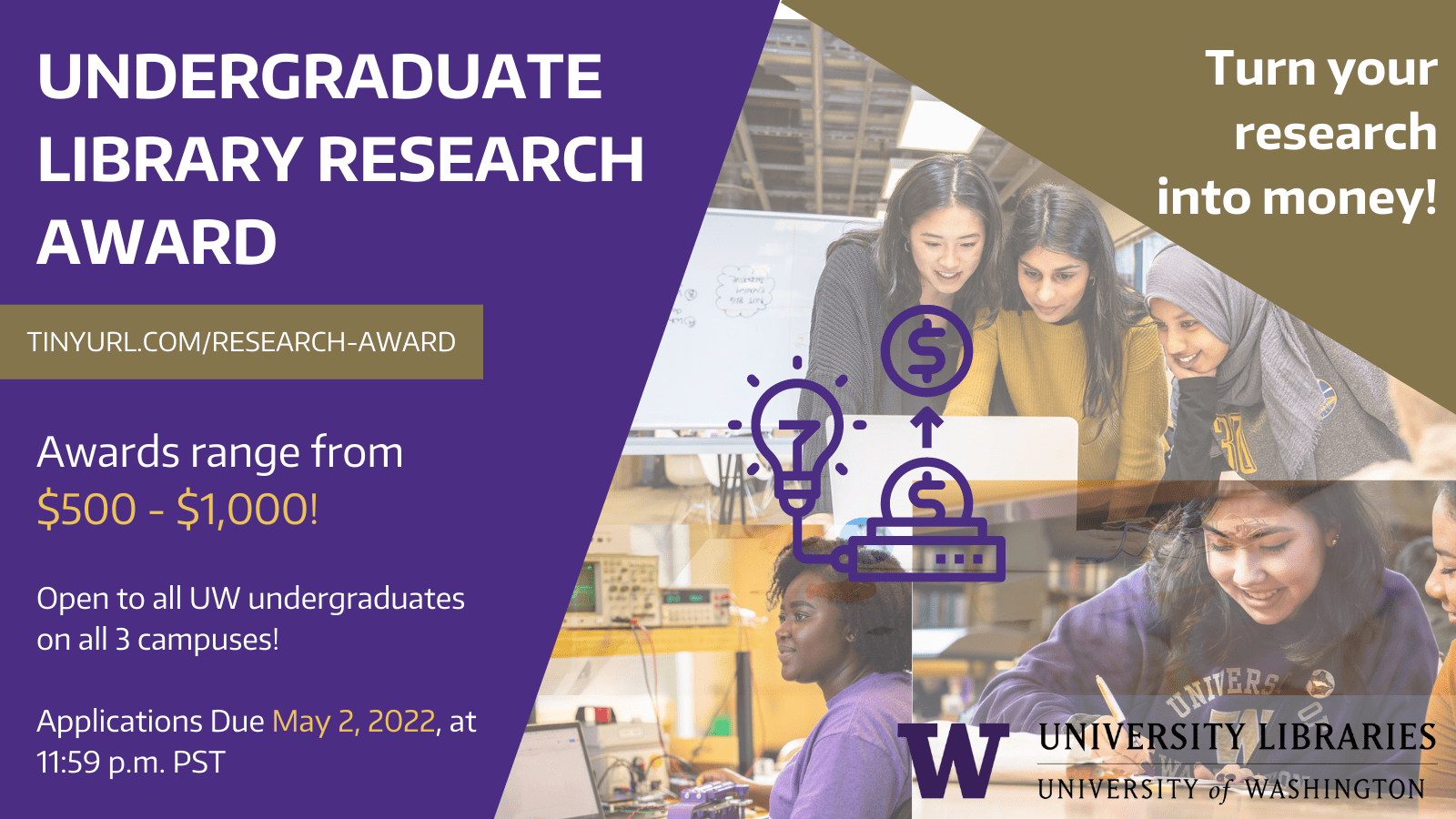
 The Tateuchi East Asia Library (TEAL) will close to the public for summer

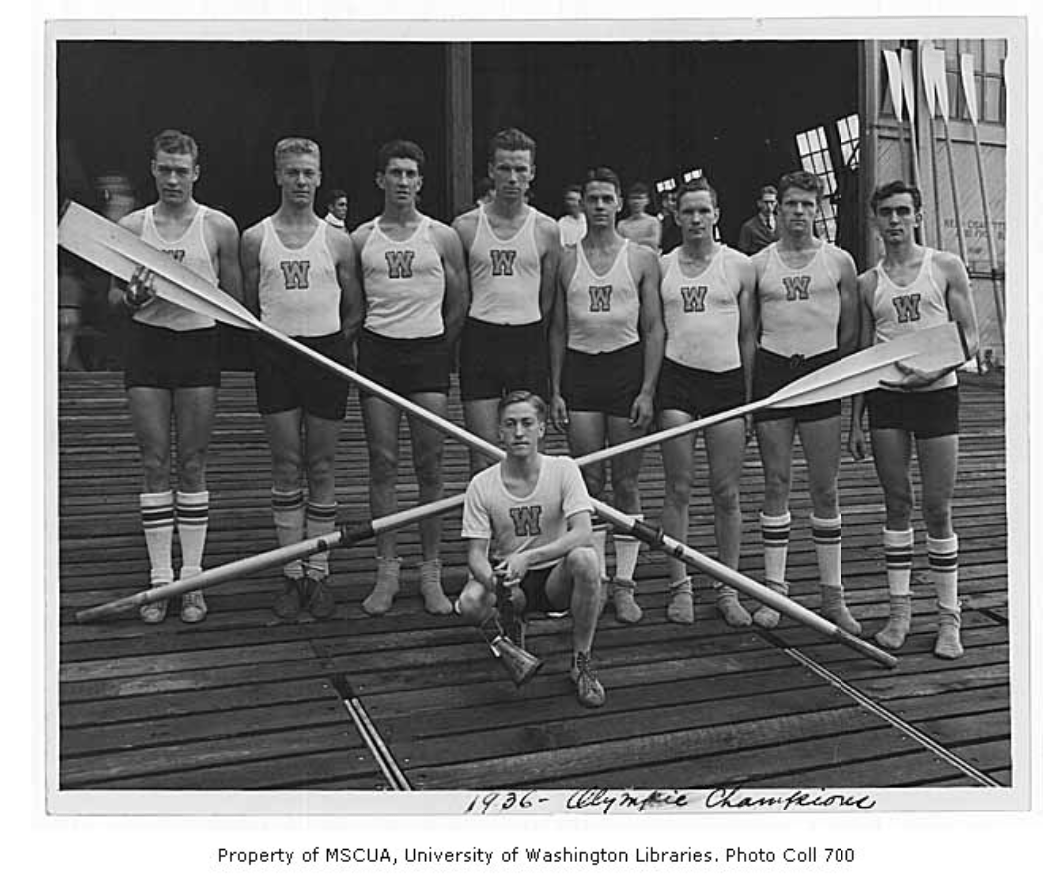 “Oars Out, Roll Cameras” highlights the upcoming filming of Boys in the Boat in and in conjunction with the opening weekend of boating season/Windermere Cup May 6-7. On display in Allen North from April 6-May 31!
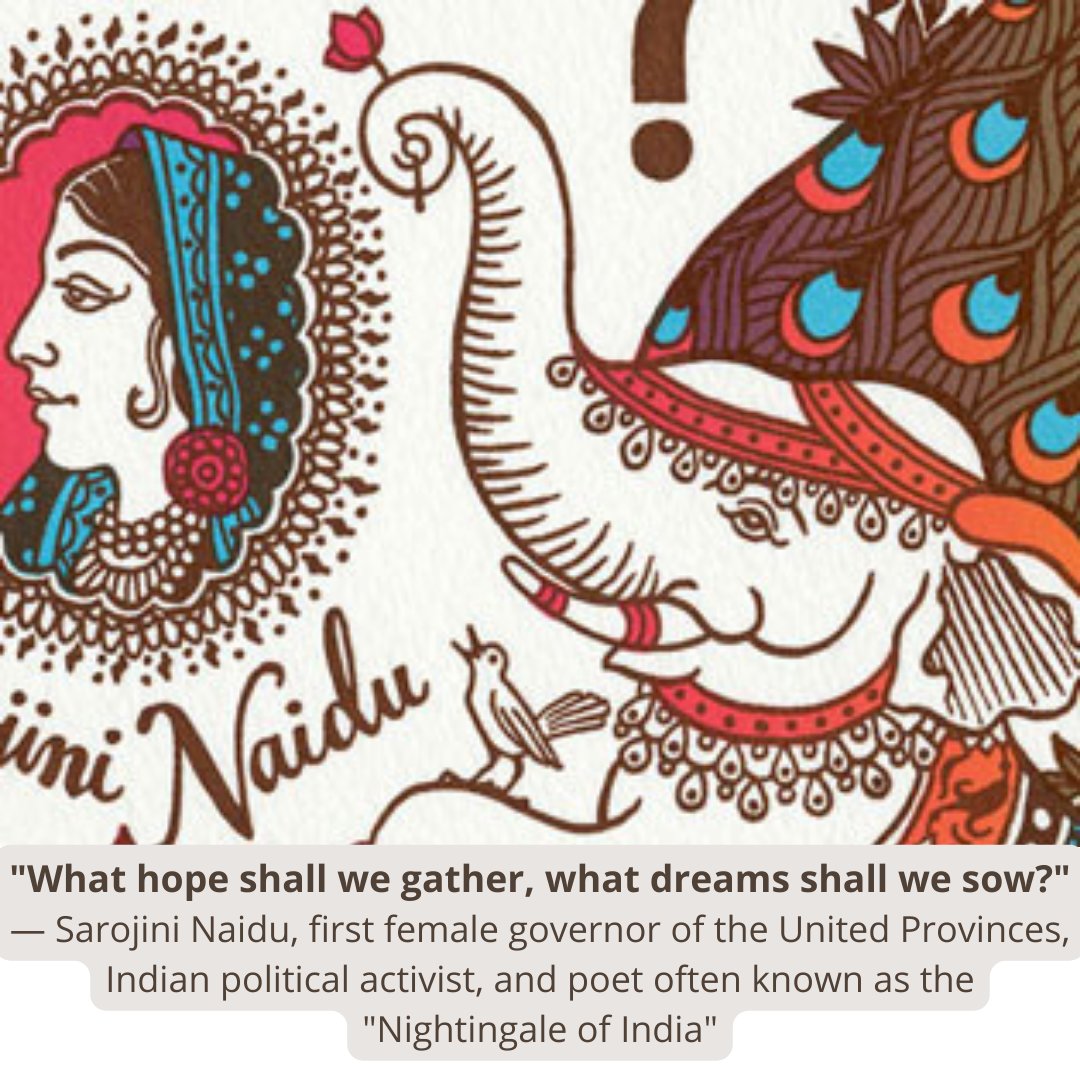 And Then She Said: Voices of Feminists Past and Present was sown from
 Started in 2005 by the American Society of News Editors (now the News Leaders Association), Sunshine Week (March 13-19, 2022) is an annual celebration of the continued effort to promote open government and free public access to U.S. government information. it coincides with national Freedom of Information Day, March 16th.
 This week